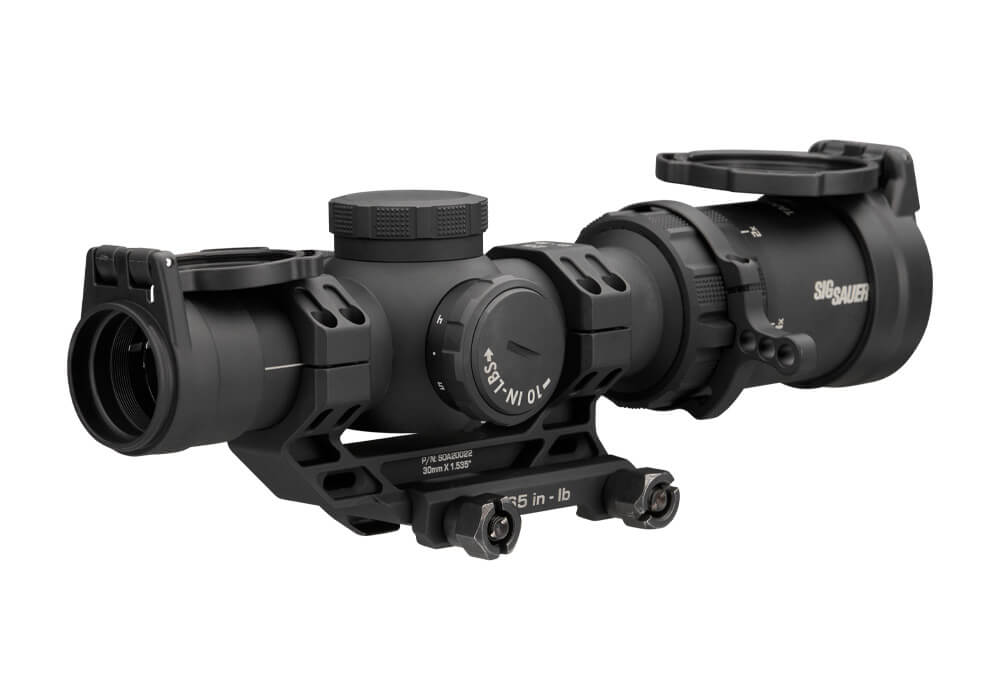
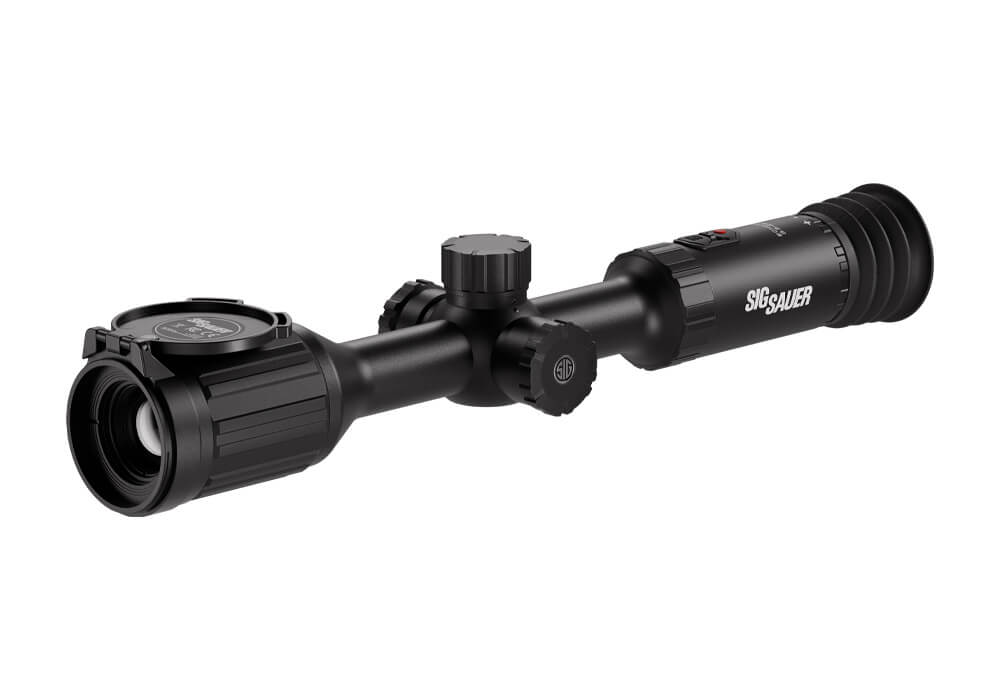
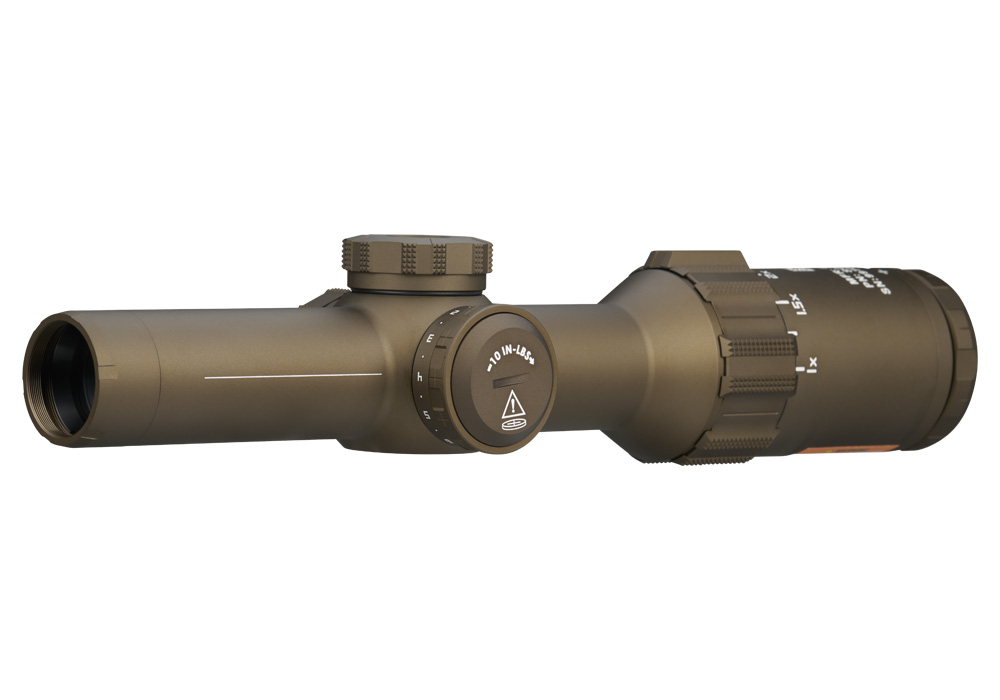
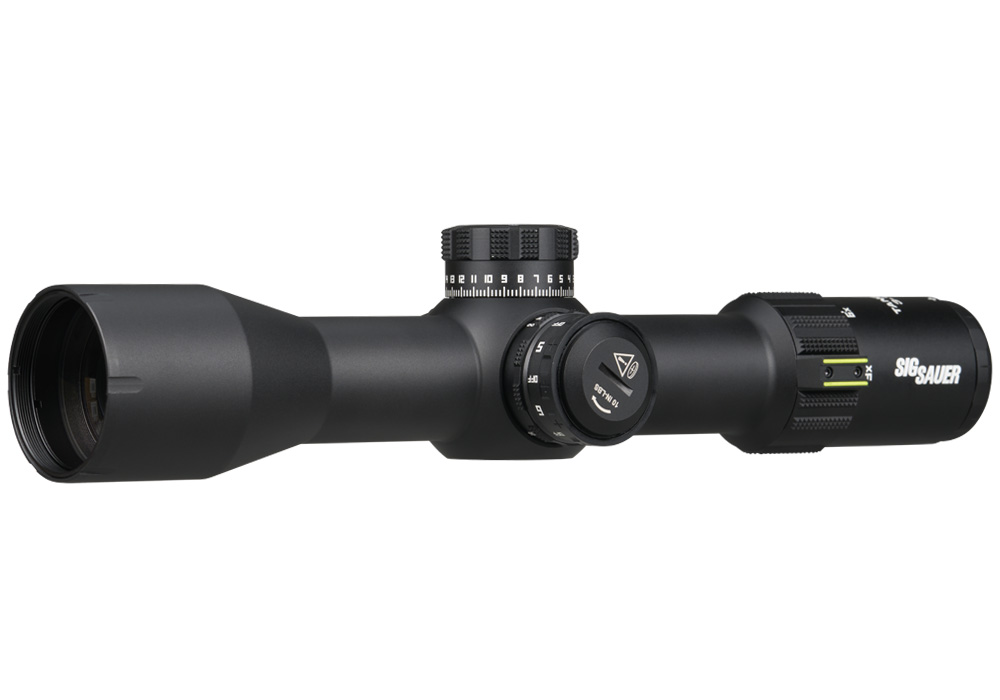
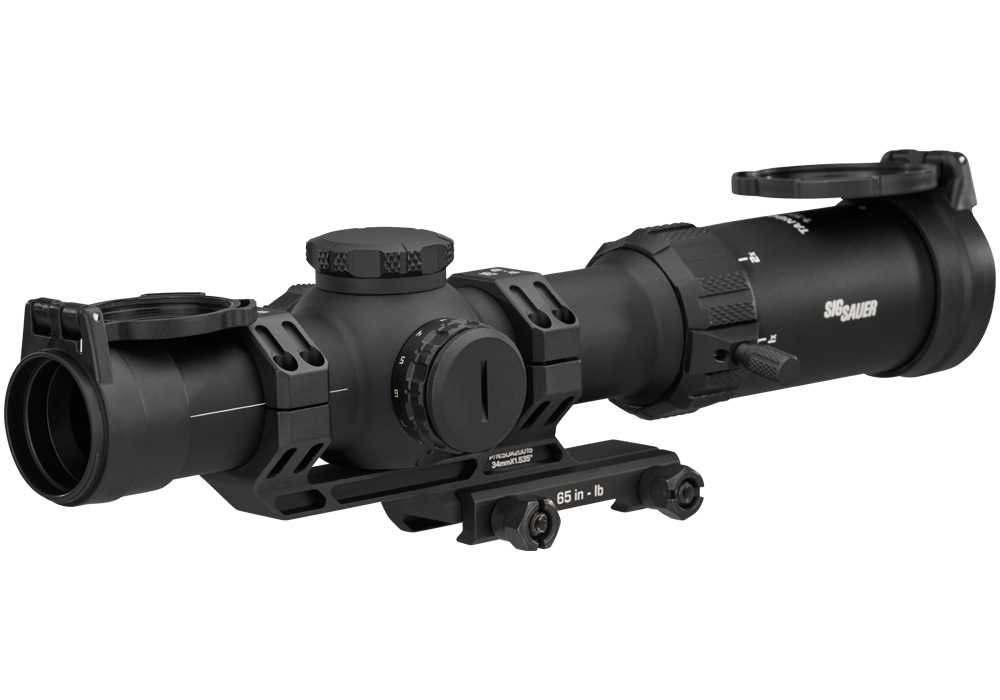
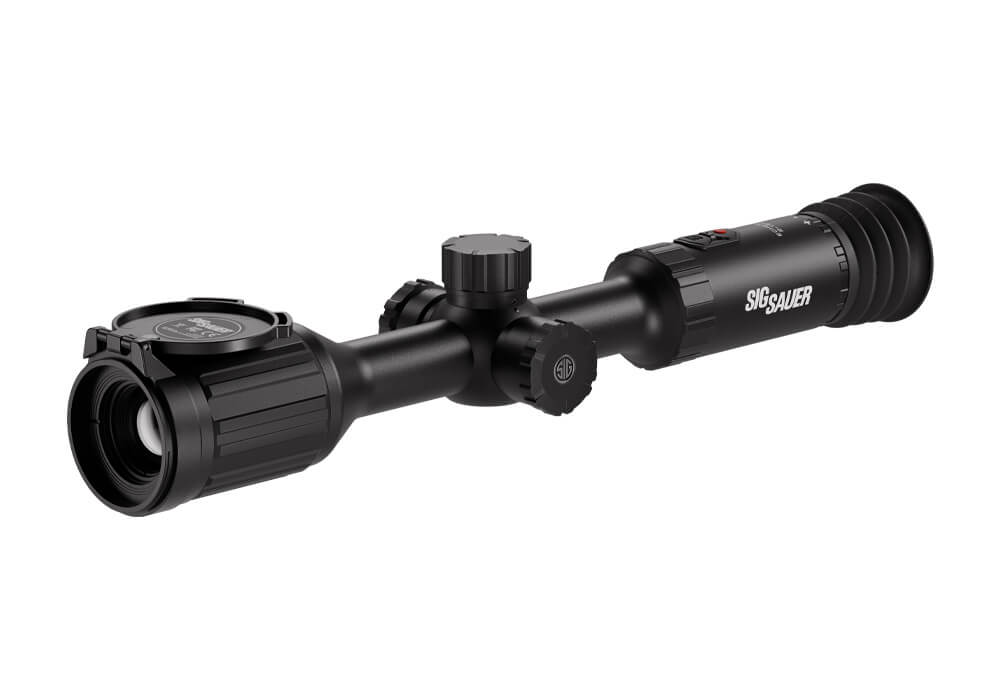
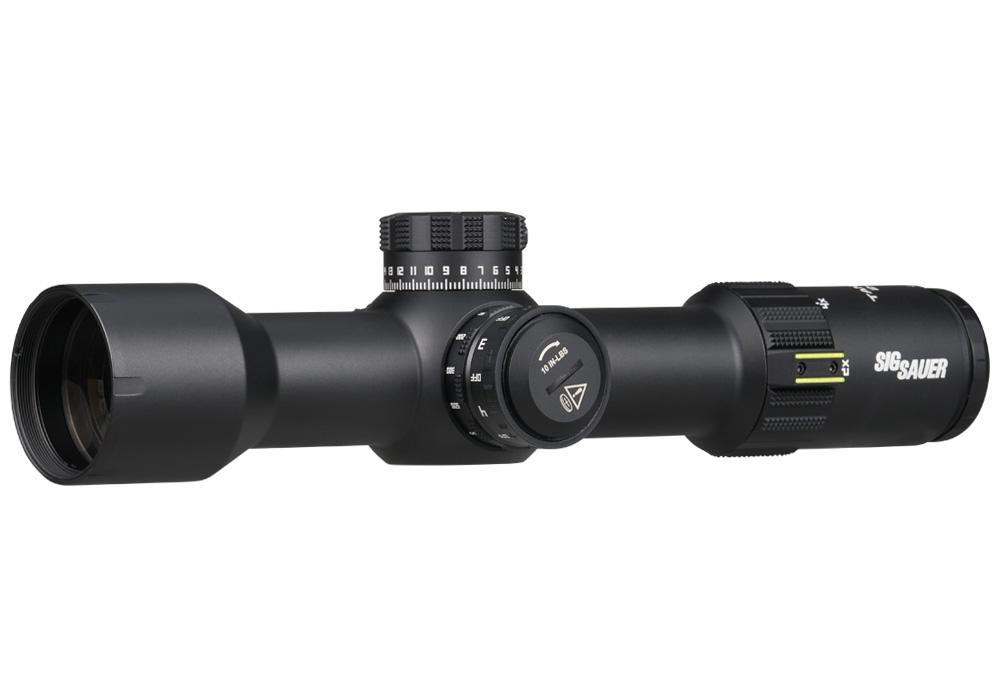
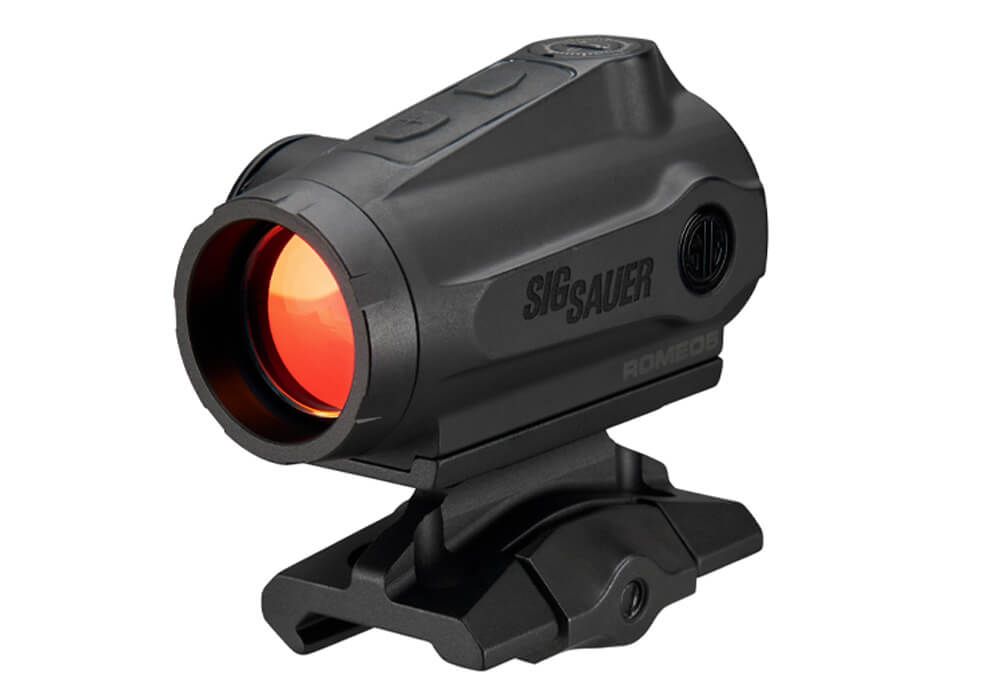
Night vision rifle scopes are designed to extend visibility beyond daylight, helping hunters, recreational shooters, and property owners observe and aim in low-light conditions. Unlike a standard riflescope, a night vision optic may amplify available ambient light, use a digital sensor to create a visible image, or rely on infrared illumination when natural light is too limited for a clear view. Digital night vision models are especially versatile because many can function during the day and transition to nighttime use without removing the optic from the rifle. Traditional analog systems use an image-intensifier tube and are valued for their natural viewing experience, low-latency image, and performance in very dark environments. Thermal rifle scopes are a separate category that detects heat rather than visible or infrared light, making them useful for locating warm-bodied animals against shaded ground, tall grass, or dense brush. Some shooters compare thermal and night vision when selecting a nighttime optic, while others choose night vision because it provides more recognizable detail, supports the use of an IR illuminator, or fits the way they spend time outdoors. The right choice depends on the environment, expected distance, available ambient light, and whether the priority is identifying familiar landscape features or detecting heat signatures. For a broader selection of compatible equipment, explore the Night Vision Weapon Sight collection alongside these Night Vision Rifle Scopes.
When comparing a night vision rifle scope, begin with the rifle and cartridge that will support it. Recoil can affect both the optic and the shooter’s ability to maintain a consistent sight picture, so confirm that the scope is rated for the intended firearm and caliber before mounting it. Eye relief deserves the same careful attention; a comfortable distance between the ocular lens and the shooter’s eye helps keep the housing safely positioned during recoil and makes it easier to settle into a repeatable cheek weld. Mounting height, rail compatibility, and overall weight also matter. A scope that sits too high can make a familiar stock position feel awkward, while a heavier setup may be noticeable during a long walk across a field or a slow, deliberate scan from a blind. Digital models commonly include features such as image recording, adjustable reticles, onboard menus, magnification controls, and day/night settings. These additions can be useful, but they also require time to configure before heading outside. Check whether the reticle remains visible at the preferred brightness, whether the controls can be operated while wearing gloves, and whether the display is easy to read without creating unnecessary glare. An IR illuminator may be essential for digital night vision in complete darkness. Illuminators using an 850nm wavelength typically provide more visible infrared output and greater reach, while 940nm options are less noticeable to the unaided eye and may be preferred when a lower-profile light signature is important. Illumination range, beam adjustment, mounting position, and compatibility with the scope should all be considered together rather than treated as separate specifications.
Battery planning is another important part of choosing night vision rifle scopes. Digital systems can use power quickly, particularly when recording, running an IR illuminator, or operating a bright display for extended periods. Look for the manufacturer’s stated runtime under realistic conditions and consider whether the optic accepts replaceable batteries, an external power pack, or a rechargeable source. Carrying a spare set in a protected case can prevent a quiet evening outdoors from ending early, especially during the cooler months when batteries may lose usable charge faster. Weather resistance, lens protection, and the ability to maintain a clear image through changing conditions are also worth reviewing. Dew, light rain, dust, and temperature shifts can all affect an optic during a long outing, while a lens cap and a soft cleaning cloth help protect the glass between uses. After installation, confirm the mount is secure, establish a reliable zero in daylight when the optic permits it, and verify point of impact again under the lighting conditions in which the scope will be used. Practice at a safe, approved range helps the shooter learn the controls, understand the reticle, judge the effective viewing distance, and avoid making adjustments by feel in the field. Night vision equipment can make a thoughtful gift for an experienced hunter, range enthusiast, or outdoorsperson who already owns a compatible rifle and has a clear use for nighttime observation, but compatibility and local regulations should be checked before purchase. Whether used to follow movement along a field edge, identify targets at an established shooting area, or observe property responsibly after dark, a well-matched optic should support clear identification, steady handling, dependable operation, and safe firearm practices in every season.