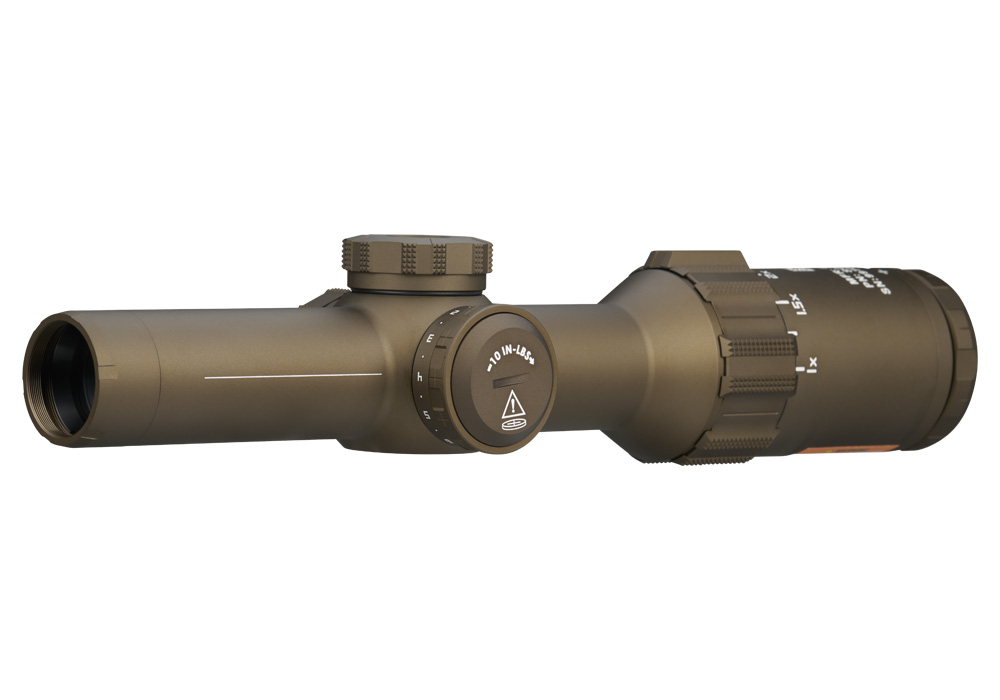
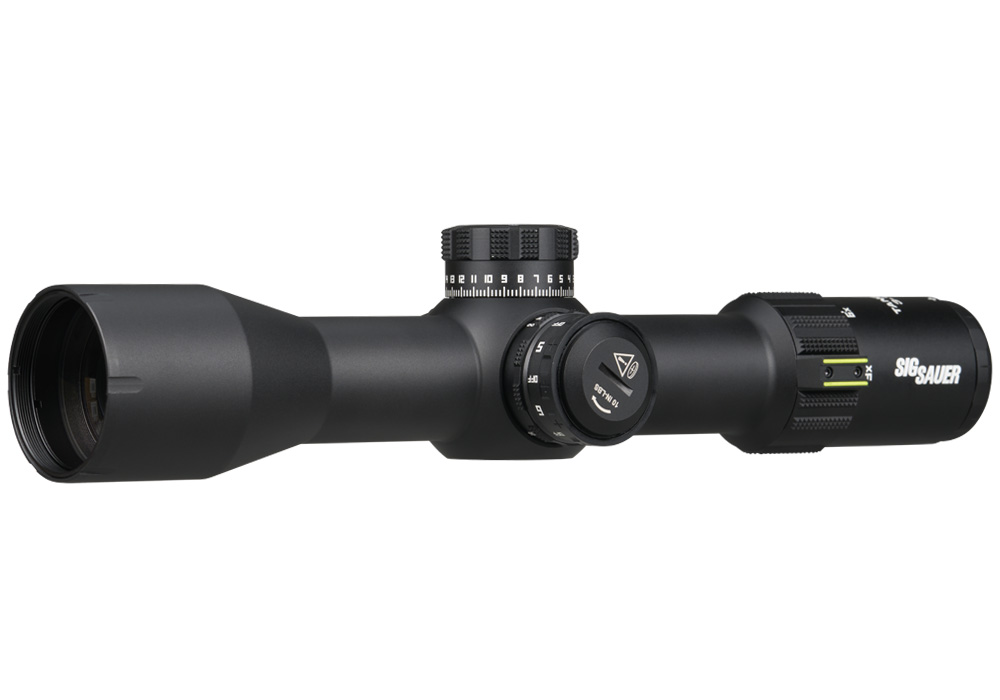
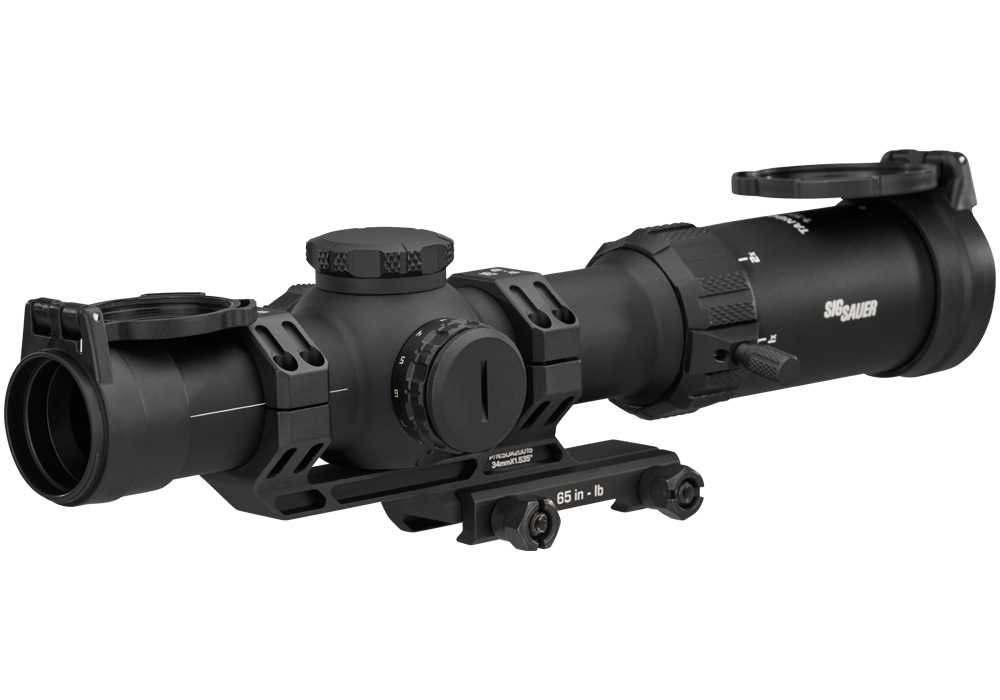
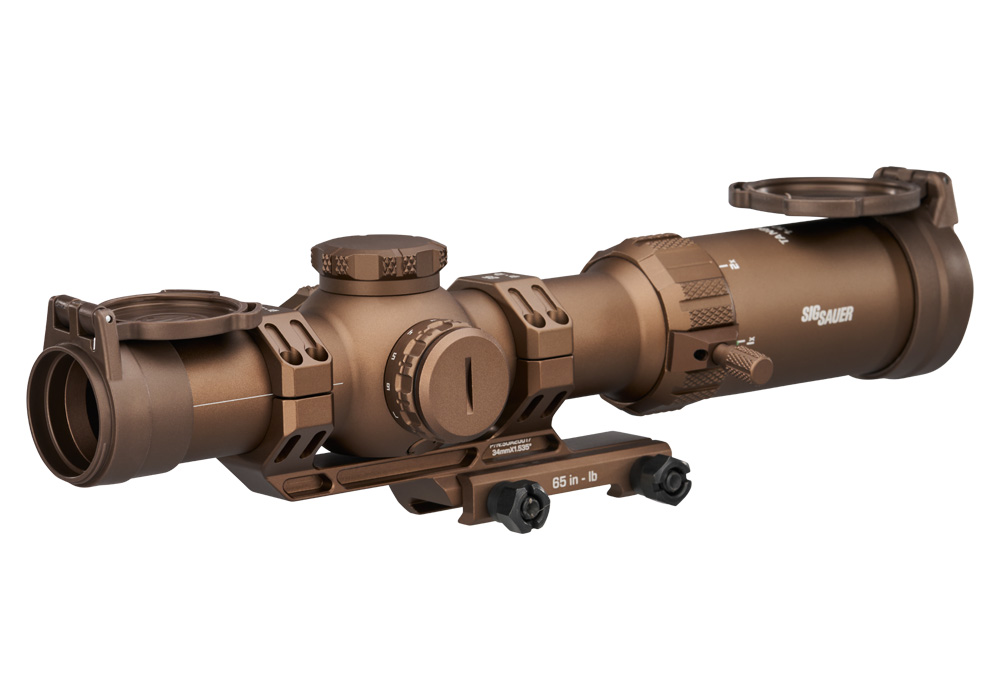
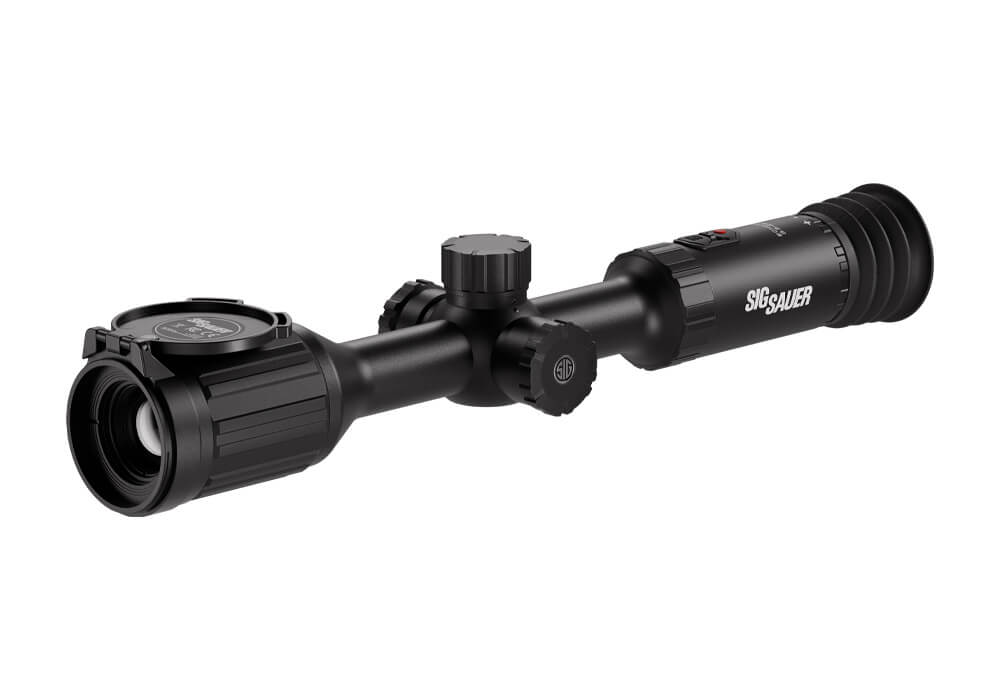
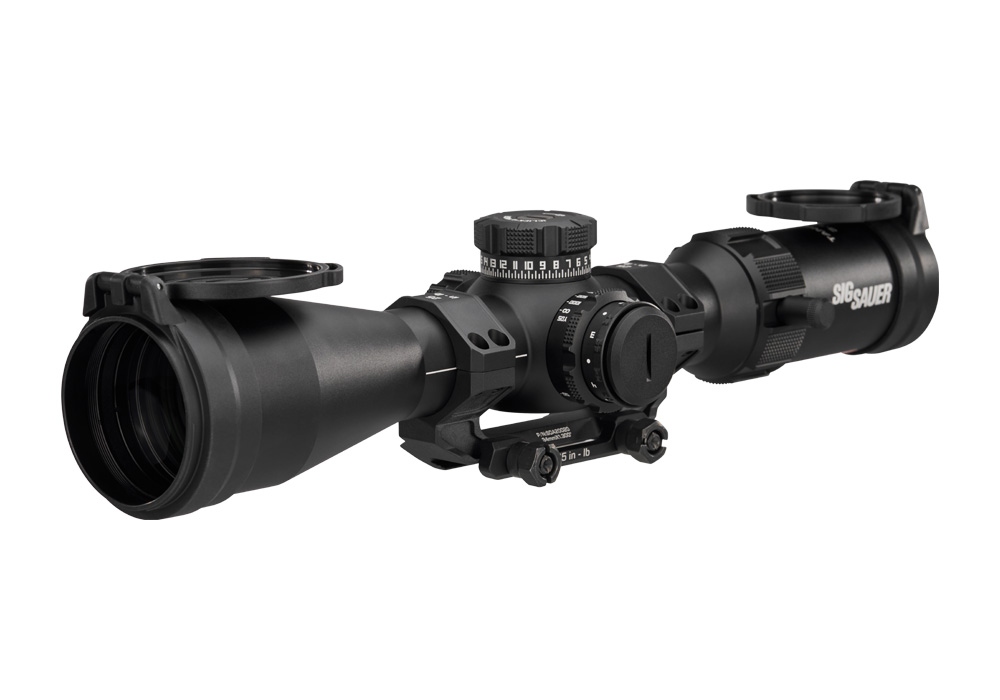
A night vision hunting scope helps extend responsible observation and hunting into the hours when ordinary rifle optics can no longer provide a clear sight picture. These scopes generally use one of two approaches: digital night vision, which relies on an electronic sensor and infrared illumination to produce a visible image, or traditional image-intensifier technology, which amplifies available ambient light. Digital models are especially versatile because many can be used during the day and then switched to a night setting when conditions change. Depending on the design, the image may appear in black and white, green tones, or adjustable color palettes, while an onboard display can provide aiming information, recording functions, and other useful controls. An infrared illuminator is an important part of many digital setups. An 850nm IR illuminator typically provides strong range and brightness, while a 940nm option can produce a less noticeable glow for situations where minimizing visible light is a priority. Effective distance varies with the sensor, lens, weather, terrain, and the quality of the illuminator, so published specifications should be viewed as a starting point rather than a guarantee. A night vision scope may be a practical choice for hunters pursuing legally designated nighttime game, managing nuisance animals where permitted, or observing wildlife around a rural property without relying on a handheld flashlight. It can also be useful for ranchers, landowners, and outdoor enthusiasts who spend long hours in changing light. Regulations differ widely by state, species, season, and property, and some jurisdictions restrict the use of artificial light or electronic optics for hunting, making it essential to review applicable laws before heading afield. Safe firearm handling, positive target identification, and a clear understanding of what lies beyond the target remain just as important after sunset as they are in daylight.
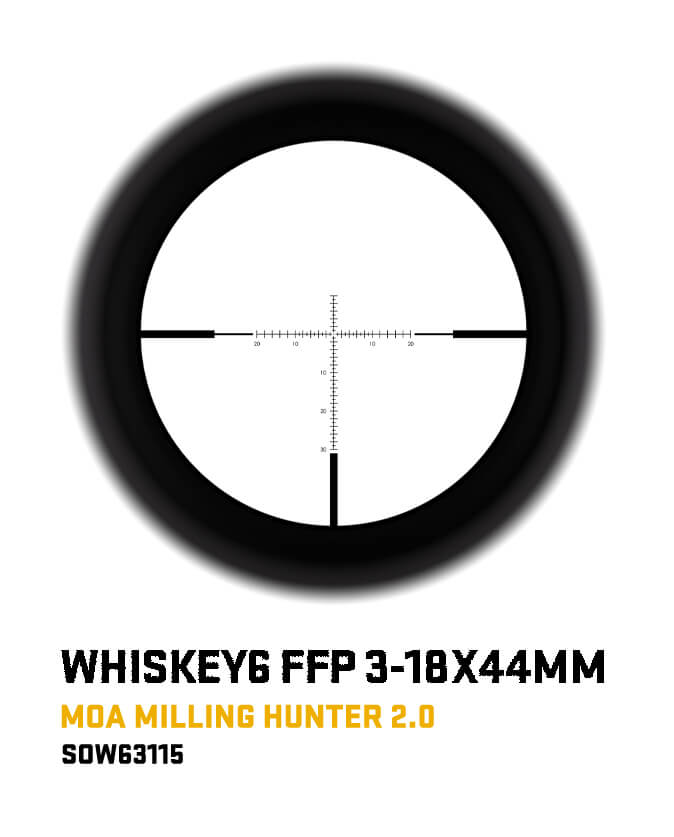
When comparing a night vision hunting scope, begin with the rifle and cartridge rather than the display alone. Recoil ratings should match the specific firearm and ammunition being used, with particular attention to rifles chambered for harder-recoiling cartridges and heavy hunting loads. A scope that is secure on a rimfire or moderate centerfire rifle may not be appropriate for a more powerful hunting rifle. Check the mounting interface, tube or body dimensions, eye relief, and the space available on the rifle’s rail before purchase. A sturdy mount helps preserve zero, while a quick-detach design may be convenient for hunters who move between daytime and nighttime optics. Magnification deserves equal consideration. Lower magnification can provide a wider field of view and make it easier to follow an animal at closer distances, while adjustable magnification can help with observation across open ground. Very high magnification is not automatically better in darkness; it can narrow the field of view, exaggerate movement, and make image noise or atmospheric distortion more apparent. Optical clarity, sensor resolution, focus controls, and the ability to adjust brightness all influence how easily a hunter can distinguish an animal from brush, shadows, or uneven terrain. A built-in rangefinder, ballistic calculator, or digital reticle may simplify aiming, but these features should be confirmed against real-world conditions and verified with a properly zeroed rifle. Recording capability can be valuable for reviewing field observations, documenting equipment performance, or sharing experiences, though it should never distract from maintaining a safe position and a clear view of the surroundings. Hunters who prefer a familiar daytime sight picture may also want to compare night vision options with Hunting Optics With Illuminated Display, particularly when their needs center on low-light visibility rather than complete darkness.
Battery planning is one of the most overlooked parts of choosing and using a night vision hunting scope. Digital sensors, displays, wireless features, recording functions, and infrared illuminators can all draw power, and cold weather may reduce runtime further. Look for a model with dependable standard or extended battery performance, an easy-to-read power indicator, and a practical way to carry fresh batteries or a compatible external power source. It is wise to test the scope, illuminator, mount, and controls together before a hunt, then confirm zero in the same configuration that will be used in the field. Familiarity matters after dark: practice adjusting focus, changing magnification, switching between day and night modes, and locating the reticle without taking your attention away from the safe direction of the muzzle. Lens covers, a soft cloth, and protection from rain or condensation can help preserve image quality during the cooler months, while a compact case protects the optic during transport. Hunters who spend time in wooded cover may value a compact housing and a broad field of view; those watching open fields may prioritize detection range, image detail, and stable magnification. Night vision is generally strongest when the goal is positive visual identification of an animal and its surroundings, while thermal imaging detects heat signatures and can make animals easier to locate in complete darkness or heavy cover. Thermal and night vision serve different purposes, and local regulations may treat them differently. A night vision hunting scope can make a thoughtful gift for an experienced hunter, landowner, or outdoorsperson who already understands firearm safety and wants to improve low-light observation, but the best choice depends on the recipient’s rifle, hunting environment, legal use case, and comfort with digital controls. Whether the optic is used during warm evenings, transitional weather, or long nights in the field, dependable mounting, sufficient battery planning, responsible identification, and careful practice are the foundations of a successful setup.