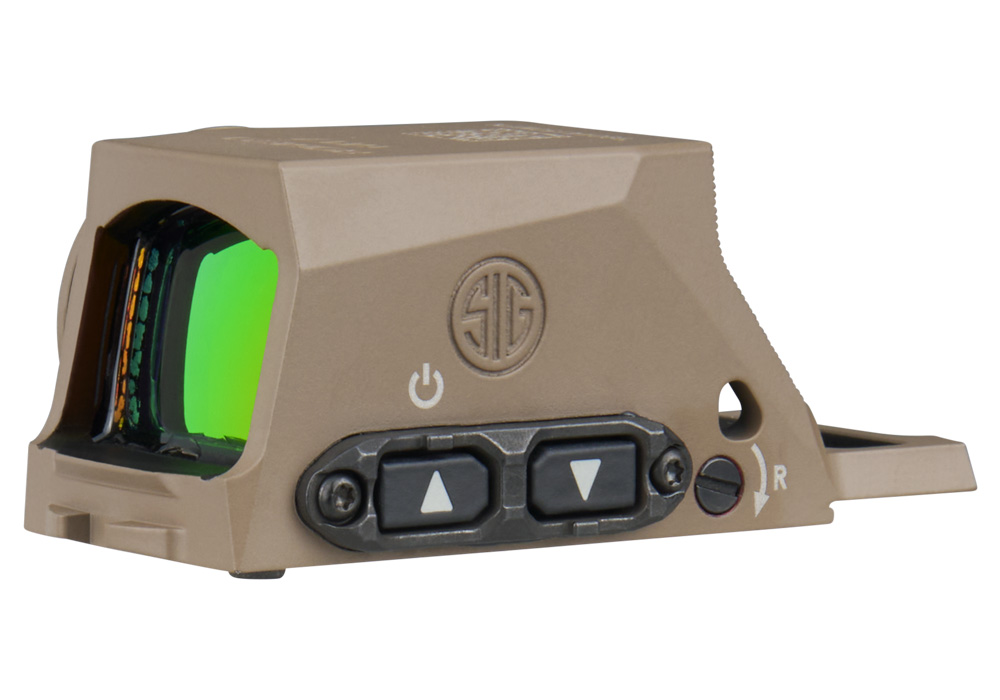
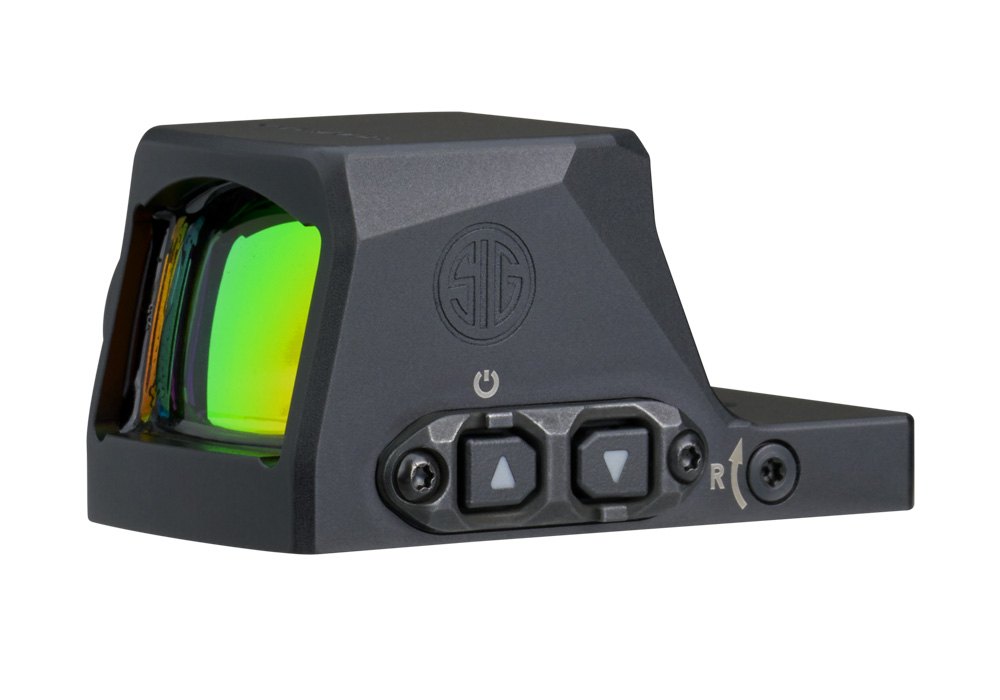
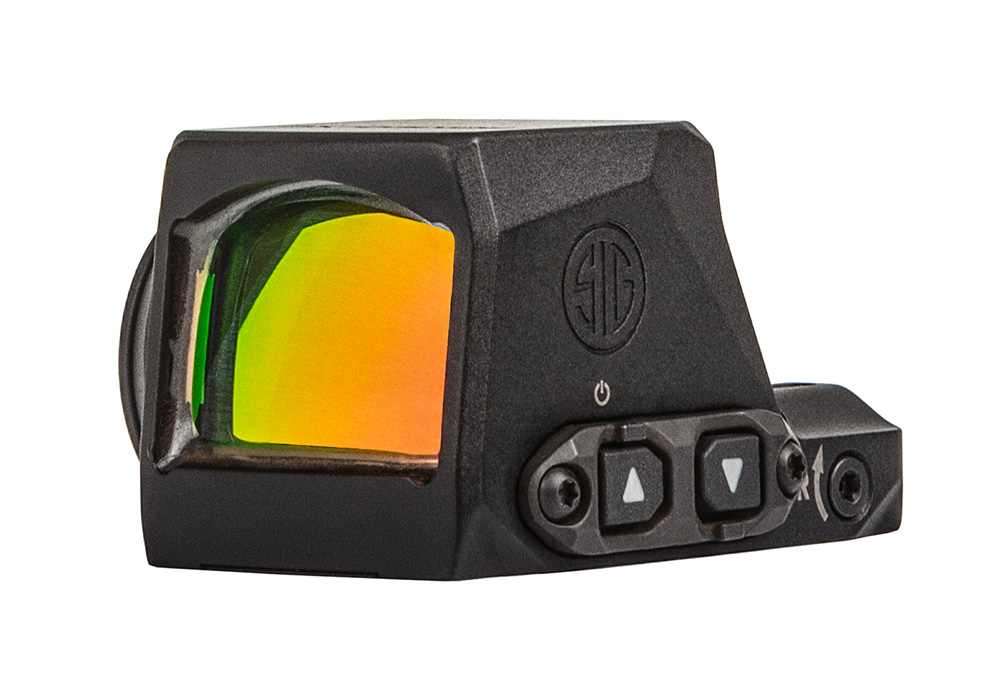
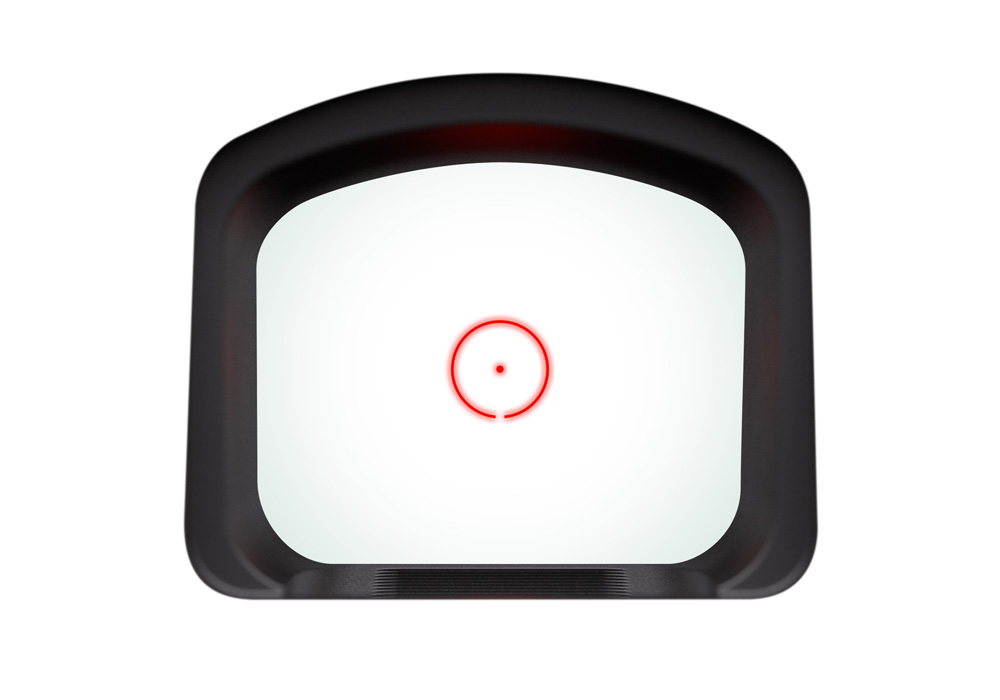
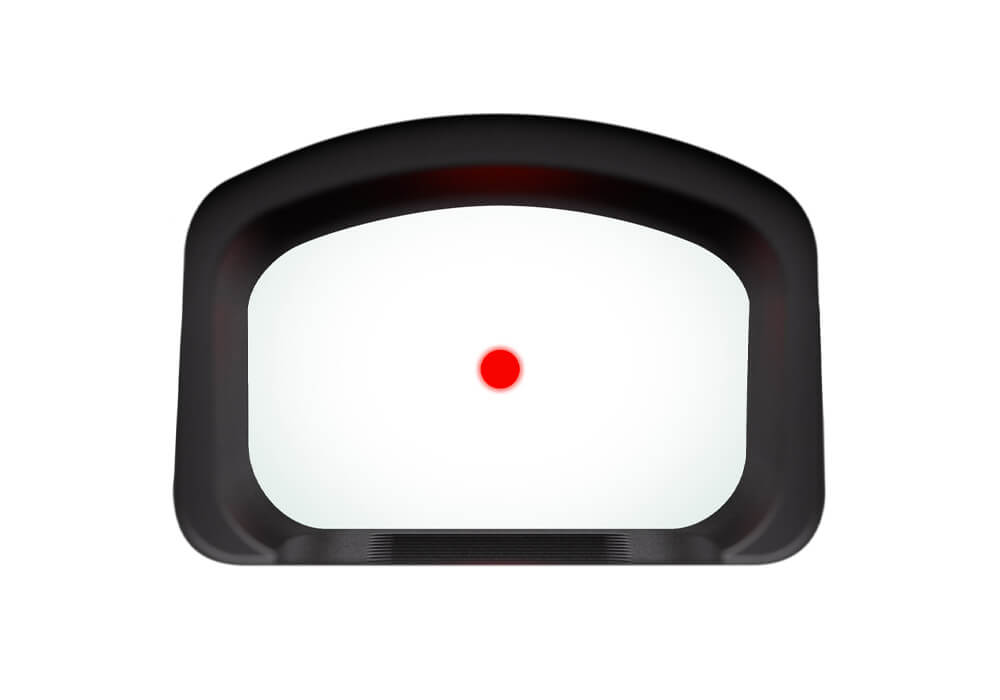
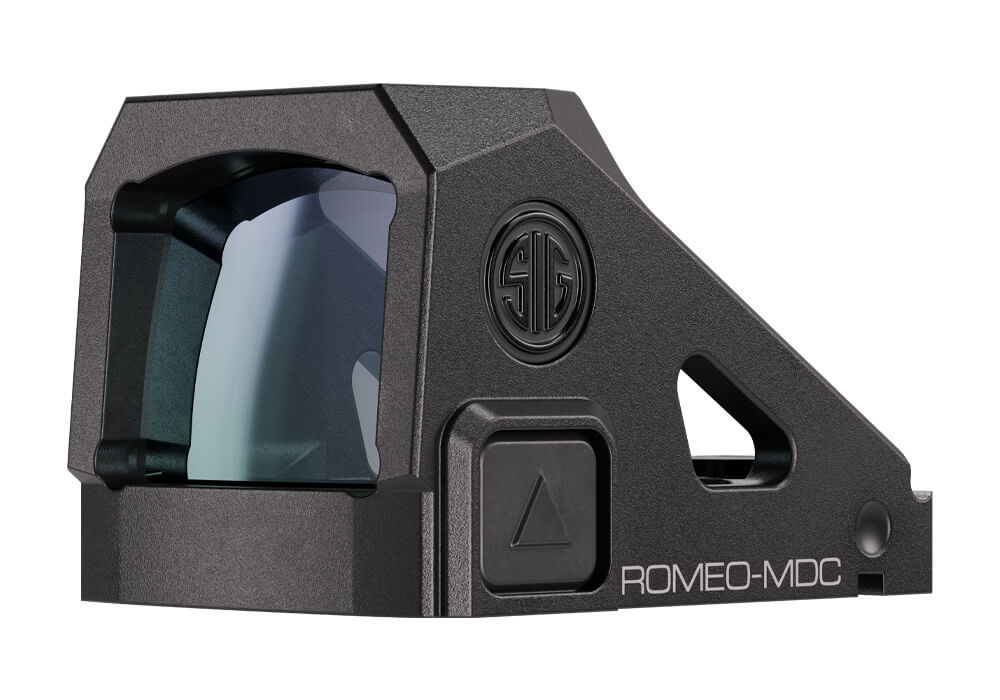
Pistol optics with brightness settings let shooters adjust reticle intensity to suit ambient light and the background behind the aiming point. The purpose is straightforward: keep the reticle visible without letting excessive illumination overwhelm the view through the lens. A setting that looks distinct against a dark target may appear faint against white paper under strong range lighting, while a setting suited to a brightly lit shooting bay may look flared in a dimmer indoor lane. Brightness adjustment changes illumination intensity, not optical magnification or the reticle’s specified size, although an intensely illuminated dot can appear larger or less sharply defined to the eye. This category includes optics suited to different preferences for managing that balance. Manual controls allow the user to select an intensity level, while automatic systems, where equipped, use a light sensor to adjust illumination. Some designs combine automatic adjustment with a manual override, giving the user a choice between sensor-based operation and a selected setting. Neither approach guarantees the same visual result in every setting, since the light reaching a sensor may differ from the light on the target. The number of brightness levels is only part of the comparison; the spacing between those levels and the usefulness of the lowest and highest settings also matter. Clearly separated adjustments can make it easier to find a comfortable reticle appearance without moving between an indistinct dot and one that feels unnecessarily intense. Reticle color, pattern, lens tint, and individual vision can influence that appearance as well. For recreational target shooters, competitors, and qualified professional users, adjustable illumination offers flexibility across different shooting environments. The most relevant distinction is not simply how bright an optic can become, but whether its adjustment range supports a recognizable aiming reference while preserving a useful view of the target and surrounding detail.
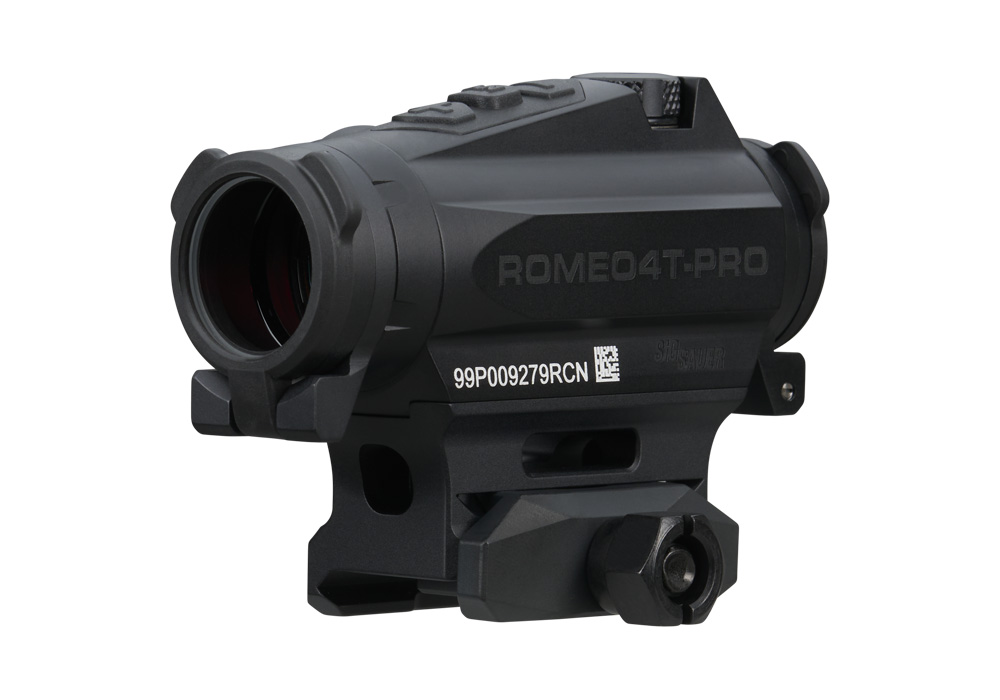
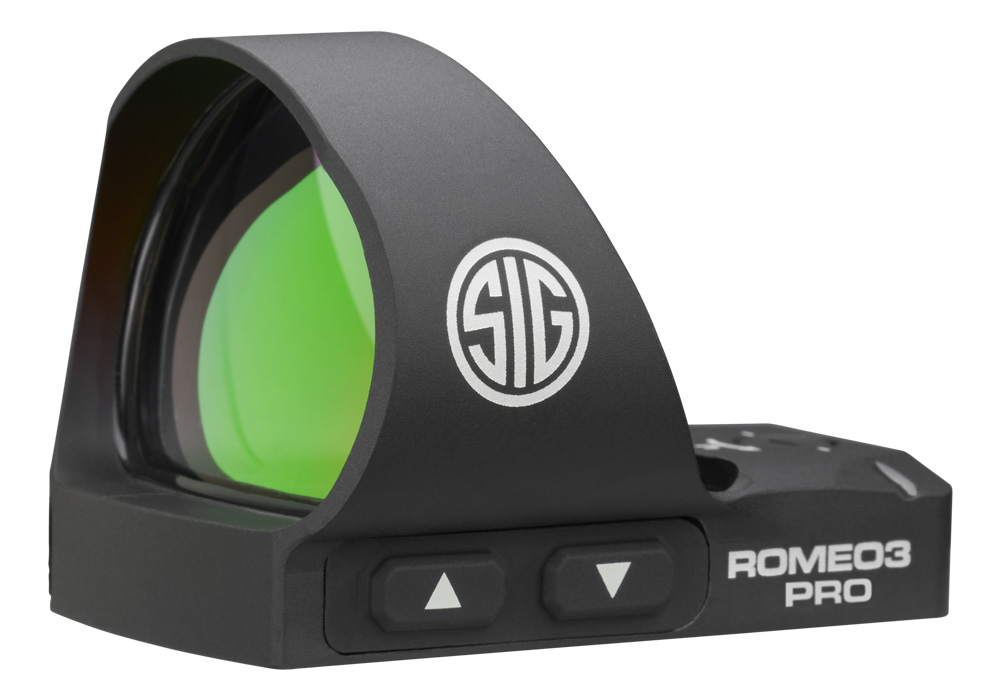
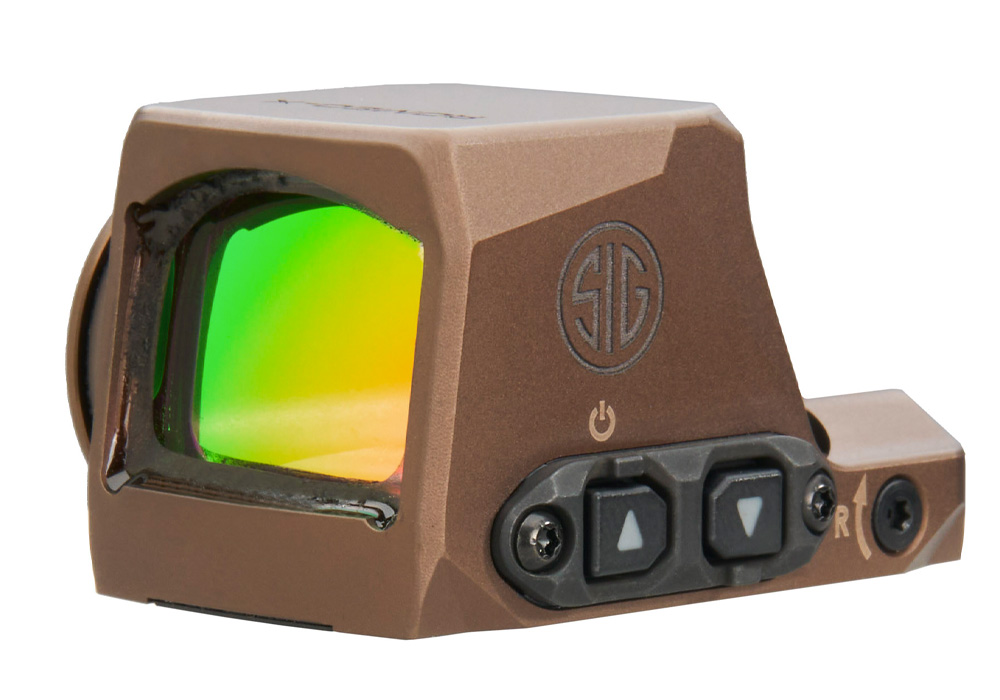
Fit, construction, and control layout are equally important parts of a pistol optic’s everyday usability. Compatibility depends on the optic’s mounting footprint, the pistol’s slide configuration, and any required mounting plate or hardware. A similar exterior shape does not establish compatibility, and a compact housing does not necessarily share the same mounting interface as another compact design. Manufacturer specifications remain the reference for fit, approved hardware, and installation requirements. Housing dimensions also influence the sight picture, access to controls, and compatibility with an existing holster. A larger viewing window can provide a more open visual frame, while a smaller overall profile may suit a compact pistol or a less bulky setup. Neither characteristic replaces the need to confirm the complete combination. Materials vary by design, with metal housings, polymer components, and coated optical surfaces serving different structural and functional roles. Aluminum housings can balance weight and rigidity, while the shape of the housing helps protect the lens and electronic components from routine contact. Lens coatings may support light transmission, reduce reflections, or simplify cleaning, depending on their specification. Open-emitter and enclosed-emitter designs also differ in how the light source is protected from lint, dust, and other debris. An enclosed emitter separates more of the optical system from direct exposure, but its exterior glass still requires attention. For an optic carried regularly or transported in a range bag, accessible lens surfaces and straightforward maintenance can be practical advantages. Care generally centers on removing loose debris before wiping, using cleaning materials approved for coated optics, and avoiding harsh chemicals or abrasive cloths. Brightness buttons deserve similar consideration: distinct controls, readable markings, and accessible placement can make routine adjustments less cumbersome. Recessed buttons or a control-lock feature, when present, may help resist unintended changes from contact during handling or storage. These details contribute to durability and convenience without relying on appearance alone.
Power management adds another layer to the comparison of pistol optics with adjustable brightness. Battery life figures are tied to stated operating conditions, often including a particular illumination setting, so those figures are most useful when read alongside the manufacturer’s test assumptions. Higher intensity generally places greater demand on the battery, while features such as automatic shutoff or motion-based activation can affect how long the optic remains illuminated. Those functions differ among designs, and they should not be assumed from the presence of brightness buttons alone. Some optics retain the last selected setting after a power cycle; others follow a different startup behavior. Battery access is another practical distinction. A side tray or top-access compartment may permit replacement without removing the optic, while other layouts require a different service process. Clear documentation, accessible controls, and a predictable adjustment sequence can matter as much as the headline feature list, especially for someone who prefers simple operation. For shoppers interested in additional ways to personalize operation, Pistol Optics With User-Configurable Settings provides a related selection to explore. Intended use helps put these details in perspective. A range-focused owner may value a generous window and easy-to-reach adjustments, while a competitor may place greater emphasis on control consistency and a reticle that remains distinct against varied target backgrounds. Someone selecting an optic for lawful carry or professional use may prioritize a compatible profile, protected controls, and documented durability. As a gift for an experienced pistol owner, an optic requires more compatibility information than many other accessories; the recipient’s pistol configuration, preferred reticle, and existing equipment are meaningful considerations. Across these uses, adjustable brightness is one part of a complete optical system. A suitable combination brings together dependable fit, manageable maintenance, appropriate construction, and illumination controls that are understandable in regular use. Those qualities give the category lasting relevance beyond any single feature or specification.