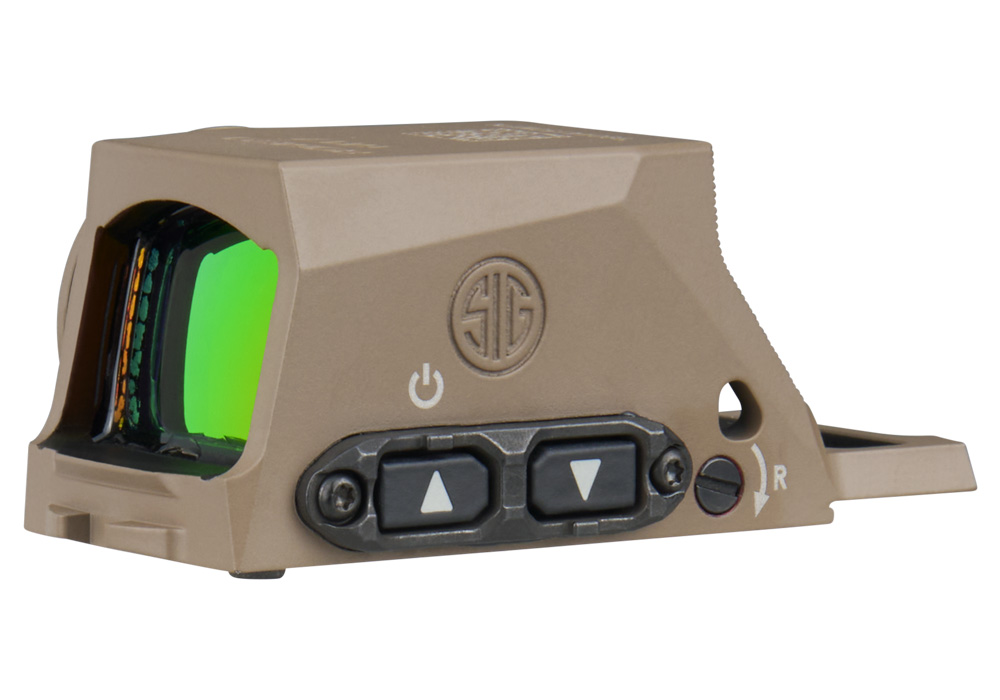
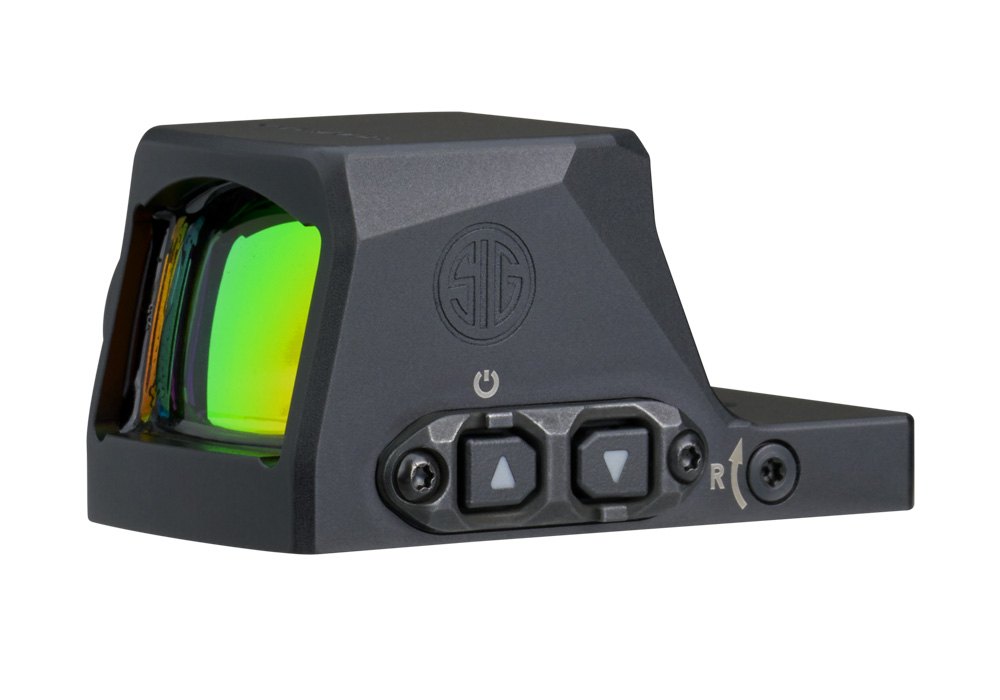
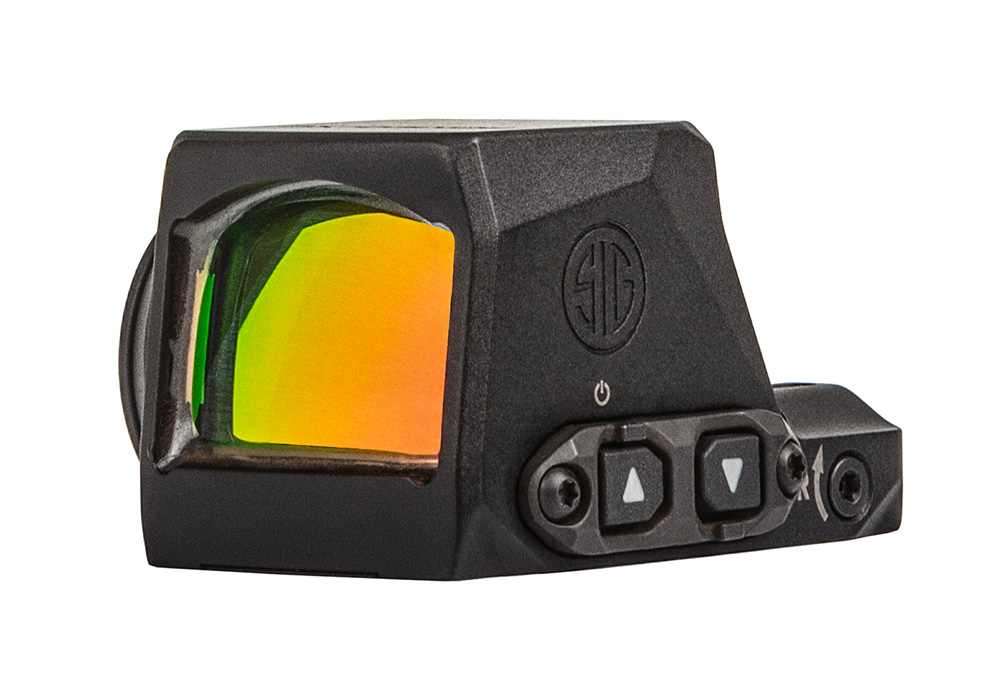
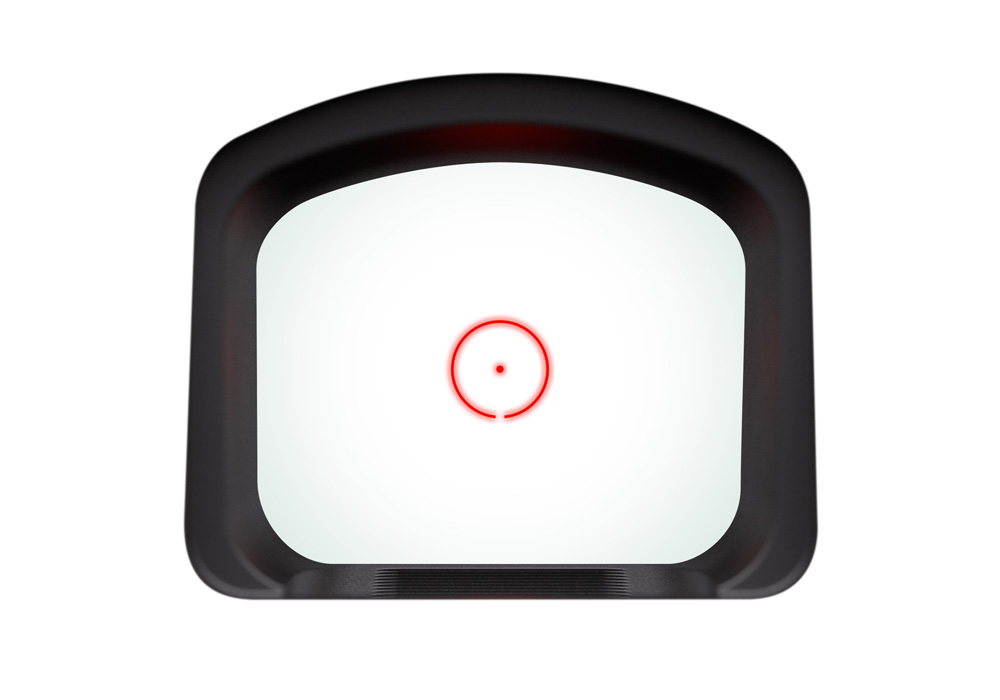
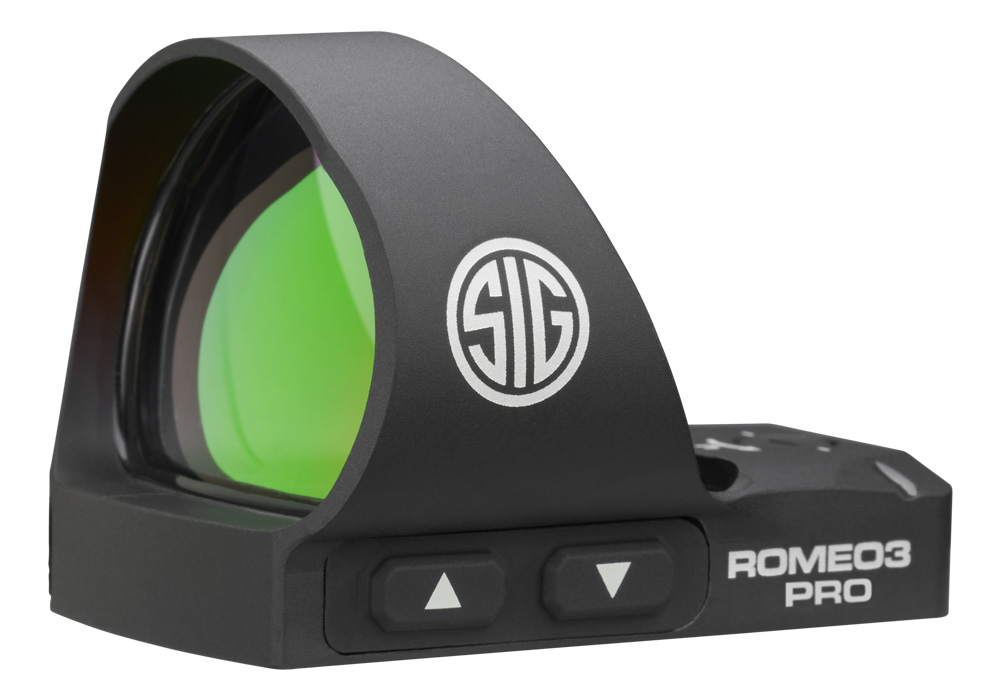
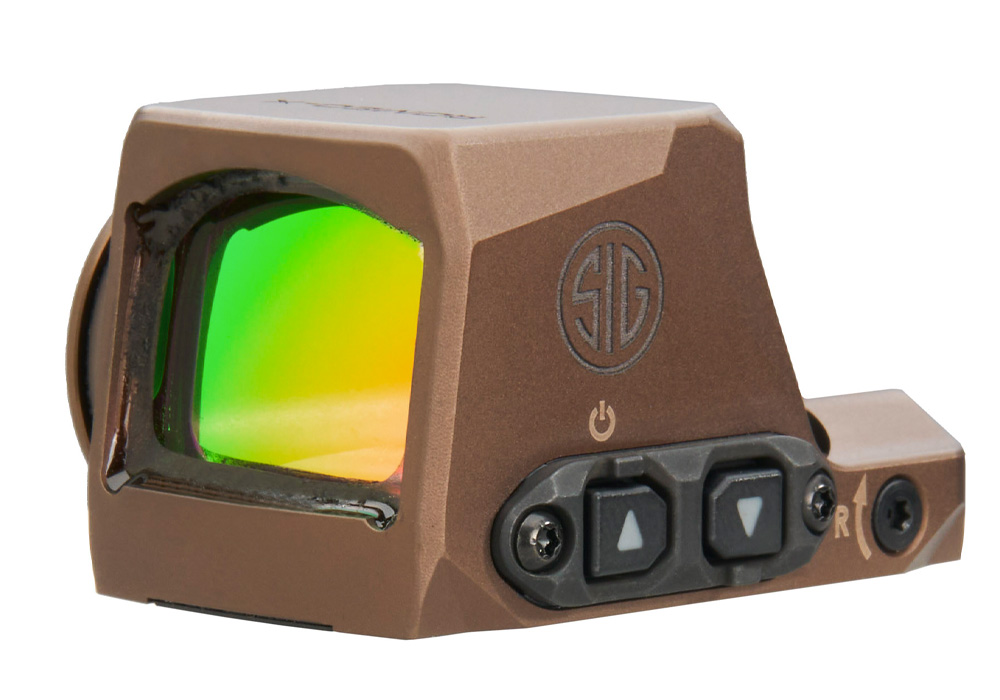
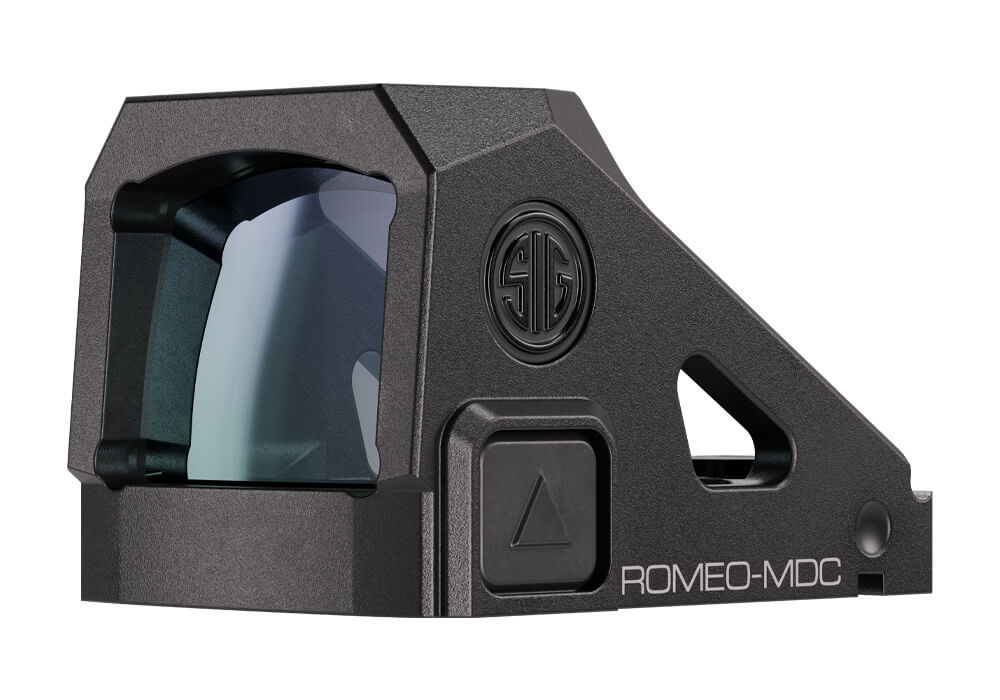
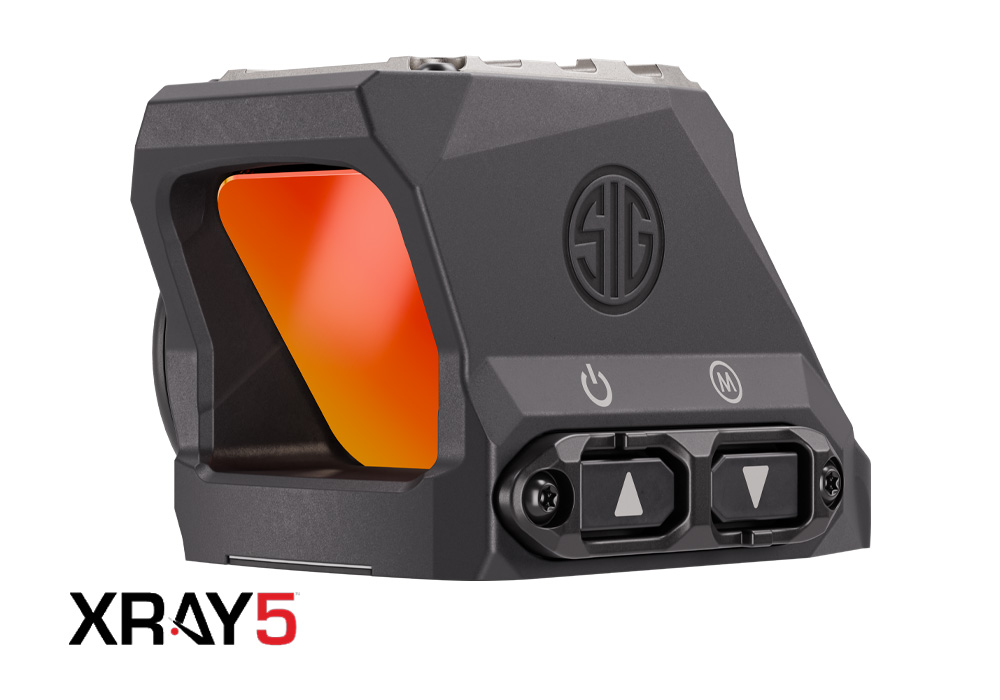
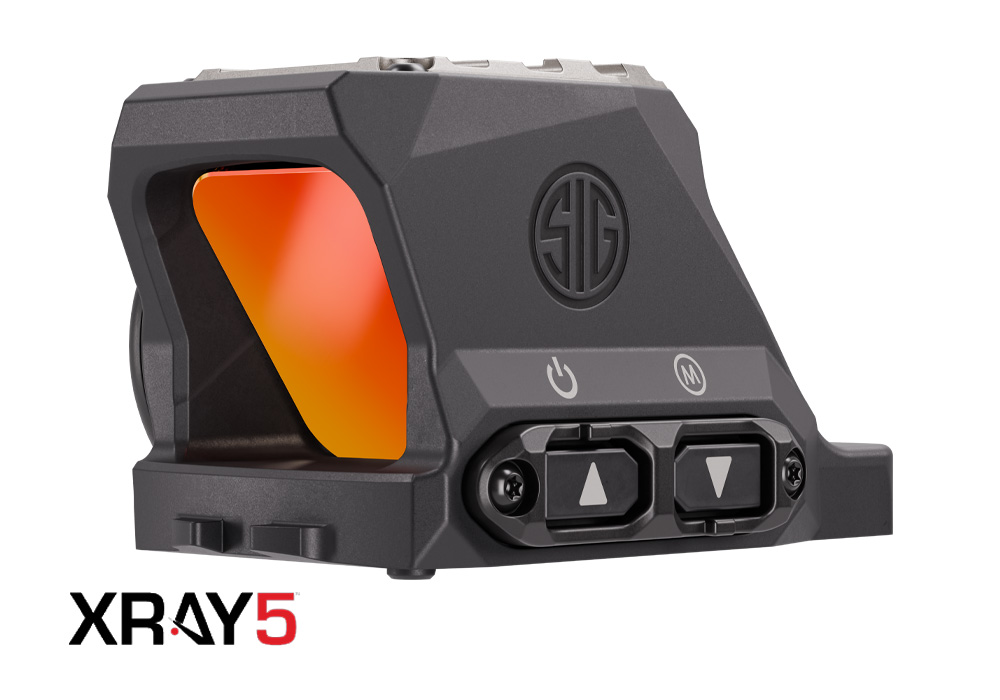
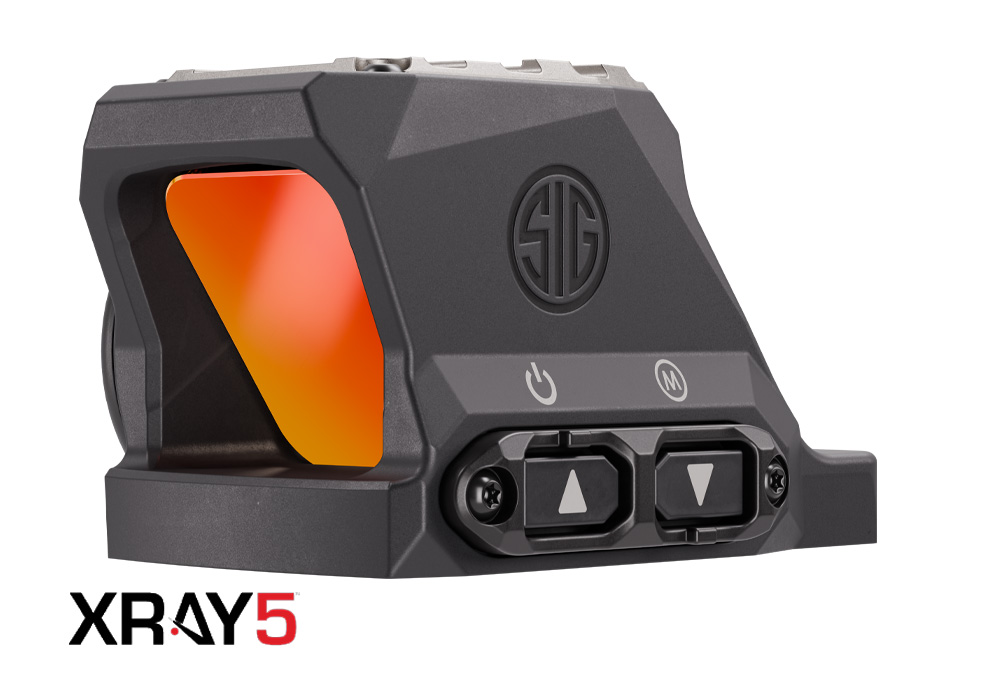
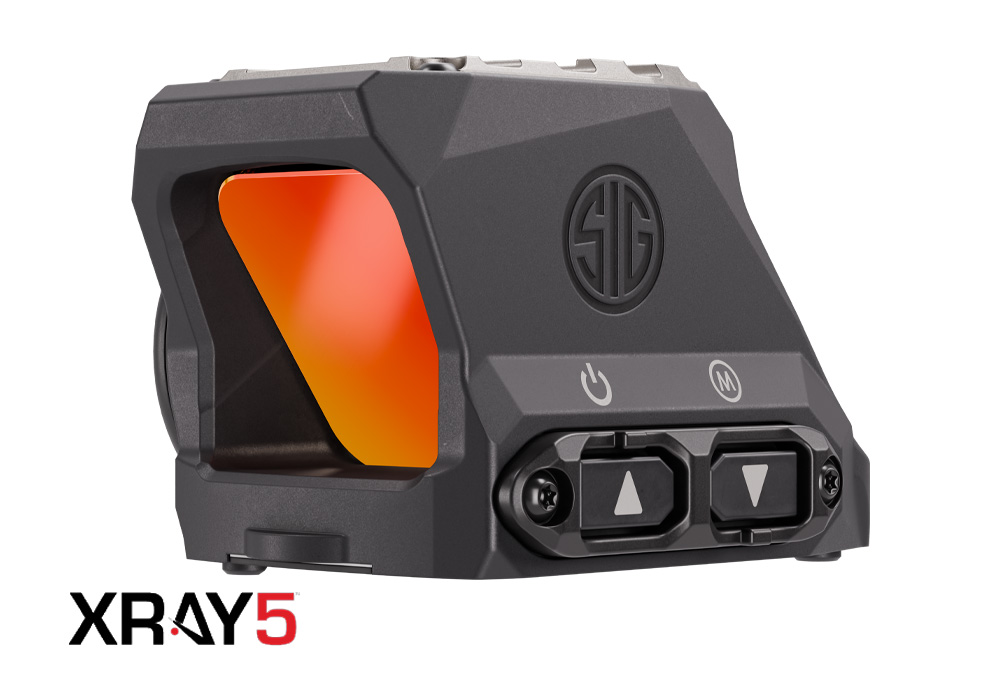
Pistol optics with user-configurable settings let shooters tailor the sight picture and electronic functions to their preferences, lighting, and intended use. Depending on the design, adjustable features may include manual brightness levels, automatic light adjustment, selectable reticle patterns, motion activation, sleep timing, and control lockout. Not every optic offers every function, so the distinction is between settings that can be changed and features that operate on a fixed basis. Within the broader selection of Pistol Optics, configurable designs appeal to handgun owners who want more control over how an electronic sight behaves during practice, competition, or other lawful shooting activities. Brightness adjustment is especially relevant because a reticle that looks clear against a pale target may appear too intense against a darker background. An overly bright aiming point can look larger or less sharply defined, while a setting that is too dim may be difficult to distinguish. Manual controls allow a shooter to select a preferred level; automatic adjustment responds to the light detected by the optic, which may differ from the light on the target. Some designs allow switching between these approaches. Selectable reticles add another layer of personalization where supported, with options such as a dot, a surrounding circle, or a combined pattern. A simple dot presents an uncluttered view, while a larger surrounding pattern may be easier for some shooters to recognize as the pistol comes into view. Reticle choices are limited to the patterns built into the optic, rather than an unrestricted range of shapes or sizes. The apparent sharpness of any illuminated pattern also varies with eyesight, corrective lenses, and brightness. Looking through an optic can therefore reveal more than a reticle illustration alone. These settings affect the viewing experience, but they remain separate from windage and elevation adjustments used to establish the relationship between the aiming point and bullet impact.
Compatibility is just as important as electronic flexibility. Pistol optics must match the handgun’s mounting arrangement, either through a compatible slide interface or an appropriate adapter system. A shared footprint name does not always resolve every fit detail: screw dimensions, mounting depth, recoil support surfaces, and clearance around the housing can all matter. The relationship between the optic and existing iron sights also depends on the mounting height, sight height, and window geometry. A compact housing may suit a smaller handgun, while a larger viewing window may appeal to someone using a full-size pistol for structured range practice or competition. Neither approach eliminates the need to verify the complete fit. Window shape, control placement, and battery compartment access can be particularly noticeable in everyday handling. A side-access or top-access battery compartment may permit battery replacement without removing the optic, although the exact procedure depends on the design. Materials and construction deserve the same attention as the control menu. Aluminum housings are common, but material descriptions alone do not establish how well an optic will tolerate repeated slide movement, handling, or contact with equipment. Housing geometry, mounting security, lens protection, and the manufacturer’s stated testing all contribute to the durability picture. Open-emitter designs leave the light path between the emitter and viewing lens exposed, while enclosed-emitter designs surround that path within the housing. That construction difference can influence access for cleaning and how readily lint or other debris reaches the emitter area. For a pistol carried in a holster, the holster must also accommodate the optic without interfering with its housing or controls. Installation should follow the handgun, mounting system, and optic instructions, including specified hardware and torque requirements. Qualified installation support is valuable when compatibility is uncertain, and secure mounting does not replace confirming the sight’s zero at an appropriate range.
The most useful configurable features are often the ones that support a repeatable routine without demanding constant attention. A competition shooter may prefer a consistent manual brightness setting and a familiar reticle across practice sessions. A recreational shooter moving between differently lit range lanes may appreciate accessible brightness buttons or an automatic mode with a manual alternative. An instructor or experienced handgun owner may value controls that are easy to identify and settings that remain consistent after the optic is powered off. Those behaviors vary by design, so memory functions, startup settings, and lockout options deserve close attention in the specifications. Motion activation can wake an optic after movement, while a sleep function can reduce power use after a period of inactivity. Whether the inactivity interval is adjustable, and whether motion activation itself can be disabled, depends on the optic. These features support battery management; they are not a substitute for checking operation before use. Published battery-life estimates also depend on conditions such as brightness level, selected reticle, and operating mode. A predictable inspection and replacement routine is more dependable than treating a long runtime figure as a guarantee. Care is generally straightforward but should remain consistent with the manufacturer’s instructions, with the firearm unloaded before maintenance. Dust and grit should be removed in a way that avoids dragging particles across the lens, and cleaning products should be suitable for the lens coatings. The emitter area, accessible controls, battery compartment, and mounting hardware also warrant periodic inspection according to the manual. Changes in reticle appearance may call for checking lens cleanliness, brightness, or battery condition rather than assuming a different setting will solve the issue. For someone selecting an optic as a gift, confirmed handgun compatibility and the recipient’s preferences matter more than a long feature list. Shooters who already know their preferred window size, control layout, and reticle style are especially well positioned to appreciate meaningful adjustability. A well-matched configurable optic brings those preferences together in a sight that fits the pistol, supports its intended use, and remains practical to operate and maintain.