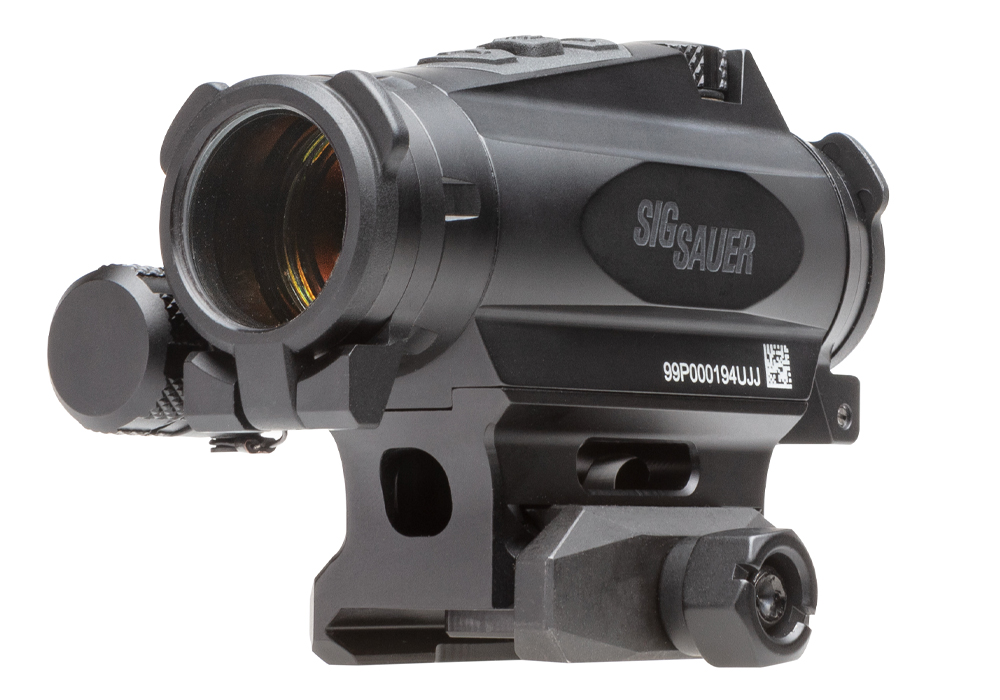
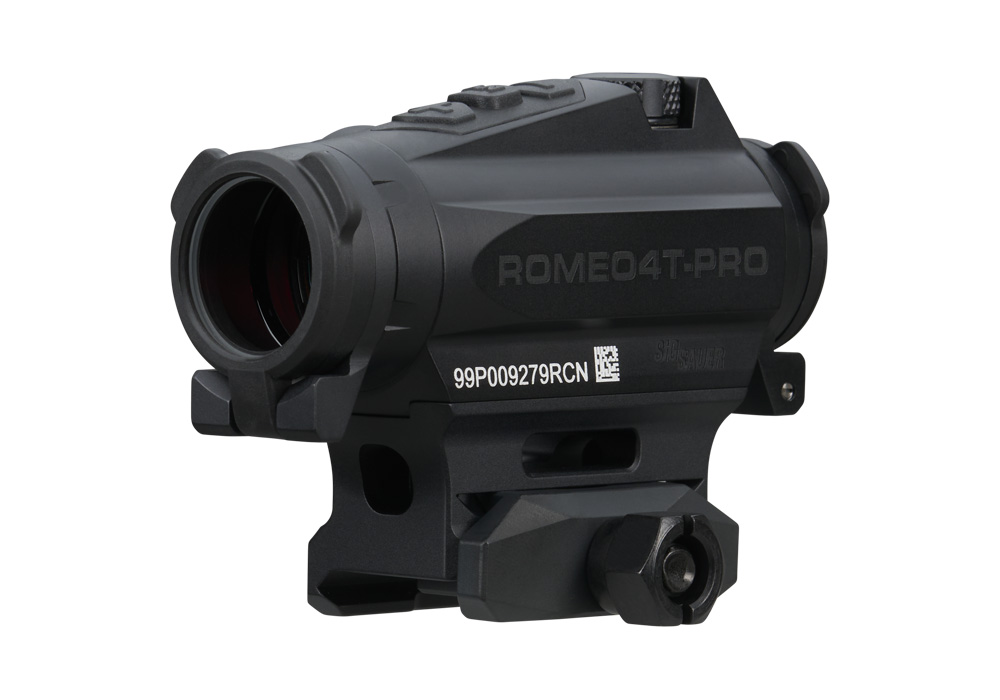
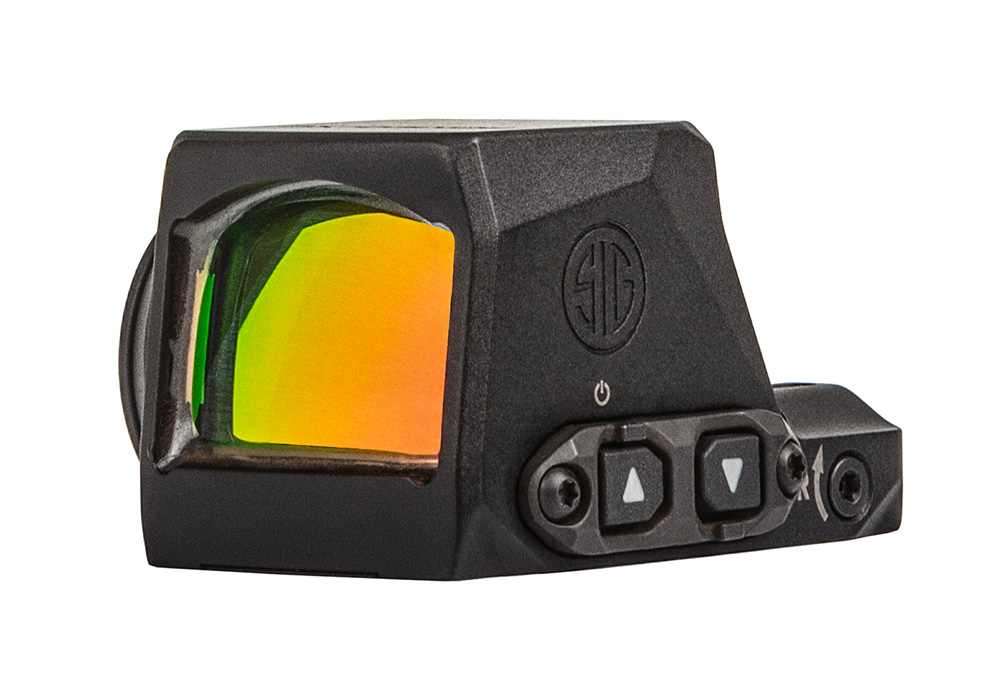
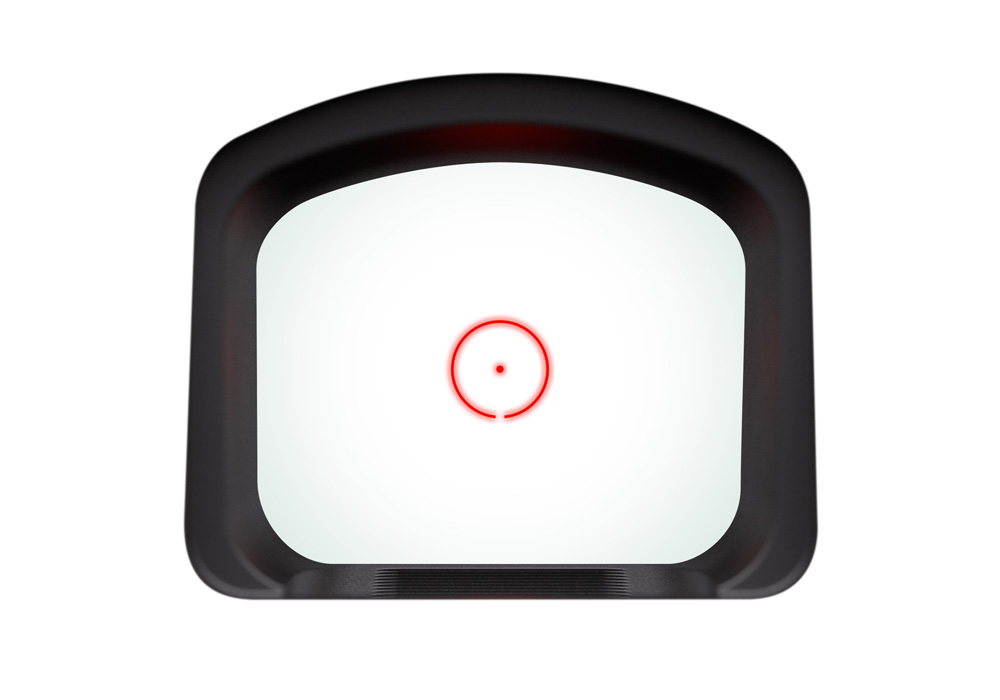
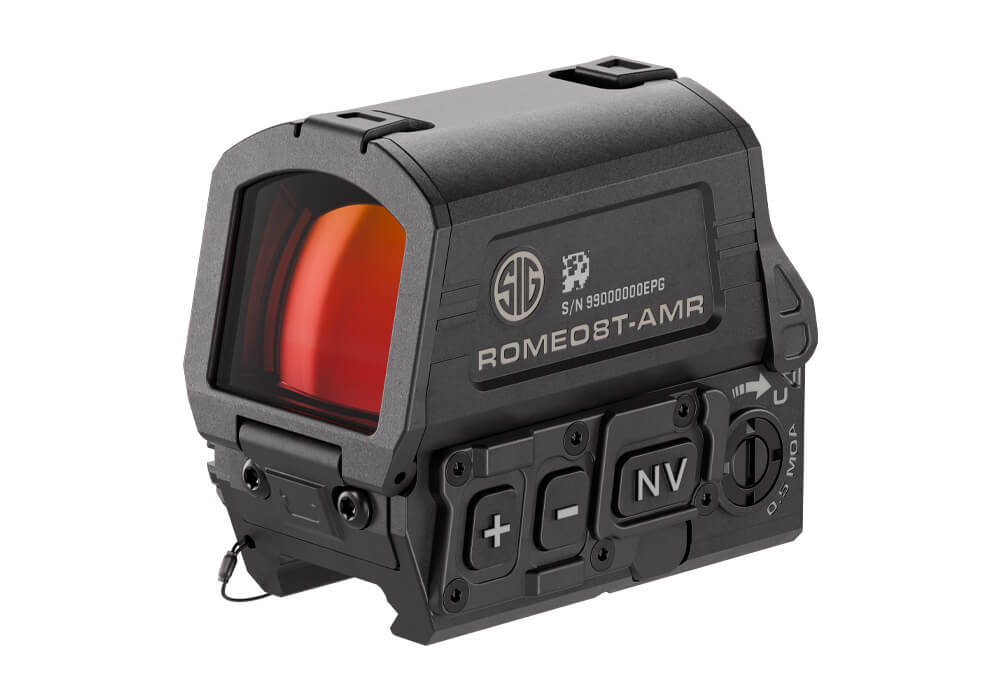
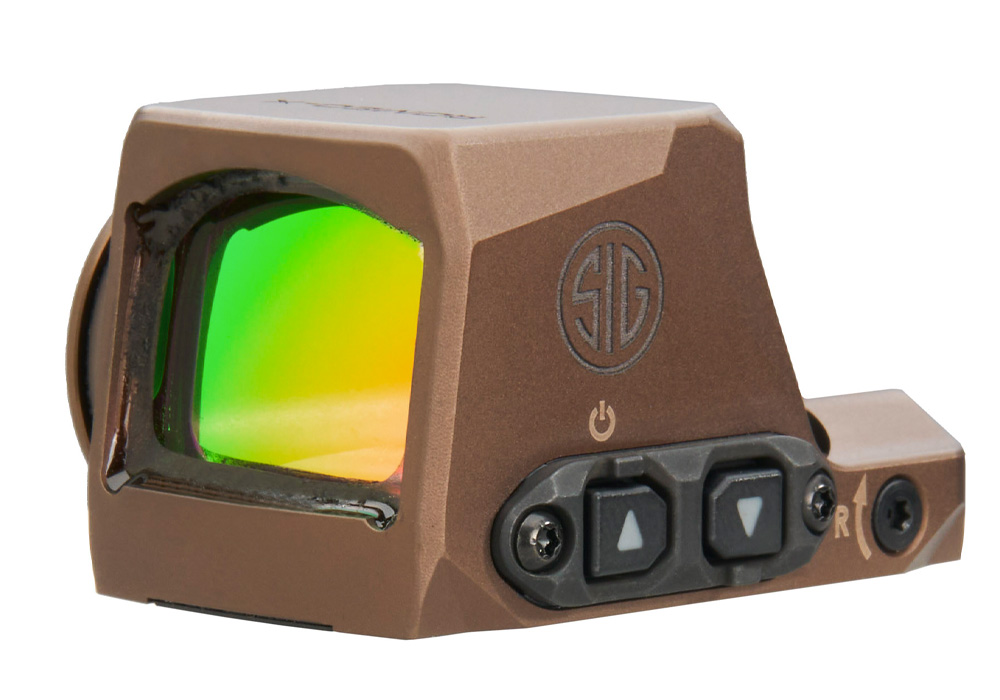
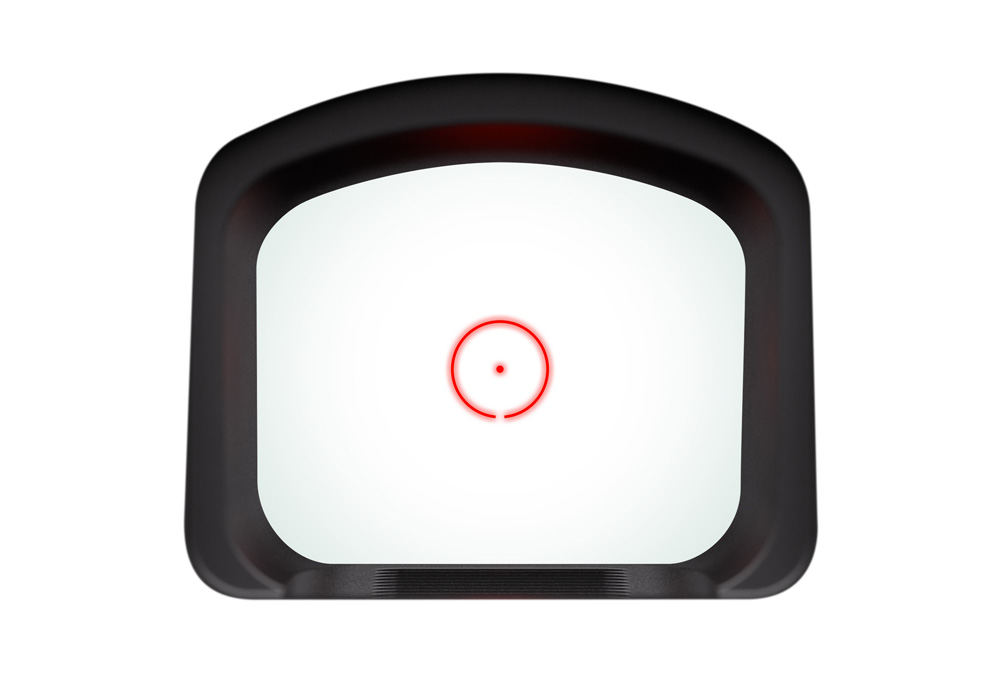
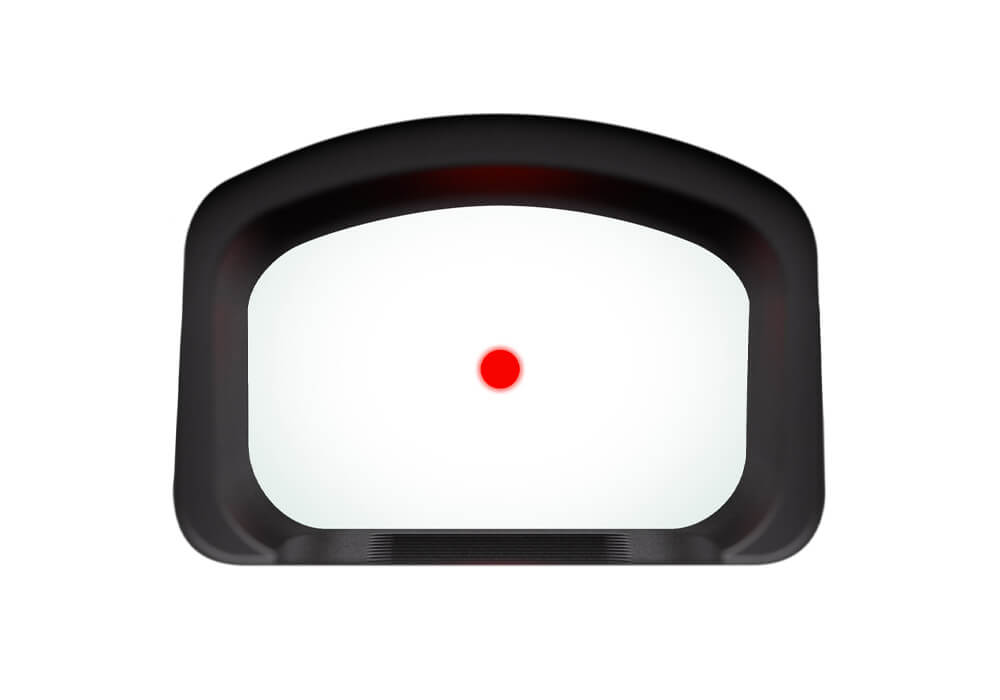
A 50,000-hour battery life rating on a red dot or reflex optic represents approximately 5.7 years of continuous operation under the manufacturer’s stated test conditions. That figure describes battery endurance, not a guaranteed service interval or the lifespan of the sight itself. The brightness setting, battery type, electronics, and testing method all matter, so the conditions behind the rating are as important as the number. Many long-runtime ratings apply at a specified lower or middle illumination setting rather than maximum brightness. A brighter dot generally consumes more power, while motion activation and automatic sleep functions can conserve energy during periods without movement. Those features are distinct from continuous runtime: a sight that rests between range visits may follow a different battery-use pattern than one left illuminated around the clock. Optics with 50k battery life appeal to shooters who value fewer battery changes and a consistent equipment routine, whether the sight accompanies regular practice, organized competition, or hunting where permitted. The practical benefit is less interruption, not freedom from inspection. A quick illumination check before use remains worthwhile even with a long published rating. Dot visibility also deserves attention alongside endurance. A small aiming point can leave more of a distant target visible, while a larger dot may be easier for some shooters to recognize quickly against a busy background. Neither size is universally better, and the apparent shape of an illuminated reticle can vary with eyesight and brightness. Excessive illumination may create a distracting halo, whereas a setting that is too dim can be difficult to distinguish against a bright target. Clearly separated brightness adjustments help match the aiming point to the scene without unnecessary glare. For a shooter moving between a shaded firing position and a brightly lit target area, that usable adjustment range can matter more than an impressive runtime figure alone. Long battery endurance is most meaningful when the optic also delivers a readable aiming point, accessible controls, and predictable operation throughout a normal practice session.
Physical fit determines whether those electronic advantages translate into a comfortable setup. A mounting footprint describes the interface between the optic and its mounting surface, and similar-looking sights do not necessarily share the same screw pattern, locating surfaces, or hardware requirements. Handgun slides, mounting plates, and long-gun mounts each introduce their own compatibility considerations. Correct screw length and the specified fastening procedure help establish a secure connection without interfering with surrounding components. Sight height also affects how naturally the aiming point appears when the firearm is brought into position. On a handgun, a lower mounting arrangement may help preserve a familiar presentation, while a taller setup can change the relationship between the optic and iron sights. On a shoulder-fired firearm, mount height influences head position and cheek contact. These relationships explain why battery endurance should sit alongside fit rather than replace it as a selection priority. Housing materials and construction further distinguish optics intended for frequent use. Aluminum housings are common because they balance structural strength with manageable weight, and protective finishes help resist ordinary surface wear. Lens coatings can support light transmission and reduce reflections, though coated glass still benefits from careful handling. An enclosed emitter places the light source behind protective windows, helping shield it from lint and debris; an open-emitter design leaves that area more exposed and can require closer attention during cleaning. Window dimensions, housing shape, and control placement affect daily handling as well. A broad viewing window may feel forgiving during presentation, but its overall size must still suit the firearm and any holster involved. Buttons should remain reachable without obstructing normal operation, and a battery compartment that can be accessed without removing the sight can simplify routine service. An optic that requires removal for battery replacement may also require a subsequent zero check. For a compact handgun carried in a compatible holster, clearance and secure retention are particularly important; for a range-focused setup, an unobstructed view and comfortable head position may take greater priority.
Care and inspection help preserve the advantages of a long-runtime optic without turning maintenance into a complicated project. Loose grit is best cleared before wiping a lens, since rubbing particles across the surface can scratch coatings. A clean optical cloth and a manufacturer-approved cleaning solution are preferable to abrasive fabric or household chemicals. The emitter area, battery compartment, and mounting interface each have different care requirements, and the owner’s manual remains the reference for approved cleaning methods, battery specifications, and service procedures. Any mounting work or maintenance involving the firearm should begin with it unloaded and ammunition kept separate. Battery contacts should remain clean, compartment seals should sit correctly, and replacement cells should match the specified type. Keeping a record of installation dates and routine checks provides more useful reassurance than relying on memory across several years. A published 50,000-hour rating can support a planned replacement schedule, but it does not account for every individual battery, setting, or pattern of use. Range bags that see regular travel also expose equipment to vibration, rubbing, and accumulated lint, making occasional checks of the housing, controls, and mounting hardware sensible. After mounting changes or significant service, confirming zero helps establish that the aiming point still corresponds with the firearm’s point of impact. For a frequent range visitor, the appeal of extended runtime is a familiar sight picture session after session; for a competitor, it is one less maintenance task competing with practice and equipment preparation. As a gift, an optic is most practical when the recipient’s mounting system, intended use, and preferred controls are already known. Shoppers considering another runtime category can also explore Handgun Optics With 20000 Hour Battery, keeping those same fit and handling priorities in view. The strongest match combines useful battery endurance with secure mounting, durable construction, clear illumination, and maintenance requirements that suit the person using it.