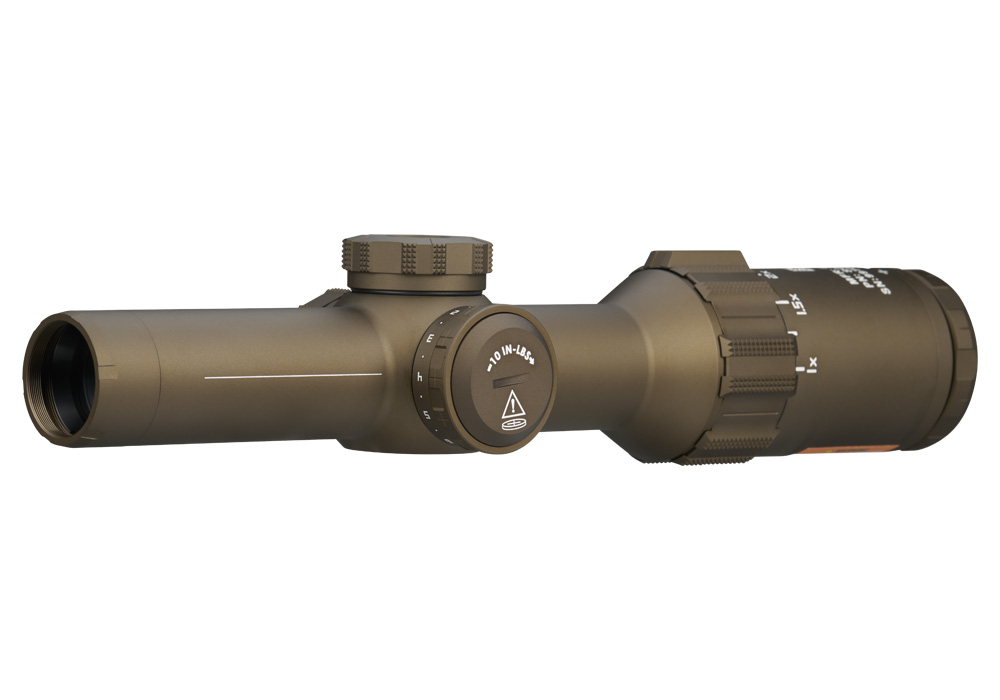
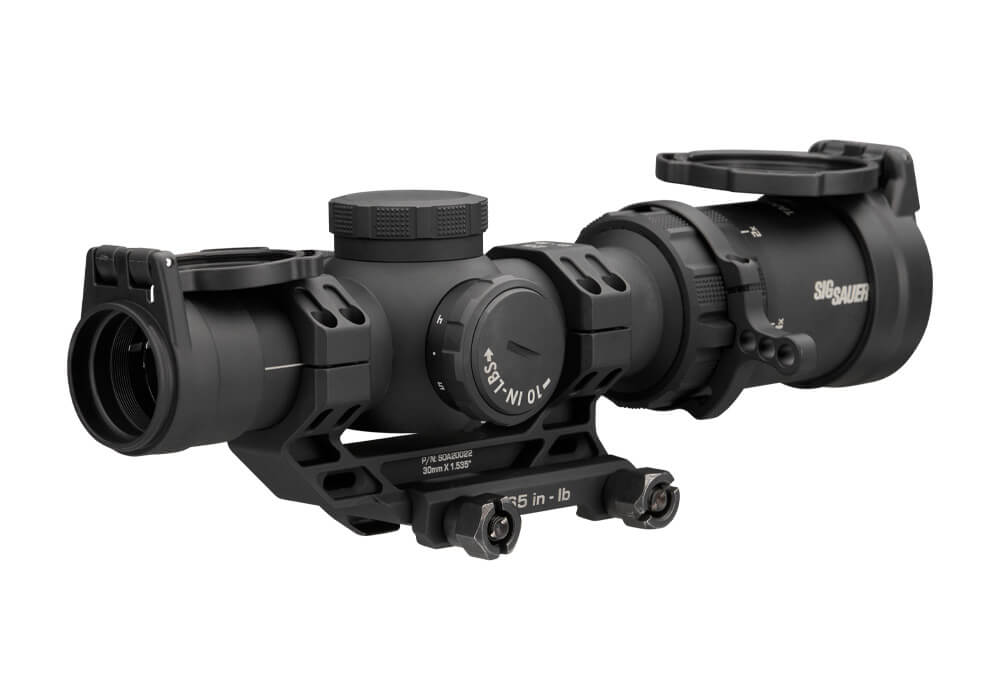
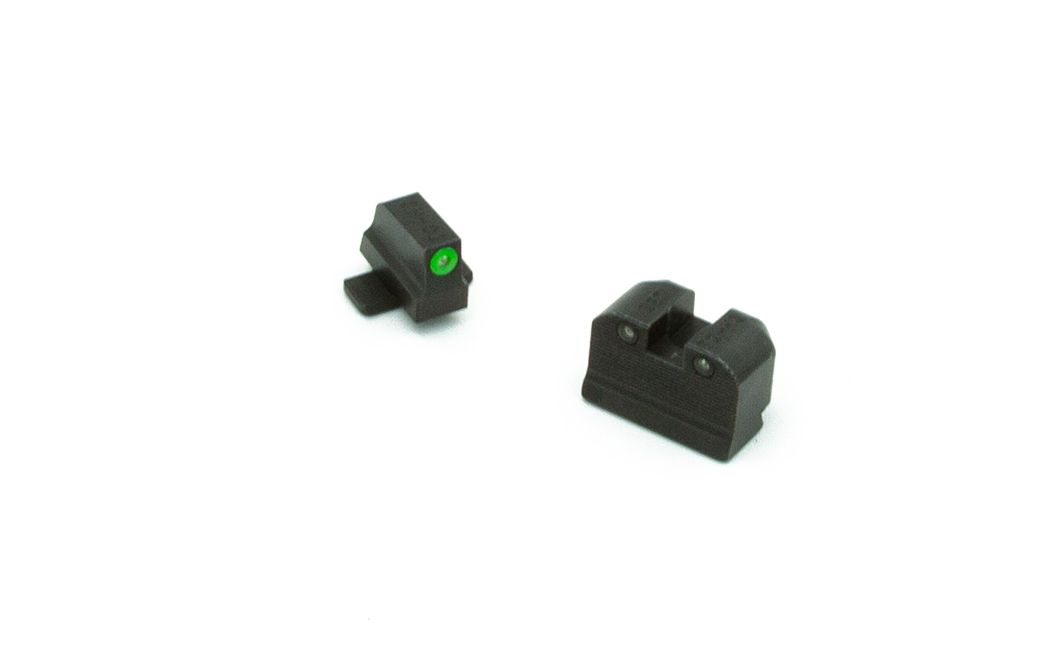
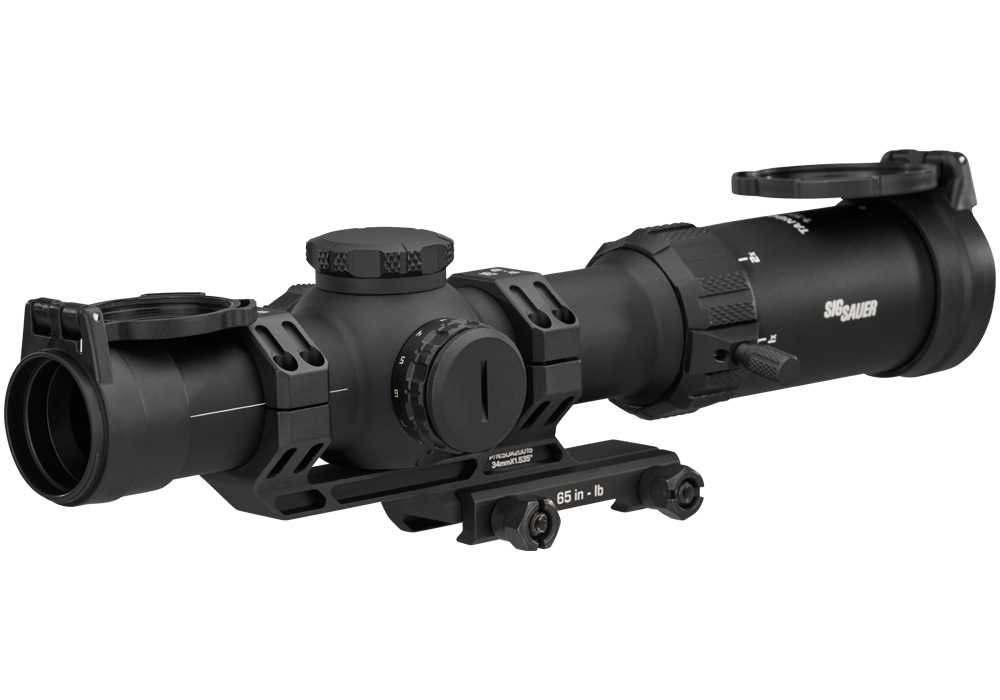
An LPVO optic, or low-power variable optic, is designed to cover the practical middle ground between a non-magnified red dot sight and a traditional higher-power rifle scope. Its magnification range typically begins at 1x and increases to 4x, 6x, 8x, or 10x, giving a rifle a flexible sighting solution for close-to-moderate distances. At the lowest setting, an LPVO can support fast target acquisition with both eyes open, making it useful for dynamic shooting positions, practical rifle training, and situations where a target may appear at varying distances. Turn the magnification ring upward, and the same optic provides a clearer view of smaller or more distant targets, allowing the shooter to make more precise aiming decisions. This versatility is a major reason LPVO scopes have become popular on modern sporting rifles, patrol-style rifles, and general-purpose setups. A 1-6x optic is often considered a balanced choice for everyday versatility, while 1-8x and 1-10x configurations provide additional reach for shooters who expect to spend more time at distance. The best LPVO optic depends on the rifle, ammunition, shooting environment, and the distances most often encountered. A lightweight carbine used on a compact range may benefit from a simpler, lighter configuration, while a rifle intended for longer strings or more deliberate field shooting may justify additional magnification. As the weather warms and outdoor range sessions become more frequent, an LPVO can be especially useful for moving between close paper targets, steel plates, and distant zeroing targets without changing optics. During the cooler months, its flexible magnification can be just as valuable for field practice, property observation where lawful, or recreational shooting from a supported position.
When comparing LPVO optics, pay close attention to the reticle, focal plane, illumination, optical clarity, adjustment system, and overall weight. A first focal plane reticle changes size as magnification changes, keeping its subtensions and holdover references proportionate throughout the range. This can be helpful for shooters who use the reticle for elevation or wind holds at different magnification settings. A second focal plane reticle remains the same apparent size as magnification changes, which can make the center aiming point especially familiar and visible at the lowest setting; however, any calibrated holdovers generally apply at a designated magnification. An etched reticle provides an important measure of dependability because the aiming pattern remains visible even if illumination is turned off or the battery is depleted. Illumination can make the center point faster to see against dark backgrounds, in changing light, or when moving between shaded and bright areas, but it should complement—not replace—a clear, usable daylight reticle. Magnification controls should turn smoothly while remaining secure, and a throw lever may help the shooter move quickly from a wide field of view to a more detailed sight picture. Glass quality matters at every setting, particularly at the upper end, where poor resolution can make small targets appear soft or obscure useful details. Eye relief and eye-box design deserve equal consideration. At 1x, a forgiving sight picture supports rapid alignment; at higher magnification, the shooter must position the eye more precisely behind the optic to avoid shadowing or a dark ring around the image. This is one reason proper stock placement, a consistent cheek weld, and a correctly positioned mount are important parts of the setup. LPVO optics are generally heavier and bulkier than red dot sights, so balance the added capability against the rifle’s handling characteristics. A rifle that feels lively and comfortable in the hands can encourage better practice, while unnecessary weight may become noticeable during extended carry or unsupported shooting.
Mounting is another essential purchase consideration. Many LPVO scopes are sold separately from the mounting system, so verify the tube diameter, mounting height, ring spacing, and compatibility with the rifle’s rail before completing an order. A cantilever mount is commonly used to position the optic far enough forward for proper eye relief while leaving room for the shooter’s preferred stock position and rear accessories. The optic should be mounted securely, leveled carefully, and adjusted according to the manufacturer’s instructions. After installation, confirm the zero at a familiar distance, then test the optic at both its lowest and highest magnification settings. A well-planned zeroing session can reveal whether the eye relief remains comfortable, whether the reticle is easy to use in different lighting, and whether the rifle’s balance suits the intended role. For a clean, understated setup, explore Black LPVO Scopes and consider how the finish, optic size, and mounting choice will work with the rest of the rifle. An LPVO can also be a thoughtful gift for an experienced shooter building a versatile rifle, provided the recipient’s rail system, tube size, preferred reticle style, and intended distances are known. For a first-time buyer, a conversation about the rifle and typical range use is more helpful than choosing solely by maximum magnification. Someone who spends most sessions at close range may value a bright, uncluttered reticle and generous eye box more than extreme zoom, while a shooter who regularly works from supported positions may appreciate added magnification and detailed holdover references. Store and transport the optic with its protective covers in place, avoid unnecessary impacts, and check mounting tension and zero after substantial travel or hard use. With thoughtful selection and a careful setup, an LPVO optic gives one rifle a broad, practical sighting range without requiring the shooter to change optics whenever the target distance changes.