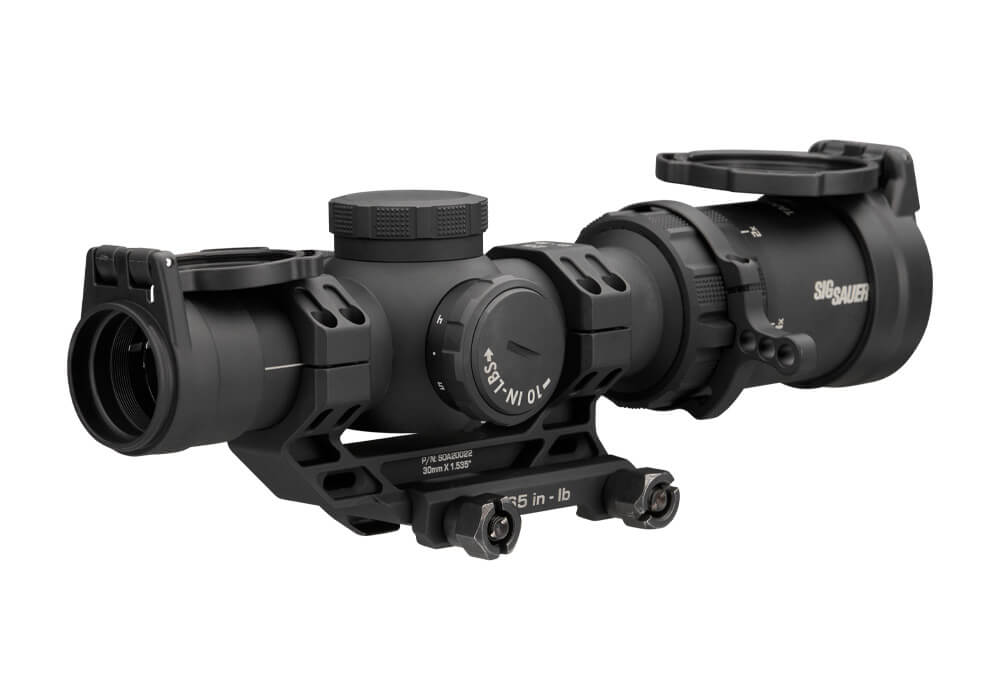
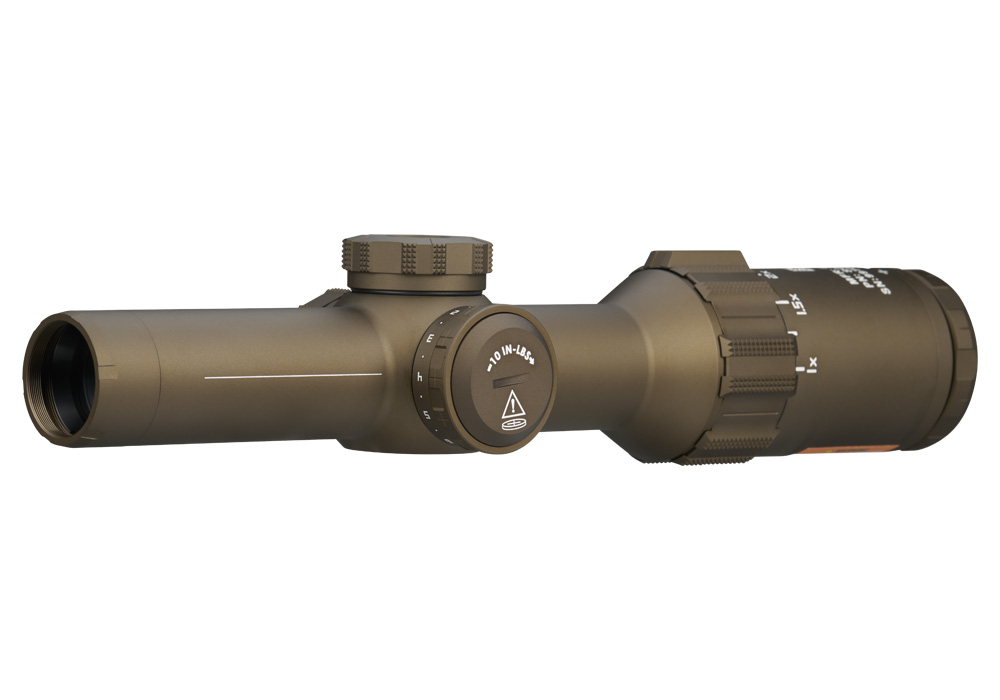
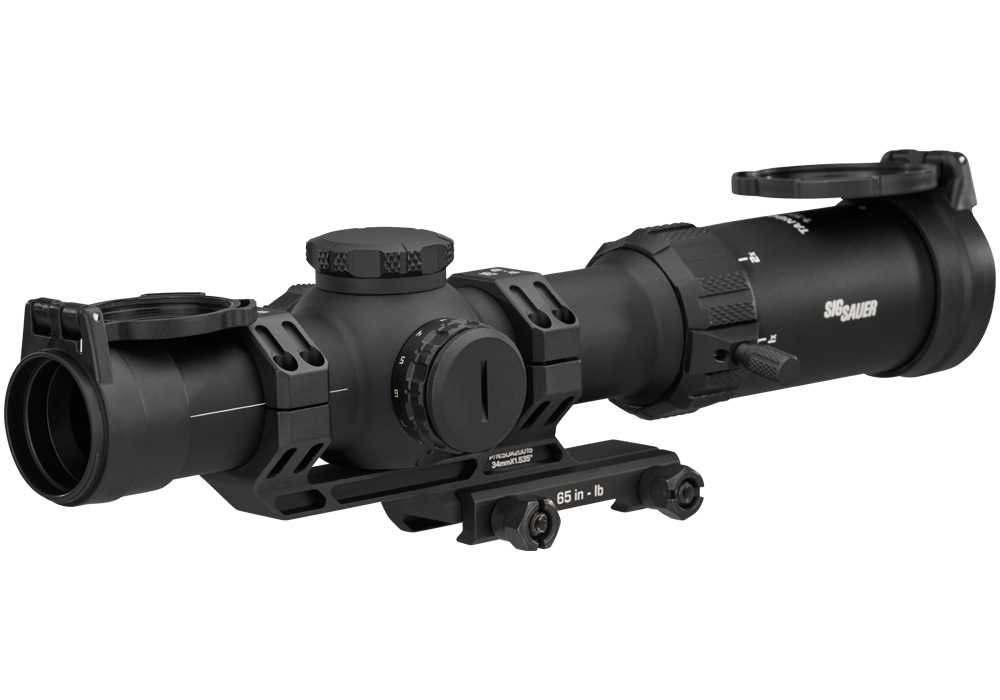
Low-power variable-power optics (LPVOs) are designed to give AR-platform rifles a flexible sighting solution across a broad range of distances. At the lowest magnification, often 1x, an LPVO can provide a bright, familiar aiming reference for fast target acquisition and situational awareness, while higher settings such as 4x, 6x, 8x, or 10x help reveal finer details and support more precise shot placement at extended distances. This combination makes an LPVO a practical choice for an AR-15 carbine, an AR-10-style rifle, or another modern sporting rifle configured for range use, competition, training, hunting, or general-purpose applications. A 1-6x model is often a balanced option for a lightweight 5.56 rifle used from close distances through roughly 300 yards, while an optic with 1-8x or 1-10x magnification may appeal to shooters who want additional reach for smaller targets, open terrain, or larger-caliber platforms. More magnification can be useful, but it may also add weight and make the sight picture less forgiving at the lowest setting. The right LPVO depends on how the rifle feels in hand, how far the shooter typically works, and whether quick handling or detailed aiming takes priority. Someone who spends cooler months practicing from improvised field positions may value a compact optic that keeps the rifle nimble, while a range-focused shooter may prefer a larger objective and greater magnification for careful work from a supported position. LPVO scopes can also make thoughtful gifts for a new rifle owner, a competitive shooter refining an existing setup, or an experienced enthusiast who wants to expand the usefulness of an AR platform without changing its basic configuration. Before choosing, consider the rifle’s caliber, barrel length, intended ammunition, typical target size, and the balance of the complete firearm rather than evaluating the optic in isolation.
Reticle design and focal-plane placement deserve close attention because they influence how an LPVO behaves as magnification changes. A first focal plane reticle grows and shrinks with the image, allowing ranging references and bullet-drop compensation marks to remain proportionally useful across the optic’s magnification range. This can be especially convenient for shooters who move between magnification settings as distance, light, or target detail changes. A second focal plane reticle remains the same apparent size while the image enlarges, which can provide a bold, easy-to-see aiming point at lower magnification and a clean sight picture at higher power. In many second focal plane designs, the calibrated holdover references are intended for use at a particular magnification, commonly the highest setting, so the product specifications should be reviewed carefully. Illuminated reticles can make the central aiming point easier to identify against dark backgrounds, shaded tree lines, or changing light during an outdoor session, while daylight-visible illumination, brightness controls, and an off position can improve practical usability. Glass quality also matters. A clear image, controlled glare, useful contrast, and consistent edge performance can make it easier to distinguish a small target from surrounding brush or a distant target against uneven terrain. Eye relief and eye-box design are equally important on an AR platform, where the shooter may bring the rifle to the shoulder from a variety of positions. A forgiving eye box helps produce a full sight picture without requiring the shooter’s head to be perfectly aligned every time. When comparing options, look at the field of view at 1x, the true low-power experience, adjustment range, turret style, reticle illumination, battery access, and the optic’s resistance to dust, moisture, and recoil. The lowest setting should feel fast and natural rather than like a narrow conventional scope, and the highest setting should provide enough detail for the distances the rifle is likely to be used. A careful comparison of these features can prevent the common mistake of choosing maximum magnification while overlooking the handling qualities that make an LPVO useful in the first place.
Mounting and setup are essential parts of selecting an LPVO for an AR platform. Most LPVOs use a 30mm or 34mm main tube and require a compatible one-piece cantilever mount or properly matched scope rings. On a flat-top receiver, a cantilever mount generally positions the optic far enough forward to provide usable eye relief while keeping the sight secure and aligned with the rifle. Mount height should also be considered alongside the shooter’s stock position, cheek weld, backup sights, and any accessories mounted on the handguard or receiver. A mount that is too low may interfere with the rifle’s controls or produce an uncomfortable head position, while excessive height can make a consistent cheek weld more difficult. The optic, mount, and rifle should be treated as one system, with attention paid to weight, balance, clearance, and the manufacturer’s torque specifications. After installation, a proper sight-in process helps confirm that the reticle and adjustments correspond to the selected ammunition and intended distance; users should follow safe firearm-handling practices and perform all work with the rifle unloaded and pointed in a safe direction. As the weather warms, an LPVO can support informal practice, zero confirmation, and outdoor training, while during the cooler months its magnification range can be useful for evaluating targets in changing light and varied terrain. Shooters seeking additional reach can also explore Long Range LPVO Scopes when comparing magnification and precision-oriented configurations. Whether the goal is a streamlined carbine for quick handling, a versatile hunting rifle, a competition setup, or a carefully assembled range platform, the strongest choice is the optic that matches the rifle, the shooter’s sight picture, and the distances that will actually be used.