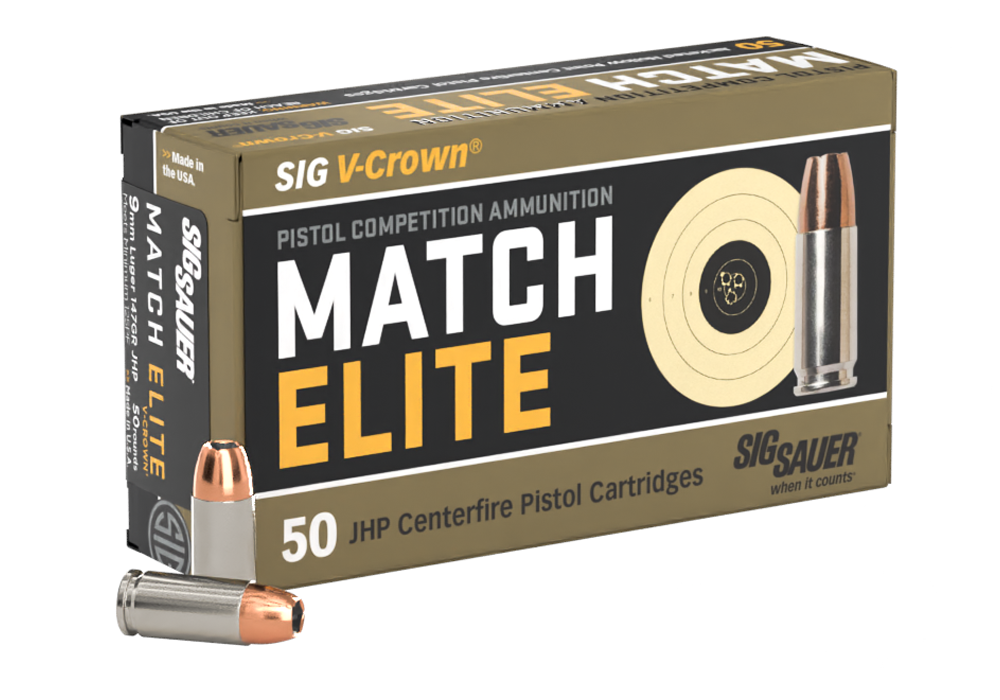
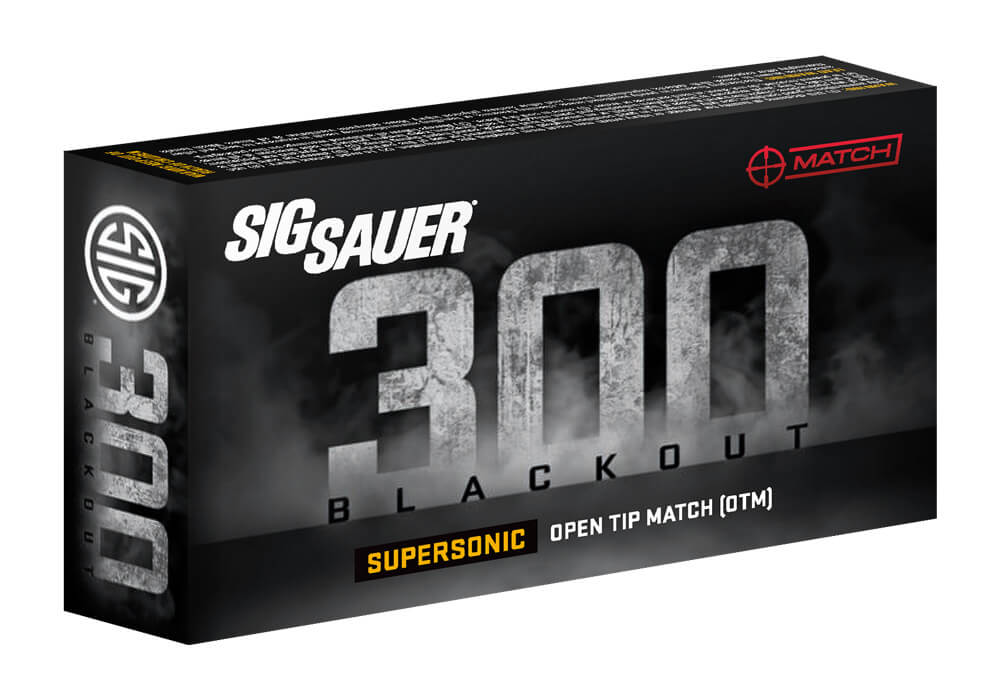
Match cartridges are ammunition designed to support precision target shooting through consistent components, closely controlled assembly, and attention to shot-to-shot performance. Often described as match grade ammunition, these cartridges are intended for shooters who value repeatable results on paper targets, steel targets, and competition courses. Their defining characteristic is consistency rather than a particular bullet shape or cartridge size. Case dimensions, bullet weight and geometry, primer performance, and propellant uniformity can all influence how consistently ammunition performs. Match ammunition typically places greater emphasis on controlling variation in these areas than general-purpose practice ammunition, although manufacturing methods and testing standards differ. The term “match grade” has no single, universally enforced performance standard, and the label alone does not guarantee a particular group size. Actual results depend on the firearm, ammunition compatibility, shooter technique, and testing conditions. Many centerfire rifle match cartridges feature bullets with streamlined profiles, including open-tip or tipped designs and tapered boat-tail bases that help reduce aerodynamic drag. An open tip on a match bullet can reflect its manufacturing design rather than an intent to expand on impact, so appearance alone does not establish suitability for hunting or personal protection. Match cartridges belong first and foremost in the context of their stated target or competition application. Consistent velocity is another important consideration because differences in bullet speed can contribute to vertical dispersion over longer distances. However, no single velocity figure or advertised accuracy claim describes every firearm and ammunition combination. For a competitor studying a cluster of holes on a scoring target, the appeal is ammunition that contributes as little unexplained variation as possible. For a recreational target shooter, it may be the confidence of using cartridges developed with precision as a primary objective. In both cases, match ammunition supports a repeatable shooting experience without replacing the fundamentals or promising identical results from every barrel. That distinction separates a meaningful product category from an accuracy claim that cannot account for the complete shooting setup.
Materials and construction give match cartridges much of their character, but suitability starts with the firearm’s exact chambering and its manufacturer’s ammunition requirements. Similar names or external dimensions do not make cartridges interchangeable. The cartridge designation on the packaging must correspond to ammunition expressly permitted for the firearm, and any additional manufacturer restrictions remain important. Within a compatible chambering, bullet weight, profile, and overall cartridge configuration can affect suitability for a particular firearm and shooting discipline. Barrel specifications, including rifling twist, may influence which factory-loaded bullet designs are appropriate; manufacturer recommendations provide a better basis for selection than appearance or assumptions. Shooters browsing a narrower category can explore 6mm Cartridges while keeping exact chambering and intended use central to the comparison. Brass cases are common in centerfire match ammunition because they offer useful forming characteristics and dimensional consistency. Many match bullets combine a lead core with a copper-alloy jacket, while other constructions are also possible. Neither a particular material nor a polished finish establishes match quality by itself. The relationship between the components, manufacturing controls, and documented testing matters more than cosmetic details. Packaging descriptions may identify bullet construction, weight, intended application, and published ballistic information, giving shoppers concrete points of comparison without requiring unsupported assumptions about performance. Published velocity figures also reflect specified test conditions and may differ from results in another firearm. Intended use helps put those details into perspective. Formal target competitors may need ammunition that conforms to discipline rules and range requirements, while dedicated recreational shooters may prioritize dependable results during deliberate target sessions. Some shooters use match cartridges when evaluating a firearm’s precision potential, where ammunition consistency helps make the results more informative. Others prefer them for organized club matches or focused practice that resembles their competition routine. Not every target session calls for the same characteristics, and a match designation does not automatically make ammunition the best fit for every purpose. Compatibility, permitted projectile construction, and the manufacturer’s stated application remain more useful distinctions than broad claims of superiority.
Care and storage help preserve the condition of match cartridges between shooting sessions. Ammunition is not a product that benefits from polishing, lubricating, or routine disassembly; preserving its original condition is the priority. Original packaging protects cartridges from unnecessary handling and keeps essential information together, including the cartridge designation, bullet description, safety notices, and lot identification. Those details are especially useful when comparing observations across separate range visits or contacting the manufacturer with a question. Cartridge cases provide protection for their internal components, but ammunition should not be treated as indestructible or assumed to be waterproof. Exposure to moisture, cleaning solvents, oils, and other contaminants can compromise reliability or leave the condition of a cartridge uncertain. Secure storage in accordance with manufacturer guidance, inaccessible to children and unauthorized users, supports both product care and responsible ownership. Before use, visible corrosion, damaged cases, loose bullets, or other irregularities warrant setting the affected ammunition aside and seeking manufacturer guidance rather than attempting a repair. Keeping packaging intact also makes it easier to avoid mixing cartridges that look similar but have different specifications. On the range, durable packaging and clear labels offer a practical benefit: the ammunition arriving at the firing point remains identifiable and protected until needed. For shooters who keep a range notebook, retaining the lot number provides context for their observations without implying that every lot will perform identically. Expectations should remain equally well organized. A tight group from one firearm is not a universal promise, and a match label is not proof that a cartridge meets a particular competition rule. Meaningful product descriptions distinguish intended use, construction, compatibility, and published test information from guaranteed outcomes. Match cartridges serve shooters who appreciate those distinctions and want ammunition developed around consistency rather than a general-purpose brief. Whether the setting is a scored match, a club target event, or a deliberate practice session, their value lies in supporting careful, repeatable shooting with appropriate factory-loaded ammunition. The strongest fit is a cartridge whose specifications match the firearm, whose design suits the activity, and whose condition has been preserved from its original packaging to the range.