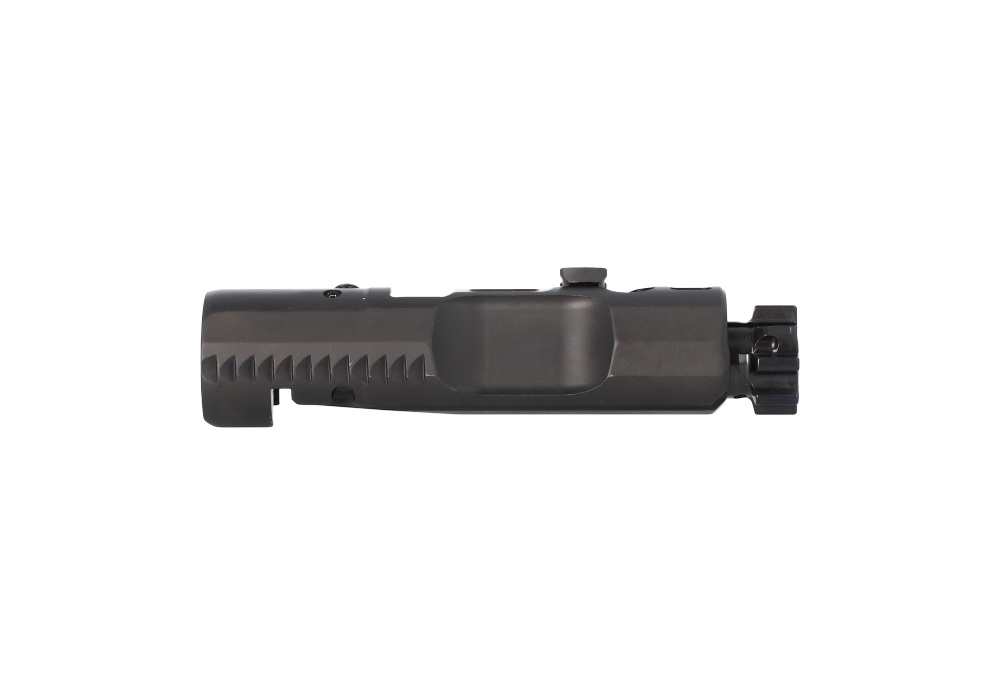
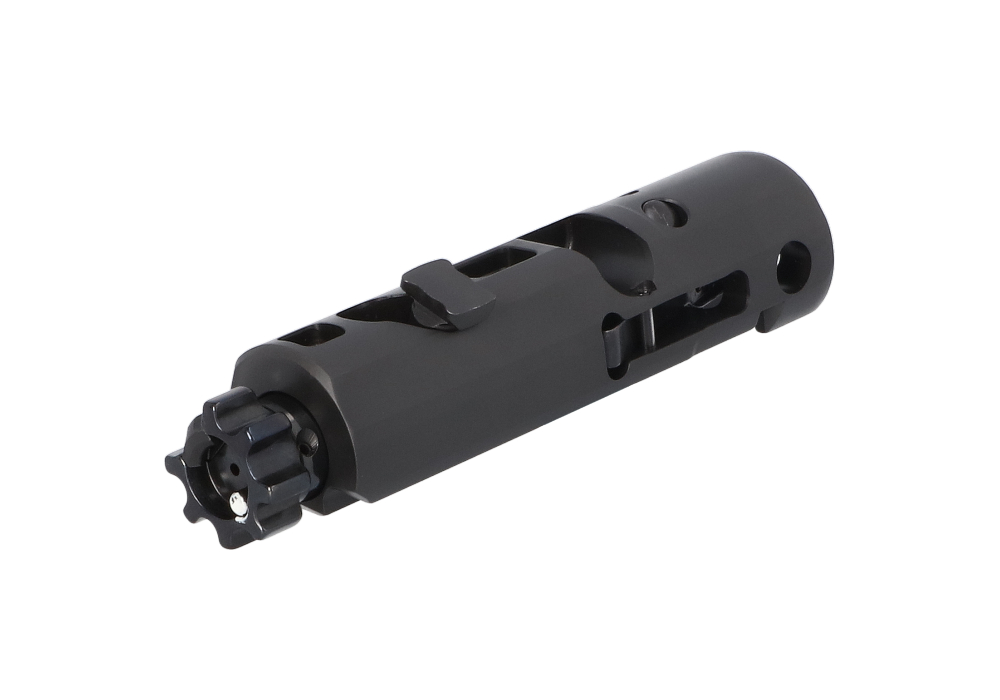
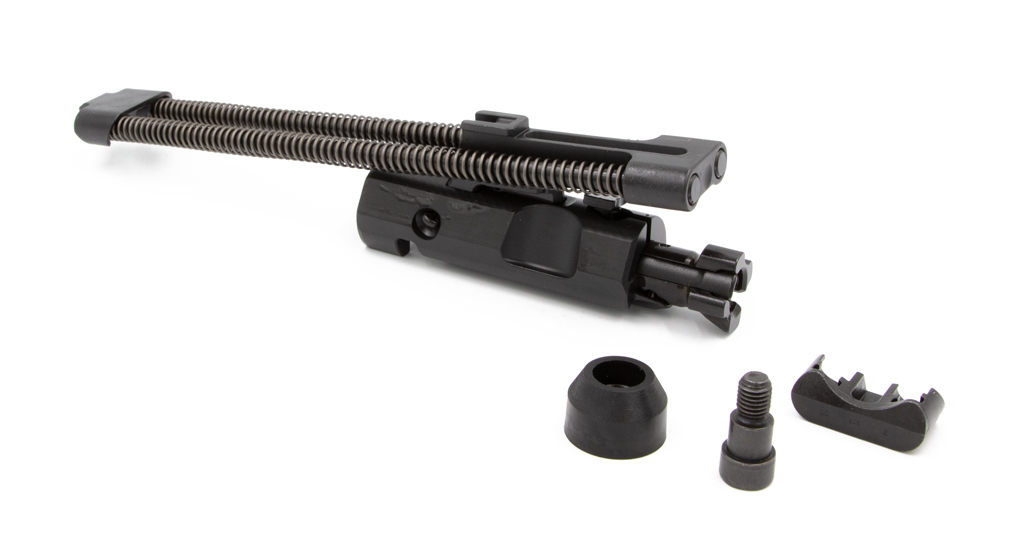
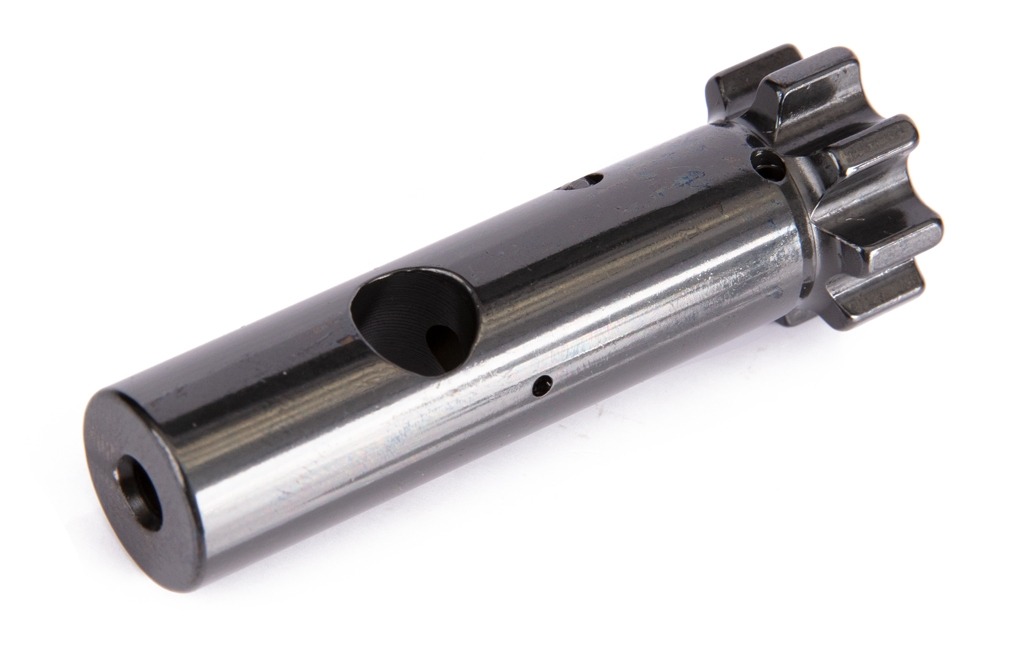
Bolt carriers are central to the operation of many modern rifles, including AR-pattern firearms. Working inside the upper receiver, the carrier moves rearward and forward each time the firearm cycles. When a shot is fired, expanding gas is directed through the barrel’s gas system and acts on the carrier, driving it rearward. That movement unlocks and withdraws the bolt, extracts the fired cartridge case, cocks the hammer, and compresses the recoil spring. As the carrier returns forward, the bolt strips a fresh cartridge from the magazine, chambers it, and rotates into a locked position. In practical terms, the bolt carrier is the moving assembly that connects the firearm’s gas system, bolt, recoil system, and trigger operation into one repeating cycle. A complete bolt carrier assembly may include the carrier, bolt, gas key, cam pin, firing pin, retaining pin, and related components, although the exact contents can vary. The gas key receives pressure from the gas tube or piston system, the cam pin guides the bolt’s rotation, and the bolt lugs engage the barrel extension to lock the action before firing. Because these parts work together under heat, pressure, and repeated impact, a properly matched and correctly installed assembly is essential for dependable function. Shooters selecting bolt carriers for a new build, a replacement, or a maintenance project should begin by confirming the firearm’s chambering and operating system. A carrier intended for a direct-impingement setup may not be the right choice for a piston-driven firearm, and a part suited to one caliber or bolt specification may not be appropriate for another. The receiver pattern, barrel extension, gas system, and manufacturer’s recommendations all matter when determining compatibility.
When comparing bolt carriers, examine the complete specification rather than focusing on appearance alone. Carrier dimensions, bolt material, surface treatment, gas-key attachment, firing-pin configuration, and included components can all affect installation and service life. The bolt and barrel extension must be compatible, and the gas key should be properly secured and staked where applicable. A carrier with a standard profile is often a practical choice for general-purpose rifles, training firearms, and everyday range use, while an extended or specialized configuration may be selected for a particular build, operating system, or competition setup. Weight can also influence how the action behaves. A lighter assembly may be part of a carefully tuned rifle, while a standard-weight assembly can provide a familiar operating baseline across a broad range of configurations. Neither choice replaces the need to match the carrier to the rest of the firearm. Barrel length, gas-system length, ammunition, buffer weight, recoil spring, and muzzle device can all influence cycling. Shooters who are replacing only one component should compare the existing bolt face, extractor, ejector, firing pin, and cam-pin dimensions before ordering. Those assembling a rifle from separate components should keep a record of the chambering and major specifications so each part can be checked before installation. The Carbine Bolt Carrier Assemblies category is a useful place to compare options intended for carbine-pattern platforms, with attention to whether the selection includes a complete assembly or only the carrier body. A complete assembly can simplify a replacement project, while individual components may suit a builder who is matching a specific bolt, carrier, or internal part. In either case, careful inspection is worthwhile: look for smooth bearing surfaces, an undamaged gas key, secure fasteners, clean bolt lugs, and a properly retained firing pin. Any sign of cracking, peening, unusual wear, or gas leakage should be addressed before the firearm is used.
Bolt carriers are commonly selected by builders finishing an upper receiver, owners refreshing a well-used rifle, competitors tuning a competition gun, and shooters keeping spare operating components on hand for training or extended range sessions. They can also be a practical gift for an experienced firearm enthusiast who maintains their own equipment, although compatibility details make them better suited to a thoughtful, specification-based purchase than a blind surprise. A shooter who spends cooler days at the range may appreciate having a replacement assembly ready before a long practice session, especially when the rifle is used regularly for drills, sight-in work, or recreational target shooting. For someone who enjoys detailed maintenance, a bolt carrier assembly can be part of a broader cleaning and inspection routine: the carrier is removed, carbon is wiped from the appropriate surfaces, the gas key and bolt are checked, lubrication is applied according to the firearm manufacturer’s instructions, and the assembly is reinstalled with the action verified before live fire. Maintenance should never be used to overlook a safety concern. Always unload the firearm, remove the magazine, inspect the chamber, and follow established handling procedures before removing or installing parts. After installation, function checks should be performed with the firearm unloaded, and live-fire testing should begin in a controlled environment with appropriate eye and ear protection. If a carrier does not move smoothly, the bolt fails to lock, the firearm shows signs of excessive gas, or cycling becomes inconsistent, stop using it and consult a qualified gunsmith or the firearm manufacturer. With the correct specifications and careful installation, a well-matched bolt carrier assembly supports the reliable extraction, ejection, chambering, locking, and firing sequence that shooters depend on every time they press the trigger.