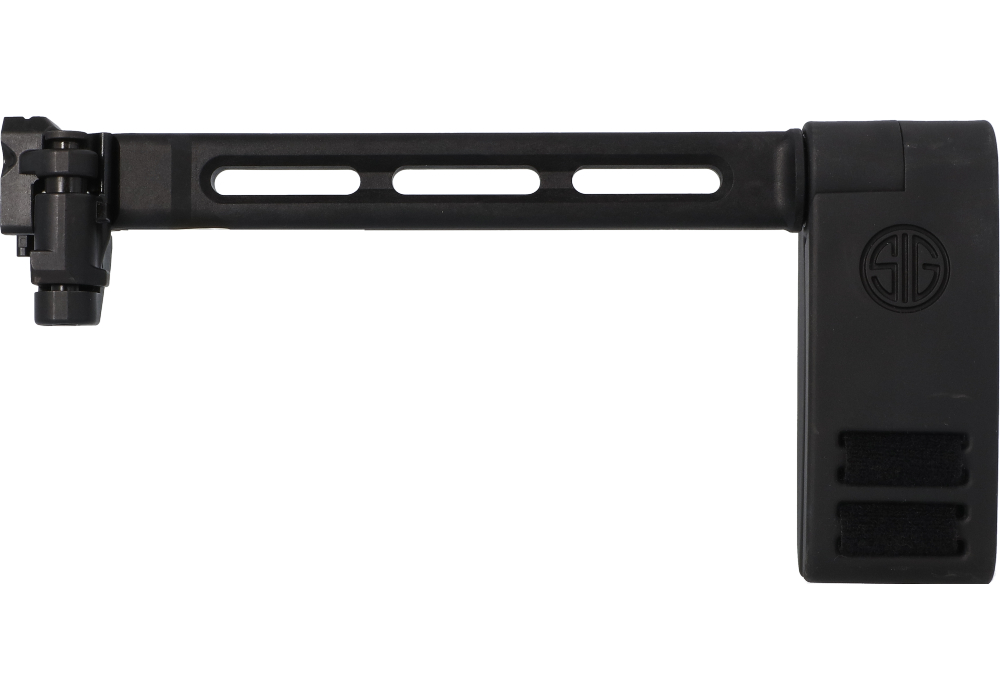
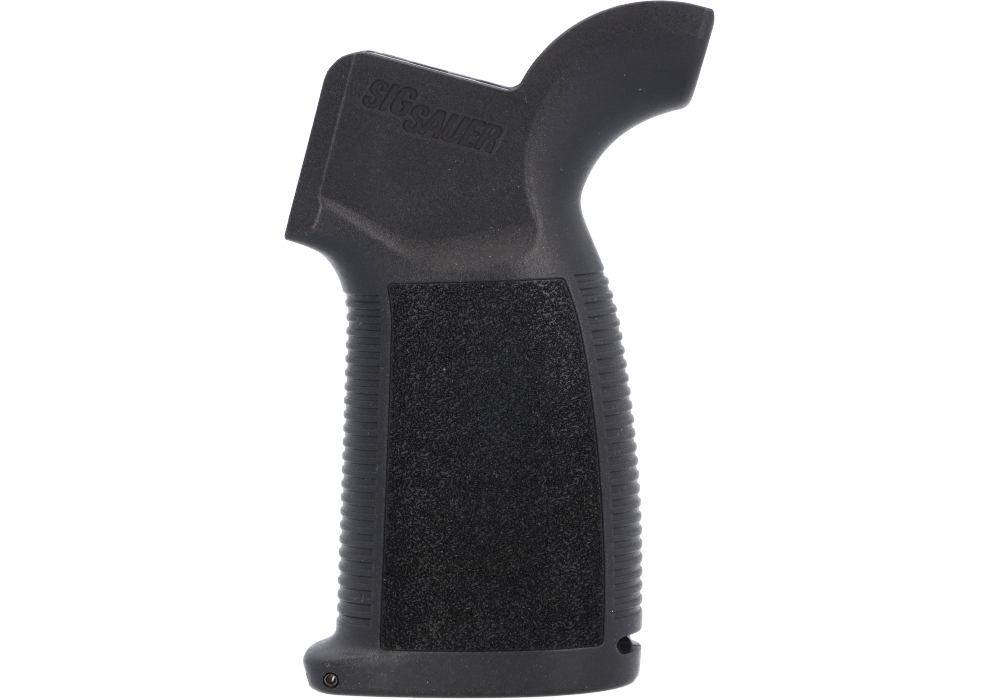
MCX firearm parts support the upkeep, fit, and long-term service of a modular firearm platform, from larger assemblies to the small hardware that helps keep components properly secured. The category can encompass barrels, bolt carrier groups, piston and gas system components, handguards, stocks, charging handles, controls, and replacement hardware. These groups serve different purposes, so identifying the correct component starts with the firearm’s exact model, generation, and existing configuration rather than appearance alone. A part described for the MCX platform is not necessarily compatible with every version. Attachment interfaces, dimensions, and surrounding assemblies can differ, and similar-looking components may have distinct fit requirements. For an owner replacing a worn component, the most useful details are the manufacturer’s stated application, the component identifier, and any compatibility limitations in the listing. For someone maintaining several firearms, keeping those details associated with each firearm helps prevent confusion between parts that look nearly identical in a storage tray. Factory replacement components and third-party alternatives should both be evaluated against documented fit information; a familiar shape or broadly worded description is not a substitute for a confirmed match. Kit contents deserve the same attention. A kit may group related hardware or service components, but its name alone does not establish that it includes everything needed for a particular maintenance task. Clear descriptions of included pieces, intended application, and any exclusions help distinguish a suitable replacement from a superficially similar option. Shoppers comparing grouped components can also review Geissele MCX Parts Kits, with the same emphasis on the stated contents and compatibility of each listing. The practical goal is straightforward: select parts that correspond to the firearm’s documented specifications and the owner’s actual maintenance needs. That approach is useful whether the firearm sees regular range use, accompanies an experienced owner into the field where lawful, or spends much of its time securely stored between supervised practice sessions.
Materials and construction influence how firearm parts feel, wear, and respond to routine care, but those qualities need to be considered in the context of each component’s job. Steel is commonly used where strength and wear resistance are important, while aluminum can provide a useful balance of rigidity and weight in external structures. Polymer may appear in furniture and other components where texture, shape, and handling comfort matter. Material names alone do not establish quality or suitability. Dimensions, manufacturing tolerances, surface treatments, and the intended application all contribute to whether a component is appropriate for a particular firearm. An exterior finish may help protect a surface and simplify cleaning, but it does not eliminate the need for inspection or proper storage. Likewise, a lighter component is not automatically the better choice, and a heavier one is not automatically more durable. The relevant question is how the part meets the requirements of its position within the platform. For handguards and other external components, shoppers may consider overall dimensions, surface texture, attachment compatibility, and how the shape feels during ordinary handling. Someone who spends a full session at a range bench may notice pressure points or an awkward reach that were less apparent during a brief inspection. An owner who transports a firearm in a fitted case may also need to account for exterior dimensions without assuming that a different component will work with existing storage arrangements. Consistency can matter more than novelty: a familiar control layout and comfortable contact surfaces may be preferable to an unfamiliar configuration chosen mainly for appearance. These considerations should remain separate from claims about accuracy, reliability, or service life, which cannot be established by a finish or material description alone. For MCX replacement parts, documented compatibility and appropriate construction provide a firmer basis for selection than cosmetic similarity. Any component that affects firearm function warrants particular care in selection and professional evaluation when the owner is uncertain about its suitability.
Care and recordkeeping help protect the value of correctly selected MCX firearm parts over time. Routine cleaning and inspection should follow the firearm manufacturer’s instructions, including its recommendations for cleaning products, lubrication, and service intervals. Stronger solvents, abrasive tools, or improvised treatments are not necessarily better, especially where protective finishes or polymer components are involved. Visible damage, unusual wear, corrosion, or a change in normal function calls for qualified assessment rather than guesswork. Before any inspection or maintenance, the firearm should be unloaded and handled according to established firearm safety practices, with ammunition kept separate from the work area. Installation and service work should stay within the manufacturer’s guidance and the owner’s level of training; uncertain fit, safety-related components, and work requiring specialized tools belong with a qualified gunsmith or authorized service provider. Small replacement hardware also benefits from orderly storage. Keeping components in labeled packaging, retaining the original descriptions, and noting the firearm configuration they correspond to can spare an owner the frustration of sorting unmarked pieces later. A modest maintenance record can be useful for documenting professional service, identifying previously installed replacements, and preserving a clear history when ownership changes. For a shopper purchasing on behalf of another owner, exact compatibility is more important than the surprise of the gift. A confirmed component reference or an agreed-upon maintenance need is a better starting point than an assumption based on the firearm’s general appearance. Firearm parts can also carry legal considerations, and certain components or configurations may be subject to federal, state, or local requirements. Confirming those requirements is part of responsible selection, particularly when a component could change the firearm’s configuration. Across routine replacement, professional servicing, and planned ownership needs, careful attention to fit, materials, documentation, and care keeps the focus on appropriate parts rather than unnecessary changes. The result is a more organized approach to maintaining the platform, with fewer uncertainties about what a component is intended to do and where it belongs.