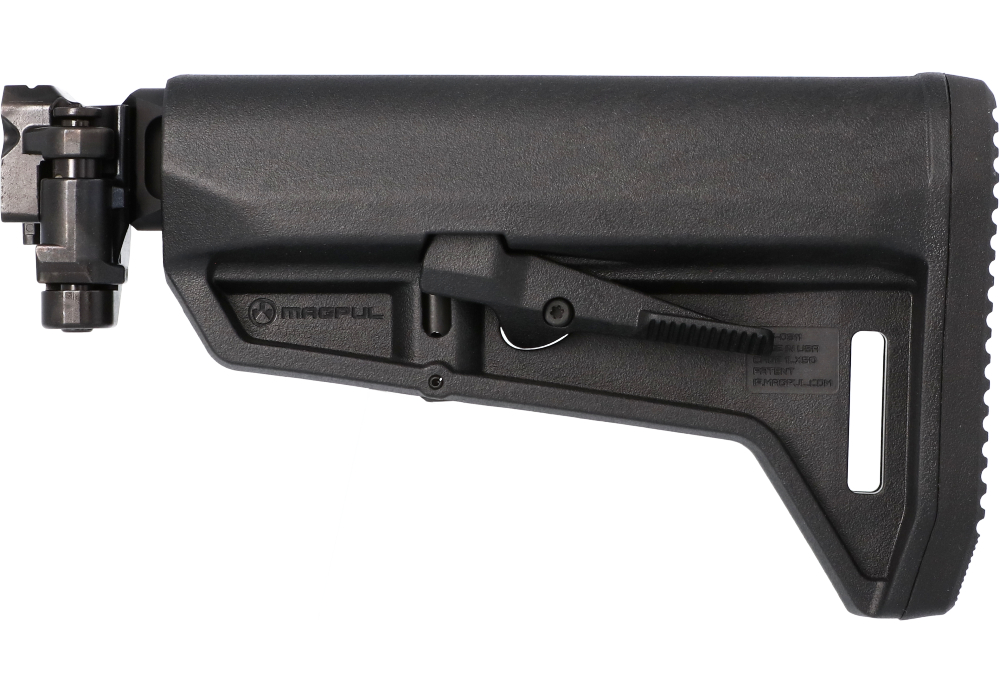
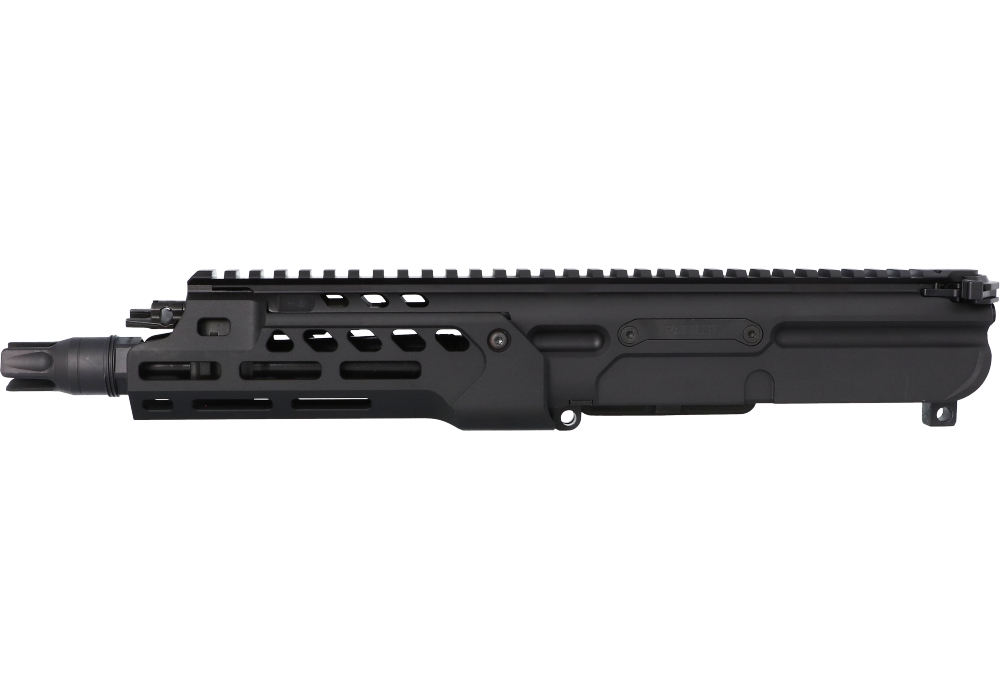
MCX-compatible parts are designed around the distinctive operating characteristics of the MCX platform, where receiver geometry, carrier movement, and piston-driven cycling can differ from those of a conventional direct-impingement rifle. That distinction is especially important when selecting a trigger or charging handle. A trigger intended specifically for the MCX platform uses the appropriate hammer and bridge arrangement to accommodate the carrier’s movement and timing, helping preserve dependable ignition and a consistent, predictable pull. Standard AR-15 fire-control components may not fit correctly or may not be suited to the forces and cycling behavior of an MCX, so compatibility should always be confirmed before purchase or installation. The same principle applies to charging handles: MCX-specific designs use the correct latch position and rear geometry to lock into the upper receiver, while ambidextrous controls can make manipulation more natural from either shoulder or when working around an optic. Some designs also incorporate a raised rear profile that can help redirect gas away from the shooter’s face, a practical consideration for anyone who runs a suppressor or spends long sessions on the range. For a broader look at compatible components, explore Mcx Firearm Parts and compare each item against the exact configuration of the firearm.
Choosing the right component begins with identifying the MCX variant, caliber, barrel configuration, receiver generation, and intended role. A part that suits a compact setup may not be the best match for a full-length rifle used from a bench or field position, and a replacement selected for a suppressed firearm may offer features that are less important on an unsuppressed range gun. Before adding a trigger, verify the desired pull weight, two-stage or single-stage operation, reset characteristics, and the type of shooting involved. A crisp, controlled trigger can be valuable for deliberate target work, while a smooth and consistent control may be preferred for training drills and practical carbine use. Charging-handle selection deserves the same attention. Look for secure engagement, comfortable ambidextrous access, durable construction, and a profile that works with the optic, handguard, and shooting grip already in place. It is also wise to inspect the interface between the part and the firearm rather than relying only on a general “AR-compatible” description. The MCX family shares some accessories with other modern sporting rifles, but not every shared-looking component is interchangeable. Lower receiver parts such as safety selectors and grips may be compatible depending on the configuration, while stocks or braces using a 1913-style interface can often be selected from a wider range of options. Muzzle devices and adapters require particular care: thread pitch, bore alignment, caliber, and suppressor compatibility all need to match, and any uncertainty should be resolved with a qualified gunsmith.
These parts can appeal to experienced owners refining a familiar setup, competitors tuning controls for faster and more repeatable handling, and new shooters building a dependable configuration one component at a time. They can also make thoughtful gifts for a firearm owner when the recipient’s exact MCX model and preferences are known. A charging handle may be appreciated by someone who practices from both shoulders or wears gloves during cooler months, while a platform-specific trigger can be a meaningful upgrade for a shooter who values a clean break and a consistent reset. Gift buyers should avoid guessing at fitment; a photograph of the upper receiver, the firearm’s model designation, or a conversation about the recipient’s intended use can prevent an otherwise well-chosen part from being incompatible. Installation should be approached with the same care as selection. Confirm that the firearm is unloaded, follow the manufacturer’s instructions, and have installation performed by a qualified professional when the work affects the fire-control system, receiver fit, or alignment of a muzzle device. After installation, function-check the firearm safely and confirm reliable operation before live fire. During warmer range days or the cooler months, careful inspection for unusual wear, loose fasteners, inconsistent reset, or changes in charging-handle engagement can help identify issues early. Selecting dedicated MCX-compatible components, matching them to the correct configuration, and maintaining them thoughtfully helps create a setup that feels natural in the hand while supporting dependable performance over years of practice.