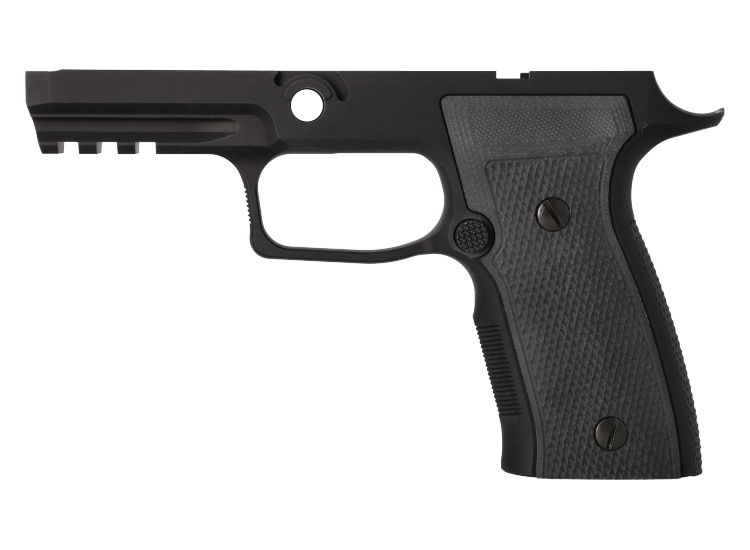
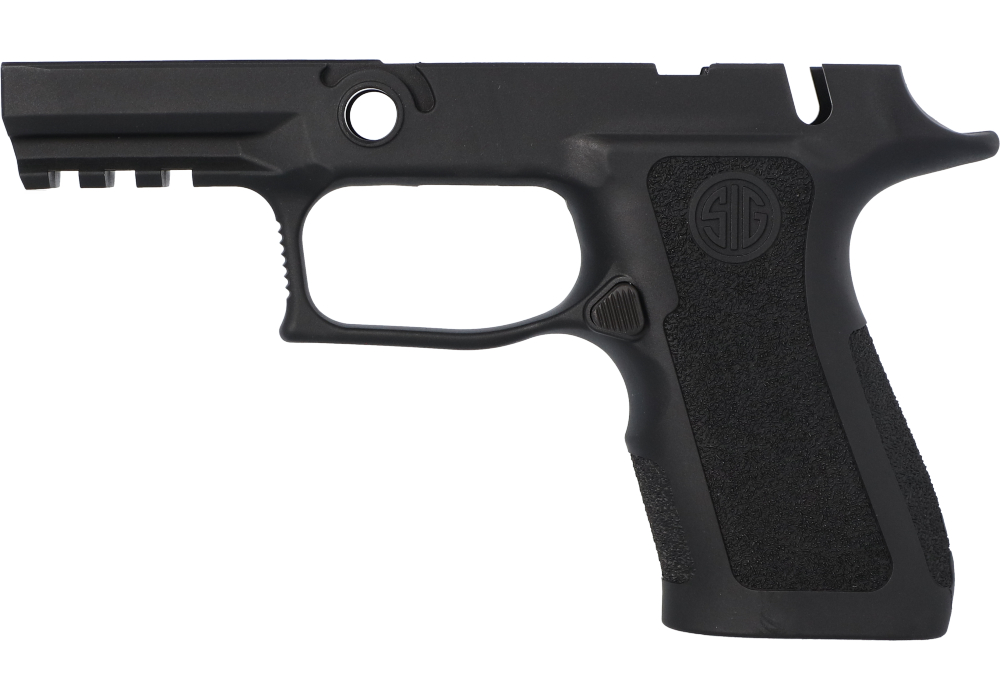
Medium Grip Pistol Upgrades are designed for shooters who want a more secure, comfortable connection to the handgun without changing the overall character of the platform. A medium-size grip can be an excellent middle ground: it gives many users enough surface area for a full, consistent hand placement while remaining manageable for concealed carry, range use, home defense, or training. The right upgrade may improve traction, refine the way the pistol settles into the palm, or provide a little more support beneath the shooting hand. Common options include adhesive grip wraps, slip-on rubber sleeves, interchangeable backstraps, replacement grip modules, textured grip panels, magazine base extensions, and low-profile magwells. Each style changes the feel in a different way. A thin wrap can add friction while preserving the original dimensions, making it useful for a carry pistol that must fit a familiar holster. A sleeve can provide a softer, more cushioned surface and may be appreciated by shooters who notice sharp frame edges or discomfort during longer practice sessions. Replacement panels and modules offer a more substantial change, with materials and textures selected for a particular balance of comfort, control, and durability. For modular handgun platforms, a medium grip module can help tune palm swell, trigger reach, and the relationship between the hand and the frame while retaining the rest of the compatible system. These upgrades are not limited to experienced competitors. A new handgun owner may use them to make a factory grip feel more natural, while an experienced shooter may choose a familiar texture or contour after years of practice. They can also be thoughtful gifts for a handgun owner, provided the recipient’s exact make, model, generation, and configuration are known before purchasing.
Fit should be the first consideration when comparing Medium Grip Pistol Upgrades. Grip dimensions that appear similar in photographs can vary significantly in circumference, palm swell, beavertail shape, texture, and the position of the magazine release. Confirm whether the handgun uses removable panels, interchangeable backstraps, a serialized internal chassis, or a fixed frame before selecting an upgrade. Compatibility can also depend on the frame size, rail configuration, magazine type, and whether the pistol has an integrated or separate grip housing. A medium option should allow the shooting hand to reach the controls naturally without forcing the thumb or stretching the trigger finger. When the trigger finger contacts the trigger at an angle, or when the support hand cannot settle evenly against the frame, a different contour may provide a better fit. Texture deserves equal attention. Aggressive stippling can offer excellent purchase during wet conditions or fast-paced training, but a rough surface may rub against skin or clothing during concealed carry. Softer rubber and fine-textured polymer tend to be comfortable for daily use, while G10-style panels and other rigid materials can provide a crisp, confident feel for range and competition environments. A pinky or magazine base extension may be helpful on a medium-to-compact frame by giving the lower fingers a defined resting point and making the grip easier to control, though it can add length that affects concealment. A low-profile flared magwell may help guide the magazine during reloads and reinforce a high grip, but buyers should verify that it does not interfere with existing magazines, floor plates, or the intended holster. Before installation, unload the firearm completely, remove the magazine, inspect the chamber, and follow the manufacturer’s instructions. Test the upgraded grip with the unloaded handgun first, then confirm reliable function with appropriate range testing before relying on any configuration for defensive use.
The best upgrade is the one that supports a repeatable grip across the situations in which the handgun will actually be used. Someone who carries during the warmer part of the year may prioritize a slim, snag-resistant surface that stays comfortable against clothing and remains easy to draw from a properly fitted holster. During cooler months, when gloves, heavier garments, or longer range sessions become part of the routine, a slightly more pronounced texture or fuller palm swell may be preferable. Home-defense users often value a secure grip that feels dependable under stress and with either hand, while recreational shooters may focus on reducing hand fatigue during a long afternoon on the range. Competitive shooters may look for a fast, consistent hand index and a magazine funnel that supports efficient reload practice. Recoil management is influenced by ammunition, technique, grip strength, and the fit of the handgun, but a properly selected grip upgrade can help the shooter maintain more consistent contact and return the sights to position with less shifting in the hands. It is also useful to distinguish grip changes from other handgun modifications. Grip upgrades alter the interface between the shooter and the frame; Handgun Slide Upgrades address a different area of the pistol and should be evaluated separately for compatibility and purpose. For anyone building a practical setup, begin with the most noticeable comfort or control issue, choose the least complicated solution that addresses it, and reassess after practice. Keep the original components when possible, document the configuration, and check screws, adhesive edges, sleeves, and magazine extensions periodically for wear or movement. With careful selection, Medium Grip Pistol Upgrades can make a familiar handgun feel more secure, more comfortable, and better suited to the owner’s hands without requiring a complete change of platform.