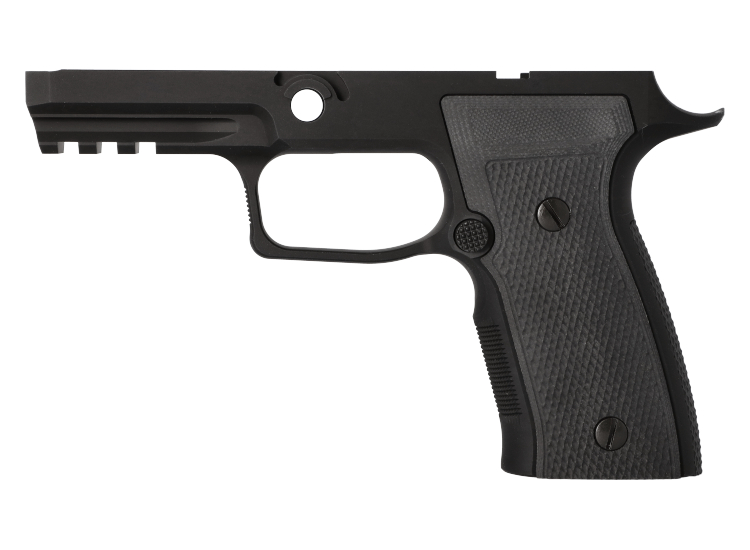
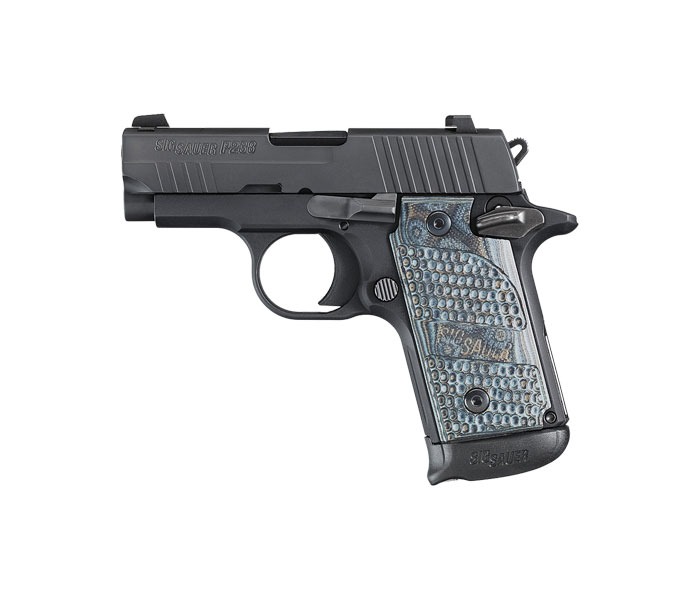
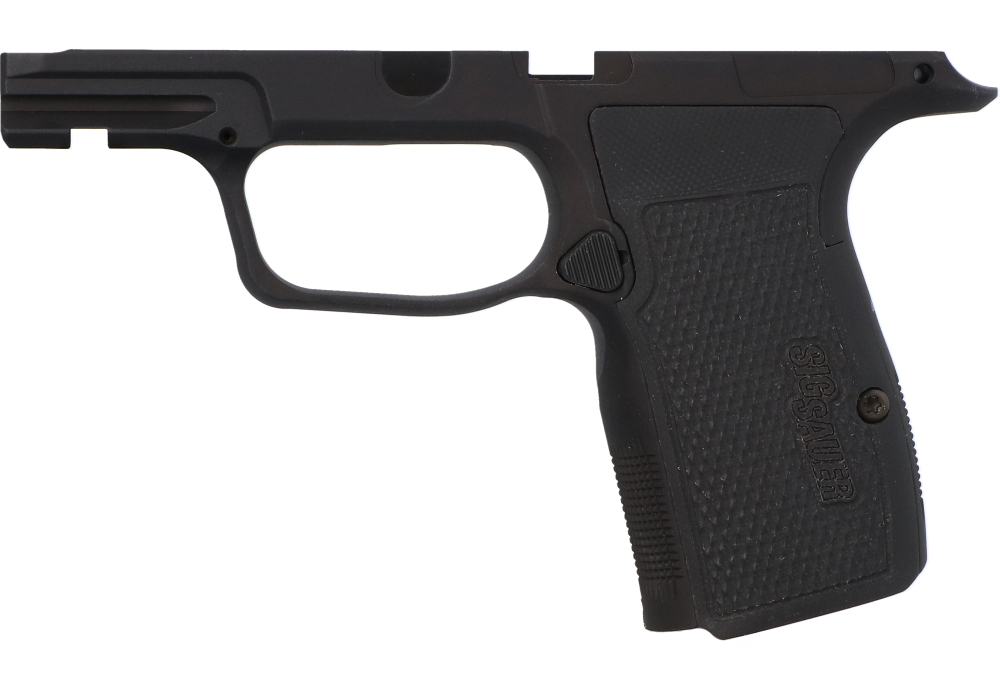
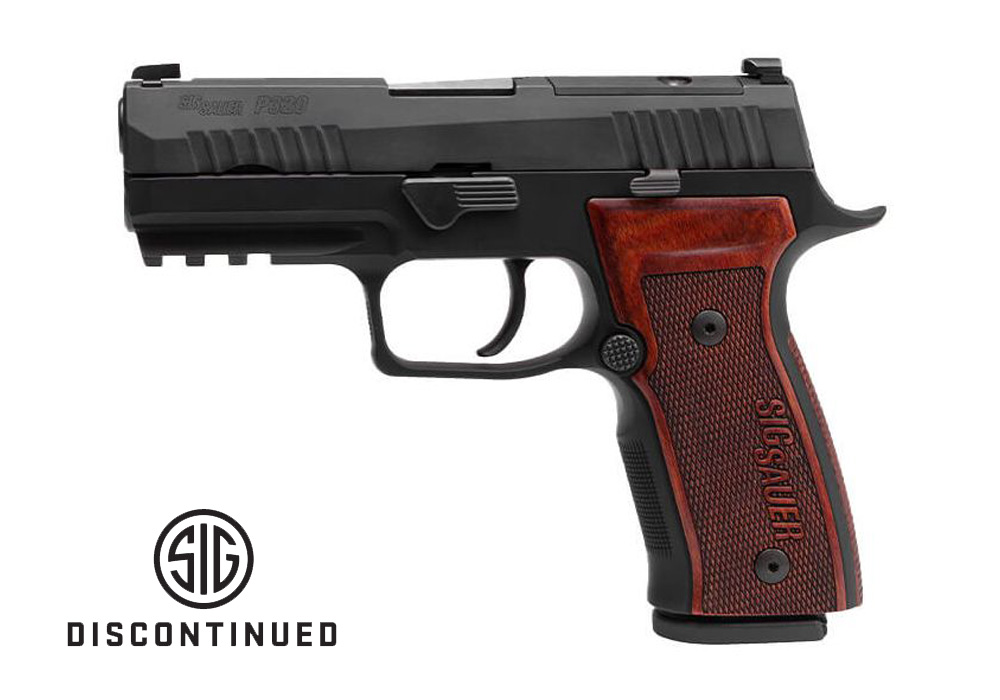
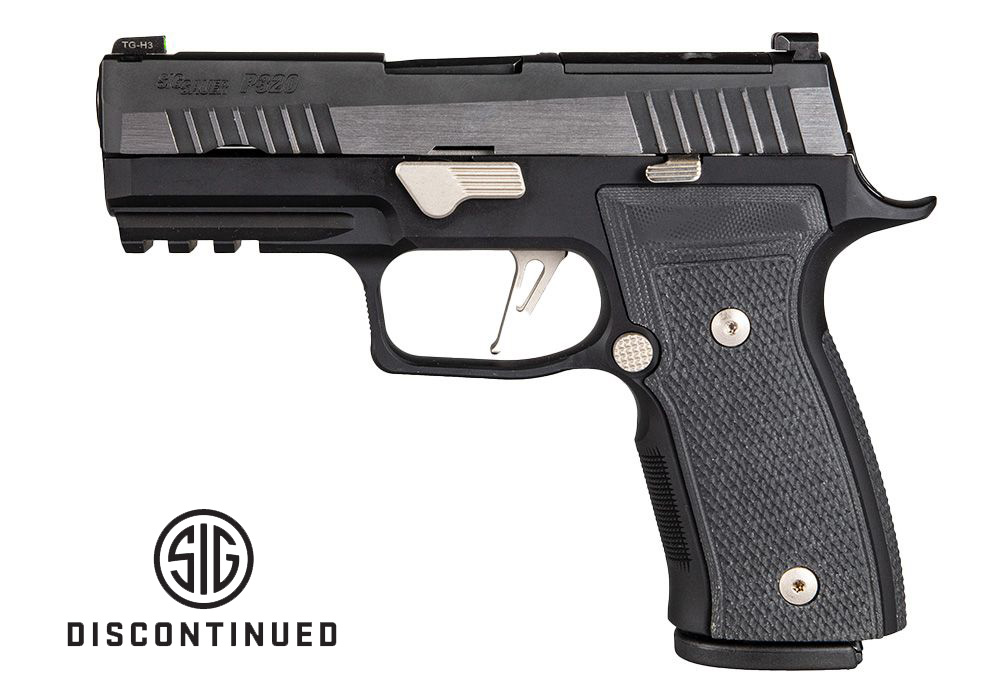
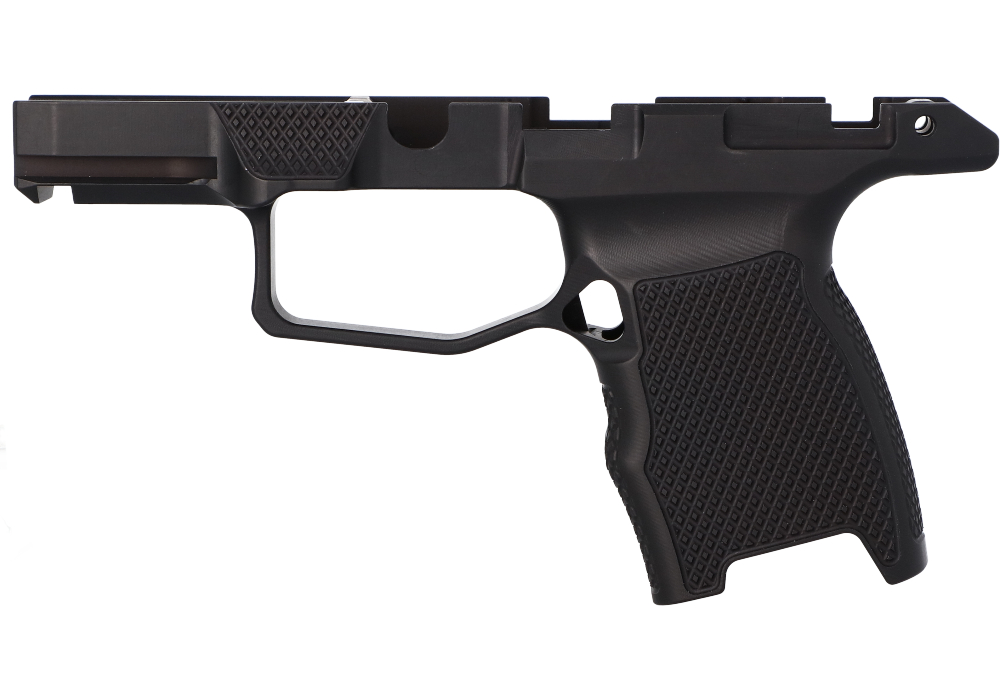
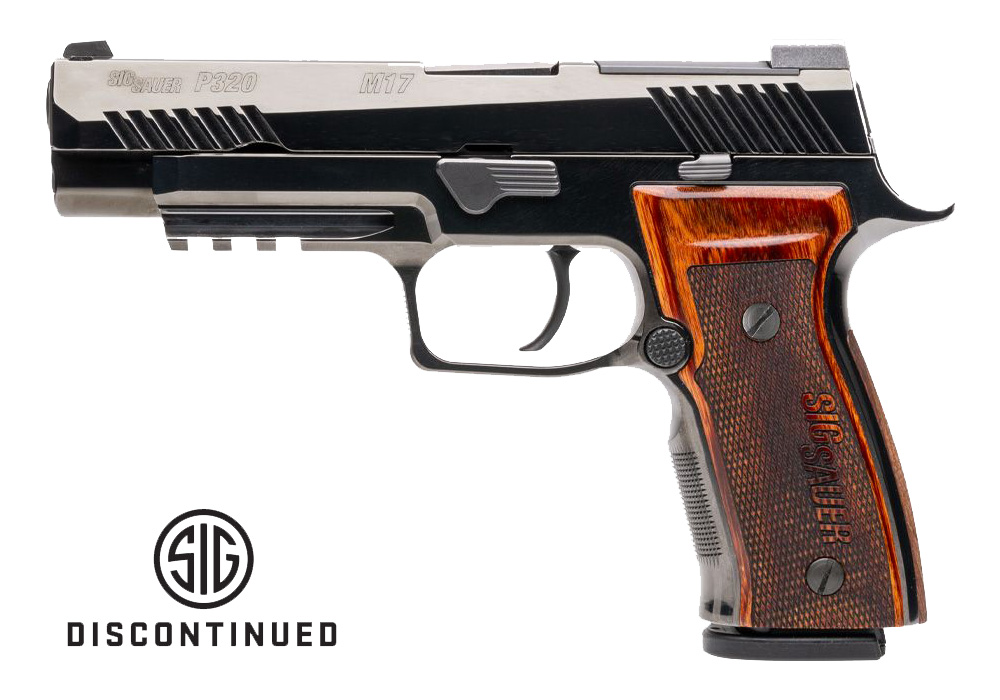
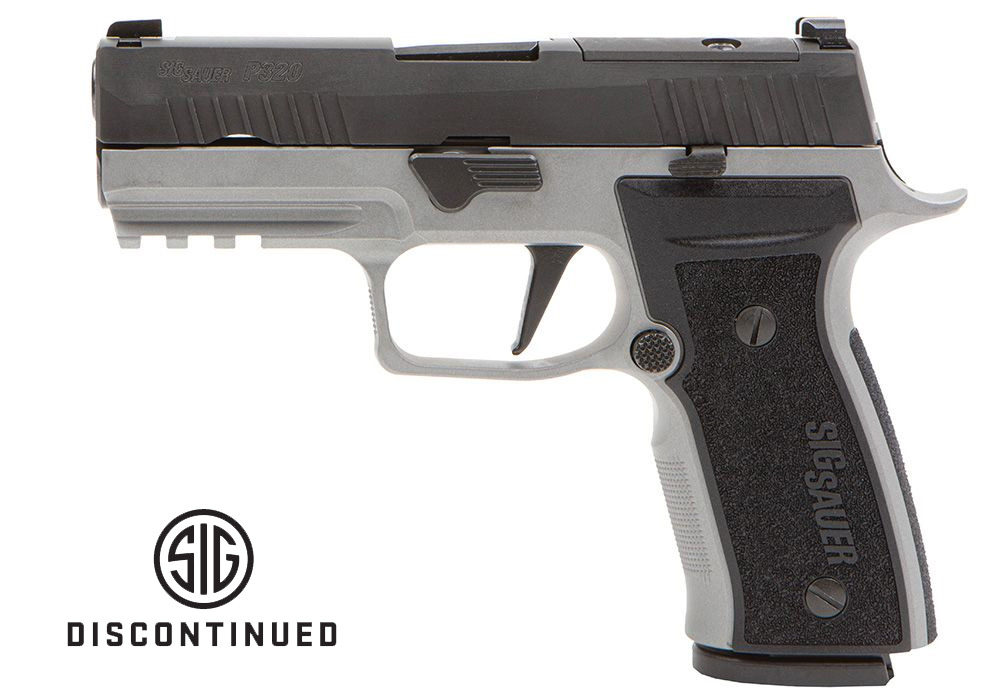
Metal frame grips are grip panels or grip assemblies intended for compatible metal-framed handguns, providing the surfaces that connect the shooter’s hand to the firearm. The name can describe the handgun’s frame rather than the material of the grip itself: a metal-framed pistol may use aluminum, wood, polymer, rubber, or composite grip panels. Replacement panels and complete grip modules are different components, so the distinction matters when comparing options. Panels typically attach to an existing frame, while a grip module forms a larger portion of the handgun’s gripping structure on platforms designed around that arrangement. Neither should be treated as a universal accessory. Frame dimensions, mounting points, control locations, and the shape of the backstrap all influence compatibility. Within the correct fitment, materials offer noticeably different characteristics. Machined aluminum can provide crisp texture and a firm, rigid feel without the weight associated with some denser metals. Steel and brass can contribute more weight, although the effect on balance depends on the component’s size and the handgun’s overall configuration. Layered composites provide a rigid surface that can support sharply defined patterns, while wood brings natural grain and a warmer tactile character. Rubber generally offers a more yielding contact surface, and polymer allows a broad range of molded contours and textures. No material automatically produces the best grip for every hand or activity. A shooter who values a slim profile may prefer a different construction from someone seeking fuller palm support or a more pronounced texture. Thickness, contour, and surface pattern often have as much influence on comfort as the underlying material. For recreational target shooting, organized competition, or restoring the feel of a familiar handgun, the most useful comparison starts with the correct frame fit and continues with how naturally the grip supports a repeatable hold.
Grip shape becomes especially important where the hand meets the backstrap, where the fingers wrap around the front of the frame, and where the thumb rests beside the controls. A panel that looks nearly identical to another can feel quite different if its upper edge is thicker or its lower section flares outward. Slimmer panels may reduce the distance a finger must reach, but they do not necessarily suit every shooter with smaller hands; palm shape, finger length, and the handgun’s geometry also matter. Fuller contours can fill space beneath the palm, though excess width may interfere with comfortable access to controls. Texture presents a similar trade-off. Fine checkering, closely spaced ridges, broad grooves, and more assertive patterns create different sensations under pressure. A deeply textured surface may feel reassuring during repeated range practice but uncomfortable against the body or abrasive against clothing. A smoother surface can be comfortable to handle, yet may require more attention to maintaining a consistent hold. The practical goal is secure contact without pressure points that distract from safe, deliberate handling. During a longer target session, an edge that initially seems unobtrusive can become noticeable beneath the thumb or along the base of a finger. Rounded transitions and well-positioned relief areas can therefore matter more than an elaborate pattern. Handgun grip panels also need to preserve the intended movement of nearby controls and fit properly around the frame’s attachment points. Similar model names or an apparently matching outline are not enough to establish compatibility; frame variants can differ in dimensions and hardware requirements. Product specifications should identify the intended fit, and a qualified gunsmith can resolve uncertainty about installation or interference. Any fit assessment should involve an unloaded firearm handled according to its manufacturer’s safety instructions. For frequent range visitors and competitive target shooters alike, a suitable grip supports consistent hand placement without requiring an awkward reach or a strained wrist position.
Durability involves more than resistance to visible scratches. A dependable grip must retain its shape, remain securely attached, and preserve useful texture through regular handling and appropriate cleaning. Metal surfaces may use protective finishes that influence appearance and wear resistance, but those finishes still benefit from care suited to the specific material. Wood can respond differently to moisture and cleaning chemicals than aluminum or a layered composite. Rubber and polymer can also react poorly to solvents that are acceptable on other firearm components. Manufacturer-approved cleaning methods are therefore more useful than a single routine applied to every grip. Gentle removal of residue from textured areas helps keep the surface comfortable and prevents buildup from obscuring fine patterns. Thorough drying and attention to the seams between panels and the frame can help protect areas that are easy to overlook. Fasteners deserve periodic inspection as well, especially when a handgun sees frequent range use; loose hardware, damaged threads, or a panel that shifts under normal handling warrants attention before further use. Hardware length and tightening requirements are specific to the application, and excessive force can damage a panel or its attachment points. Appearance remains part of the selection, but it works best alongside these practical considerations. Dark finishes can create a restrained look across different frame colors, and Black Grips provides a related category for shoppers comparing that visual direction. Natural grain, contrasting textures, and subtle machining details offer other ways to complement a handgun without changing its basic character. For someone returning a well-used range pistol to a comfortable, familiar feel, matching the original dimensions may be more valuable than choosing a dramatic new profile. For an experienced firearm owner receiving grips as a gift, confirmed compatibility and a clear understanding of preferred thickness and texture are essential. Across these uses, the strongest choices balance material, fit, finish, and long-term comfort rather than relying on appearance alone. A grip should feel like a coherent part of the handgun, with secure attachment, accessible controls, and a surface suited to the owner’s established shooting activities.