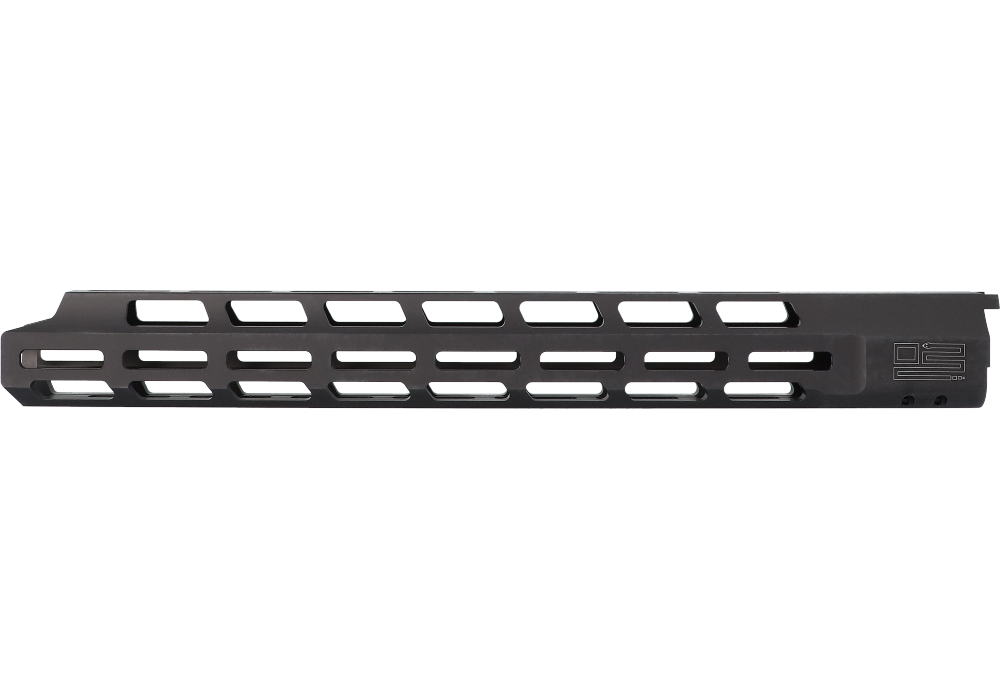
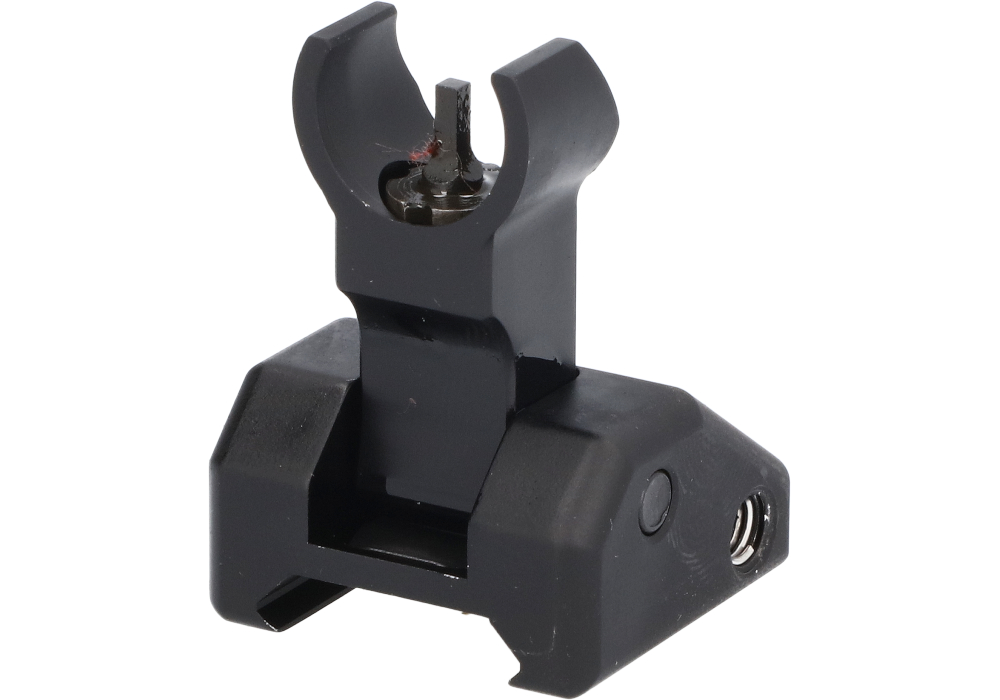
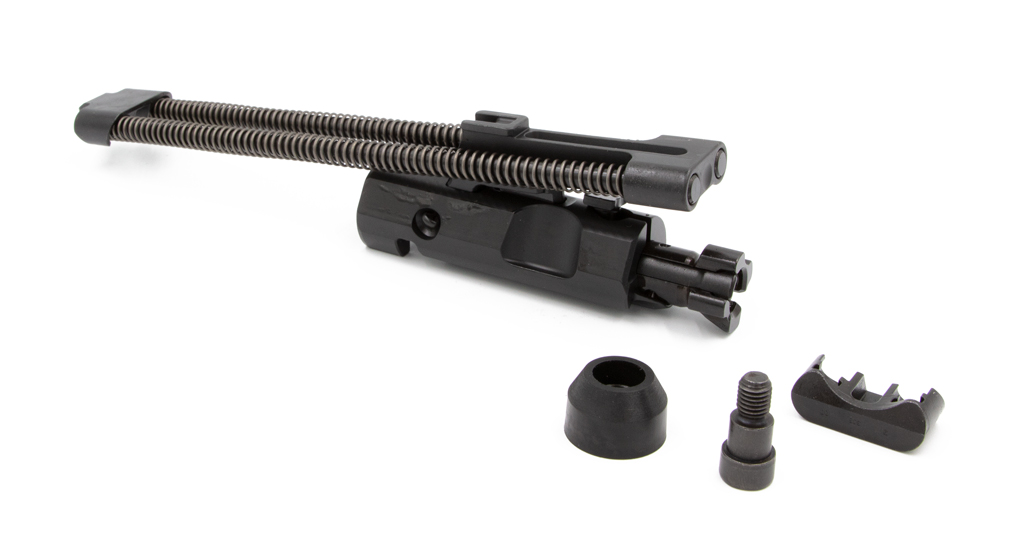
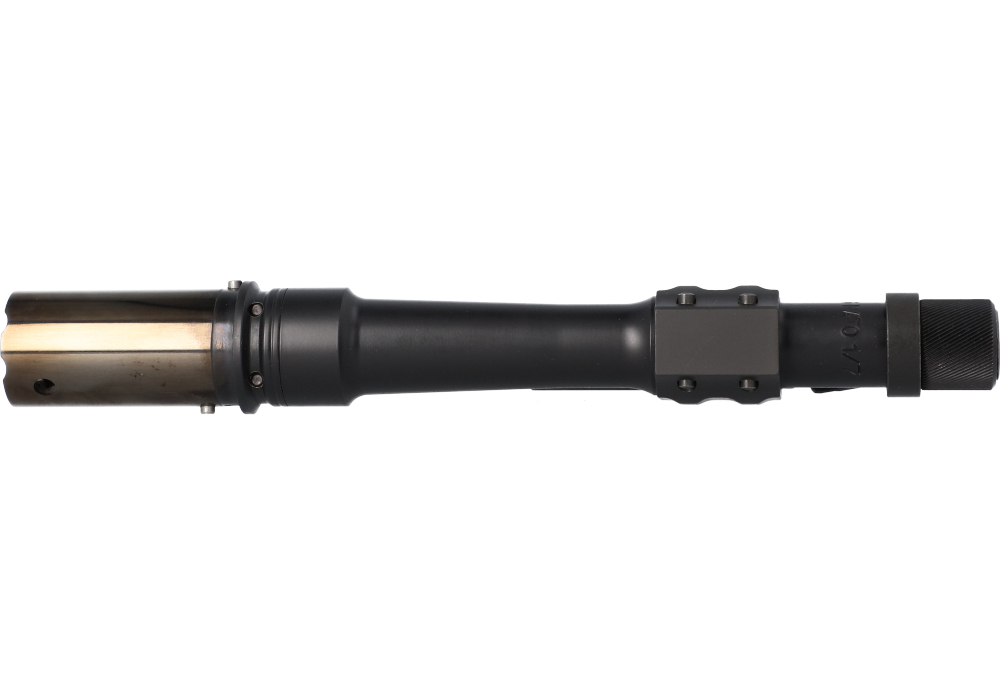
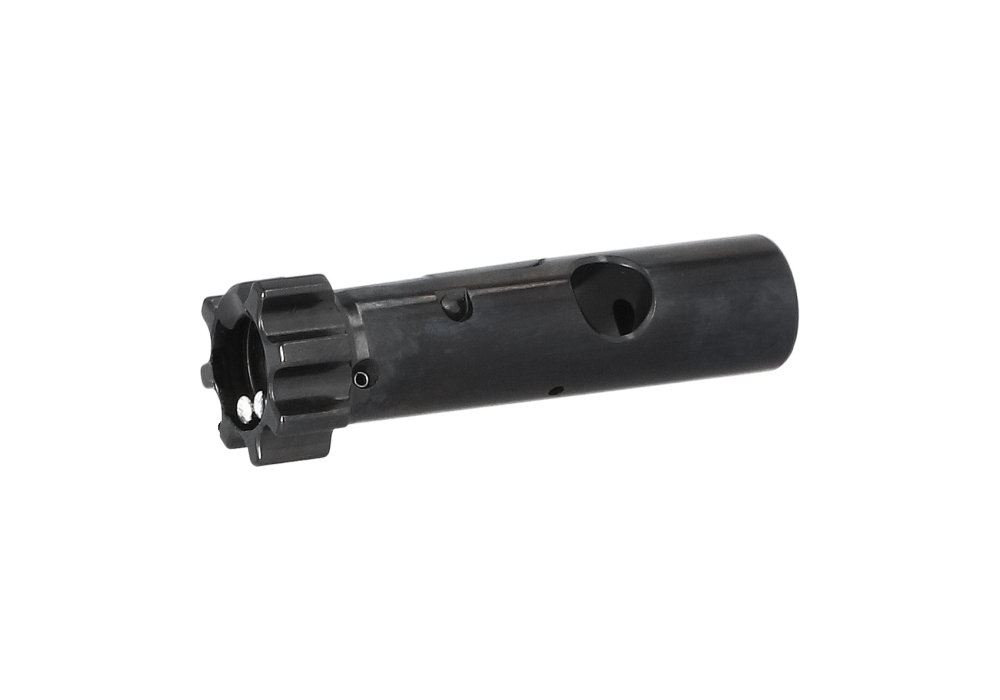
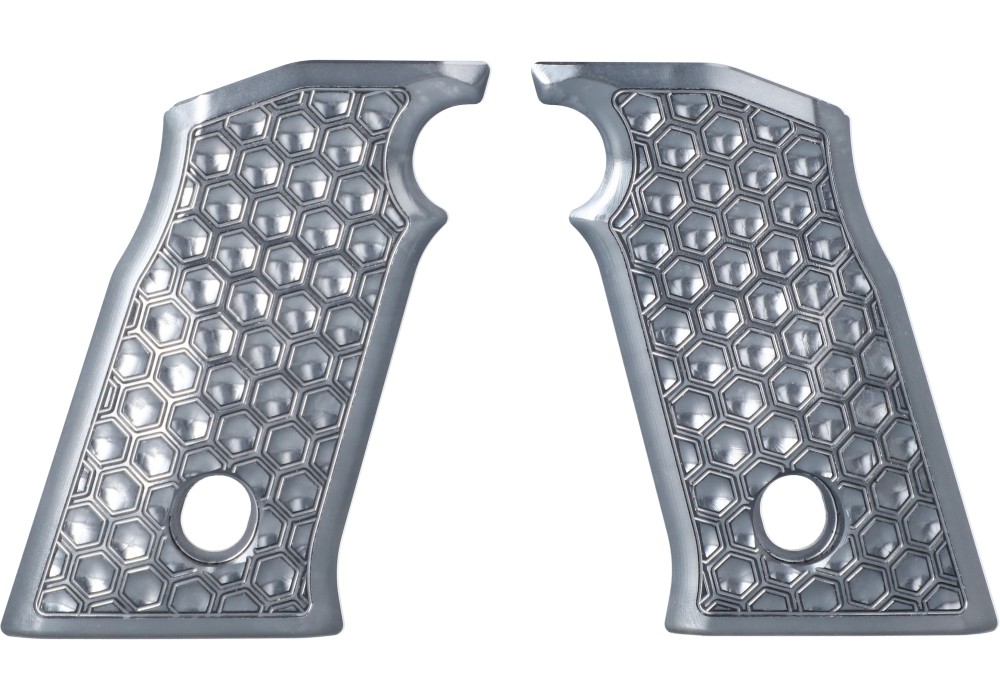
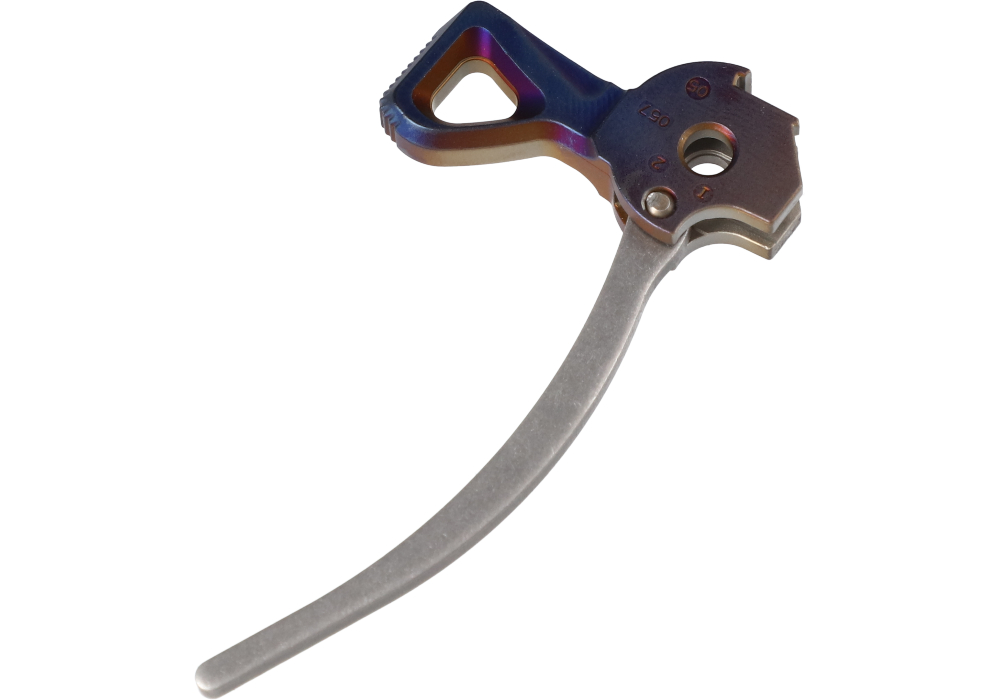
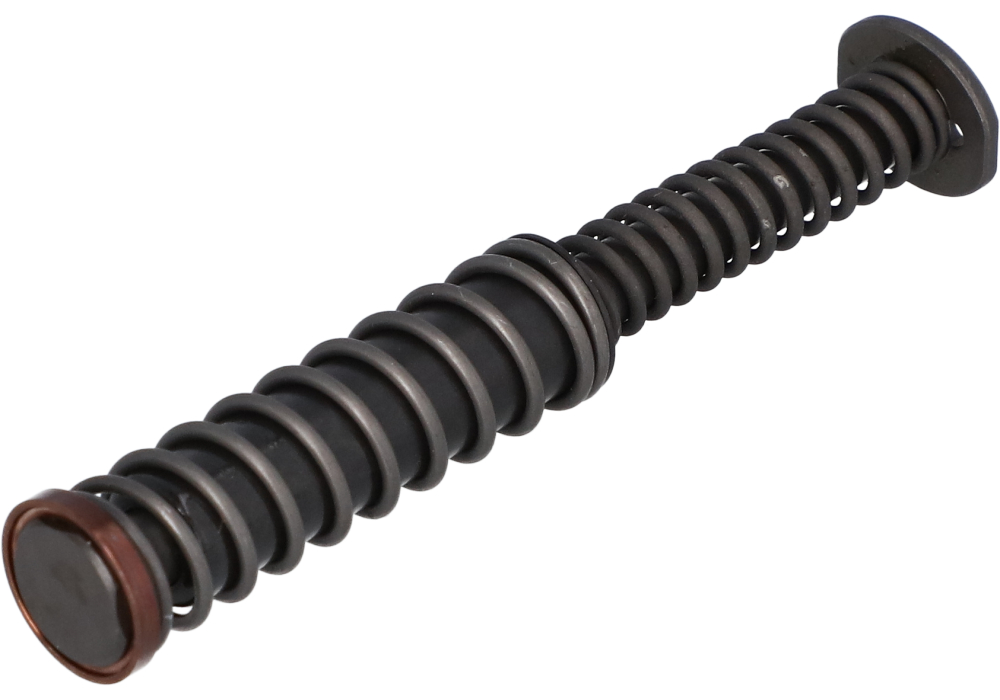
Metal gun parts are the structural and mechanical components that support a firearm’s operation, including barrels, receivers, frames, slides, bolts, and smaller hardware. Their purpose varies by design: a barrel guides the projectile, a receiver or frame supports the action and associated components, and a pistol slide houses key operating parts while moving through the firing cycle. Bolts and bolt carriers perform functions such as chambering, locking, and extraction according to the firearm’s operating system. Even a small pin or spring can have an important role in keeping assemblies aligned and functioning as intended. Materials are selected for the stresses, movement, and contact each component experiences, rather than appearance alone. Carbon steels, including alloy grades such as 4140 and 4150, are commonly associated with barrels and other demanding applications because appropriate processing can provide a useful balance of strength, toughness, and wear resistance. Stainless steel offers corrosion resistance, although it still benefits from cleaning, lubrication, and proper storage. Aluminum alloys can reduce weight in receivers, frames, and other structures where the design supports their use; alloys such as 7075-T6 are valued for their strength relative to weight. Titanium and other specialty metals serve more selective applications, and their suitability depends on the engineering requirements of the component. The alloy name is only part of the picture. Heat treatment, machining accuracy, surface preparation, and protective finishes also influence how a part performs over time. Forged, cast, and machined components can each serve appropriate roles when their design and production standards match the intended application. A dark finish does not identify the underlying metal, and a polished surface does not automatically indicate greater durability. Protective treatments may improve surface wear resistance or help limit corrosion, but they cannot correct an unsuitable material or an incorrect fit. For shoppers comparing metal gun parts, the most useful information connects the material and finish to the component’s actual job. A structural housing, a reciprocating assembly, and a small retaining component face different demands, so evaluating them by the same visual cues can overlook the details that matter most.
Fit deserves equal attention because similar-looking firearm components are not necessarily interchangeable. Compatibility can depend on the firearm’s model, generation, configuration, and caliber, as well as the dimensions and interfaces of surrounding parts. Two components may share a broad description while differing in mounting geometry, engagement surfaces, or required clearances. Product specifications and the firearm manufacturer’s documentation provide a better basis for selection than appearance or an informal comparison. A replacement should match its intended application without relying on assumptions about what might fit. Parts that affect locking, ignition, or other safety-related functions warrant particular care, and questions about their suitability or installation belong with a qualified gunsmith. A component that physically enters an assembly is not necessarily appropriate for service. For the owner replacing a worn part, maintaining the firearm’s intended function is usually more important than choosing a different finish or reducing a small amount of weight. For a frequent range visitor, consistent operation and a straightforward maintenance routine may take priority. Competitive shooters may also consider how component weight and dimensions relate to handling, while hunters may place greater emphasis on dependable function and resistance to corrosion during transport and storage. These priorities help explain why there is no single best metal for every firearm component. A lighter material can be useful in one location while a wear-resistant steel is better suited to another. The complete design matters more than an isolated material claim. Intended use also provides context for replacement decisions: occasional recreational shooting and frequent practice produce different maintenance needs, but neither removes the importance of correct fit and inspection. Owners maintaining a familiar firearm often benefit from confirming its exact configuration before comparing replacement options, especially when previous modifications are involved. Metal gun parts can also be a practical gift for an experienced enthusiast, provided the recipient has confirmed compatibility and any applicable legal requirements. For components that require professional fitting, coordinating that service is more useful than treating installation as a casual project.
Care and durability are closely connected, even when a component has a corrosion-resistant alloy or protective coating. Residue, perspiration, moisture, and abrasive debris can affect metal surfaces and moving interfaces, making routine attention worthwhile. Before cleaning or inspection, the firearm should be unloaded and handled according to its manufacturer’s safety procedures, with ammunition kept away from the work area. Maintenance should follow the firearm’s documentation, including guidance on cleaning products, lubrication points, and suitable tools. A solvent intended for one surface may not suit another finish or an adjacent nonmetal component, and excessive lubricant can attract debris rather than improve function. Careful handling also helps preserve screw heads, contact surfaces, and protective finishes that can be damaged by unsuitable tools. Inspection is not simply a search for cosmetic marks. Light finish wear at an expected contact point can differ substantially from a crack, significant corrosion, unusual deformation, or a change in operation. An owner who notices unfamiliar resistance, looseness, or inconsistent function should stop using the firearm and seek qualified evaluation rather than assume the concern is harmless. Replacement decisions are best based on the manufacturer’s service guidance, the condition of the component, and professional assessment when needed, not on a universal round-count rule. Storage matters as well: clean, appropriately protected surfaces and a secure storage environment help preserve components between uses. For shoppers considering related component categories, Gun Shooting Parts provides a broader point of reference alongside a focus on metal construction. Across these categories, useful comparisons begin with documented compatibility, material specifications, finish characteristics, and the intended role within the firearm. Appearance can help distinguish options, but it should remain secondary to function and suitability. A well-chosen component fits its application, supports predictable operation, and can be cared for using established maintenance practices. That combination gives metal gun parts their lasting value: not simply the presence of steel or aluminum, but the way material, dimensions, surface treatment, and ongoing care work together throughout the component’s service life.