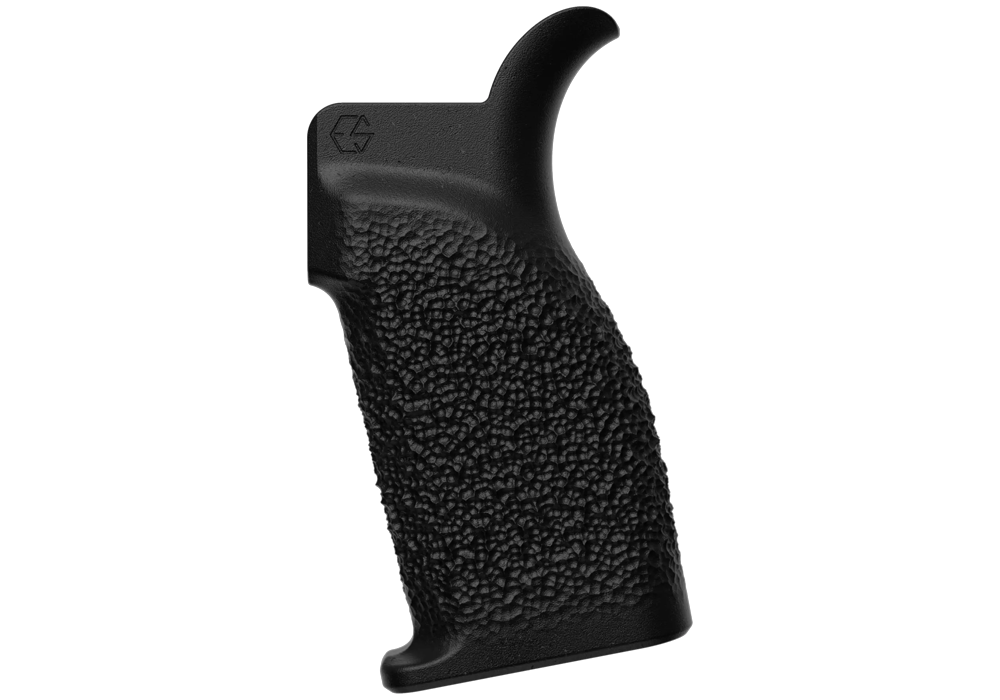
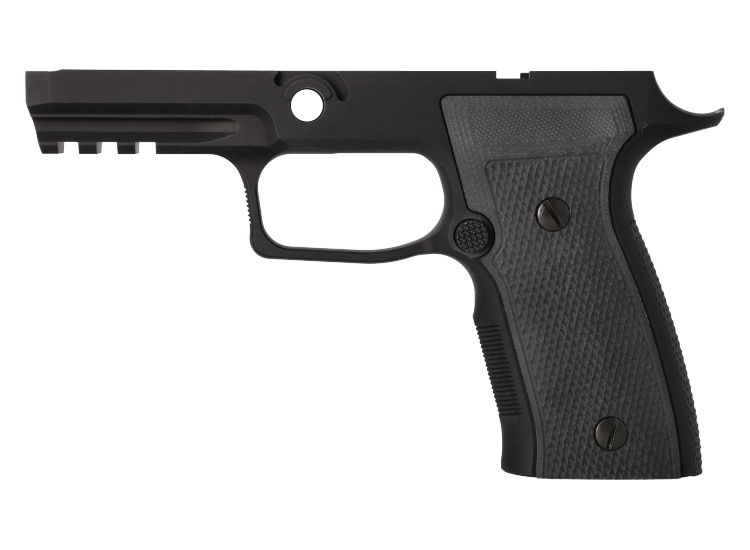
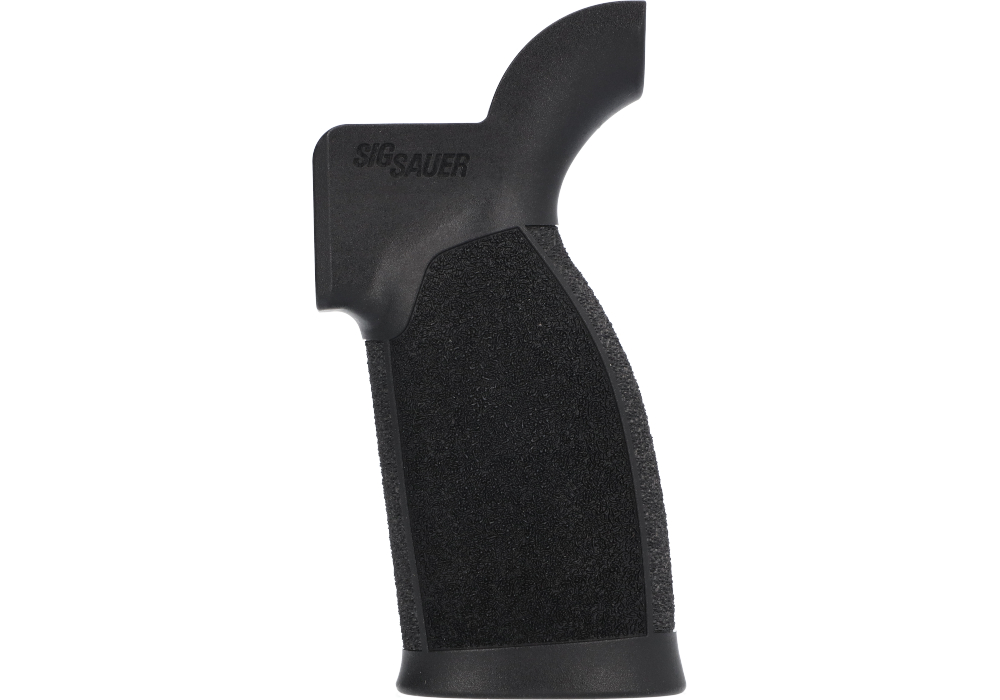
Mil Spec Grips are valued for their straightforward design, familiar handling, and service-inspired appearance. In the rifle category, the term most often points to the classic A2-style grip associated with AR-15 and M4-pattern platforms: a durable polymer grip with a defined angle, a practical finger groove, and a shape intended to provide consistent control without unnecessary complexity. For full-size 1911-style pistols, mil-spec grips generally refer to traditional panel dimensions and patterns suited to the Government frame, often featuring diamond checkering or another textured surface in polymer, wood, or composite material. These styles remain popular because they balance a proven appearance with dependable day-to-day function. A grip is one of the few firearm components that stays in constant contact with the shooter, and small differences in contour, texture, thickness, and angle can change how naturally the firearm settles in the hand. Someone who spends time practicing with an AR-pattern rifle may prefer the familiar straight utility of an A2 profile, while another shooter may appreciate a more contoured design that fills the palm or eases strain during longer range sessions. On a 1911, grip panels can also influence the perceived thickness of the pistol, the way the thumb reaches the controls, and the confidence a shooter feels when establishing a consistent hold. That makes mil-spec styling useful for more than collectors or military-inspired builds. These grips can suit a practical range setup, a carefully restored service-style firearm, a training rifle, or a sidearm carried for lawful personal protection, provided the chosen grip is designed for the specific firearm and installed according to the manufacturer’s instructions.
Fitment should be the first consideration when comparing grips. “Mil spec” is commonly used to describe a style or pattern, but it does not guarantee that every grip will fit every firearm with a similar appearance. For an AR-pattern rifle, check the lower receiver and grip interface, including the grip screw, selector spring, and other components that may be affected during installation. For a 1911, confirm the frame size and configuration, since Government, Commander, and Officer-size pistols can differ, and details such as ambidextrous safeties, magwell extensions, or grip bushings may affect compatibility. Texture deserves equal attention. A deeply checkered surface can provide a reassuring purchase with gloves or during wet conditions, while a smoother finish may feel more comfortable against bare skin during extended handling. Polymer is a practical choice for shooters who want light weight, easy care, and resistance to knocks encountered in a range bag or vehicle case. G10, a fiberglass and epoxy composite, is known for its rigidity, toughness, and resistance to moisture and many common chemicals, making it appealing for hard-use applications. Wood brings warmth, traditional character, and a natural feel, though it benefits from reasonable care and protection from prolonged exposure to damp conditions. Color can also shape the overall look of a build without changing its purpose; understated black, earth tones, and Grey Handgun Grips can complement a duty-inspired setup, a modern sporting configuration, or a classic pistol with equal ease. Before handling or installing any grip, unload the firearm completely, remove all ammunition from the work area, and follow the firearm and grip manufacturer’s safety guidance. After installation, verify that the grip is secure and that controls move freely, then have the firearm inspected by a qualified gunsmith if anything feels loose, binds, or does not function as expected.
Mil Spec Grips are also a practical choice for people who value familiar equipment and uncomplicated upgrades. A new firearm owner may choose a standard-style grip because it offers an approachable starting point and a recognizable reference point for training. An experienced shooter may use the same style to refresh a worn grip, return a rifle or pistol to a service-inspired configuration, or create consistency across more than one firearm. Instructors, competitors, recreational range users, and collectors can all appreciate the role a well-fitted grip plays in repeatable hand placement. During the cooler months, textured panels can make it easier to establish a secure hold when wearing light gloves outdoors, while a carefully chosen contour can reduce hot spots during indoor practice sessions or long days at the range. They can also make a thoughtful gift for a responsible adult who already owns a compatible firearm, particularly when the recipient enjoys maintaining equipment, refining a classic build, or adding a personal touch without changing the firearm’s essential design. When giving grips as a gift, compatibility is more important than appearance, so confirming the exact firearm model, frame size, control configuration, and mounting pattern is worthwhile before purchase. A grip should feel natural rather than distracting: the fingers should rest comfortably, the palm should have dependable support, and the shooter should be able to reach the controls without shifting the hand unnecessarily. Whether selected for a traditional 1911, an AR-pattern rifle, or another compatible platform, mil-spec-inspired grips offer a blend of recognizable styling, durable materials, and practical handling that can serve from routine maintenance and range practice through years of responsible ownership.