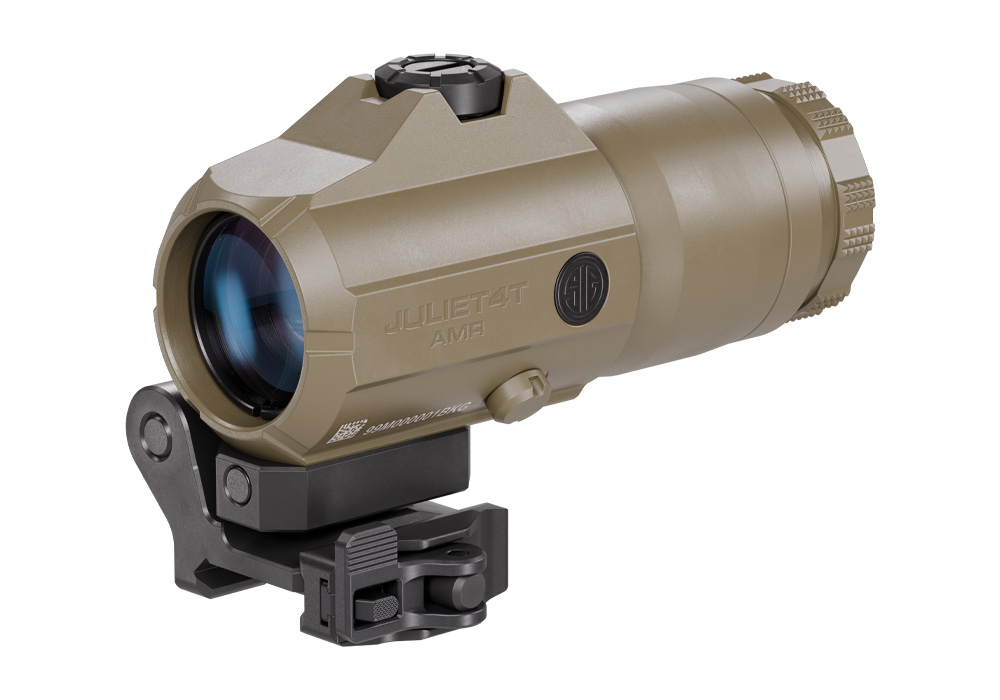
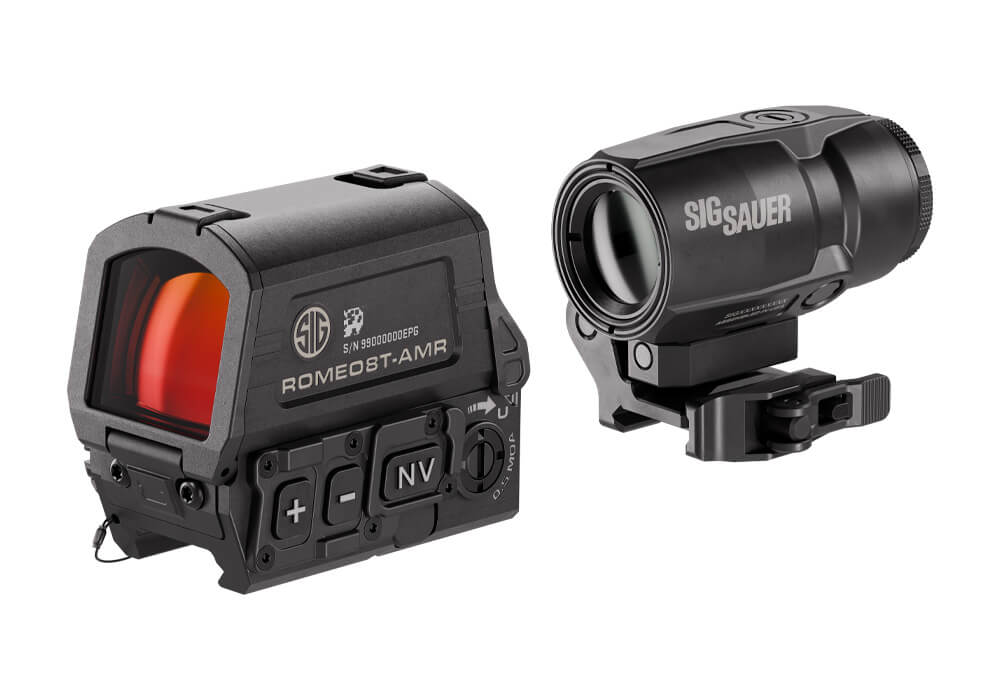
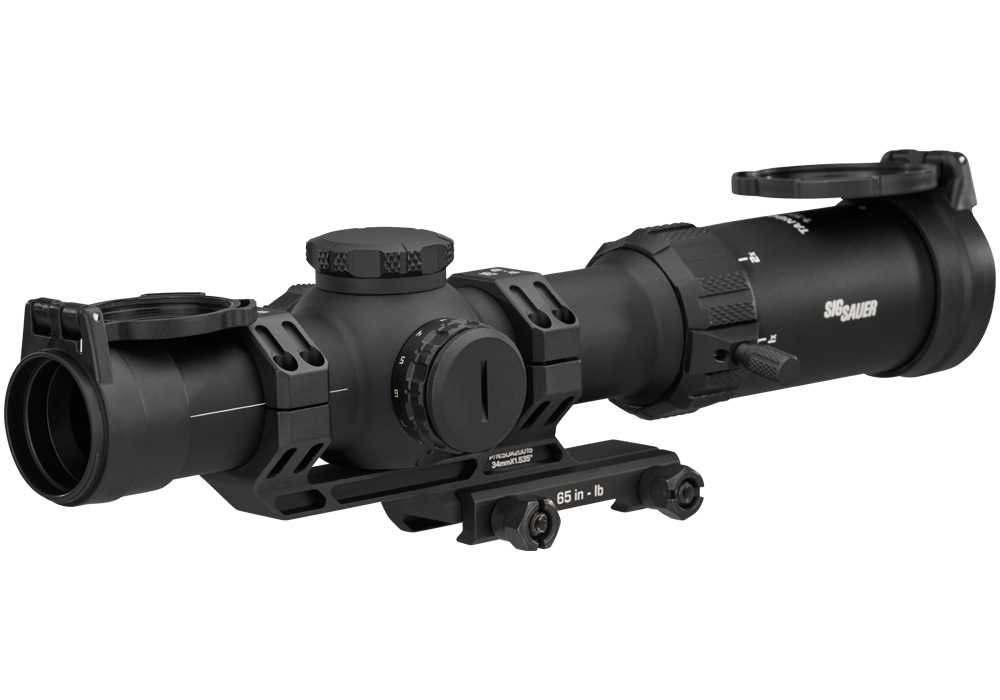
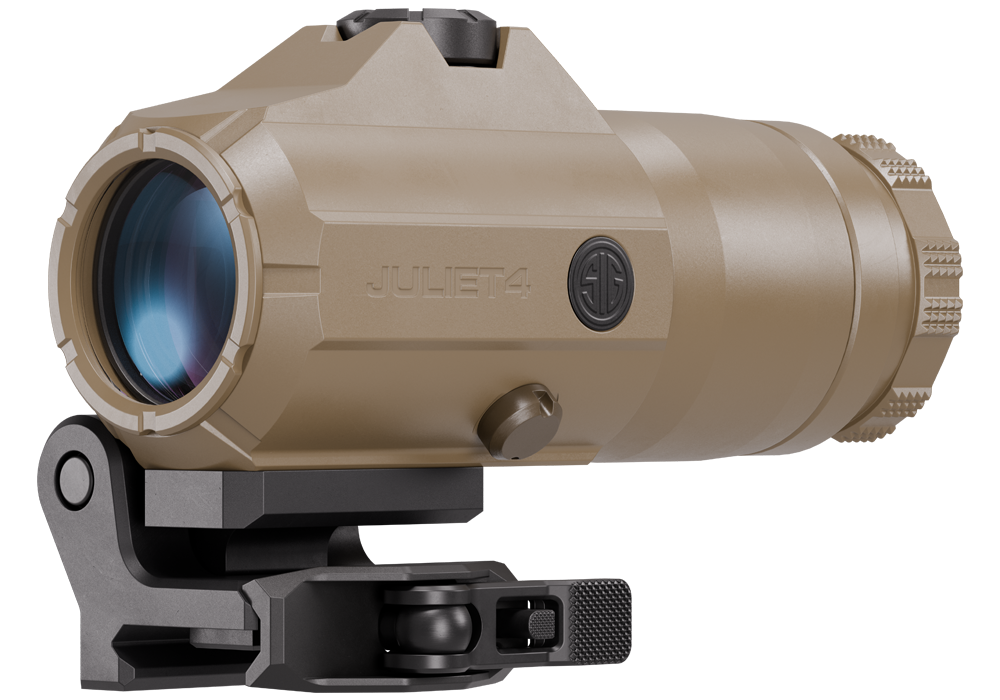
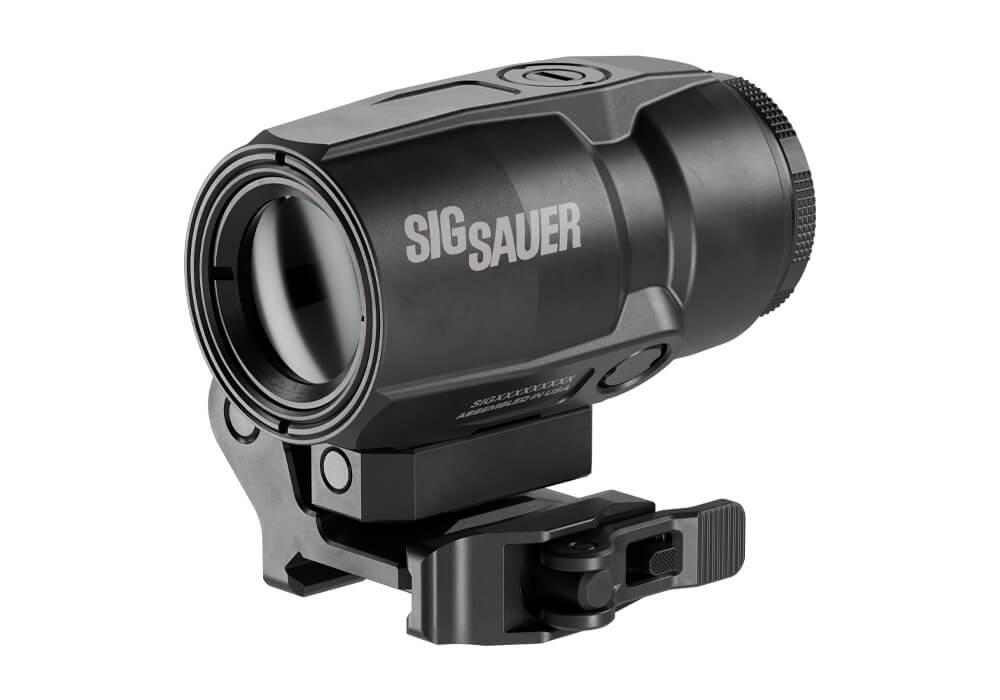
Mil Spec Magnifier Scopes for Rifles are designed for shooters who want the flexibility of magnified viewing without giving up the speed of a non-magnified red dot sight. Mounted behind a compatible reflex or red dot optic, a rifle magnifier can provide a clearer view of targets at intermediate distances while preserving a wide, unobstructed sight picture when magnification is not needed. Many of these systems use fixed 3x, 4x, or 5x magnification, with 3x often serving as a practical balance between field of view, target detail, and compact size. A 3x magnifier may help with target identification at distances where a red dot alone begins to feel limited, while a 4x or 5x option can offer additional detail for deliberate shots at extended ranges. These optics are commonly paired with modern sporting rifles, patrol-style carbines, and defensive rifle setups, and they can be useful for range practice, competition, training, and responsible field use where local laws permit. The most versatile configurations use a flip-to-side mount, allowing the magnifier to move out of the optical path with a quick, deliberate motion. This makes it possible to transition between a close-range, both-eyes-open sight picture and a magnified view without removing the optic from the rifle. A well-designed mount should lock securely in both positions, resist movement under recoil, and place the magnifier at the correct height and alignment behind the primary sight. Before choosing a Mil Spec Magnifier Scope for a Rifle, confirm the mounting footprint, rail space, optic height, and intended direction of the flip. Absolute or lower-third co-witness setups can change the relationship between the red dot and magnifier, so matching the magnifier mount to the height of the primary optic is essential for a centered reticle and comfortable cheek weld. Quick-detach mounts can also be useful when a rifle needs to change roles or when the shooter prefers the option of removing the magnifier without tools. A magnifier is not a replacement for a dedicated variable-power riflescope, but it can be an efficient way to add reach to a red dot-equipped rifle while keeping the controls and handling familiar.
Durability is central to the mil spec magnifier concept. Shooters often select these optics for rifles that may experience repeated recoil, transport in hard cases, contact with barricades, and changing conditions during outdoor practice. Look for a strong aluminum or similarly protective housing, secure adjustment controls, and a finish that can stand up to routine handling. Water-resistant construction, sealed joints, and internal nitrogen or argon purging can help limit moisture intrusion and reduce internal fogging when moving between a cool vehicle and warmer air, or when conditions shift during a long day outside. An IPX7-level waterproof rating or comparable protection may be valuable for users who train in rain, cross wet terrain, or store equipment through the cooler months, though no optic should be treated as indestructible. Glass quality matters just as much as exterior toughness. Clear lenses with effective light transmission can make it easier to distinguish a target against brush, shaded backgrounds, or uneven terrain, especially near dawn, dusk, or under overcast skies. Eye relief commonly falls in the approximate 2.2- to 2.7-inch range, but the correct choice depends on the rifle’s stock, shooting stance, and how quickly the shooter needs to establish a sight picture. More forgiving eye relief can make the optic easier to use from imperfect positions, while a compact body may better suit a rifle with limited rail space. Diopter adjustment is another practical consideration because it allows the user to focus the magnifier’s image to match individual eyesight. Magnification itself does not improve accuracy automatically; it simply makes the aiming reference and target appear larger, so a stable mount, consistent cheek placement, and appropriate zero remain important. Buyers should also consider overall length and weight, especially on lightweight rifles carried during extended range sessions or field outings. A compact magnifier can reduce interference with charging handles and rear backup sights, while a larger objective or more robust housing may provide a brighter image and additional protection. When comparing options, evaluate the complete system rather than the magnifier alone, including mount security, reticle alignment, eye relief, adjustment range, lens coatings, and compatibility with the rifle’s existing optic.
These magnifiers can suit experienced rifle owners refining an established setup, new shooters building a versatile carbine, or a practical gift for someone who already uses a compatible red dot sight and wants more flexibility from the same rifle. They are particularly helpful for shooters who move between close and intermediate distances during training, where an unobstructed red dot view is useful for quick engagement and magnification helps with careful observation or more precise aiming. During the warmer seasons, a magnifier may be carried to an outdoor range for zero confirmation, positional drills, and transitions between targets at varying distances. In the cooler months, sealed construction, reliable controls, and a mount that can be operated while wearing gloves become more noticeable advantages. Storage and maintenance also influence long-term performance: keep lenses covered when the rifle is not in use, remove dust with an air blower before wiping, and use only suitable lens-cleaning materials to avoid scratching coatings. Check fasteners periodically, verify that the flip-to-side mechanism still locks firmly, and confirm zero after installation, removal, or any hard impact. A magnifier should be selected around the rifle’s actual purpose rather than maximum specifications alone. Consider the distances normally encountered, the size of the available shooting area, the weight you are comfortable carrying, and whether rapid transitions matter more than the extra detail provided by stronger magnification. For users who expect exposure to rain, dust, temperature changes, or demanding transport, browsing related options such as All Weather Magnifier Scopes For Rifles can help narrow the search. With the correct height, eye relief, mount, and magnification, a Mil Spec Magnifier Scope for a Rifle can add useful capability without changing the familiar speed and simplicity of a red dot sight. Always follow the optic manufacturer’s installation guidance, use appropriate eye and ear protection, and handle every firearm as though it is loaded.