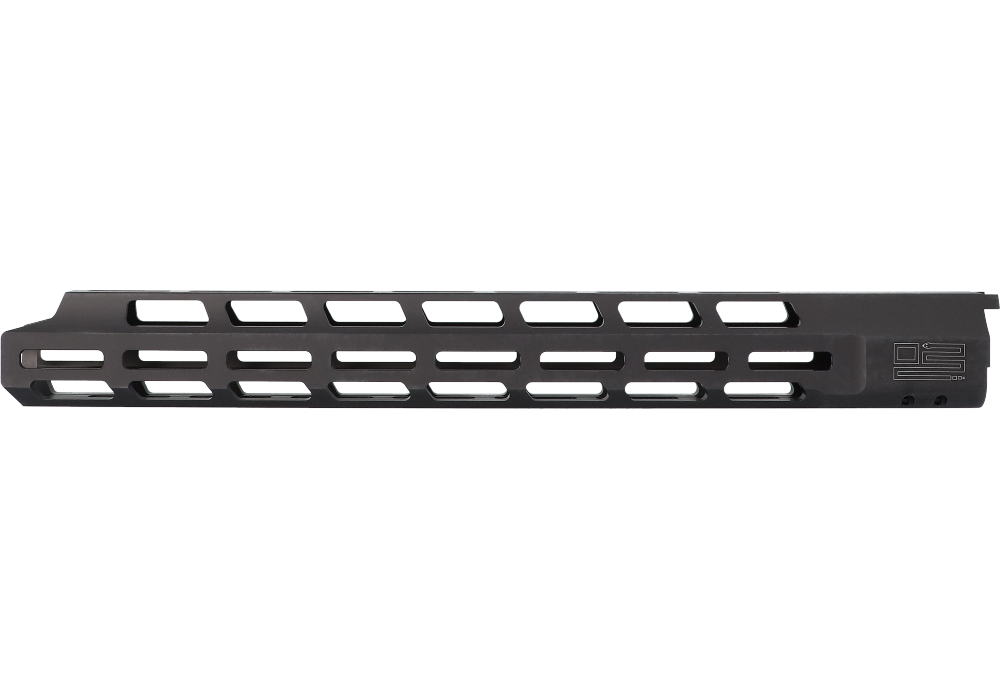
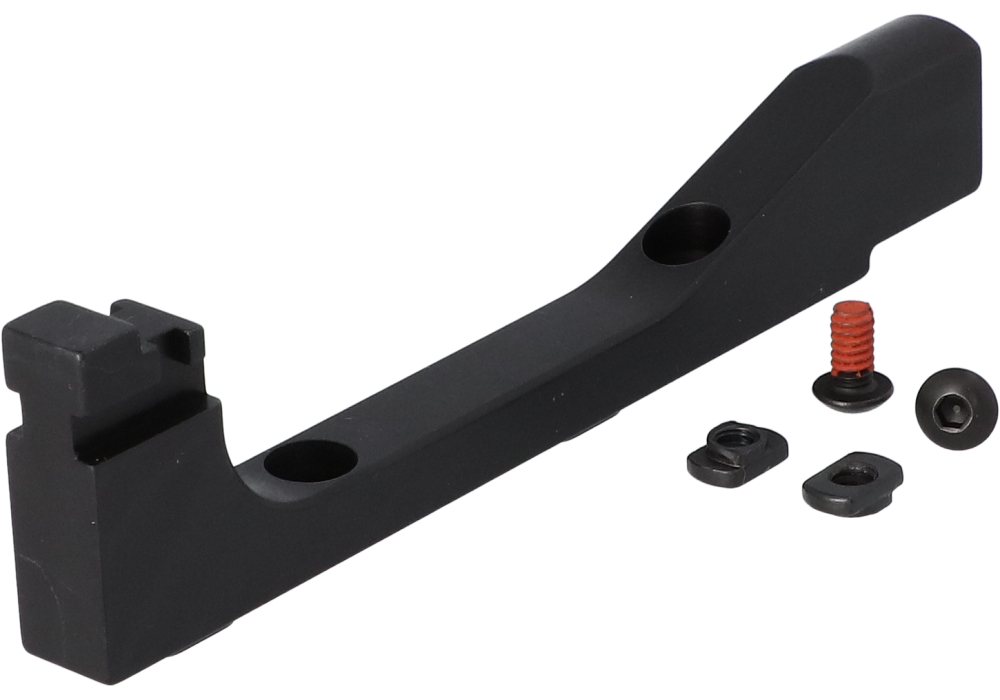
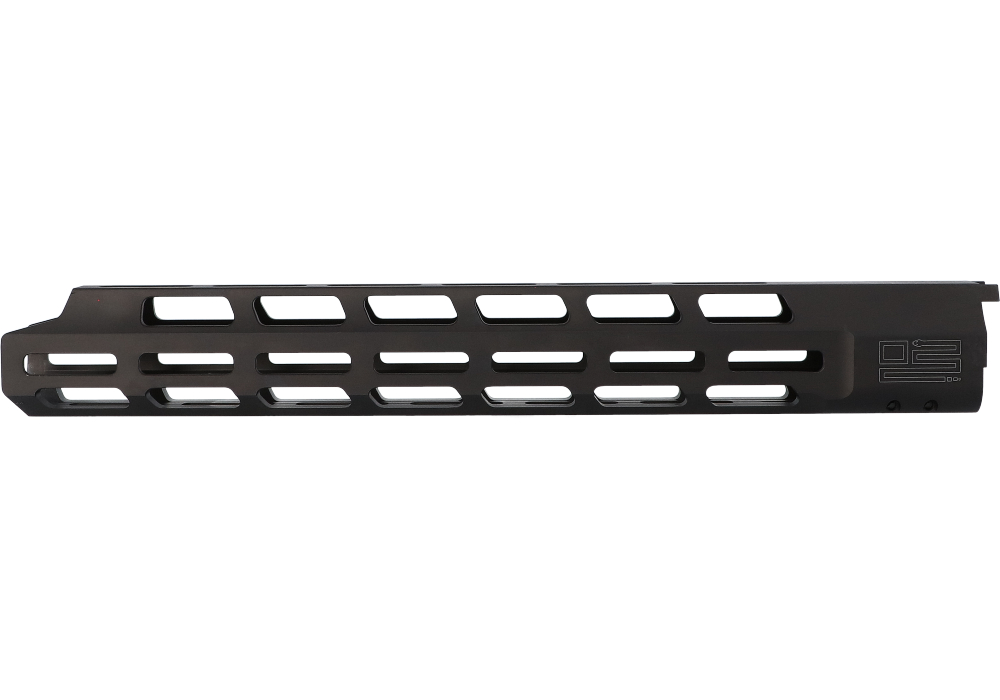
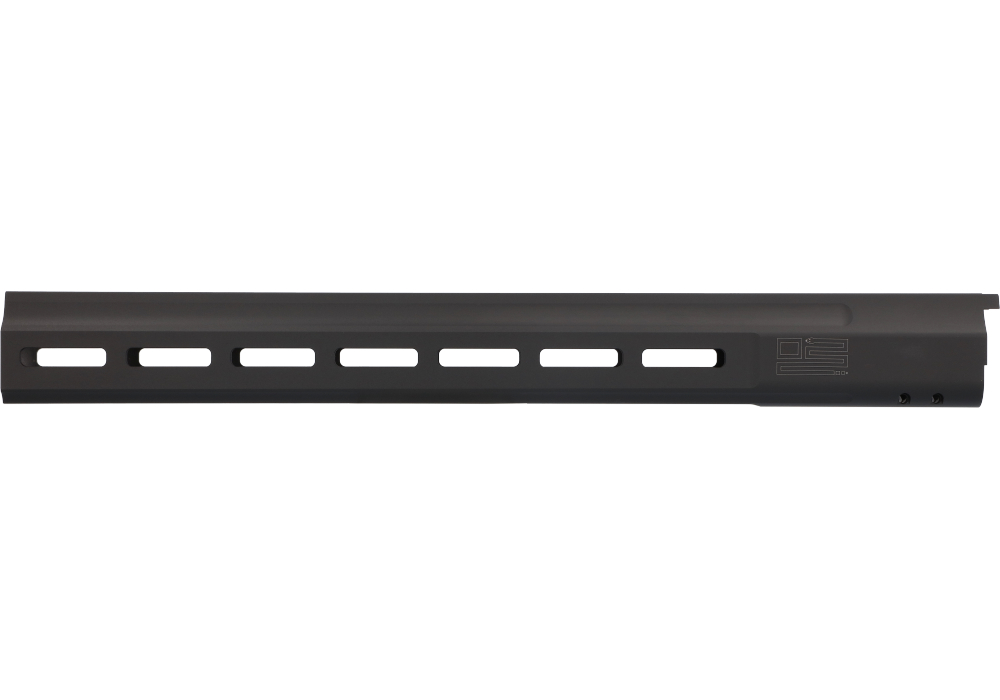
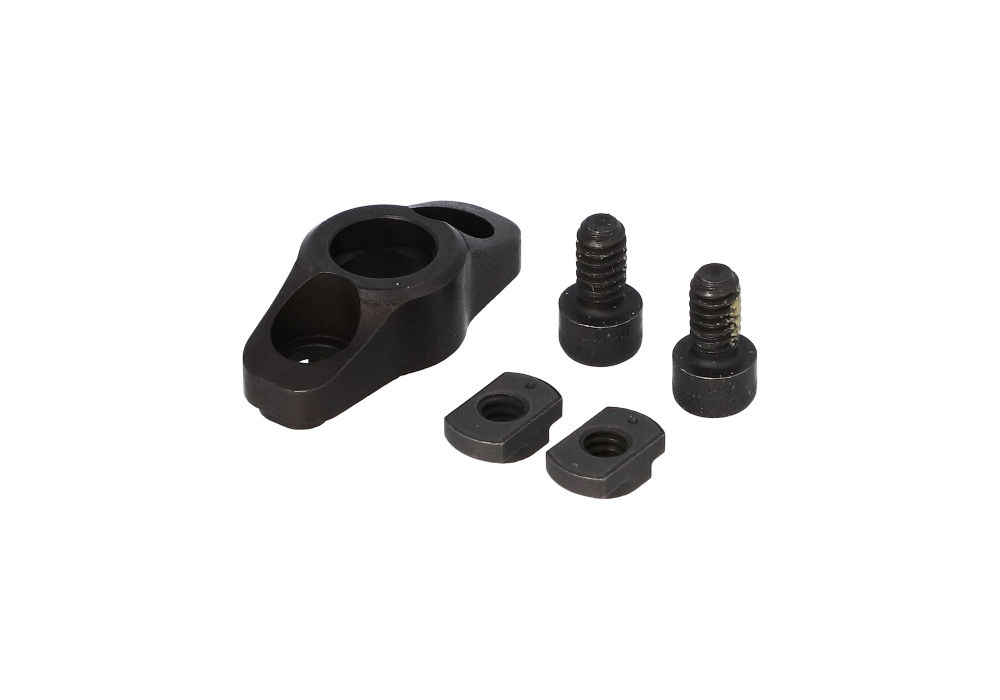
M-LOK accessories are modular attachments for handguards with compatible elongated mounting slots. Rather than requiring a full-length external rail at every attachment point, the interface allows compatible accessories to connect directly to the handguard with dedicated mounting hardware. That approach gives rifle owners flexibility in choosing where accessories sit while keeping unused areas comparatively smooth and uncluttered. The category includes rail covers, grip panels, hand stops, sling attachment points, light mounts, bipod mounts, cable-management components, and short rail sections for accessories that require a different mounting interface. Each serves a distinct purpose, so a useful setup starts with the rifle’s intended sporting or recreational role rather than the number of attachments it can accommodate. For a target shooter who spends time at a bench, support-related accessories may be more relevant than additional grip surfaces. Someone carrying a rifle between a vehicle, a range station, and a storage area may place greater value on a compatible sling connection and a comfortable handguard profile. Rail covers can add texture and help reduce direct contact with an exposed metal handguard, while hand stops provide a repeatable reference for hand placement. Cable-management accessories help keep compatible accessory wiring close to the handguard instead of leaving loose loops. Direct-mount components generally avoid the extra interface of a separate rail adapter, although the finished profile and weight depend on the individual design. A compact accessory can still feel prominent if it sits where the support hand naturally rests, and a longer panel may feel unobtrusive when its contours follow the handguard. These everyday differences matter when handling the rifle through an extended range session. M-LOK accessories offer a way to tailor those contact points and attachment locations without treating every open slot as something that needs to be filled. A restrained arrangement can preserve comfortable handling, leave room for an established grip, and simplify routine inspection.
Fit involves more than recognizing the M-LOK name on an accessory description. The handguard must support the interface, and the accessory’s dimensions, hardware, and mounting footprint must suit the intended location. Available slot length, neighboring attachments, handguard shape, and clearance inside the handguard can all affect compatibility. Mounting hardware also needs adequate internal space without contacting the barrel or other components. An accessory that spans several slots may occupy space needed by another attachment, while an offset design can extend beyond the slot where it connects. For accessories that attach through a conventional rail interface, MLOK Rails provide a related option for creating an attachment surface on a compatible handguard. The accessory on top must match that rail interface as well; M-LOK compatibility describes the connection to the handguard, not every connection in the finished arrangement. Materials introduce another set of practical differences. Aluminum is common in mounts and rail sections because it combines relatively low weight with rigidity, while reinforced polymer is often used for covers and contact surfaces where texture and comfort are priorities. Steel may appear in fasteners, attachment hardware, or other areas subject to concentrated stress. Exact construction varies, and material alone does not establish the durability of an entire accessory. Dimensions, hardware quality, protective finishes, and the demands placed on the attachment all contribute. Anodized aluminum and coated steel surfaces can resist routine wear and corrosion, but neither should be treated as immune to abrasion or neglect. Polymer components also vary in stiffness, surface texture, and resistance to cleaning chemicals. Rounded edges, consistent molding or machining, and a finish that feels comfortable against the hand are meaningful details, especially on accessories touched throughout a range visit. Manufacturer specifications remain the right reference for compatible hardware, installation requirements, and fastener torque. Generic torque figures are not a substitute for the instructions supplied for a particular accessory and handguard combination, especially when different materials are involved.
Long-term satisfaction with M-LOK accessories often comes down to how well their shape and placement suit ordinary use. A textured panel should feel secure without creating an abrasive contact point during repeated handling. A sling attachment should work with the intended sling connector and leave comfortable space for the hand. A support mount should match the support accessory’s connection type rather than merely resemble it. Even small differences in height, width, or projection can change how a rifle rests in a padded case or fits alongside other equipment in a range bag. Those details are worth considering alongside weight, especially when several accessories share the same handguard. Routine care is generally straightforward, but the correct approach depends on the materials and finish. Dust, grit, and cleaning residue can collect around slots, beneath panels, and near mounting hardware. Care consistent with the manufacturer’s instructions helps protect those surfaces without exposing polymer or protective coatings to unsuitable solvents. Periodic inspection can reveal worn hardware, damaged panels, or a connection that needs attention before the next range visit. Accessories should not obscure areas that require inspection or interfere with the firearm’s normal operation, and any maintenance or installation should follow the applicable safety instructions. For experienced recreational shooters, hunters, and range enthusiasts, a well-matched accessory can be a practical addition because it addresses a specific preference rather than changing the entire firearm. The same specificity matters when choosing a gift. Knowing the recipient’s handguard interface, existing attachments, preferred grip feel, and intended use is more helpful than selecting by appearance alone. Someone satisfied with an uncluttered handguard may appreciate a modest contact surface, while another shooter may need a compatible connection for equipment already owned. The strongest choices balance a clear purpose with verified fit, durable construction, manageable weight, and straightforward upkeep, resulting in an arrangement that remains comfortable and useful beyond its first outing.