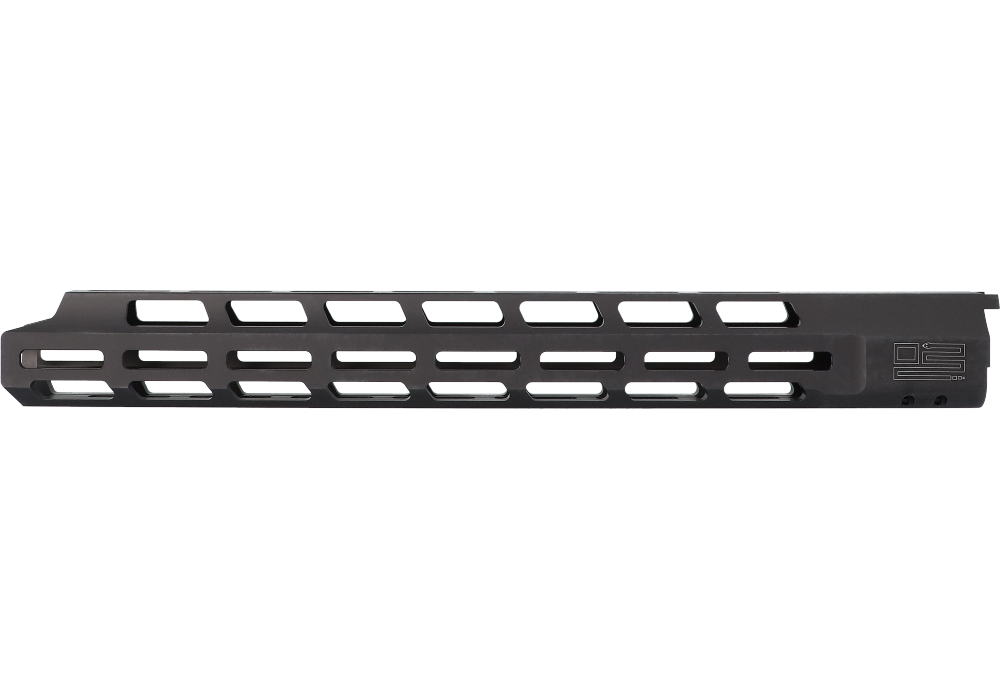
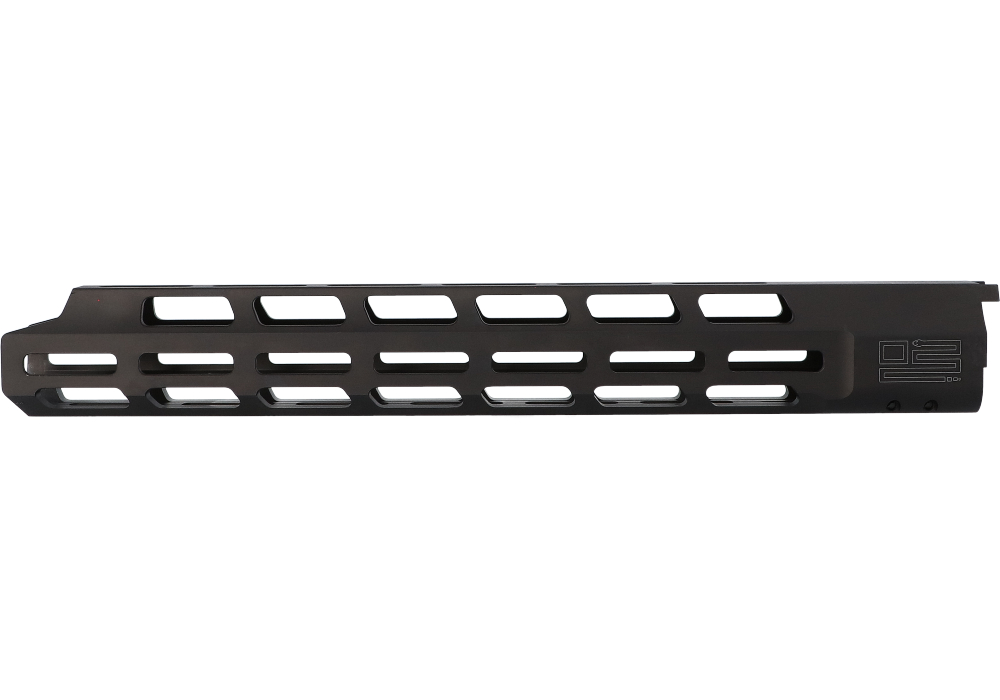
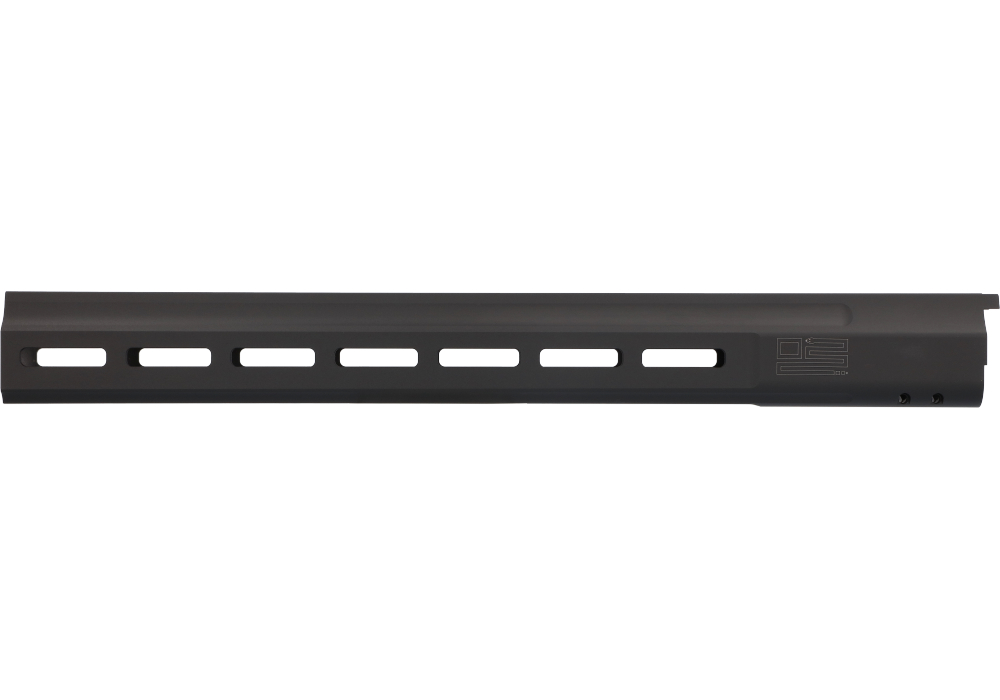
M-LOK rails provide modular mounting points for compatible firearm accessories through a system of elongated slots and matching attachment hardware. The term can describe a handguard with M-LOK slots or a separate rail section that attaches to those slots, so the distinction matters when comparing options. A handguard forms the forward gripping surface around the barrel, while an accessory rail section provides a mounting surface along a portion of that handguard. Some accessories connect directly to the M-LOK interface; others require a compatible rail section between the accessory and the handguard. This modular approach allows different mounting surfaces to coexist without requiring a continuous accessory rail along every side. For recreational range use, organized shooting sports, and hunting applications, that flexibility can help keep the firearm’s configuration suited to its actual purpose. A rifle used primarily from a shooting bench may have different accessory requirements than one carried over longer distances, and the most useful configuration is not necessarily the one with the most attachment points occupied. Unused sections can remain clear, preserving a less crowded gripping surface and avoiding unnecessary weight. Rail length, profile, and placement also influence how the finished setup feels, particularly where the support hand naturally rests. Smooth transitions and carefully finished edges can matter as much as the number of available mounting positions. M-LOK and Picatinny describe different interfaces rather than interchangeable names for the same connection: M-LOK uses slots and compatible attachment hardware, while Picatinny uses a raised rail with transverse slots. A rail section can bridge those interfaces when its specifications support the intended combination. Understanding that relationship helps distinguish a replacement handguard from a mounting adapter and keeps product comparisons focused on function rather than appearance alone. The practical appeal of M-LOK rails is this choice between direct attachment and selective use of rail sections, with the handguard serving as the foundation for either approach.
Materials and construction deserve close attention because a rail is part of a connected assembly, not an isolated piece of hardware. Aluminum is common in handguards and accessory rail sections because it combines relatively low weight with useful rigidity. Alloy, machining quality, wall thickness, and overall geometry all contribute to how a component handles routine use; material names alone do not establish strength or suitability. Some rail sections use reinforced polymer, which can offer a different balance of weight, surface feel, and durability. Compatibility and intended loading still depend on the manufacturer’s specifications. Steel attachment hardware is also common, but the quality of the complete interface matters more than any single material claim. Protective finishes can help resist surface wear and corrosion, though contact with supports, cases, and other equipment may still leave cosmetic marks. Consistent machining, clean slot edges, and an even finish are useful details to consider alongside dimensions. Fit requires equal care. An M-LOK interface identifies the accessory mounting system; it does not establish that a handguard will fit every firearm or that every accessory will clear the components beneath it. Handguard attachment systems, platform specifications, internal clearance, and the dimensions of neighboring equipment remain separate considerations. A rail section also needs appropriate clearance for its attachment hardware, even when its external dimensions appear suitable. Published measurements and compatibility statements are more dependable than a similar-looking profile in a photograph. Weight deserves context as well: a lighter component may appeal to someone who carries a firearm frequently, while another user may place greater emphasis on stiffness or a particular handguard shape. Neither preference eliminates the need for correct fit. Intended use, construction, and compatibility work together, and no single dimension tells the whole story. Where specifications leave uncertainty, confirmation from the manufacturer or an assessment by a qualified gunsmith is preferable to assuming that matching slot patterns guarantee a suitable combination.
Everyday comfort and straightforward upkeep help determine whether M-LOK rails remain a good match after the initial selection. A broad, rounded handguard and a narrower, more angular profile can feel quite different even when their lengths are similar. Rail sections introduce another surface, so edge treatment, projection from the handguard, and proximity to the gripping area all deserve consideration. Someone spending an afternoon at a range may notice a raised edge or an awkward transition more readily than a small difference in listed weight. Carrying cases and storage arrangements matter, too: protruding accessories can change the space a firearm requires and create additional contact points against a case lining. Care should follow the component manufacturer’s recommendations, including guidance for finishes, cleaning products, and attachment hardware. Routine attention generally centers on keeping exposed surfaces clean, removing residue with suitable materials, and checking for visible wear, damage, or movement. Abrasive cleaning methods and unapproved chemicals can affect protective finishes, while excessive residue around interfaces can obscure their condition. Any concern about secure attachment or damaged hardware warrants attention before further use, with installation and service handled according to the relevant manufacturer’s requirements. For shoppers comparing a broader setup, MLOK Accessories provides related options to consider alongside the rail interface itself. Compatibility remains the starting point whether the selection is for personal equipment or a gift. A thoughtful gift for a recreational shooter or hunter depends on knowing the recipient’s firearm platform, existing handguard, and intended accessory interface rather than choosing solely by color or length. Matching finishes can create a cohesive appearance, but a visually similar component is not necessarily mechanically compatible. The strongest choice balances practical dimensions, comfortable surfaces, appropriate materials, and documented fit. With those details aligned, M-LOK rails offer an adaptable foundation for sporting equipment without requiring every available mounting position to serve a purpose.