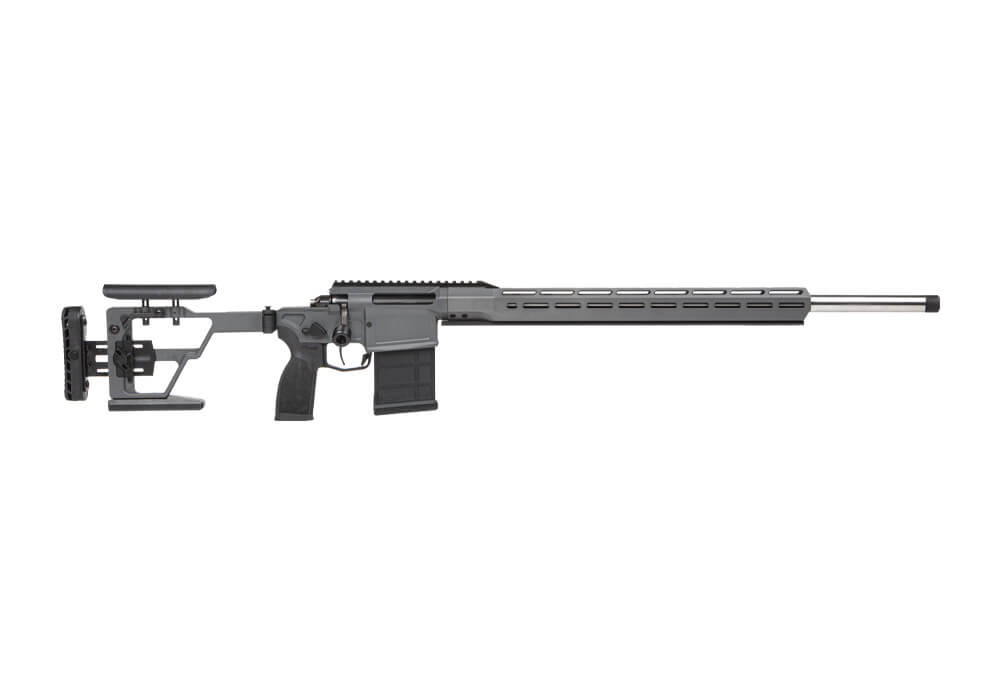
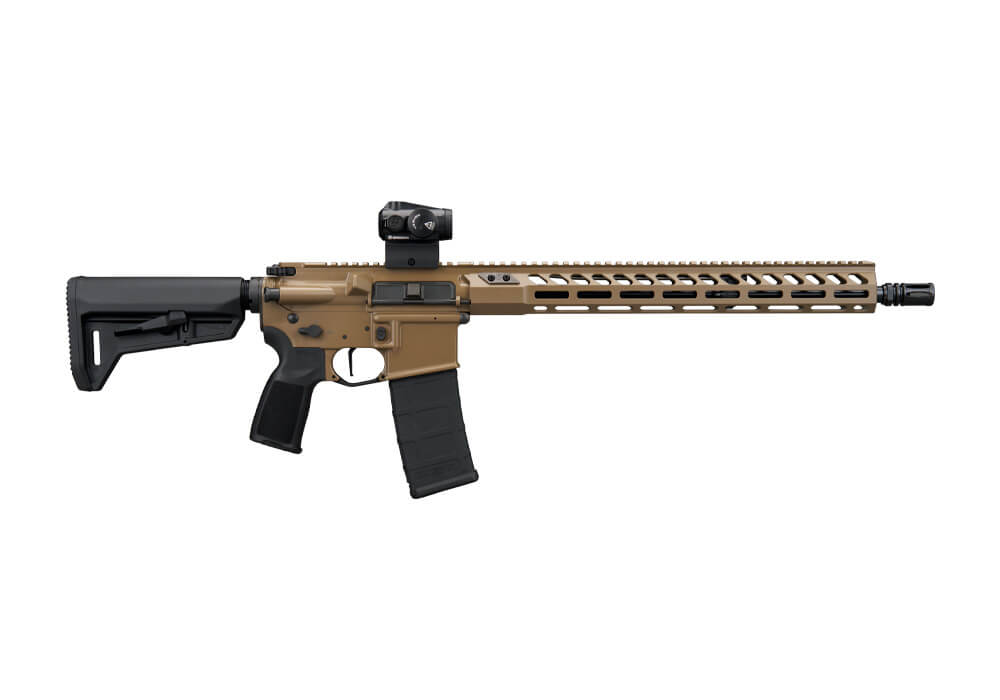
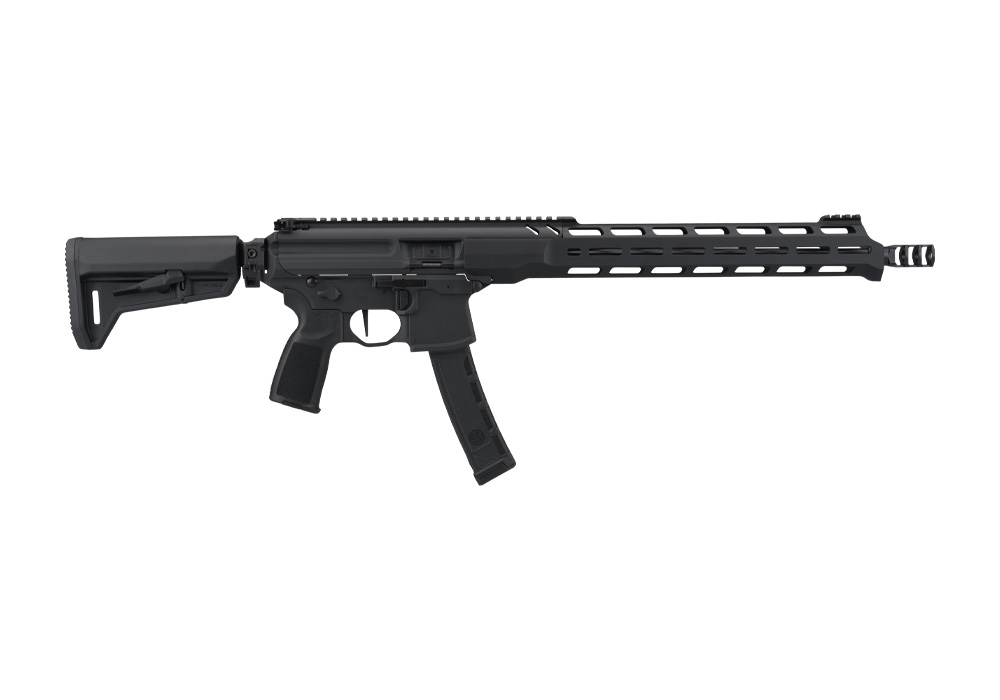
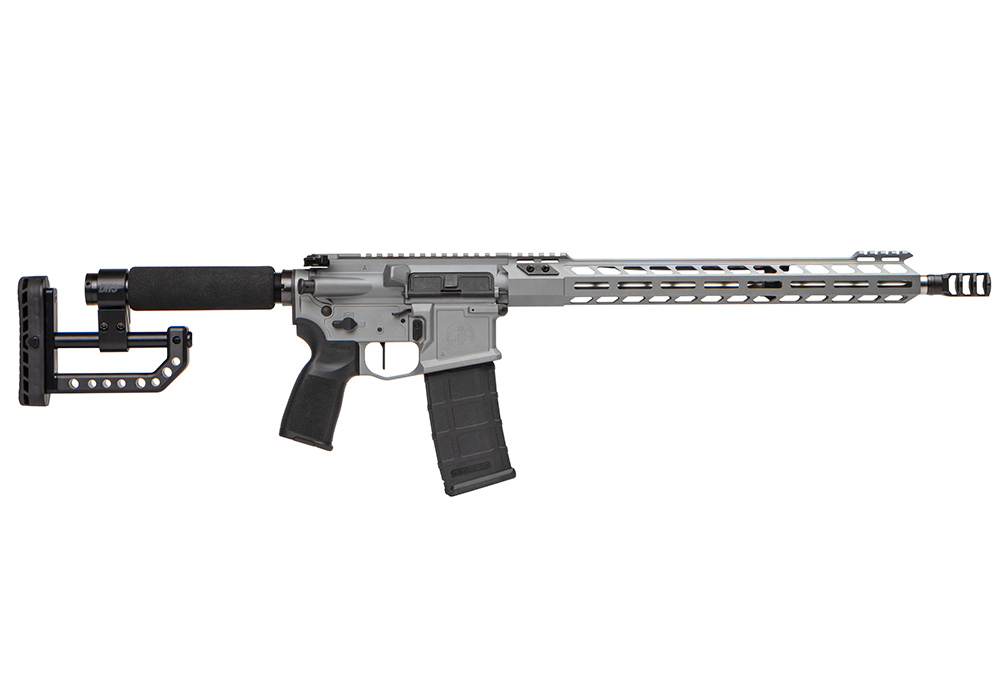
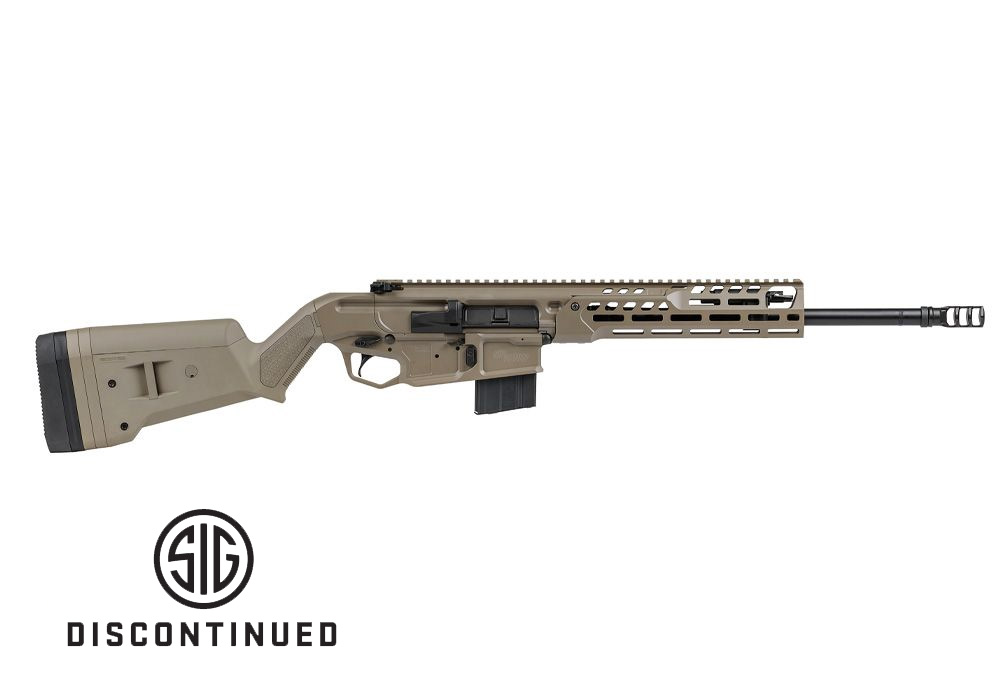
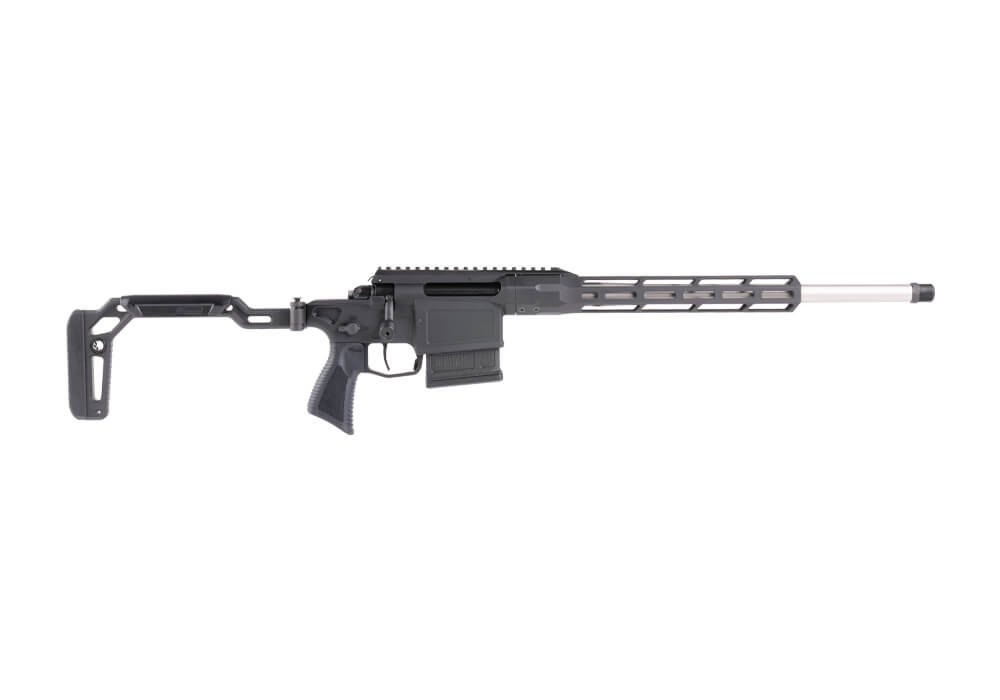
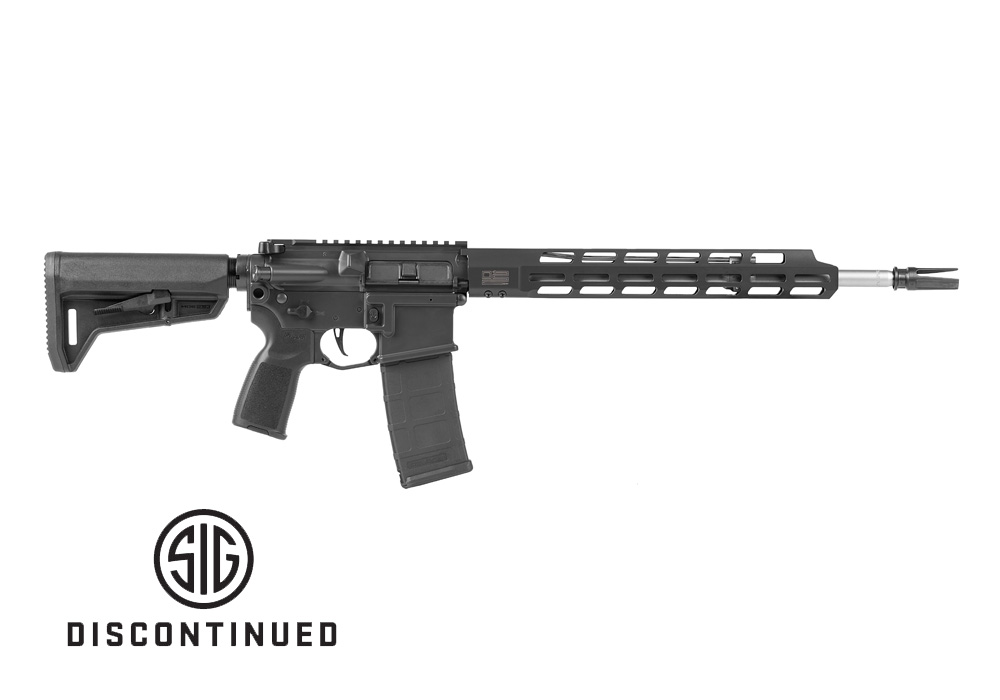
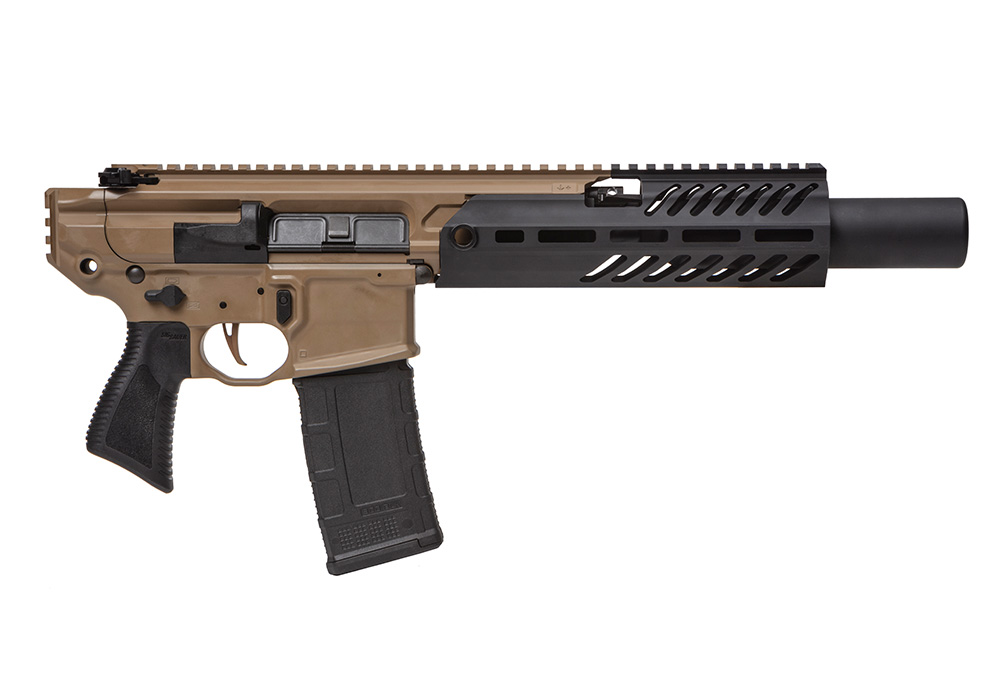
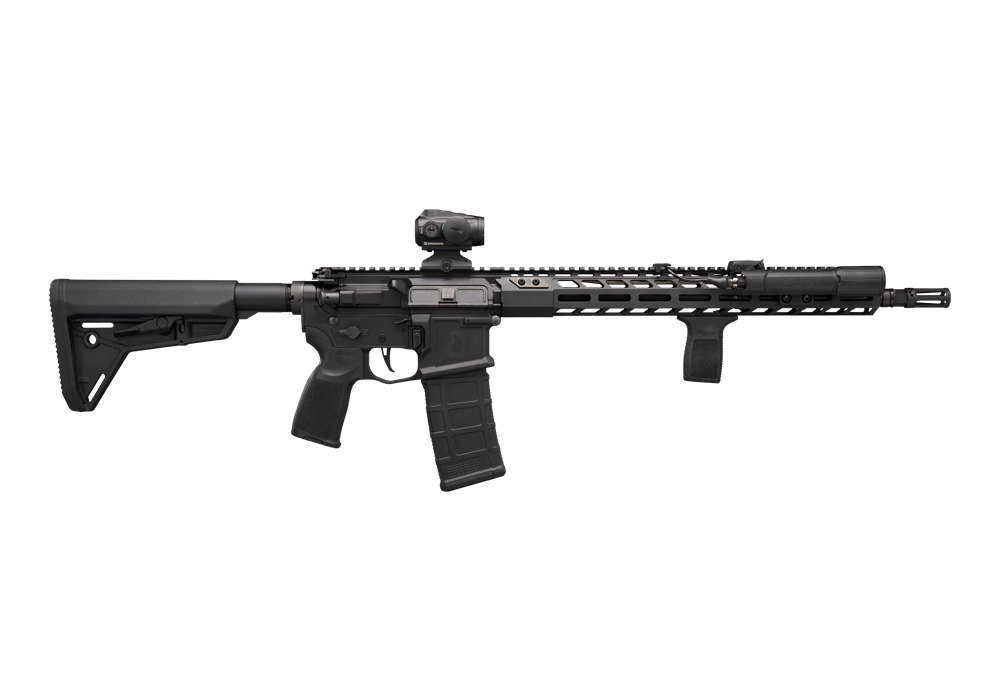
Modern AR platform rifles are modular, semi-automatic firearms built around the adaptable AR-15 or AR-10 pattern. Their appeal comes from a practical combination of familiar controls, manageable weight, broad parts compatibility, and the ability to configure a rifle around a shooter’s intended use. Many modern examples are chambered in 5.56x45mm NATO or .223 Remington, a versatile choice for recreational target shooting, training, competition, and lawful defensive applications. Larger-frame variants commonly chamber .308 Winchester and other rifle cartridges when additional reach or energy is part of the shooting plan. Buyers will also encounter configurations for .300 Blackout, 6.5 Grendel, 9mm, and other cartridges, although each option brings different considerations for ammunition availability, recoil, barrel length, and intended range. A typical rifle may feature 7075-T6 aluminum receivers, a corrosion-resistant finish, a free-float handguard, and an M-LOK attachment system for mounting a sling, light, or other compatible accessory. Direct-impingement operating systems remain popular for their straightforward design and familiar maintenance routine, while piston-driven systems appeal to shooters who prefer an alternative operating arrangement. Across these configurations, details such as barrel length, twist rate, gas system, stock design, trigger characteristics, and optic-ready mounting surfaces can make a noticeable difference in how a rifle handles. A shorter configuration may feel quick and convenient in confined spaces or during practical drills, while a longer barrel can offer a steadier balance and increased velocity with suitable ammunition. The best choice is the one that fits the shooter’s experience, physical comfort, storage plan, and purpose rather than simply the one with the longest accessory list.
When comparing modern AR platform rifles, start with the fundamentals. A well-fitted rifle should feel natural when shouldered, with controls that are easy to reach without shifting the firing hand and a stock that provides a consistent cheek position behind the optic. Consider whether a fixed or adjustable stock better suits the intended users, how the handguard feels during extended practice, and whether the overall weight remains comfortable when a sling, optic, and light are installed. A free-float handguard can help preserve consistent barrel performance by keeping accessories from pressing against the barrel, while a durable M-LOK interface makes it easier to add only the equipment that serves a real purpose. Optic compatibility matters as well: a red dot sight may be fast and uncluttered for close-range practice, while a variable-power optic can support more deliberate shooting at changing distances. The trigger should offer a predictable break, and the safety, magazine release, charging handle, and bolt catch should operate positively. Magazine compatibility and ammunition availability deserve attention before purchase, particularly for less common chamberings. Standard-capacity magazines may be suitable for many range sessions, while extended-capacity options can reduce interruptions where lawful and appropriate. Reliability is influenced by the complete system, including ammunition, magazines, lubrication, and maintenance, so a rifle should be evaluated as a working platform rather than a collection of individual features. For anyone new to the pattern, an introductory safety course and supervised range time can build confidence faster than accessories alone. During warmer weather, a sling and properly fitted eye and ear protection make outdoor sessions more comfortable; during cooler months, gloves and clothing should still allow clear access to the controls.
These rifles may serve experienced enthusiasts, new shooters building a training setup, competitors seeking a configurable platform, or responsible owners preparing for lawful home-defense use. They can also be meaningful gifts for an adult family member or close friend who has demonstrated a genuine interest in shooting sports, provided the recipient is legally eligible and the transfer is completed through the required process. A gift should include time for safe instruction, secure storage, and a thoughtful conversation about responsibility rather than being treated as an impulse purchase. For many owners, the first range session is memorable: the rifle rests securely on the bench, the optic is adjusted one careful click at a time, and a few magazines reveal more about fit and handling than a long list of specifications ever could. That process helps determine whether a lighter carbine, a softer-shooting mid-length configuration, or a larger-frame rifle is the right direction. Shooters looking for a familiar 5.56 setup can also explore Modern Sporting 5.56 Rifles while comparing barrel profiles, furniture, sighting systems, and overall configuration. Before completing a purchase, review applicable federal, state, and local laws, confirm any age or transfer requirements, and plan for locked storage that keeps the firearm inaccessible to unauthorized users. A quality case, chamber flag, cleaning supplies, spare magazines, and a dependable sling are practical additions, but training and safe habits remain the most important equipment. With the right fit, a clear purpose, and consistent care, a modern AR platform rifle can provide a durable, adaptable foundation for range practice and responsible ownership through changing seasons.