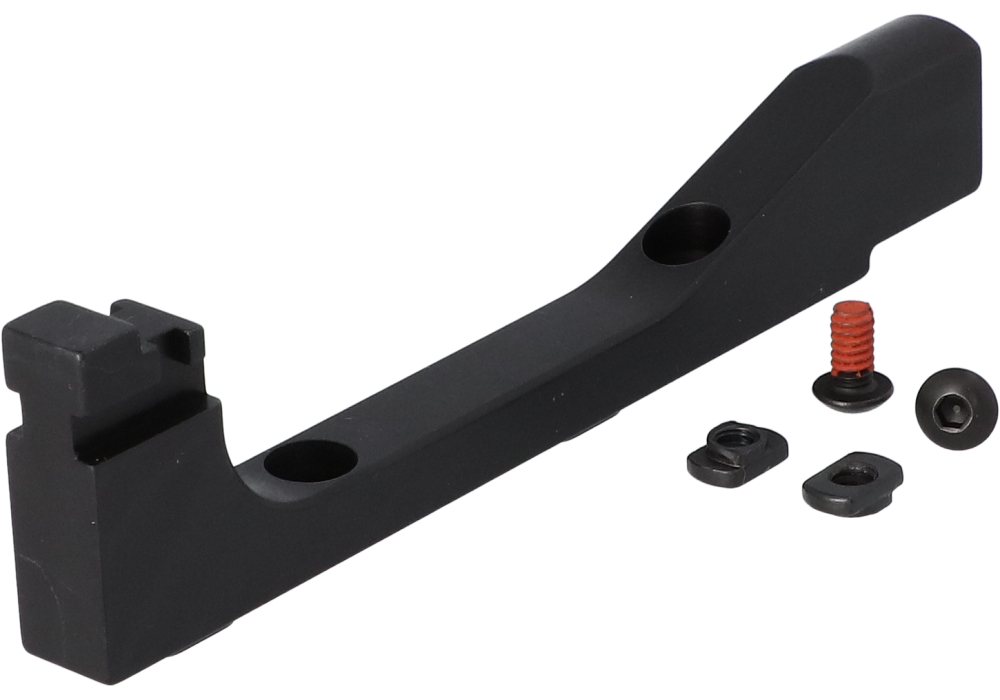
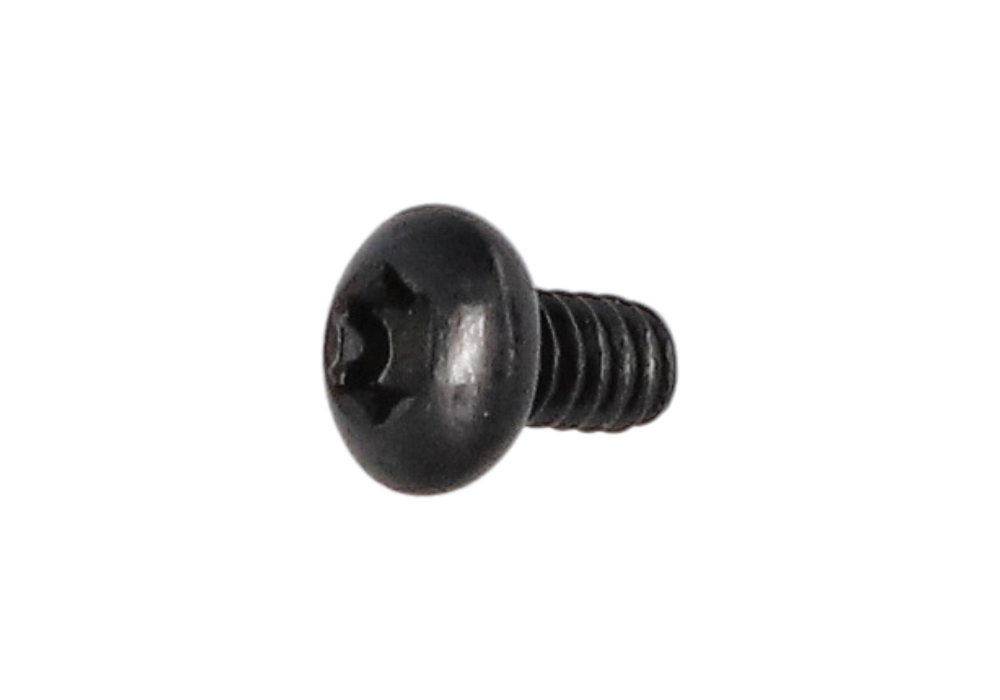
Mounting hardware includes the fasteners, plates, brackets, rings, and spacers that secure a component to a compatible supporting surface. For shooting equipment, these small parts provide the connection between an accessory and the platform that supports it. Their role is straightforward, but their suitability depends on more than appearance: dimensions, materials, mounting patterns, and the surfaces they contact all influence fit. Two screws can look nearly identical in a package yet differ in thread pitch, length, head profile, or the way they seat against a mounting surface. Likewise, two plates with similar outlines may support different interfaces. Choosing mounting hardware begins with identifying the exact compatibility requirements of both connected components, rather than assuming a familiar shape means a match. Manufacturer specifications are the most useful reference for determining whether a connection is appropriate. The complete interface matters, including any required intermediate plate, spacer, or compatible fastener. Where an interface calls for a separate adapter, Mounting Plates are a related category to consider when comparing mounting patterns and supported configurations. A plate serves a different purpose from the screws that secure it, so neither should be treated as a substitute for the other. This distinction is especially relevant when replacing missing hardware, maintaining an existing setup, or selecting components for equipment with a different mounting interface. A familiar accessory name alone may not identify the correct connection, particularly when different generations or configurations use different mounting arrangements. Checking the full model designation and the manufacturer's compatibility information helps narrow the selection without relying on guesswork. Clear specifications also help distinguish hardware intended for a particular interface from general-purpose fasteners that happen to look similar. For a category built around small components, that attention to detail is central to an informed purchase. The useful comparison is not simply which piece looks strongest or most substantial, but which one has the documented fit and intended function for the equipment involved.
Materials and construction influence how mounting hardware handles repeated use, contact pressure, and routine maintenance. Steel is commonly selected where strength, wear resistance, and durable threads are important, while aluminum can offer a useful balance of rigidity and lower weight in components designed for it. Neither material is automatically the better choice across every application. The shape of the component, its dimensions, its finish, and the loads it is intended to handle matter alongside the material itself. A heavier part is not necessarily a better-fitting part, and a lighter one is not necessarily less suitable. Protective finishes can help resist surface wear and corrosion, although a finish does not eliminate the need for proper care. Machining quality also deserves attention. Clean edges, consistent threads, and accurately formed contact surfaces contribute to a connection that seats as intended rather than depending on excessive force to overcome a mismatch. Hardware that appears close in size can still differ in ways that affect compatibility, particularly where a screw head must sit within a recessed opening or a plate must meet a defined mounting surface. Overall dimensions can influence clearance around nearby components, while the height and shape of a mounting interface can affect how an accessory occupies space on the platform. These are reasons to compare documented dimensions rather than judge fit from a photograph alone. A low-profile appearance, for example, does not establish that a component will clear adjacent features or suit a particular configuration. The same care applies when comparing metric and inch-based fasteners; similar-looking threads are not evidence of interchangeability. Matching the specified hardware preserves the intended relationship between the connected parts. If compatibility information is incomplete or a connection does not behave as expected, clarification from the manufacturer or a qualified professional is more useful than an improvised substitution. Mounting hardware should suit the application as specified, with no need to force parts together or alter components to compensate for an uncertain fit.
Intended use helps put these details into perspective. A recreational shooter maintaining familiar equipment may need replacement hardware that matches an existing configuration, while a competitive participant may be checking compatibility across equipment used repeatedly at the range. Hunters and professional users can also have distinct requirements for weight, clearance, and durability, but the foundation remains the same: the hardware must be appropriate for the connected components and their intended application. Recoil and routine handling place demands on mounting connections, making sound fit and ongoing inspection more meaningful than cosmetic similarity. Care is generally uncomplicated, though it should follow the instructions for the particular components and their finishes. Dirt, cleaning residue, and corrosion can obscure the condition of small parts, while damaged threads or distorted contact surfaces deserve professional evaluation rather than continued use based on appearance alone. Unusual movement, visible damage, or a connection that no longer behaves normally warrants attention before the equipment returns to service. Manufacturer guidance should govern cleaning methods, approved maintenance materials, and any required professional service. Small hardware is also easier to manage when its identity stays attached to it. Keeping unused components in labeled packaging, together with compatibility details, reduces confusion between similar-looking pieces during later maintenance. A mixed container of screws may be convenient for household repairs, but it is a poor reference for equipment that calls for a defined thread, length, and head shape. For someone choosing mounting hardware as a practical gift, confirmed compatibility matters more than visual appeal; an exact equipment reference is far more helpful than a general description of what the recipient owns. Across replacement, maintenance, and equipment planning, the best selection is grounded in accurate information. Mounting hardware rarely attracts the same attention as the accessory it supports, yet its fit, material, finish, and condition all deserve careful consideration. Understanding those details helps turn a collection of small parts into a coherent, properly matched connection designed for its intended role.