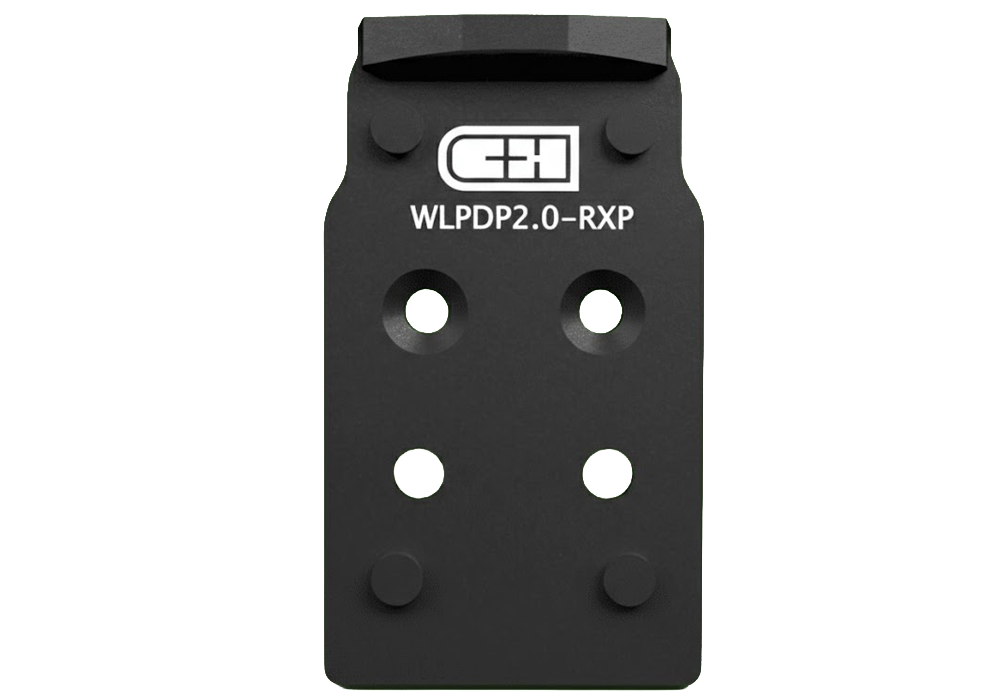
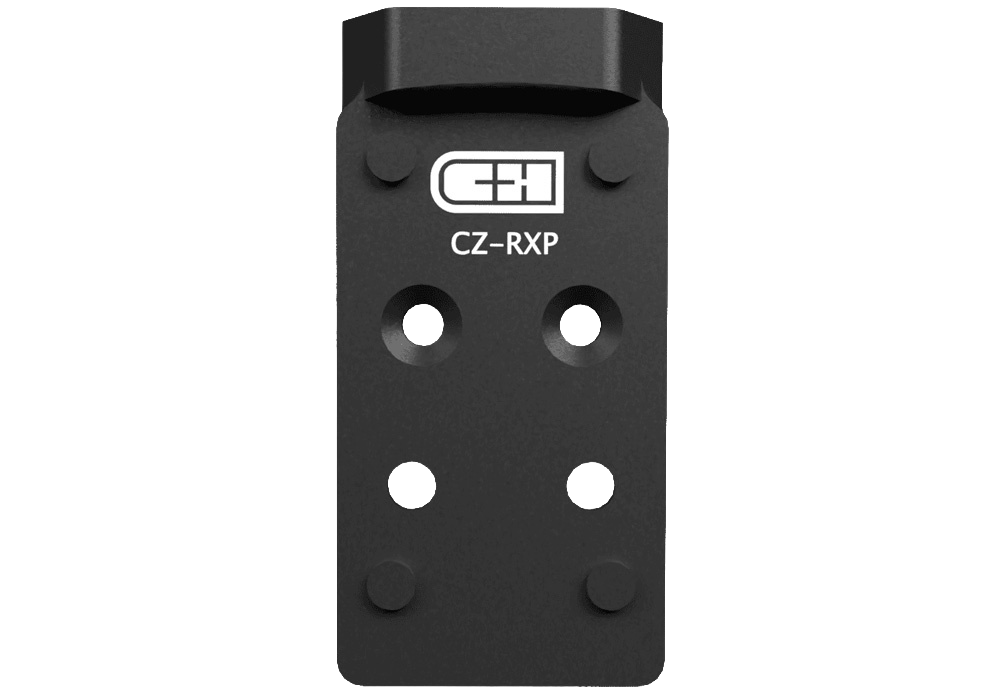
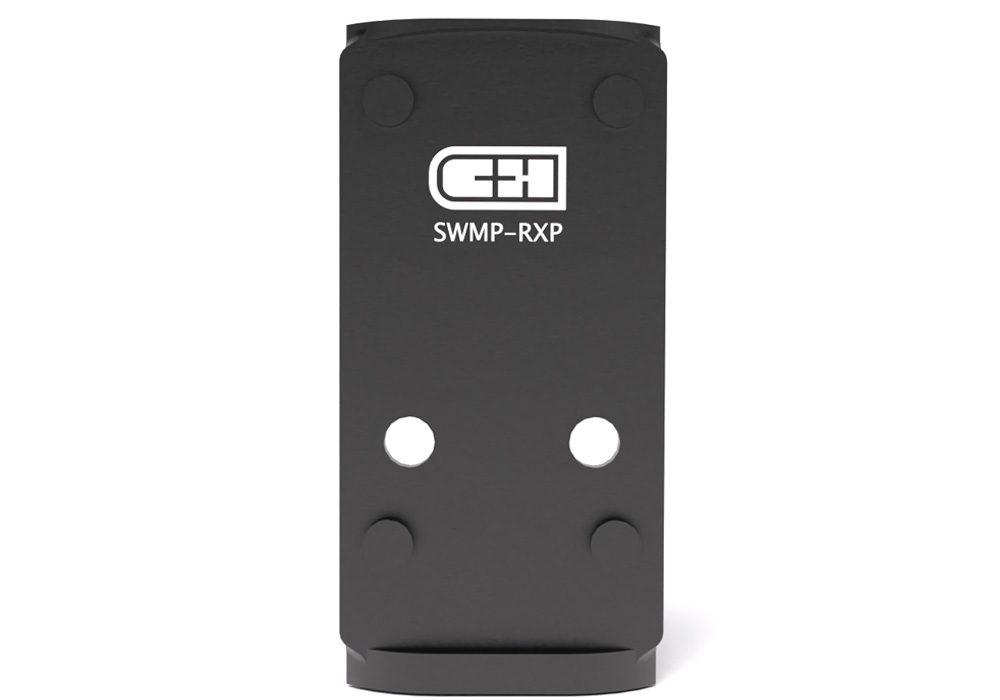
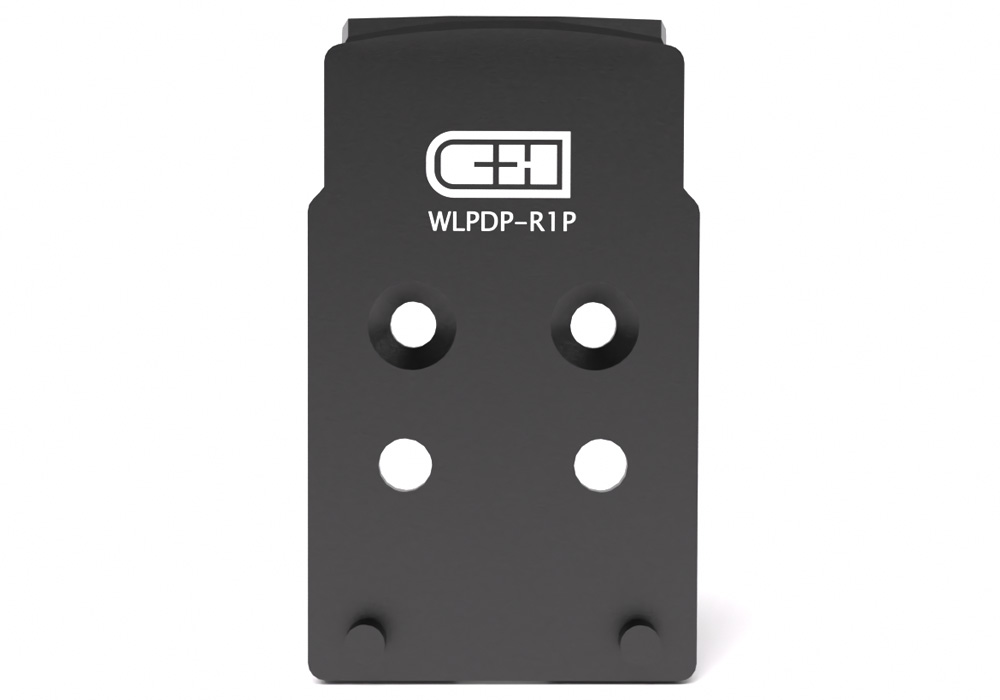
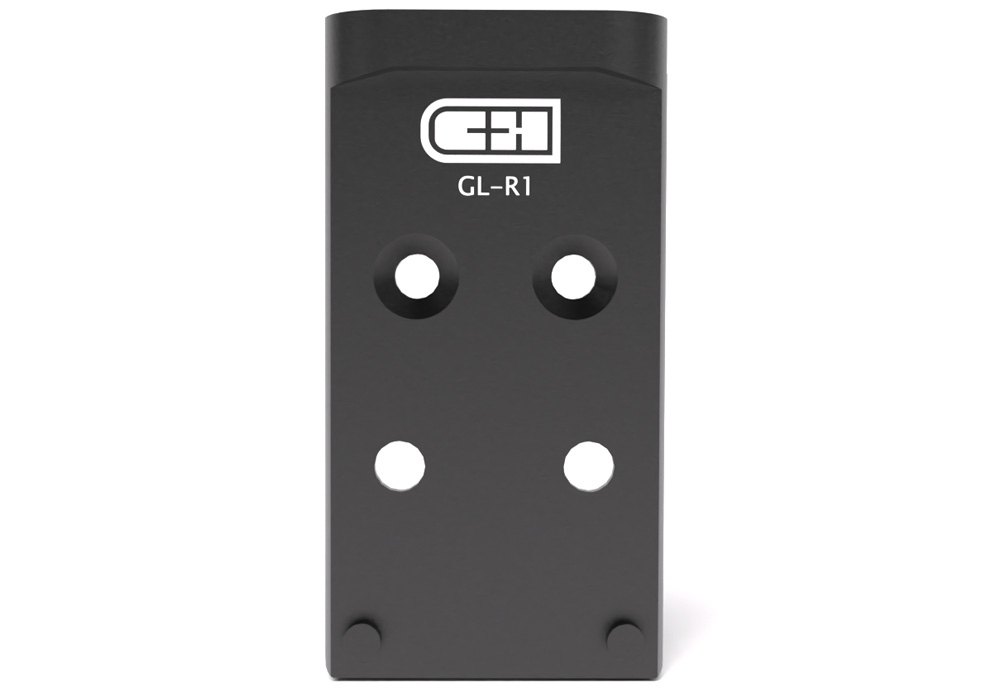
A mounting plate is a flat or shaped component that provides an attachment interface between an accessory and a compatible mounting surface. In firearm optics, mounting plates commonly connect a sight to a handgun slide or another mounting base when the two do not share a direct attachment pattern. The plate serves as an intermediate interface, aligning the attachment points and supporting the sight according to the design of the complete assembly. Although it is a relatively small component, its dimensions and geometry matter: screw-hole spacing, locating features, underside contours, and overall thickness all influence whether the connection fits as intended. A sight footprint describes more than the general outline of an optic. It can include the arrangement of mounting holes, recesses, and recoil-support features that must correspond with the plate. The firearm side of that plate has its own requirements, so compatibility depends on both interfaces rather than the sight alone. Two slides with similar-looking optic cuts may require different plates, just as two sights with similar housings may use different attachment patterns. That distinction makes precise compatibility information more useful than appearance or a broad description such as “optic ready.” Mounting plates also differ from cover plates, which generally protect or finish an unused mounting recess rather than provide an interface for a sight. Some firearm configurations accept an optic directly, while others use a dedicated adapter as part of the intended mounting arrangement. Neither approach makes every plate interchangeable. For anyone comparing mounting plates, the most meaningful starting point is the exact firearm configuration, the optic’s specified footprint, and the hardware requirements established for that combination. A well-matched plate belongs within a complete, compatible assembly; it is not a universal solution for connecting unrelated parts. Understanding that role helps keep attention on fit and support instead of treating a plate as a simple spacer selected only by its external dimensions.
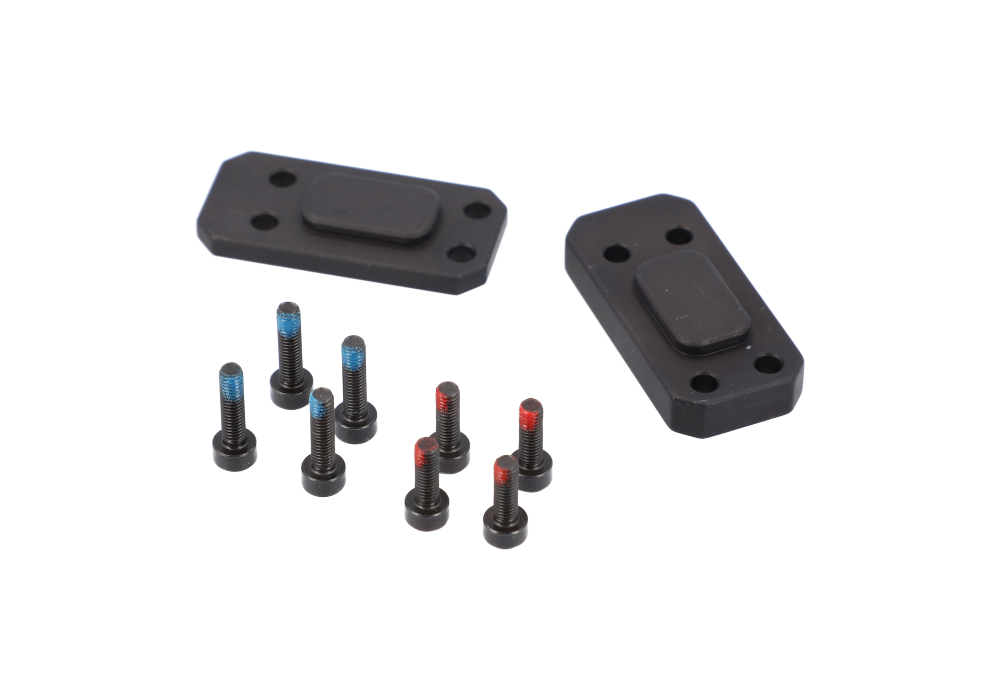
Materials and construction affect how a mounting plate balances weight, strength, wear resistance, and long-term care. Aluminum can keep the assembly lighter, while steel may offer advantages where a design calls for particular strength or wear characteristics. Neither material is automatically the better choice for every application. Alloy, geometry, machining quality, and the manufacturer’s intended use all contribute to performance. The mating surfaces deserve particular attention because the plate must work with the shape of the mounting recess and the underside of the optic. Cleanly formed edges, consistent locating features, and the correct contour are more meaningful than a finish that merely looks attractive. Protective treatments, such as anodizing on aluminum or suitable coatings on steel, can help resist surface wear and corrosion, but their care requirements vary. Cleaning products appropriate for one finish may not suit another, and aggressive abrasives can damage protective surfaces. Routine care generally centers on keeping exposed areas clean, avoiding unnecessary chemical exposure, and following the maintenance guidance for the firearm, optic, and mounting hardware. Hardware compatibility is equally important. Screw diameter, thread specification, head shape, and length must suit the particular assembly; a screw that appears to fit is not necessarily correct. Excess length can interfere with components beneath a mounting surface, while insufficient engagement may leave the connection inadequately supported. Installation requirements, including tightening specifications and any approved thread treatment, belong to the relevant manufacturer’s instructions rather than a general rule applied to every plate. Plate thickness also affects the sight’s installed height. That height can influence the relationship between the optic window and existing iron sights, as well as clearance within a compatible holster or storage arrangement. These considerations explain why a thin profile alone does not establish suitability. The appropriate plate is the one whose material, dimensions, interfaces, and hardware requirements work together for the intended firearm and sight configuration, without requiring improvised adjustments to compensate for a mismatch.
Mounting plates serve a practical purpose for recreational target shooters, competitors, instructors, and people using an optic-equipped firearm in a professional setting. Their needs may differ, but all depend on a secure, properly specified connection. A shooter who spends an afternoon practicing on paper targets may value a straightforward, documented mounting arrangement that is easy to maintain. Someone attending regular training sessions may give particular attention to inspection requirements and compatibility with existing equipment. A competitor may also consider the complete assembly’s weight and sight height within the rules of the relevant discipline. In each case, the plate is a supporting component rather than a substitute for a suitable optic, sound installation, or consistent practice. It should not be expected to correct an incompatible footprint, compensate for damaged mounting surfaces, or eliminate the need to confirm the sight’s function after installation or service. Clear records can be useful over the life of the setup: retaining the plate’s compatibility information, hardware specifications, and installation documentation helps distinguish otherwise similar components when equipment is serviced or reconfigured. For a firearm owner considering a plate as a gift, that same specificity matters. Exact details about the recipient’s firearm configuration and intended optic are more valuable than knowing only a general firearm family or sight size. Mounting plates are fit-dependent accessories, so a thoughtful choice begins with a confirmed combination rather than a visual resemblance. Compatibility is also the connecting consideration across the broader category of Mounting Systems, whether an application calls for a dedicated adapter plate or another type of mounting base. The value of a mounting plate lies in how precisely it serves its particular role: connecting compatible components, supporting the intended assembly, and remaining suitable for routine inspection and care. For a component that often sits largely out of view beneath the optic, those details have an important place in an optic-equipped firearm setup.