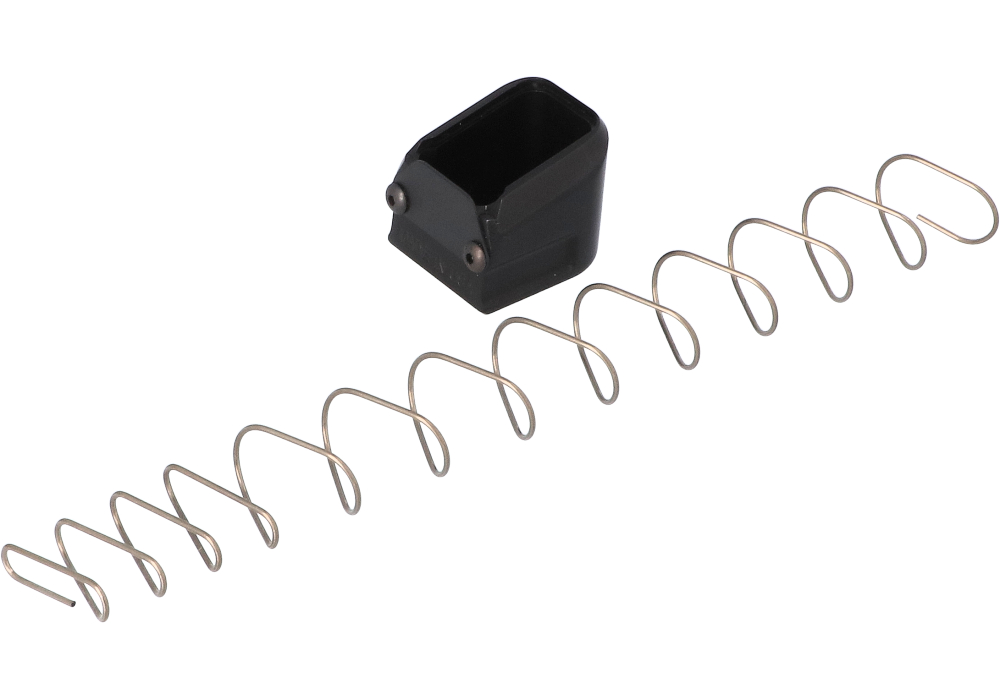
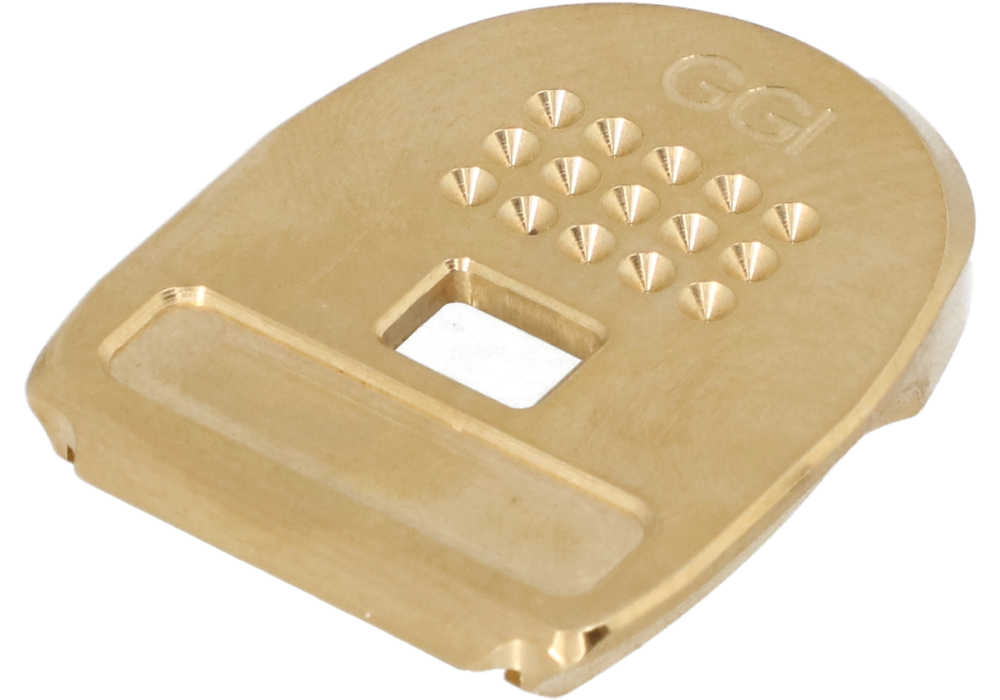
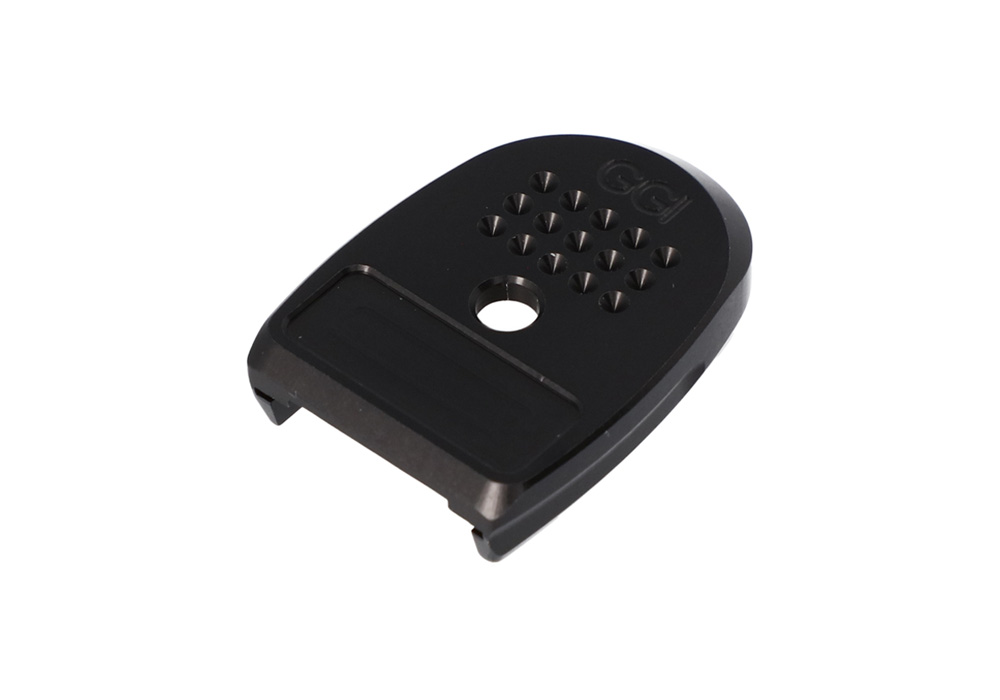
Extended base plates are magazine floorplates with a profile that extends beyond the bottom of a compatible magazine. In the context of firearm accessories, a base plate extension is a magazine component rather than a mounting plate, optic adapter, or piece of general hardware. Depending on its design, it can provide additional finger support, a more pronounced gripping surface, or a different contour where the magazine meets the pistol frame. The base plate also serves as the lower closure of the magazine, so its attachment and compatibility matter just as much as its appearance. For a shooter whose little finger rests below a compact pistol’s grip, a contoured extension may offer a more comfortable place for that finger to settle. Another shooter may prefer a modest ledge that is easy to identify by touch without adding much bulk. These differences explain why extended base plates should be evaluated by their shape and intended application, not simply by how far they project. A forward-facing finger rest, a broad lower surface, and a textured perimeter each create a different feel in the hand. Some profiles follow the lines of the grip closely, while others have a more distinct shoulder or wider footprint. The right choice depends on the interaction between the shooter’s hand, the pistol frame, and the magazine rather than on the accessory alone. Range practice, organized competition, and lawful everyday carry can place different demands on that combination. A substantial extension that feels comfortable during a practice session may also occupy more space in a magazine pouch or carry setup. Conversely, a low-profile design may preserve a compact outline without offering the same amount of finger support. Extended base plates are therefore best understood as fit-dependent components: their value comes from an appropriate match to the magazine, the firearm, and the way the equipment will be used.
Compatibility begins with the exact magazine and firearm configuration. Similar-looking magazines can have different floorplate rails, retaining arrangements, body dimensions, or internal components, and an extension intended for one configuration should not be assumed to suit another. Even within a single pistol family, variations in grip length, magazine generation, or frame accessories can affect how an extended base plate meets the grip. Manufacturer documentation should establish the intended match, including any requirements involving the spring or retaining component. External appearance alone does not confirm those details. Clearance around the bottom of the frame also matters, particularly when a grip module or magazine well changes the surrounding shape. A suitable extension should not interfere with the magazine seating as intended, and any uncertainty about fit warrants evaluation by a qualified professional. Materials introduce another set of considerations. Aluminum designs can provide a rigid structure with precisely defined contours, while polymer designs can offer lower weight and a different surface feel. Steel may appear in floorplate or retaining components where the design calls for it. No material is automatically the best choice for every application; wall thickness, attachment design, surface finish, and compatibility all contribute to performance over time. Smooth edges can feel comfortable against the hand, while purposeful texture can help distinguish the base from the magazine body. Deep grooves and sharp corners deserve attention because they can collect residue or rub against adjacent equipment. Finish is both a visual and practical consideration, with contact points often showing wear before less exposed surfaces. Shoppers comparing an extension with a complete magazine can also consider Brown Baseplate Magazines when a brown baseplate suits the rest of their equipment. Color preference should remain separate from the compatibility decision, since a coordinated appearance cannot establish correct fit. A well-chosen base plate balances its material, contour, and finish with the requirements of the magazine it is intended to accompany.
Care for extended base plates centers on keeping their surfaces and retaining areas clean, inspecting for damage, and following the manufacturer’s maintenance recommendations. Range residue, dust, and lint can gather around seams and textured areas, especially when magazines spend time in pouches or bags. A clean appearance does not necessarily reveal the condition of the attachment, so routine inspection should include attention to unusual movement, cracks, distortion, and changes in how the base plate sits against the magazine body. Cosmetic scuffs are different from damage that affects retention or fit; when that distinction is unclear, professional assessment is more useful than guesswork. Cleaning products should be compatible with the material and finish, and abrasive treatment can alter edges or protective surfaces. Any inspection or maintenance should take place with the firearm unloaded and ammunition removed from the work area. Beyond upkeep, comfort is best considered in the context of an actual practice routine. An extension may feel unobtrusive during a brief handling check yet create a pressure point over a longer session. Its lower edge may contact the palm, the little finger, or the inside of a pouch, depending on the design. Consistency across compatible magazines can also matter to shooters who prefer familiar contours, although each magazine still requires its own fit assessment. For newer firearm owners, understanding those differences can help separate a useful ergonomic feature from a purely visual preference. Experienced range visitors and competitors may already know whether they prefer a flush-feeling transition, a defined finger rest, or a broader base. As a gift, this accessory category is most appropriate when the recipient’s exact equipment and preferences are known; visual similarity is not enough to choose a compatible component. The most satisfying choice is not necessarily the largest or most elaborate profile. It is the one that fits the specified magazine correctly, feels appropriate in the hand, works with the surrounding equipment, and remains straightforward to inspect and maintain through regular use.