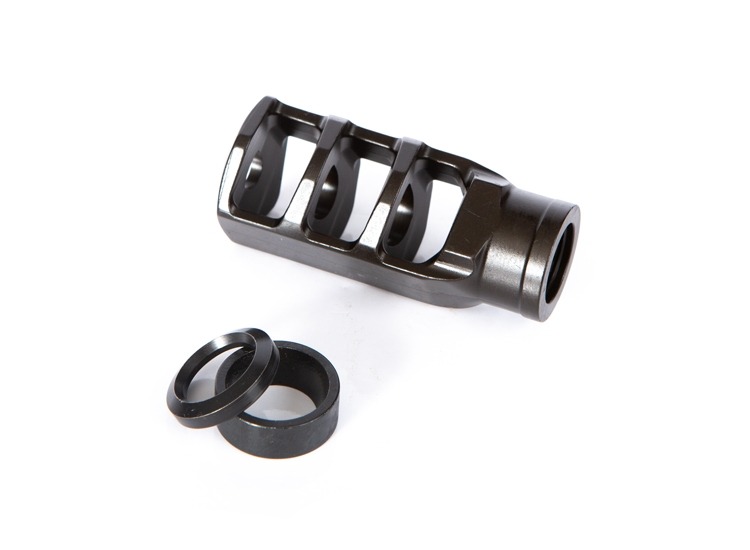
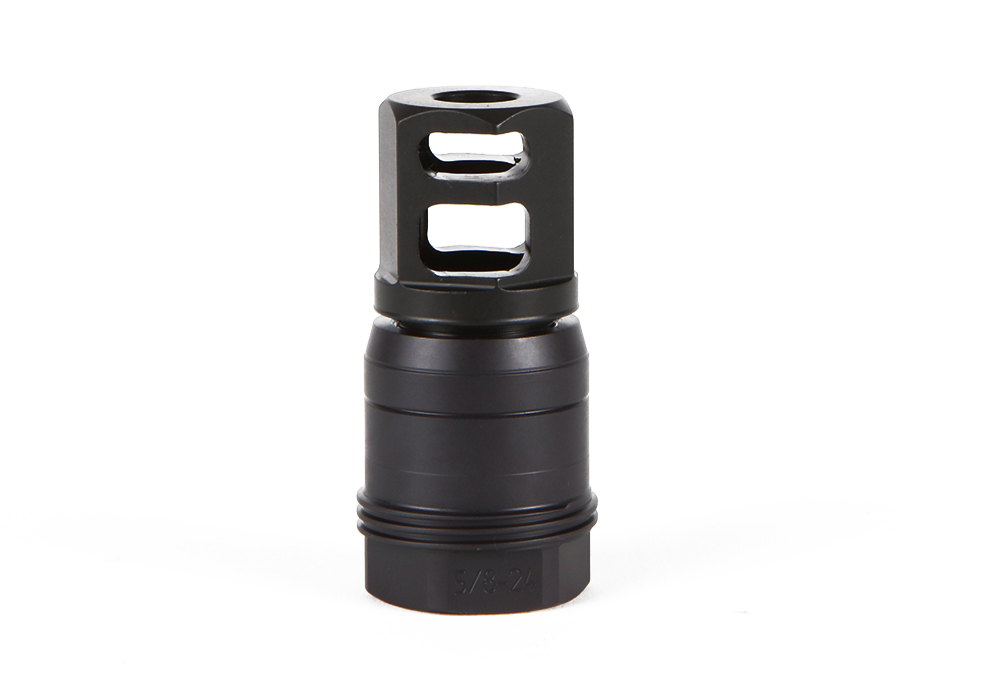
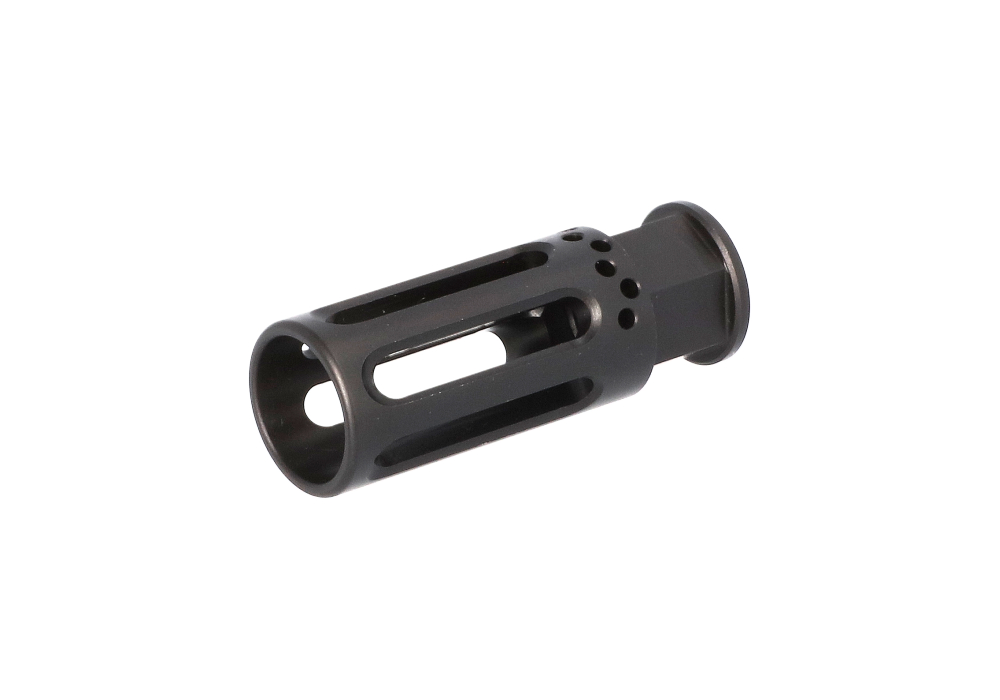
Muzzle brakes are a practical addition to many rifles used for summer shooting events, including precision matches, range days, varmint outings, and recreational sessions where controlled, repeatable shots matter. By redirecting expanding propellant gases through carefully designed ports, a muzzle brake can reduce felt recoil and help limit muzzle rise. That reduction may make it easier to keep a reticle on target, spot impacts through an optic, and return to the firing position for a faster follow-up shot. The effect is especially noticeable on heavier-caliber rifles, where recoil can disturb a carefully established position, but a properly selected device can also help a lighter rifle feel more settled during rapid strings. Port geometry plays an important role. Angled side ports direct gas outward and slightly rearward to counter rearward movement, while top ports can push the muzzle downward and help preserve the sight picture. Some designs use multiple chambers for more aggressive recoil control, while compact compensator-style devices may suit a fast-handling carbine where balance and overall length are priorities. Shooters comparing options for summer shooting events should begin with the rifle’s caliber, barrel diameter, intended use, and the amount of recoil they want to manage. A precision rifle set up for long-range stages may benefit from a larger, multi-chamber brake, while a lightweight rifle carried between firing positions may call for a more streamlined design. For additional options, explore the Rifle Muzzle Brakes collection and compare dimensions, materials, finish, and installation requirements before making a selection.
Thread compatibility is one of the most important details to confirm before purchasing a muzzle brake. The device must match the barrel’s thread pitch and diameter; common specifications include 1/2x28 and 5/8x24, but rifles vary, and the correct information should come from the manufacturer’s specifications or a qualified gunsmith. A brake that appears close in size but does not match precisely is not a suitable substitute. Buyers should also check the bore diameter and confirm that the opening provides appropriate clearance for the cartridge being fired. Proper alignment is essential, particularly with a multi-port device, and installation may involve a crush washer, shims, a jam nut, or another approved timing method depending on the design. “Timing” the brake means positioning its ports in the intended orientation, often with the top ports aligned to help manage muzzle rise. If the rifle uses a quick-detach suppressor system or may be configured with a suppressor later, verify compatibility before ordering; not every muzzle brake is designed to serve as a mounting interface. Event regulations deserve the same attention. Some precision matches specify approved muzzle devices, restrict port direction, or prohibit brakes that produce substantial side blast on a crowded firing line. Tactical, team-based, or close-proximity competitions may limit or ban active muzzle brakes because redirected gases can affect neighboring competitors. Reviewing the rules before the event prevents a last-minute equipment change and helps ensure the rifle remains compliant. During setup and practice, ear and eye protection remain essential, and shooters should be considerate of the people sharing the firing line. A brake can make a rifle more comfortable for the person behind it while making the experience louder and more forceful for someone standing beside it, especially under a covered firing point or between concrete barriers.
A muzzle brake can also be a thoughtful accessory for a recreational shooter, precision-rifle owner, or competitor who is refining a rifle for cooler-range sessions after the summer event season. It is particularly useful for someone who is sensitive to recoil, wants to reduce movement between shots, or spends long periods practicing from a bench, prone position, or barricade. As the weather warms, outdoor matches often bring fuller firing lines, bright light, and longer strings of fire, making predictable rifle movement and a clear sight picture valuable during every stage. During the cooler months, the same setup can support deliberate practice, load development, and preparation for future competitions. A brake may be a suitable gift for an experienced shooter when the recipient’s barrel threading, caliber, and event rules are known, but it is less appropriate as a blind purchase because fit is highly specific. Pairing the device with a professional installation or a gift card can be a better approach when those details are uncertain. Buyers should remember that recoil reduction does not replace sound fundamentals: a stable position, consistent shoulder pressure, a firm grip, and a disciplined trigger press still determine how well a rifle performs. The brake should be viewed as one part of a balanced setup, not a substitute for training or safe handling. Before firing, inspect the device for secure installation, confirm that ports are unobstructed, and check that the bore is clear. With the correct thread pattern, caliber clearance, port orientation, and event approval, a muzzle brake can help a rifle track more naturally from shot to shot while giving shooters a more controlled and confident experience on the range.