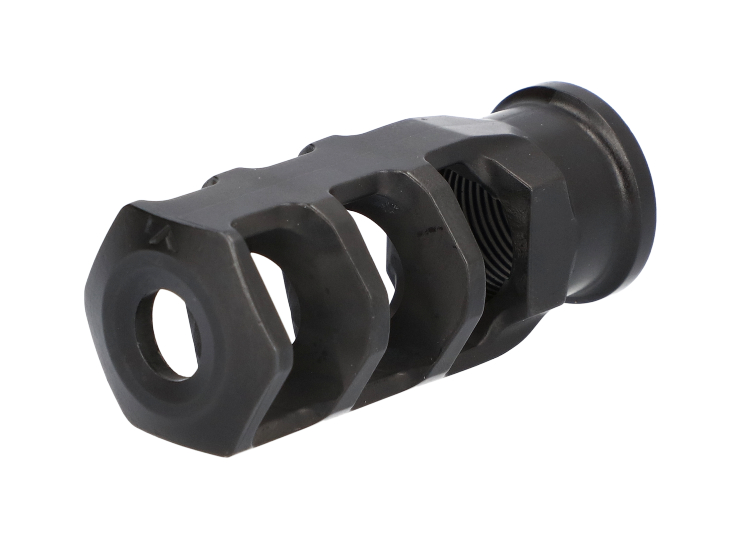
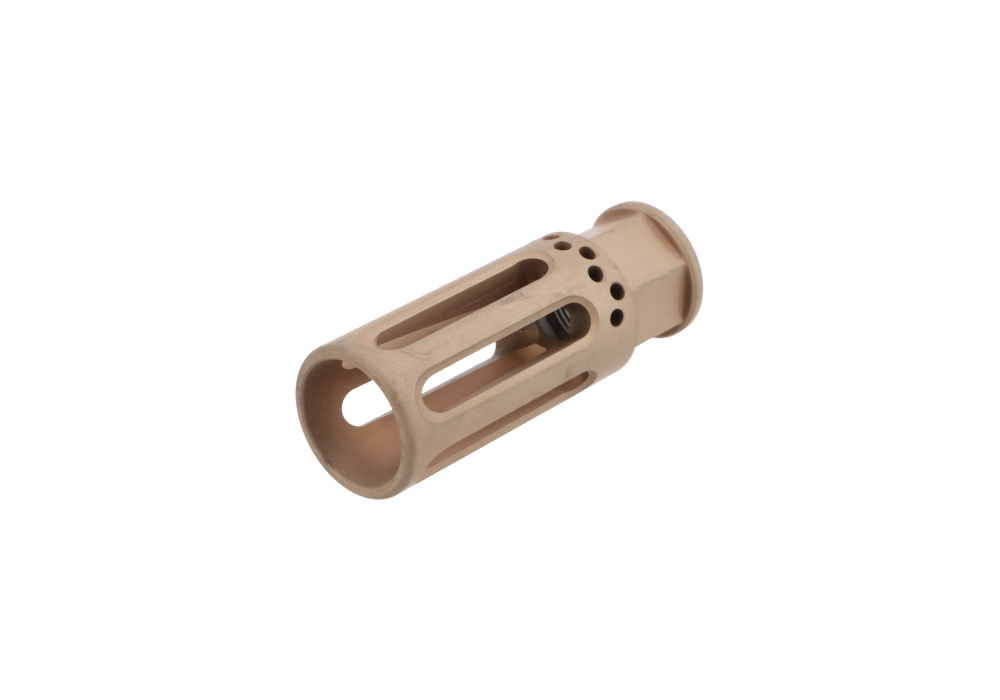
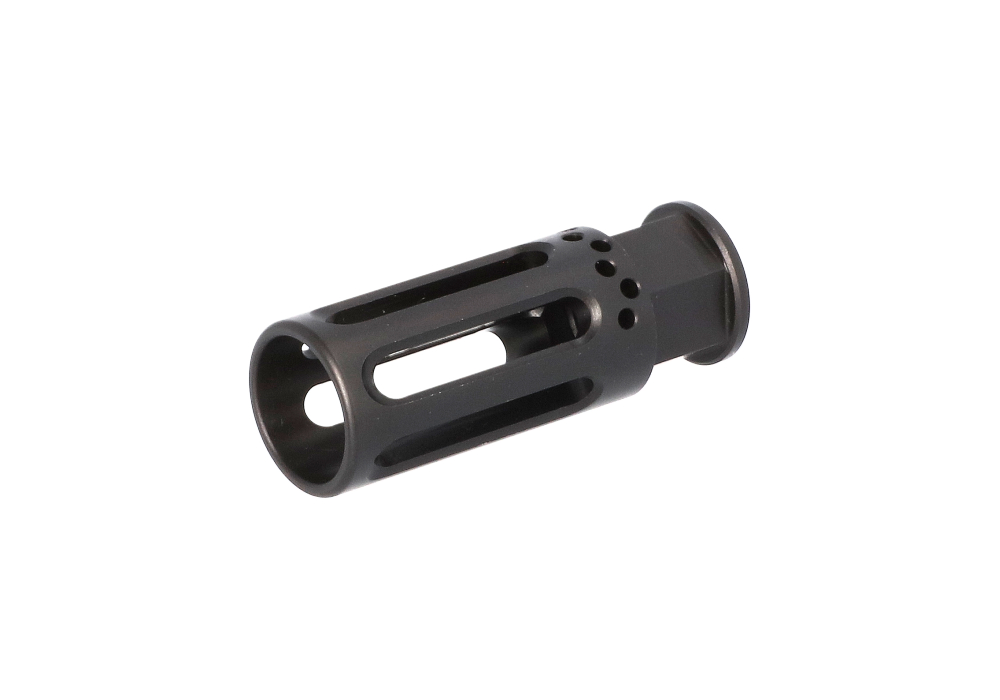
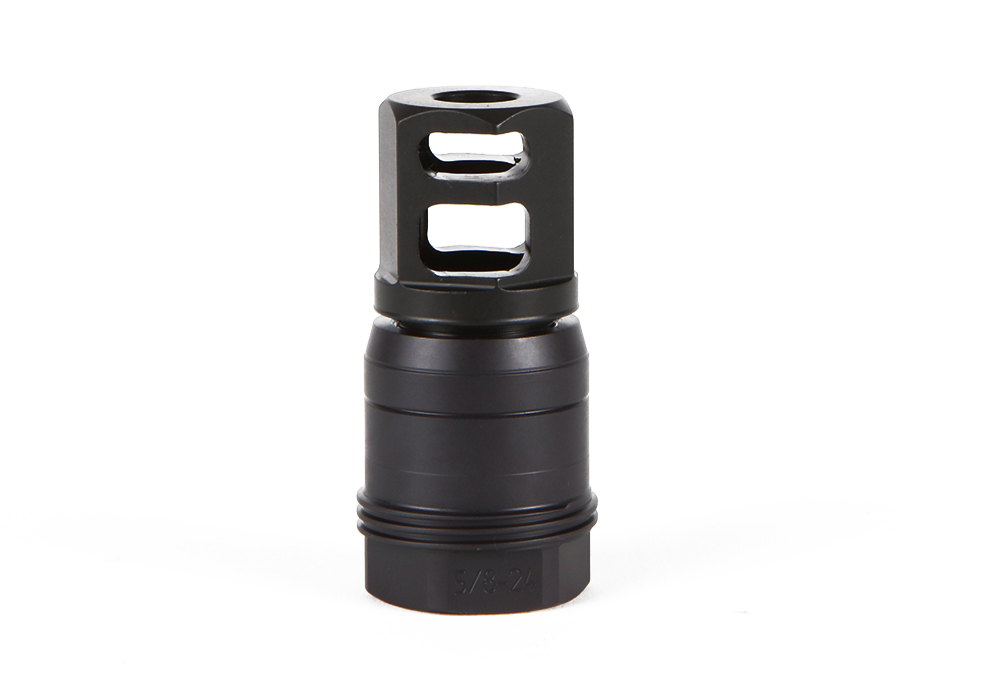
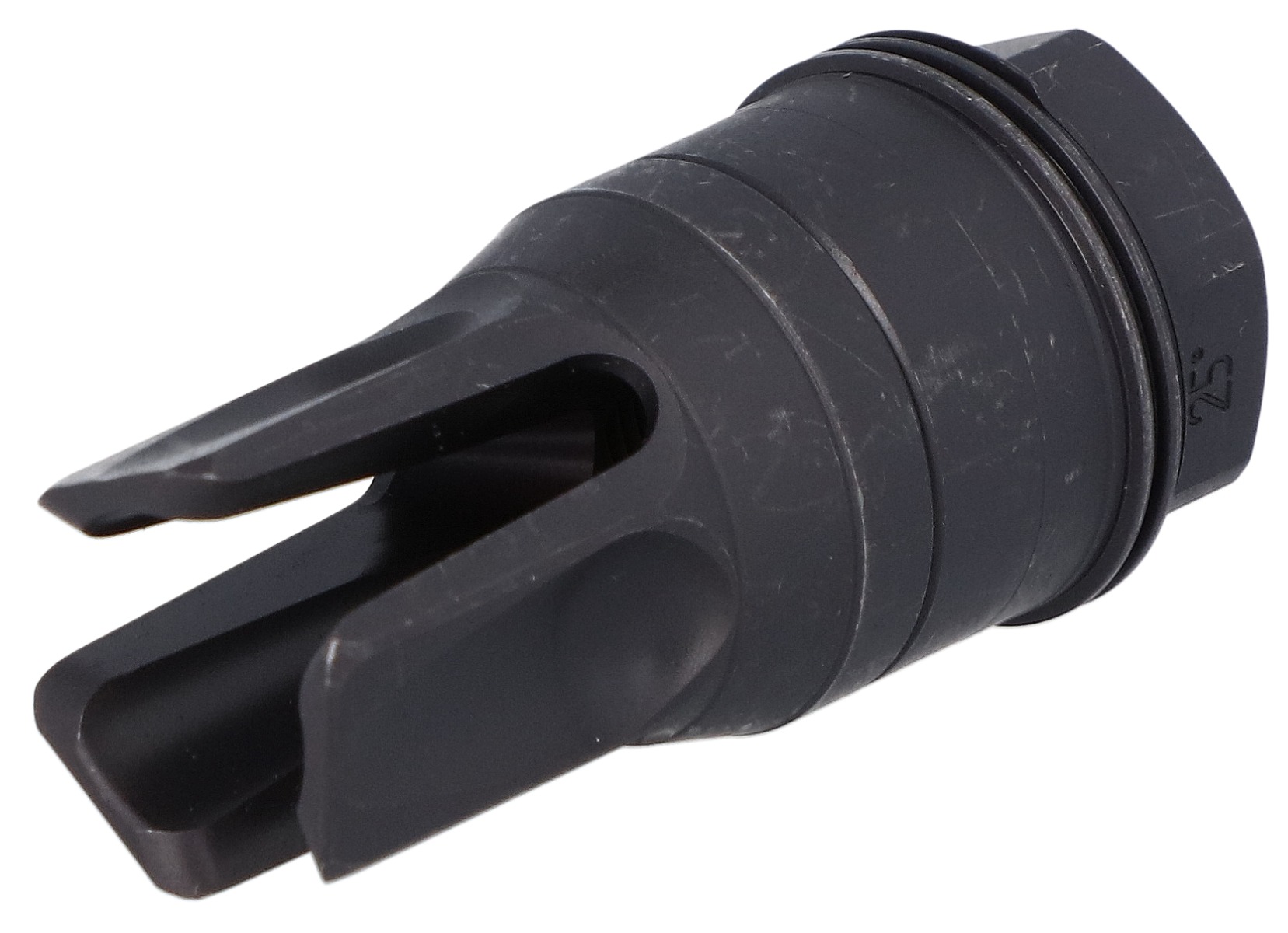
Rifle muzzle brakes are designed to help manage the forces produced when a cartridge is fired. Installed at the end of a compatible rifle barrel, a muzzle brake uses carefully positioned ports or baffles to redirect expanding propellant gases to the sides and, on some designs, slightly rearward. That redirection produces a forward counterforce that can reduce felt recoil and help limit muzzle rise. For the shooter, the result may be a rifle that settles more quickly after each shot, stays more naturally aligned with the target, and is easier to control during extended range sessions. Reduced movement can also make it easier to observe bullet impacts through a riflescope, especially when shooting from a supported position at longer distances. These benefits make muzzle brakes a popular choice for precision rifle users, recreational shooters, and hunters who carry harder-recoiling rifles. A well-chosen brake can be especially helpful when a rifle is used from a bench, prone position, or other stable firing position where consistent sight alignment matters. Shooters who spend time practicing during the warmer part of the year or preparing for hunts during cooler months may appreciate the way a brake helps make practice more comfortable and repeatable. As with any firearm accessory, the brake should be selected for the specific rifle, cartridge, and intended application rather than treated as a universal fit.
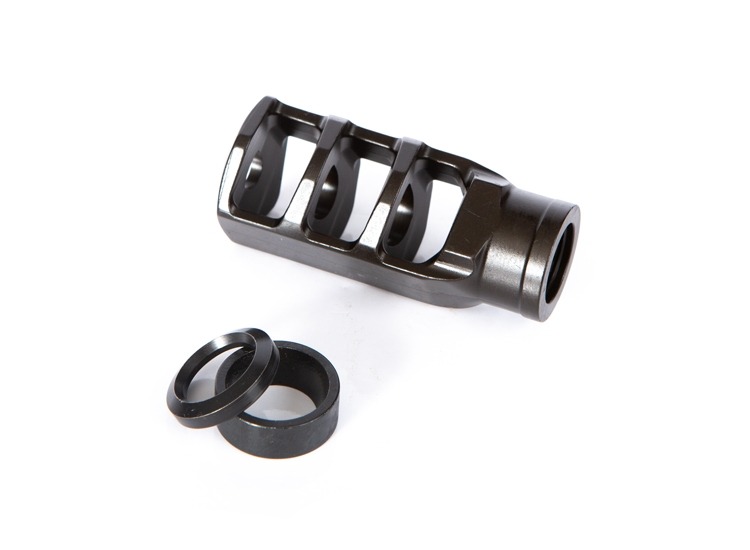
Compatibility is the first consideration when choosing among rifle muzzle brakes. Confirm the rifle’s barrel thread pitch, thread diameter, and caliber rating before placing an order, and make sure the brake is appropriate for the projectile diameter and pressure of the cartridge being fired. The brake should seat correctly against the barrel shoulder or use the installation method specified by its design. Proper alignment is essential: a device that is not concentric with the bore can create a serious safety hazard and may damage the brake, rifle, or projectile. Installation and timing may involve a crush washer, shims, a locking collar, or another system, depending on the design. Shooters who are unfamiliar with barrel threading, alignment, or torque specifications should have the accessory installed and checked by a qualified gunsmith. Consider the brake’s overall length, diameter, weight, and finish as well. A larger multi-port design may provide substantial recoil control but can add weight or be less practical under a compact handguard. A smaller design may offer a more streamlined profile for a hunting rifle or field setup. Those who use a suppressor should also verify thread compatibility, bore clearance, mount requirements, and manufacturer-approved use before pairing the two accessories. Durable construction is valuable for rifles that see frequent practice, transport, and changing outdoor conditions, making Durable Muzzle Brakes a practical category to consider when long-term service is part of the selection process.
A muzzle brake’s recoil benefits come with tradeoffs that should be part of every purchase decision. Because the device redirects high-pressure gases outward, it can increase perceived blast and sound to the sides and rear of the muzzle. The effect may be noticeable to the shooter, a spotter, hunting partners, or anyone sharing a firing line. Quality hearing protection remains essential, and additional care is appropriate when shooting near other people or in enclosed and semi-enclosed spaces. Some ported designs can also produce a more visible muzzle flash in low-light conditions. When firing from a prone position or close to the ground, redirected gases may disturb dust, loose soil, grass, or debris, potentially affecting visibility or creating an unwanted signature. These characteristics do not eliminate the usefulness of a brake, but they do make thoughtful setup and considerate range habits important. Follow all applicable laws, range rules, and safe firearm-handling practices, and keep the rifle pointed in a safe direction whenever it is loaded. Rifle muzzle brakes can also be a practical gift for an experienced shooter who is refining a precision setup, tuning a hunting rifle, or looking for more comfortable recoil management during practice. Before gifting one, confirm the recipient’s barrel specifications and intended caliber, since fit and alignment are more important than appearance alone. Whether selected for a long-range rifle, a heavy-recoiling hunting platform, or a general-purpose range firearm, the right brake should complement the rifle’s dimensions, shooting position, and purpose while providing dependable control shot after shot.