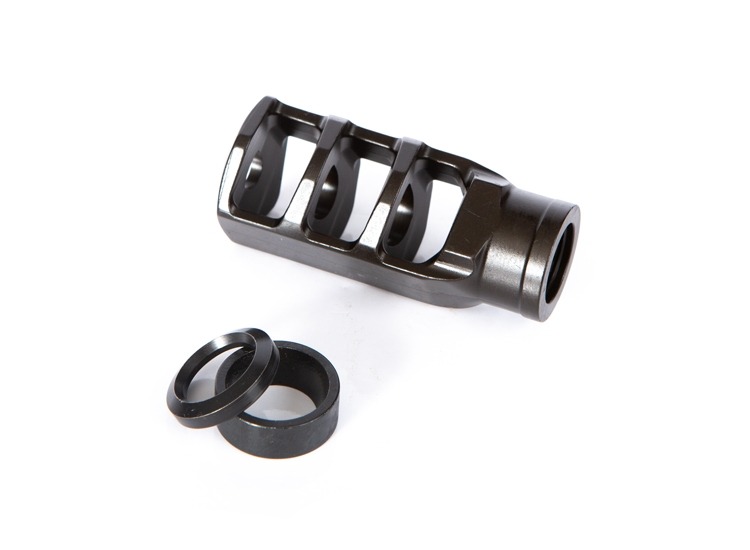
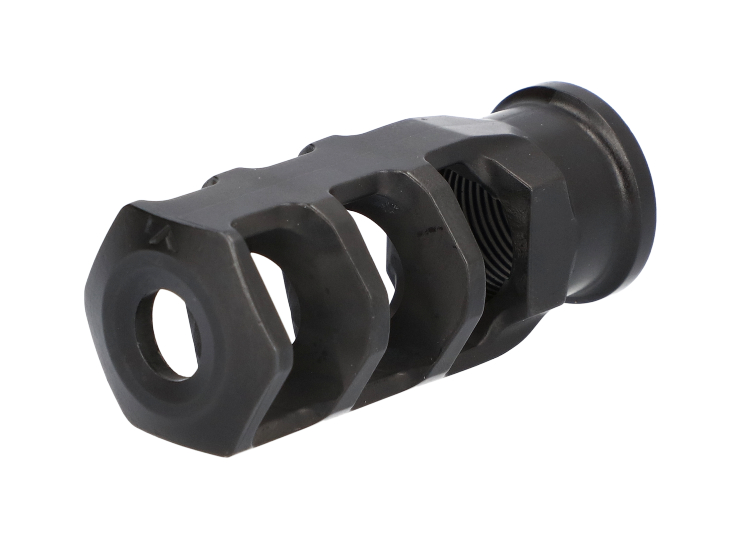
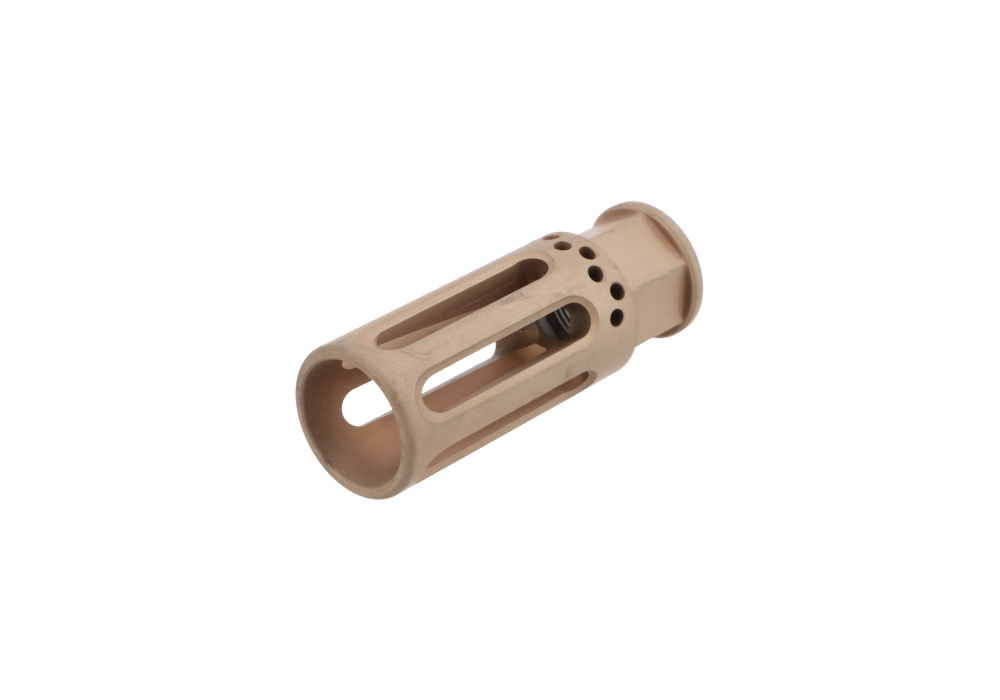
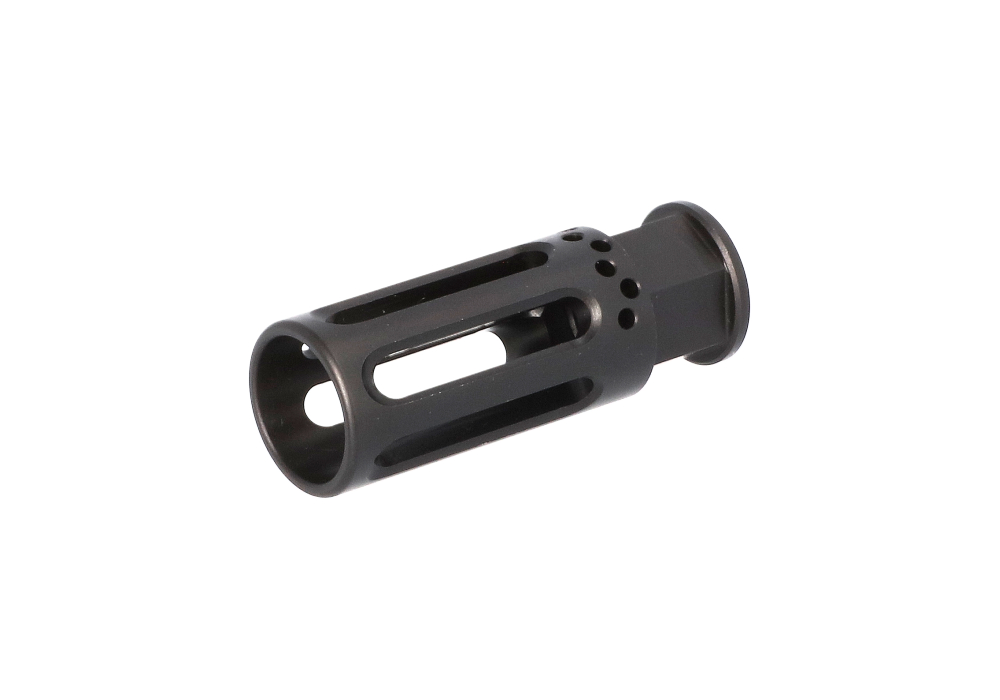
Durable muzzle brakes are built for shooters who want dependable recoil control without treating a muzzle device as a disposable accessory. Mounted at the end of a rifle barrel, a muzzle brake redirects expanding propellant gases through carefully engineered ports and baffles, helping reduce rearward movement, muzzle rise, and the disruption that follows each shot. That difference can be especially noticeable on magnum rifles, short-barreled rifles, precision platforms, and other firearms that produce substantial recoil. A well-designed brake can help a shooter stay behind the optic, recover more quickly between shots, and maintain a steadier position during extended range sessions. It may also make a heavy-recoiling rifle feel more manageable from a bench, prone position, or supported field rest, where consistent sight alignment matters. When browsing durable muzzle brakes, pay close attention to construction. Heat-treated stainless steel and hardened chrome-moly or ordnance steel are widely valued for their strength, resistance to pressure, and ability to endure repeated heating and cooling. A rugged finish such as black nitride, QPQ salt-bath nitride, or a hard carbon-based coating can add protection against corrosion, carbon buildup, cleaning solvents, and the erosive effect of hot gas. These details matter most for shooters who train regularly, fire heavy cartridges, or expect their equipment to perform through changing conditions during the warmer and cooler parts of the year. Aluminum may be suitable for some specialized applications, but a brake intended for demanding rifle use generally benefits from a steel construction that can better tolerate intense blast pressure and sustained heat.
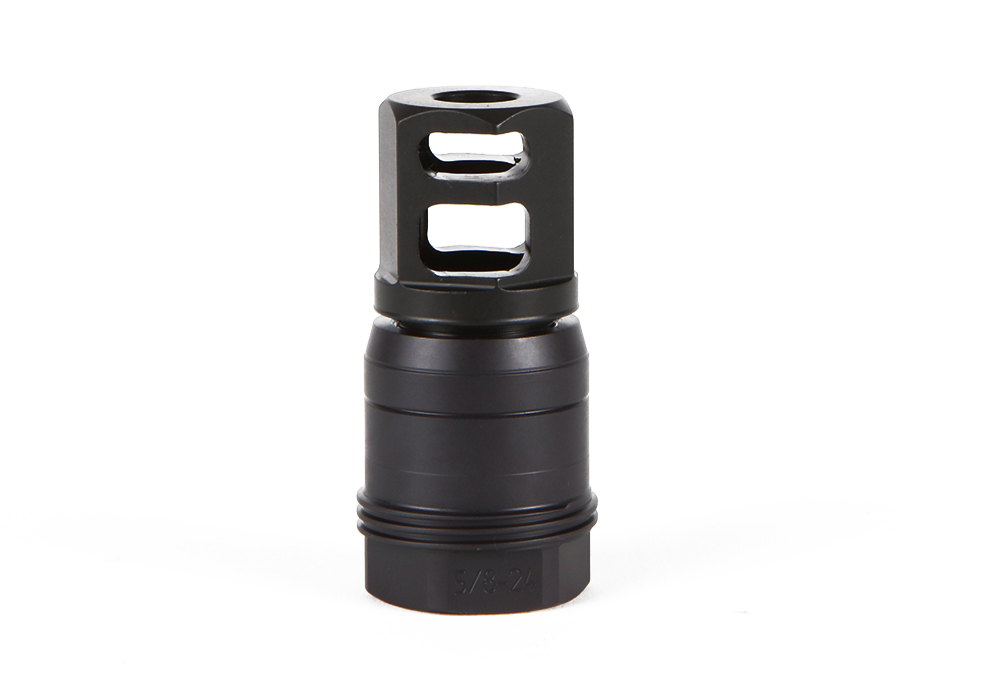
The geometry of the brake is just as important as the material. Thick, well-supported blast baffles and a rigid multi-port structure help prevent deformation, cracking, and premature wear when a brake is exposed to powerful cartridges over a long service life. Port direction and size influence how effectively gases are redirected, while the overall profile can affect weight, balance, and clearance around a rifle’s stock or handguard. Some designs use top ports to help counter muzzle rise, while others emphasize a more compact form or a configuration tuned for a particular caliber family. Product descriptions should be reviewed carefully for the intended bore diameter, thread pitch, barrel compatibility, and caliber range. The brake must align correctly with the bore, and installation should be completed with the proper tools and procedures. Timing is another important consideration: some muzzle brakes require shims or a crush washer to orient the ports, while self-timing systems may use an integrated nut or another adjustment method. A qualified gunsmith can verify alignment and torque, which is particularly important when the brake will be used with a precision rifle or any suppressor system. Shooters should also remember that recoil reduction does not eliminate muzzle blast. In fact, redirected gas can increase the sound and concussion experienced by the shooter or people nearby, especially when firing from enclosed or partially sheltered positions. Quality eye and ear protection remain essential, and additional consideration should be given to companions, range personnel, and anyone positioned alongside the rifle.
A durable muzzle brake can be a practical addition for a hunter carrying a magnum rifle through uneven terrain, a precision shooter working on controlled follow-up shots, or a recreational marksman who wants a more comfortable range experience. It can also be a thoughtful gift for an experienced rifle owner, provided the recipient’s firearm specifications are known before purchase. Thread pitch, caliber, barrel diameter, available clearance, and any suppressor or quick-detach mounting system must all match; a brake that fits one rifle may be unsuitable for another. Shooters who alternate between a brake and a suppressor should confirm whether the device is compatible with their mounting system and whether the manufacturer permits that configuration. A brake that serves as a suppressor mount can offer added flexibility, but compatibility should never be assumed from appearance alone. Regular inspection helps preserve performance: look for looseness, damaged threads, unusual cracking, baffle erosion, or a change in the rifle’s point of impact. Carbon deposits can be removed according to the manufacturer’s recommendations, while harsh tools or unsuitable solvents should be avoided when they may damage the finish. For additional options organized around this accessory category, explore Rifle Muzzle Brakes. Choosing a robust design with suitable steel construction, protective surface treatment, substantial baffles, and correct fit gives a rifle owner a dependable way to manage recoil and muzzle movement while supporting consistent, responsible use on the range or in the field.