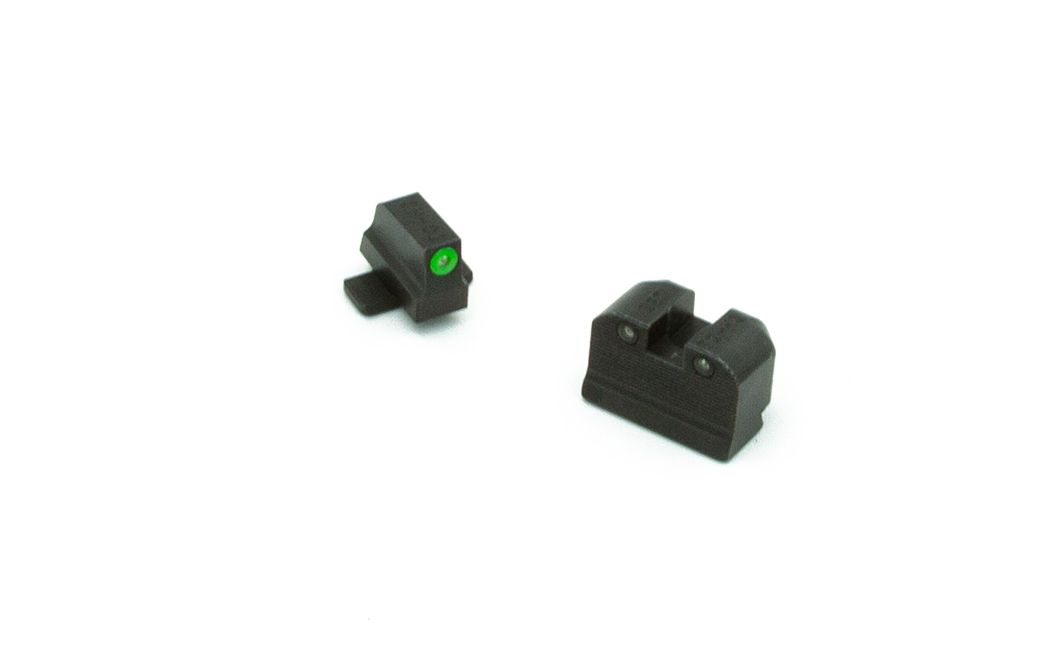
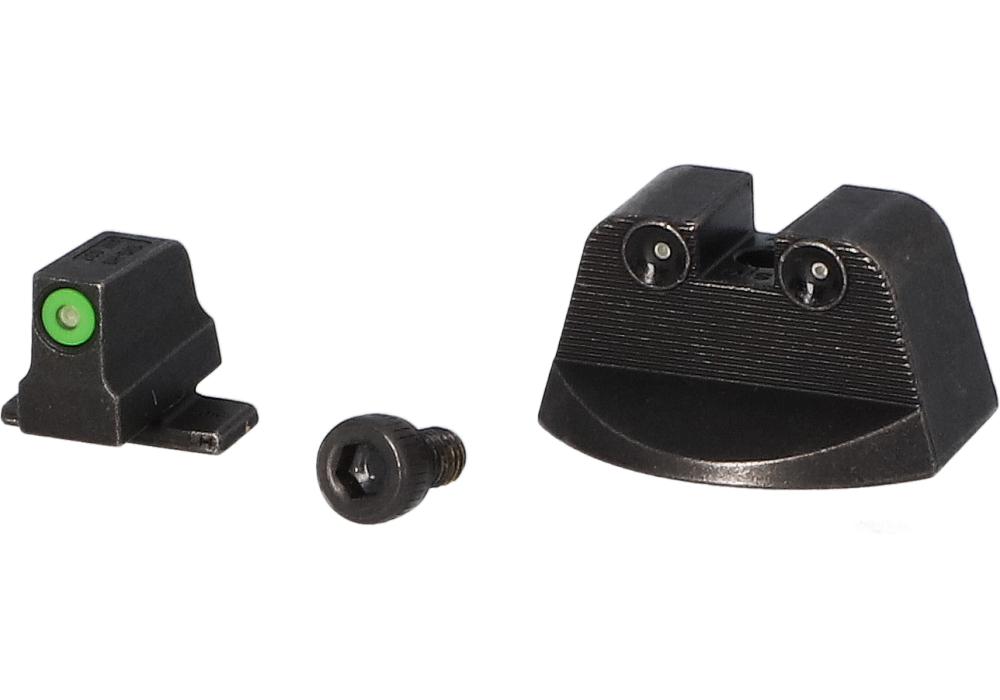
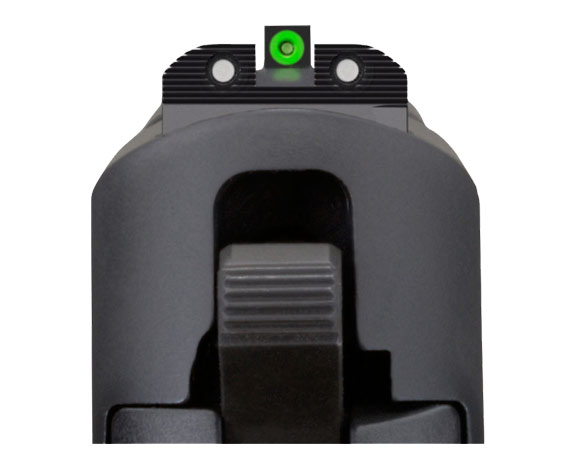
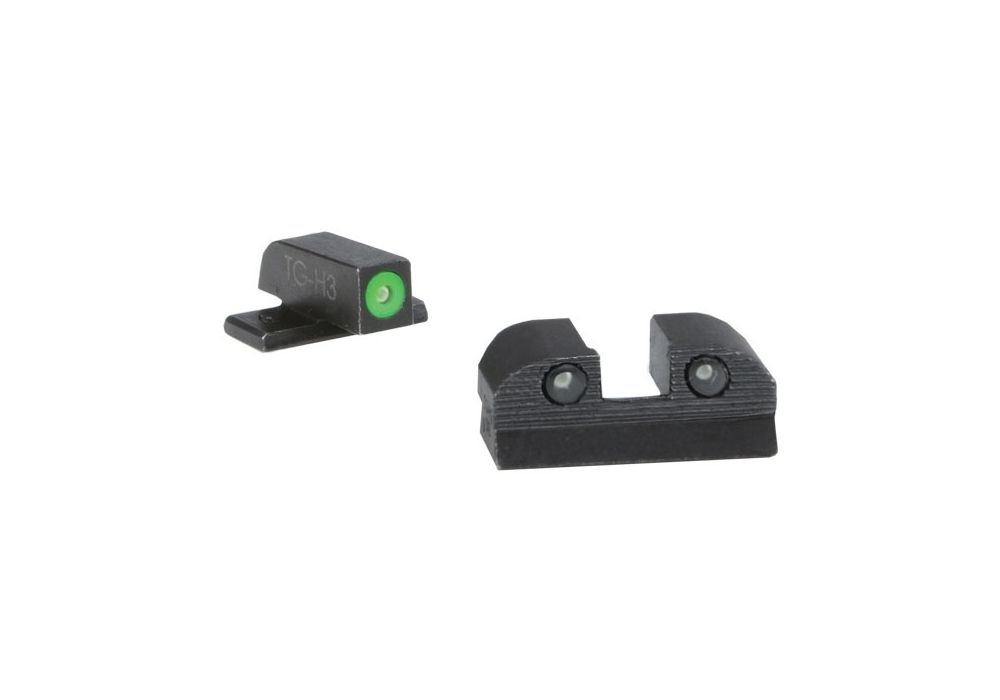
Night sight sets help keep a pistol’s aiming system visible when daylight fades, indoor lighting is limited, or the contrast between the sights and a darker background becomes difficult to read. Many sets use self-luminous tritium gas sealed inside small vials, giving the sight a steady glow without batteries, switches, or charging cords. Other designs pair tritium with a photoluminescent outline that gathers light from the surrounding environment and presents a brighter reference during changing conditions. This combination can be useful for concealed-carry pistols, bedside firearms, training guns, and range pistols that may be used from bright outdoor conditions into shaded or dimly lit spaces. A night sight set is not a substitute for a handheld or weapon-mounted light, and it does not identify a target; it simply helps the shooter align the firearm once a safe, clearly identified target and proper backstop are established. Before selecting a set, confirm the exact firearm make, model, generation, slide configuration, and existing sight footprint. Even pistols that appear similar can use different sight dimensions, mounting systems, or front-sight fasteners. The correct fit supports a secure installation and a consistent sight picture, while an incorrect set can sit too high, too low, or out of alignment. Buyers should also consider how the pistol is carried and stored, since holster clearance, snag resistance, and visibility from the intended shooting position all matter. For many people, a traditional three-dot arrangement feels familiar: two rear reference points frame a glowing front point for a straightforward horizontal alignment. A straight-eight arrangement uses a front dot and a single rear reference point, which can offer a clean vertical relationship with fewer glowing elements competing for attention. A prominent front dot may be helpful for quick alignment, while a more restrained front profile can appeal to shooters who prefer a refined sight picture for deliberate practice. Rear notch shape is another meaningful choice. A U-notch can help draw the eye toward the front post, while a square notch may feel more precise and familiar to those who prefer defined edges. Serrated or glare-reducing rear surfaces can also help preserve contrast when light comes from above or behind the shooter. Compare the brightness, outline color, front-to-rear balance, and sight height rather than choosing by appearance alone. Tritium illumination remains visible in darkness, but photoluminescent elements rely on exposure to ambient light and may look different after moving between bright, shaded, and dark environments. Over time, all tritium illumination gradually becomes less bright, so product specifications and service expectations deserve attention before purchase.
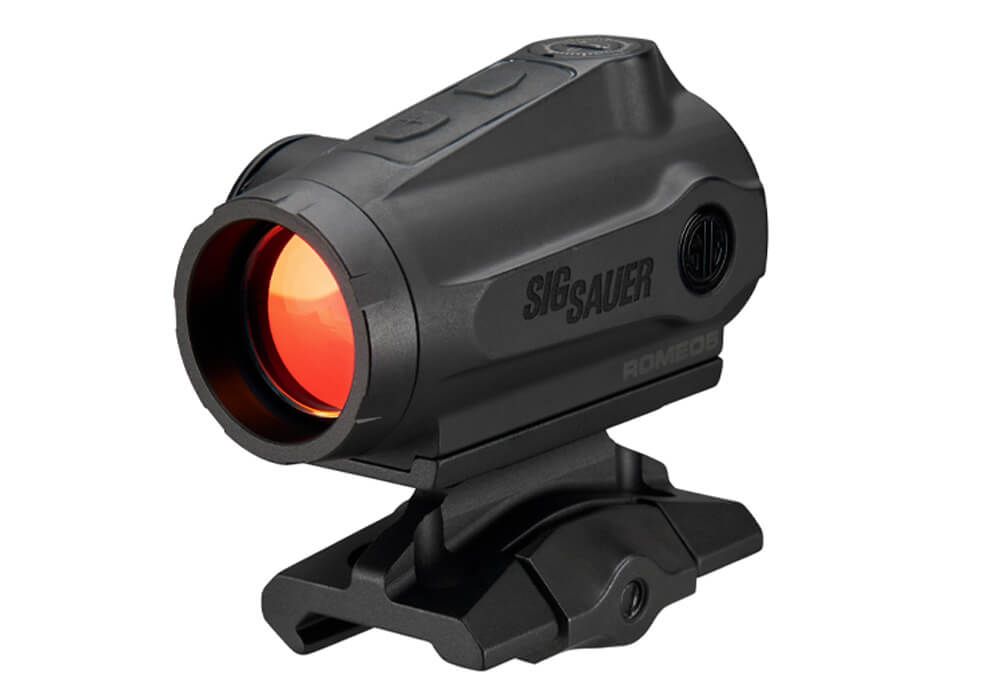
Night sight sets can be a practical choice for a new pistol owner, an experienced carrier refining a setup, or a thoughtful gift for someone who spends time training in changing light. They are especially useful for shooters who practice in indoor ranges, defensive training facilities, rural properties, or other settings where the background can shift from a bright lane to a dim hallway. During the cooler months, shorter daylight and more time spent indoors can make low-light practice and equipment checks a natural part of a regular routine. A sight upgrade may also be appropriate when aging eyes, changing prescription lenses, or a newly selected carry method make the original sights harder to distinguish. The best selection should reflect the user’s habits rather than a generic preference: a person who prioritizes a fast front reference may favor a bold front sight, while someone who practices slow, careful alignment may prefer balanced dots and a crisp rear notch. Shooters who use a pistol red dot optic should look for compatible taller iron sights, often described as suppressor-height or co-witness-height sights, so the irons remain available as a backup through the optic window. Compatibility with the optic, slide cut, and holster is essential; taller sights can change the way a pistol fits equipment and may require a holster with additional clearance. Installation should be handled with the proper sight-pushing tools or by a qualified gunsmith, followed by a careful alignment check and live-fire confirmation at a safe range. After installation, verify that the sights are secure, centered, and regulated for the ammunition and distance used most often. Begin with a safe unloaded function check, follow all firearm and range rules, and store the pistol responsibly when it is not under the direct control of an authorized user. A night sight set can also be a useful seasonal present when paired with a gift card, training session, or range visit, giving the recipient an opportunity to confirm fit and establish a familiar sight picture. For shoppers comparing seasonal options, Night Sights For Chirstmas offers a focused way to browse selections intended for gifting and personal upgrades. Whether selected for everyday carry, home protection, competition practice, or general preparedness, the right set should provide dependable visibility, suit the shooter’s preferred alignment style, and match the firearm precisely.