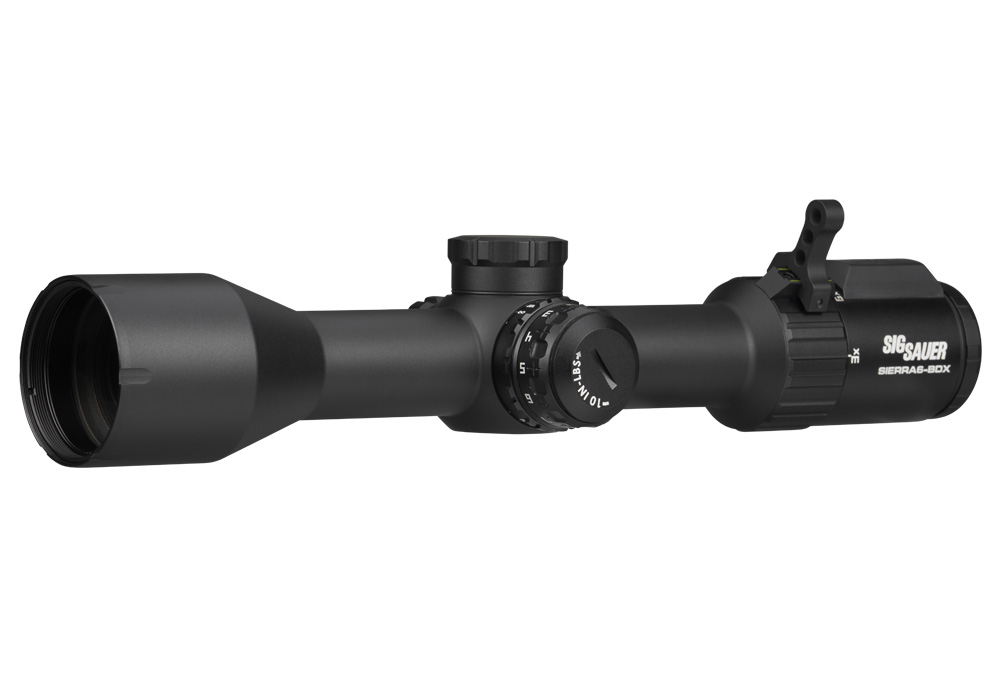
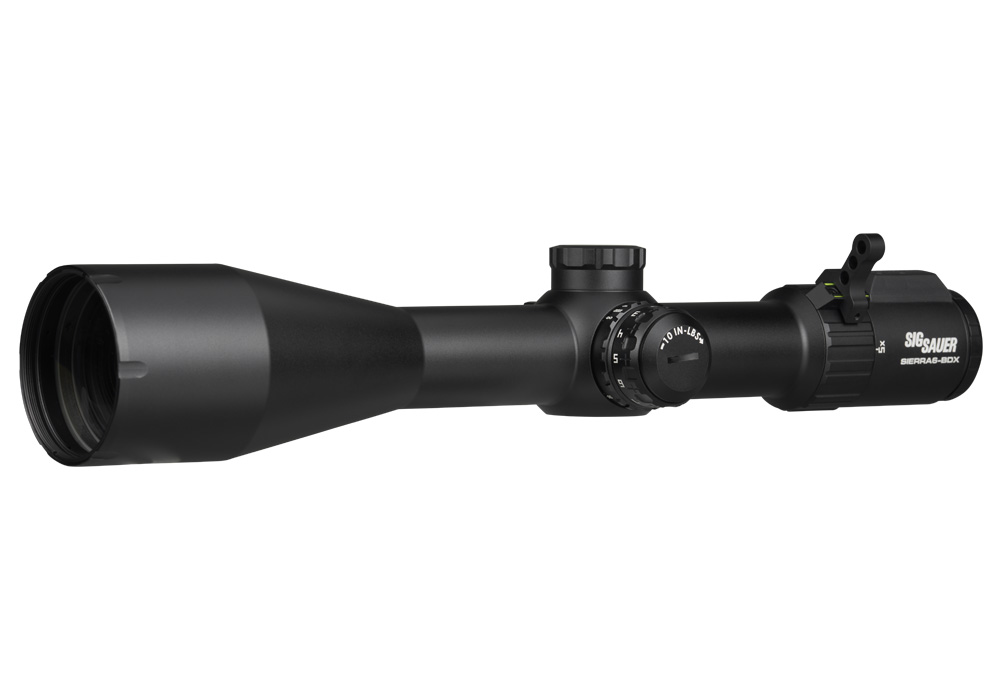
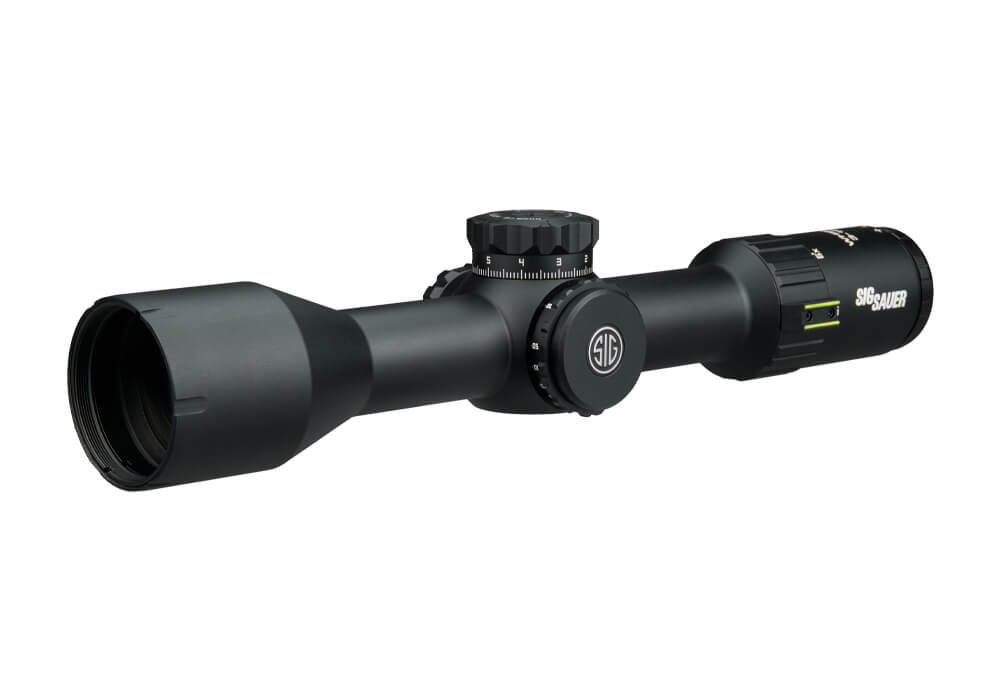
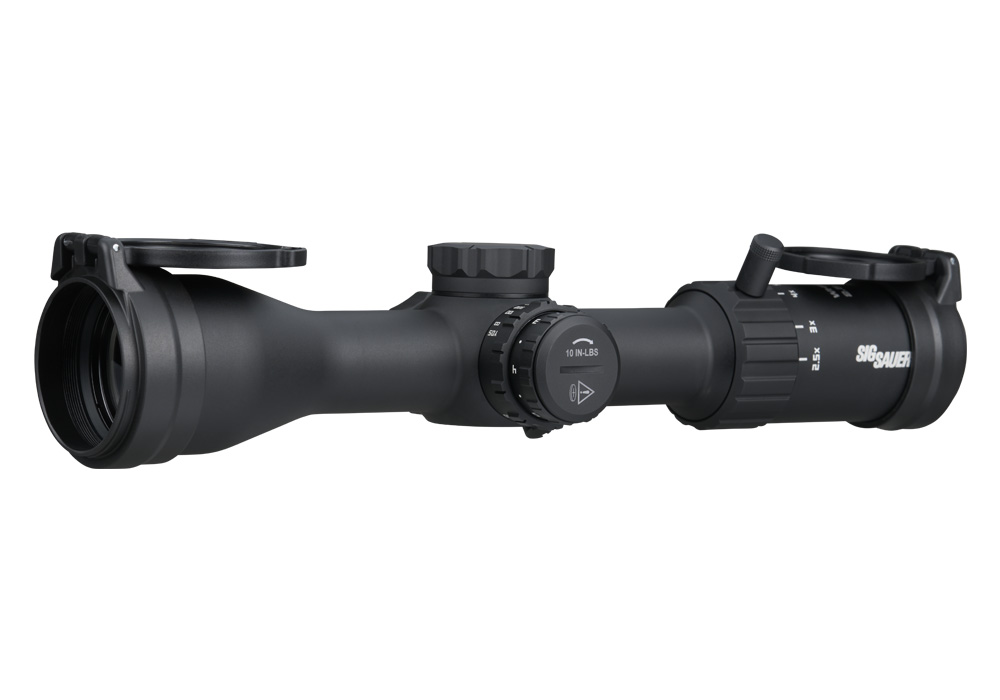
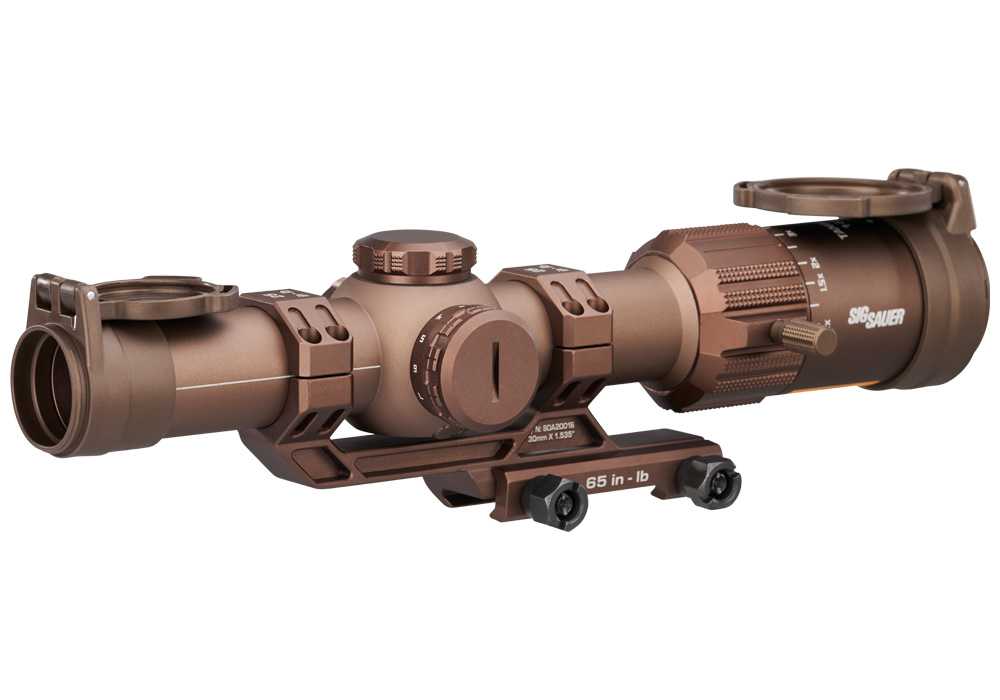
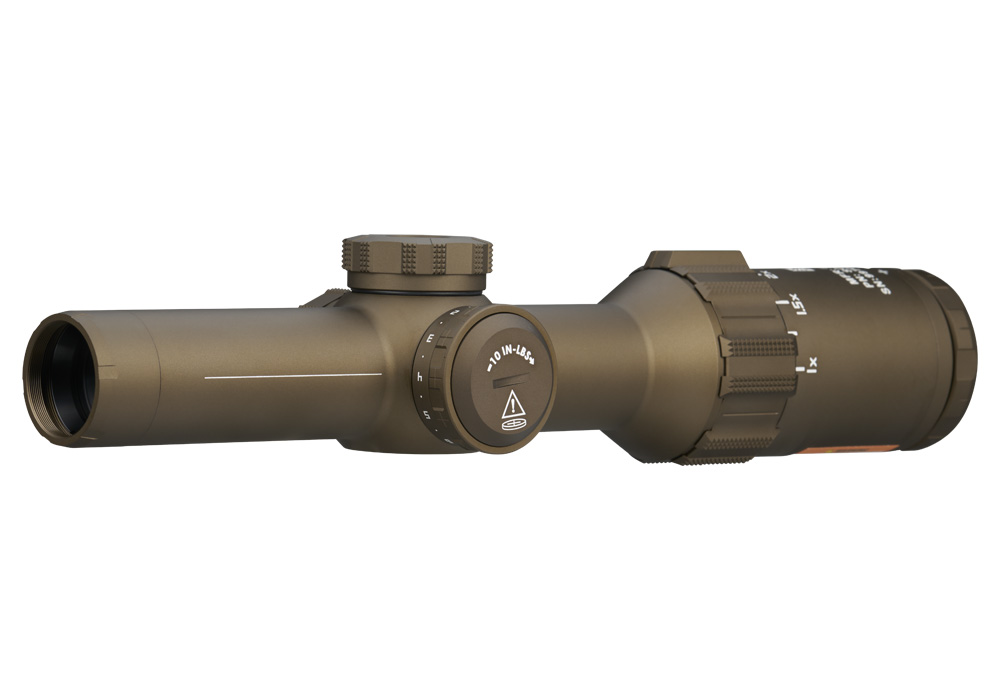
Open country scopes are rifle optics suited to hunting and target shooting across wide, unobstructed terrain, where clear views and useful magnification help bring distant details into focus. Broad grasslands, sagebrush flats, and rolling foothills call for an optic that balances reach with a field of view wide enough to take in the landscape. The highest magnification number is only one part of that balance. A lower starting magnification can help a hunter locate an animal along a hillside, while additional magnification can make a distant paper target easier to see. At higher settings, the visible scene becomes narrower, so a versatile magnification range often matters more than an impressive maximum. Image quality deserves equal attention: contrast helps separate an animal’s outline from surrounding brush, resolution reveals fine detail, and consistent sharpness makes a scope more comfortable to look through. Objective lens diameter influences the size of the optic and the mounting arrangement it requires, but a larger objective alone does not guarantee a better view. Lens design, coatings, and overall optical quality all contribute to the image. Reticle choice adds another layer of personal preference. A simple pattern leaves more of the scene unobstructed, while a graduated reticle provides reference marks that some hunters and target shooters prefer. Those markings should remain readable at the magnifications a shooter expects to use most. In a first focal plane design, the reticle changes apparent size as magnification changes, preserving the relationship between its markings and the target. In a second focal plane design, the reticle maintains a consistent apparent size, while the relationship between its markings and the target changes with magnification. Neither arrangement suits every application. Illuminated reticles, where included, can improve contrast against dark backgrounds, but brightness control and a clear, uncluttered pattern matter more than illumination alone. For open-country hunting scopes, a useful combination delivers an easily interpreted sight picture without unnecessary visual complexity.
Physical fit is just as important as the view through the glass. A scope needs compatible rings and a mounting system suited to the rifle, with enough clearance for the objective housing and accessible controls. Main tube diameter is a mounting specification rather than a direct measure of optical quality, and it should match the rings precisely. Overall length, mounting space, and eyepiece dimensions can also affect compatibility, particularly when a rifle has limited room along the receiver. Eye relief describes the distance between the eye and the eyepiece at which the full image is visible; appropriate spacing supports comfortable viewing and clearance during recoil. A forgiving viewing position helps maintain a complete sight picture without requiring constant head movement. The best fit allows a natural cheek position rather than forcing the shooter to stretch forward or lift away from the stock. Construction deserves similar attention. Aluminum scope bodies are common because they offer a practical balance of strength and weight, while surface finishes help protect exposed metal from routine wear. Internal components must also tolerate the recoil associated with the intended rifle, so recoil suitability should be confirmed rather than assumed. Secure adjustment mechanisms, clear markings, and controls that remain easy to distinguish by touch contribute to dependable handling. Lens coatings can support light transmission and reduce reflections, but coated glass still needs careful treatment. Protective lens covers help limit contact with grit during transport, and a padded case protects the optic from rubbing against other equipment. For cleaning, loose particles should be removed before a lens-safe cloth or tissue touches the surface, using only methods and cleaning solutions recommended by the manufacturer. Household glass cleaners and rough fabric are poor substitutes for optical care supplies. Routine checks of mounting hardware, performed according to the relevant instructions, can help identify movement or wear. Proper fit, compatible mounting components, and consistent care give an open country riflescope a foundation for regular field and range use.
Intended use brings these details together. A hunter covering several miles of broken ground may value a lighter scope with straightforward controls and a broad magnification range, especially when the rifle spends more time being carried than being fired. A target shooter working from a stable shooting position may place greater emphasis on fine reticle detail, adjustment visibility, and higher magnification. Neither preference needs to dictate the other. Scope weight contributes to the balance of the complete rifle, and an optic that feels comfortable on a supported setup can feel cumbersome on a rifle carried over long distances. Adjustment style matters, too. Capped turrets protect settings from unintended movement during ordinary handling, while exposed turrets provide direct access for shooters whose established range routines involve adjustments. Readable markings and compatible measurement units between the reticle and turrets can simplify interpretation. Adjustable parallax, when included, helps align the optical image with the reticle for the viewing distance and can improve viewing consistency across different target distances. These features are worth weighing against actual habits rather than collecting specifications that may see little use. A riflescope is an aiming optic, not a substitute for binoculars when surveying terrain or observing wildlife. Keeping those roles separate supports responsible field use and leaves scope selection focused on its intended purpose. For an experienced hunter or recreational target shooter, a scope can also be a thoughtful gift when the recipient’s rifle setup, preferred reticle, and mounting requirements are already known. Those details are more meaningful than choosing by appearance or magnification alone. The related Spring Outdoor Scopes collection provides another way to explore outdoor-oriented optics. Across open country scopes, the strongest match is an optic with the clarity, dimensions, controls, and handling characteristics that suit the rifle and its owner’s established use.