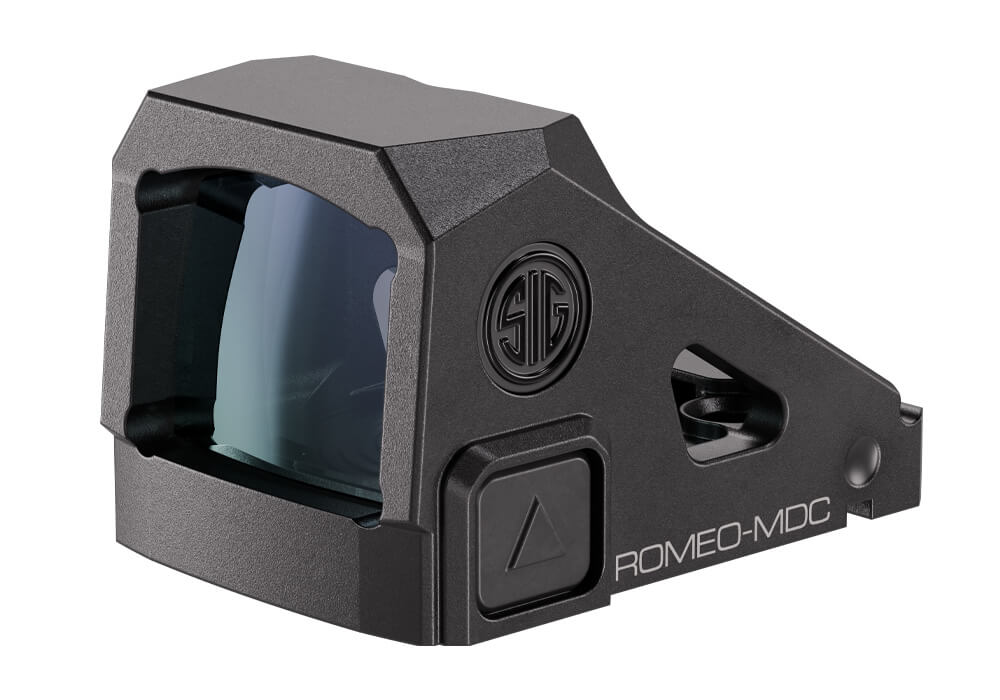
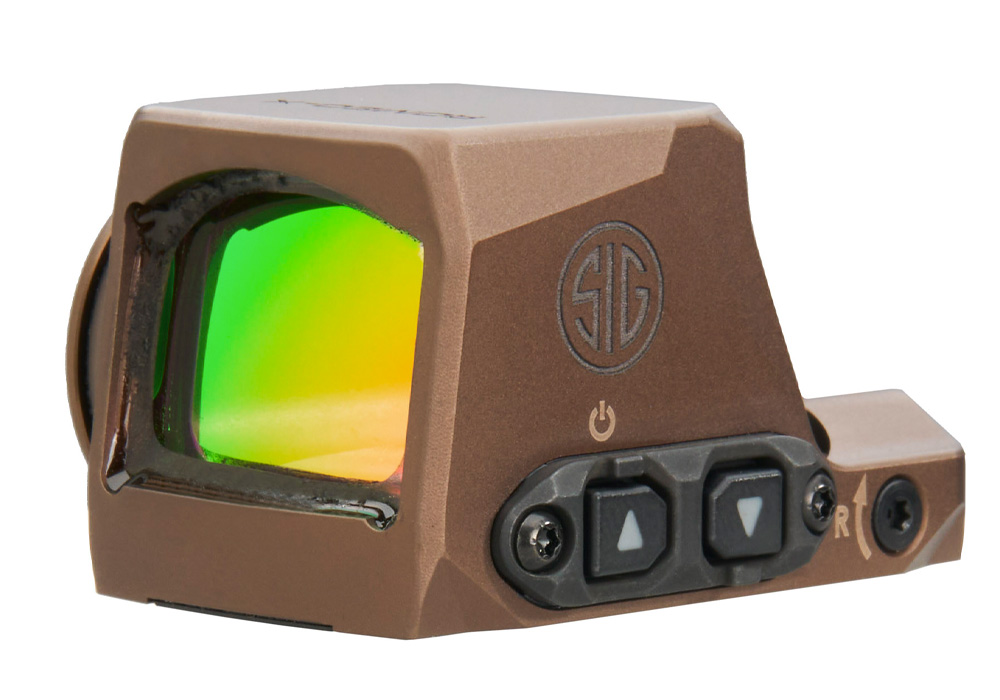
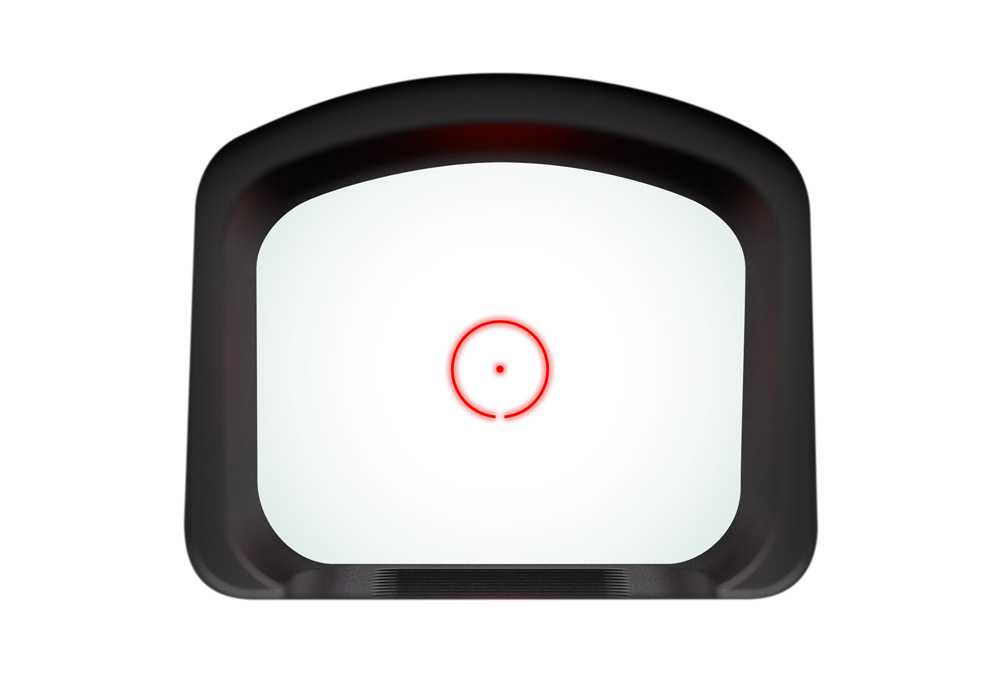
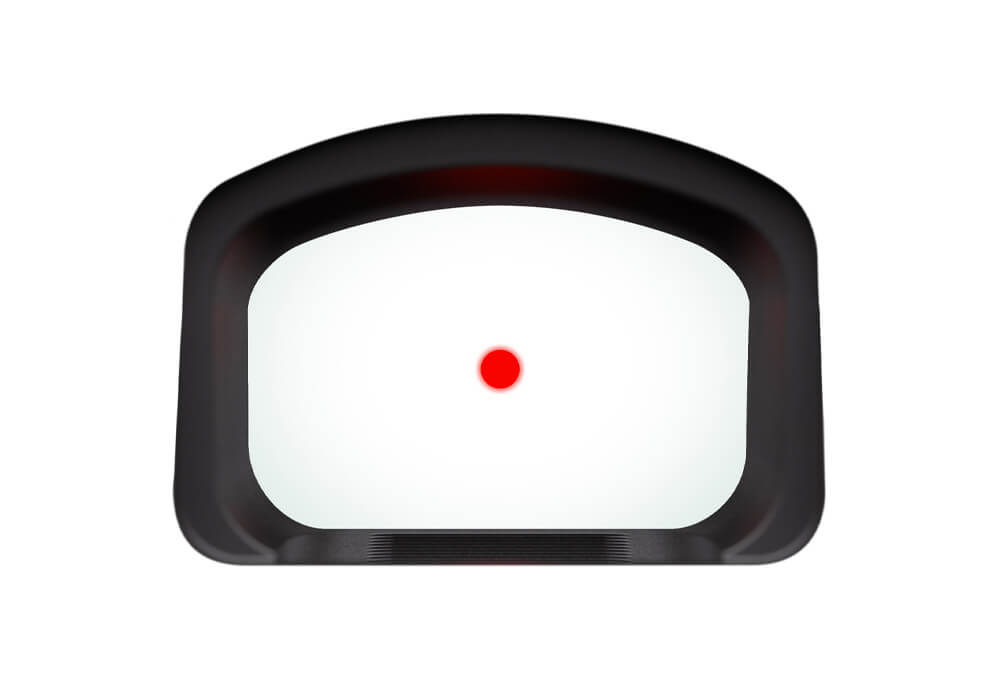
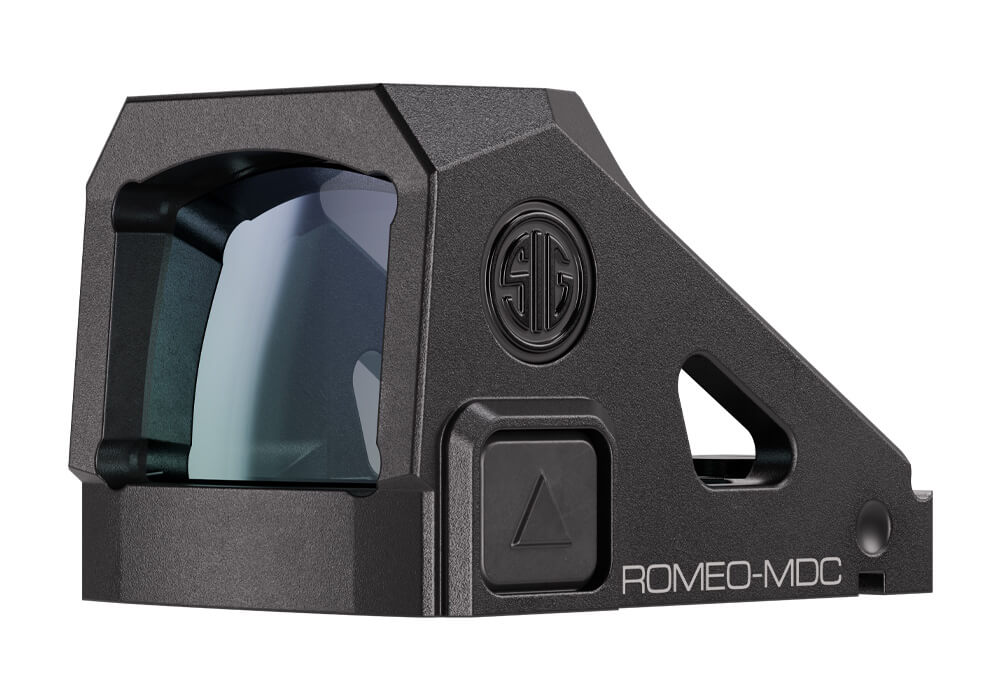
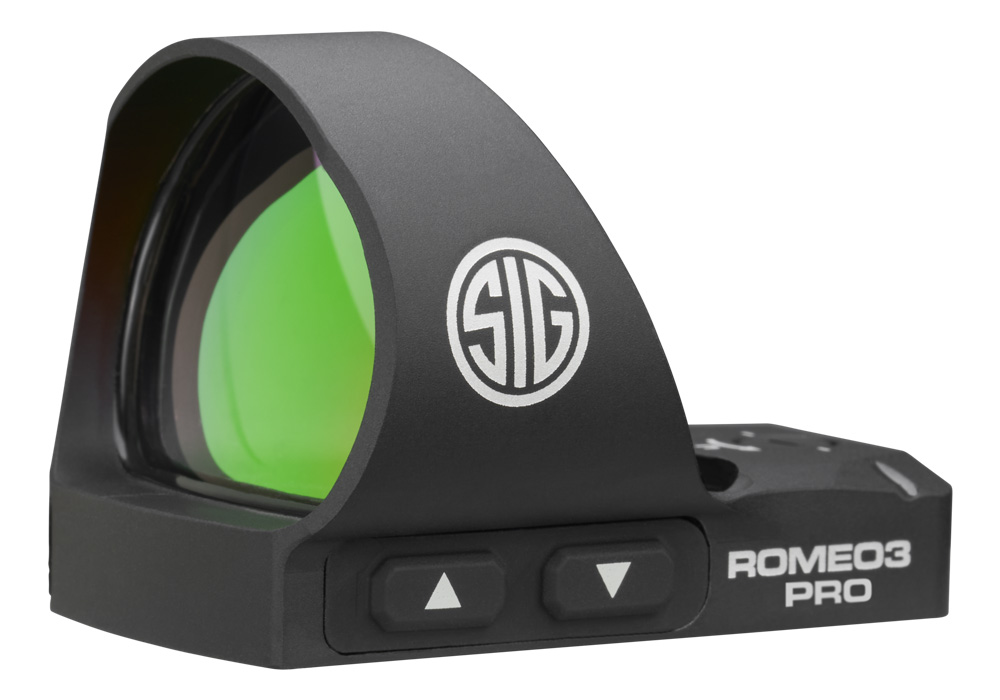
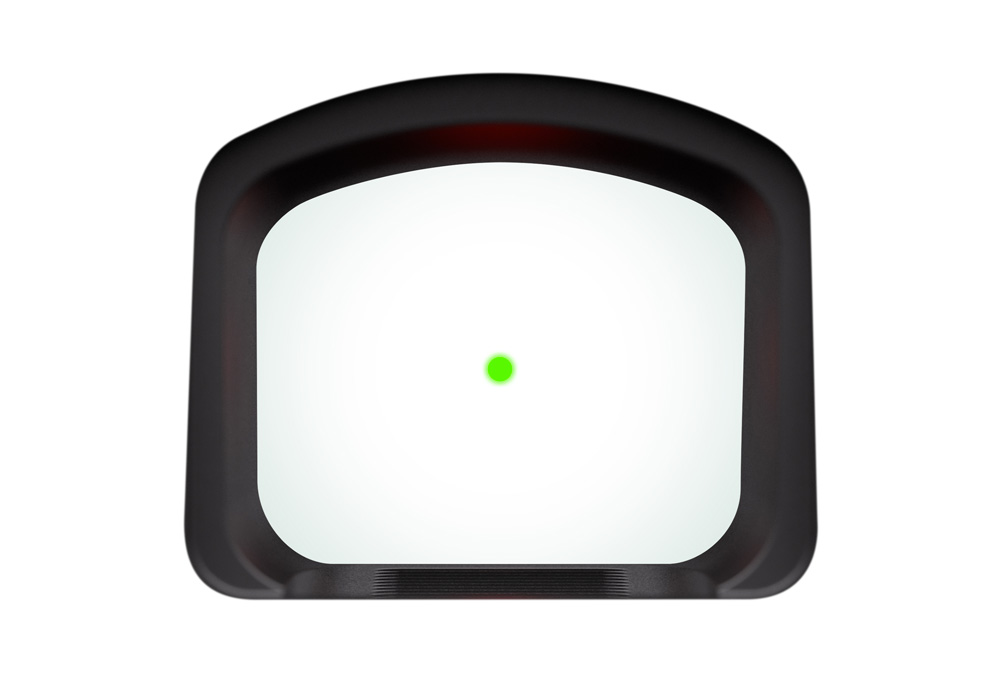
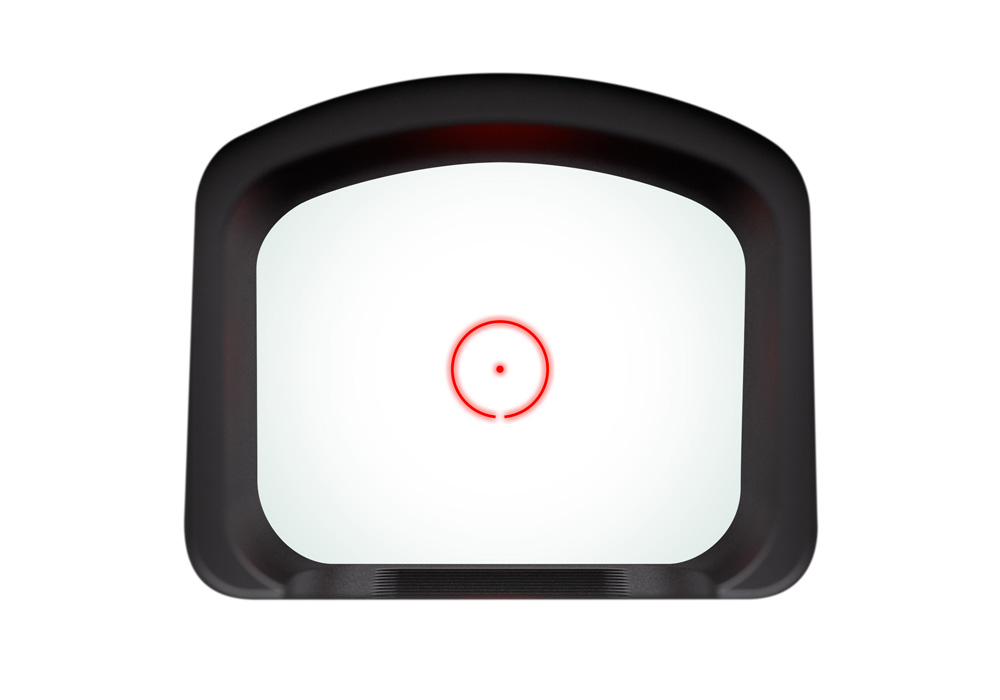
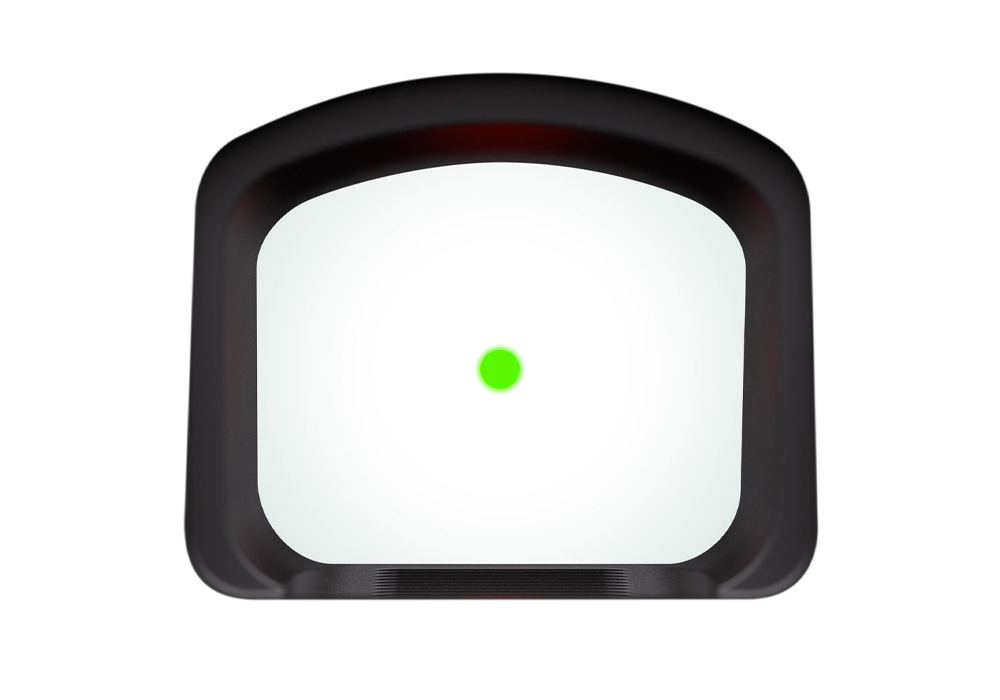
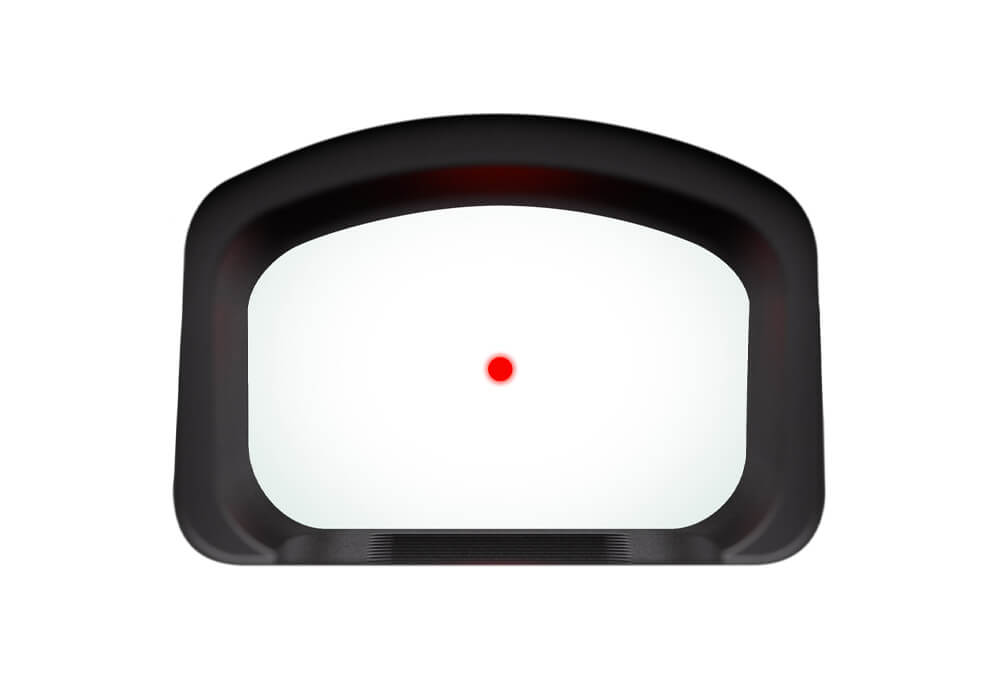
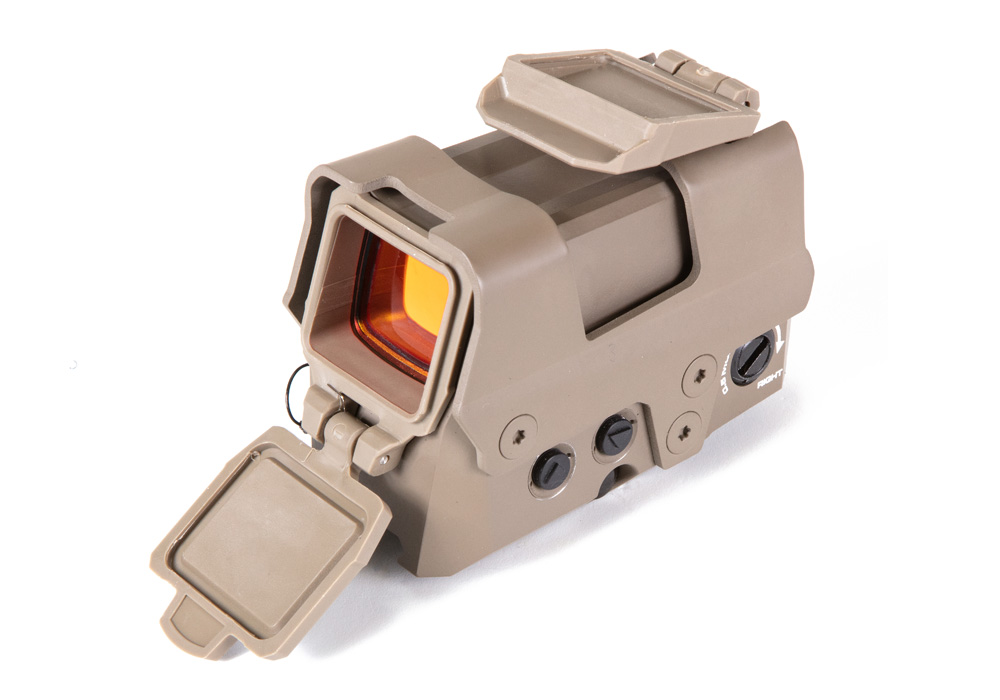
Open design reflex sights, also called open emitter red dot sights, are compact aiming optics designed to place a bright illuminated dot in the shooter’s line of sight without covering the target with a traditional tube or housing. Their defining feature is a single, open viewing window with the LED emitter positioned on the base of the optic. This streamlined arrangement gives the shooter a broad, unobstructed sight picture and supports rapid target acquisition while keeping both eyes open. For many shooters, the experience feels natural: instead of carefully aligning a front sight and rear sight, they bring the firearm into a comfortable position, look through the window, and place the illuminated aiming point where they want the shot to land. That wide field of view can be especially useful on a handgun, where a small optic window and a fast presentation matter during practice, competition, training, or lawful defensive applications. Open design reflex sights are also valued for their low profile and modest weight. Mounted correctly, they can add aiming capability without making a pistol feel excessively bulky, and many models are built around common mounting footprints used by optics-ready handguns. Before choosing one, confirm the firearm’s cut, footprint, screw pattern, mounting plate requirements, and available clearance. A sight that fits one slide or mounting system may require a different plate or hardware on another, so checking the manufacturer’s specifications is an essential step. It is also wise to compare window dimensions, overall height, battery location, brightness controls, dot size, reticle options, and adjustment range. A smaller dot may support precise aiming at distance, while a larger dot can be easier to see during a quick presentation or in changing light. Brightness settings should be easy to reach and intuitive to adjust, particularly when moving from a shaded indoor range to bright open ground. Some shooters prefer automatic brightness adjustment, while others want direct manual control so the aiming point remains exactly as intended. The best open design reflex sight is not simply the lightest or most feature-rich option; it is the one that fits the firearm, matches the shooter’s eyesight and intended use, and remains simple to operate under pressure.
These sights are commonly selected by handgun owners who want a fast, modern sighting system for range work, action shooting, training classes, or everyday carry where permitted and appropriate. Competitive shooters often appreciate the generous window because it can make tracking between targets feel more fluid, especially during movement or rapid transitions. A recreational shooter may value the same design for an easier-to-see aiming point during an afternoon at the range, while a new optics user may find that the illuminated dot helps clarify the relationship between presentation, sight alignment, and trigger control. Open design reflex sights can also make thoughtful gifts for an experienced shooter who has an optics-ready pistol, provided the giver verifies compatibility before purchasing. For a gift, details such as the firearm model, mounting footprint, preferred dot size, and battery type matter more than appearance alone. A sturdy optic that cannot mount to the recipient’s handgun will create frustration, while a compatible sight can become a practical addition to regular range sessions. Regardless of experience level, training remains important. The dot does not automatically appear in the window simply because the optic is installed; the shooter still needs to develop a consistent grip, draw, and presentation. Dry practice with an unloaded firearm, conducted in a safe location according to established handling procedures, can help build that consistency. At the range, begin at a comfortable distance and confirm zero before working on speed. Use a stable rest when making initial adjustments, fire carefully grouped shots, and make small corrections while following the optic’s adjustment instructions. Once the sight is zeroed, confirm the point of impact at the distances most relevant to the firearm’s intended use. A useful habit is to inspect the dot during different lighting conditions and from several shooting positions. The aiming point should remain clear without blooming excessively, disappearing against the background, or becoming distracting. Shooters who wear corrective lenses may also want to test the sight with their normal prescription, since visual clarity and astigmatism can affect how a dot appears. As the weather warms and outdoor practice becomes more frequent, an open emitter can provide an exceptionally clear view on a clean, dry range. During cooler months, the same optic may be exposed to condensation, damp gloves, dust, or other conditions that make regular inspection especially important.
The exposed emitter and open window are central to the design’s slim profile, but they also require sensible maintenance and realistic expectations. Rain, mud, snow, dust, unburned powder, and lint can collect on the emitter deck or the inside surface of the viewing window, potentially obscuring or distorting the dot. Before each use, look through the optic and confirm that the window is clear. If debris is present, follow the manufacturer’s cleaning guidance and use appropriate lens-safe materials rather than abrasive cloth, household chemicals, or compressed air applied too aggressively. Keep a soft lens cloth or optic brush with range equipment, and inspect the sight after practice in dusty, wet, or muddy conditions. Battery care is equally important. Install the specified battery correctly, learn the sight’s controls, and replace the battery according to a schedule that fits the optic’s settings and frequency of use rather than waiting for the dot to fade at an inconvenient time. Store the firearm and optic in a dry, secure location, and use a protective cover when the firearm is transported or stored if the design allows it. An open design reflex sight is not a substitute for safe firearm handling, a secure holster, a proper backstop, or regular practice. It should be treated as an aiming aid that works best when paired with a reliable mounting system and disciplined habits. Shooters who expect frequent exposure to heavy precipitation, blowing dust, mud, or demanding field conditions may also wish to compare open emitter designs with enclosed alternatives, balancing the broader window and lower profile of an open optic against the added protection offered by a sealed housing. For a broader selection organized around range and field use, explore Outdoor Shooting Reflex Sights. Whether selected for a newly configured handgun, a competition setup, a training companion, or a carefully chosen gift, an open design reflex sight can offer a clean sight picture, quick target engagement, and a practical way to modernize an optics-ready firearm when fit, maintenance, and training are all given proper attention.