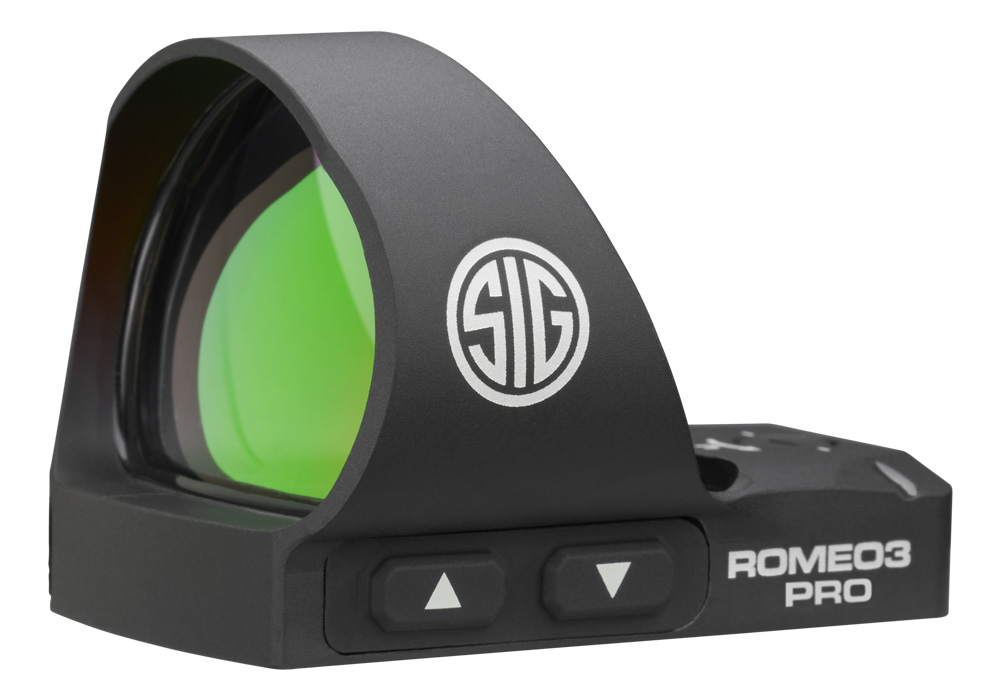
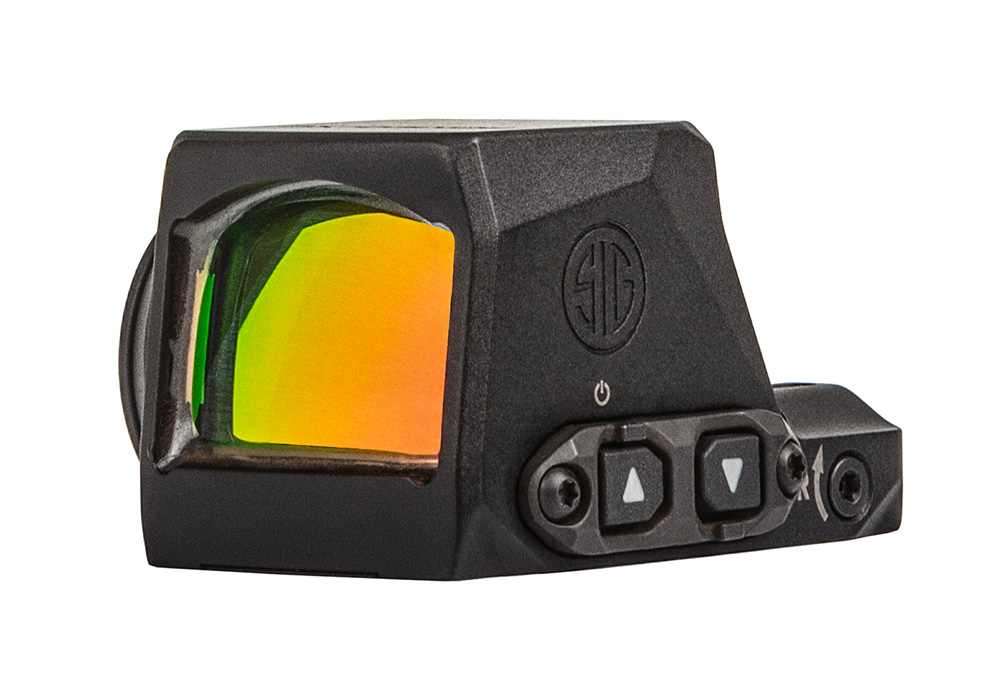
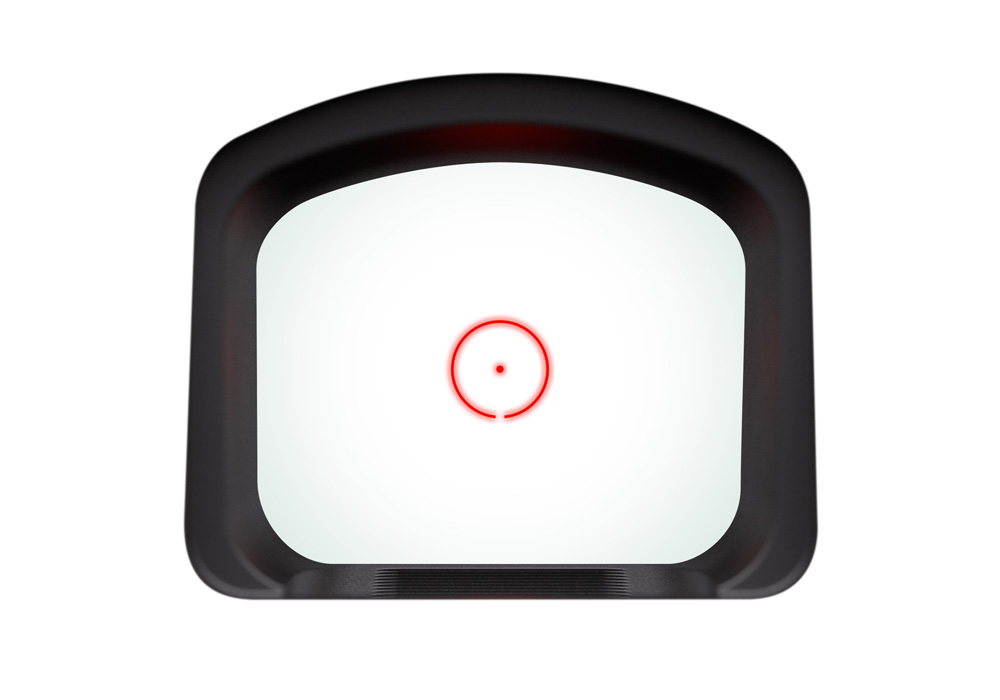
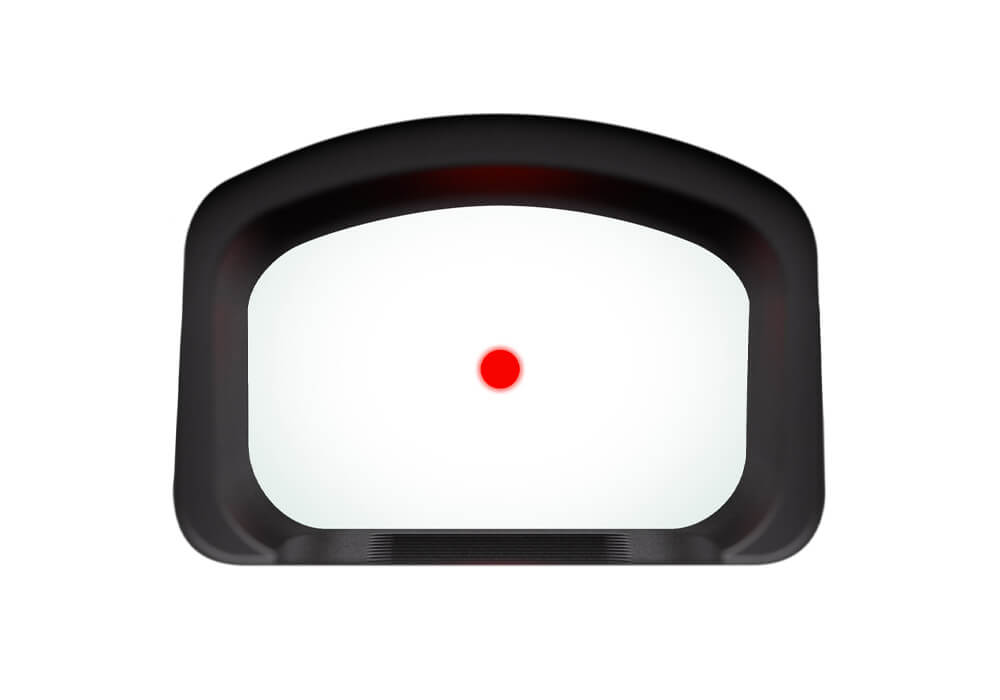
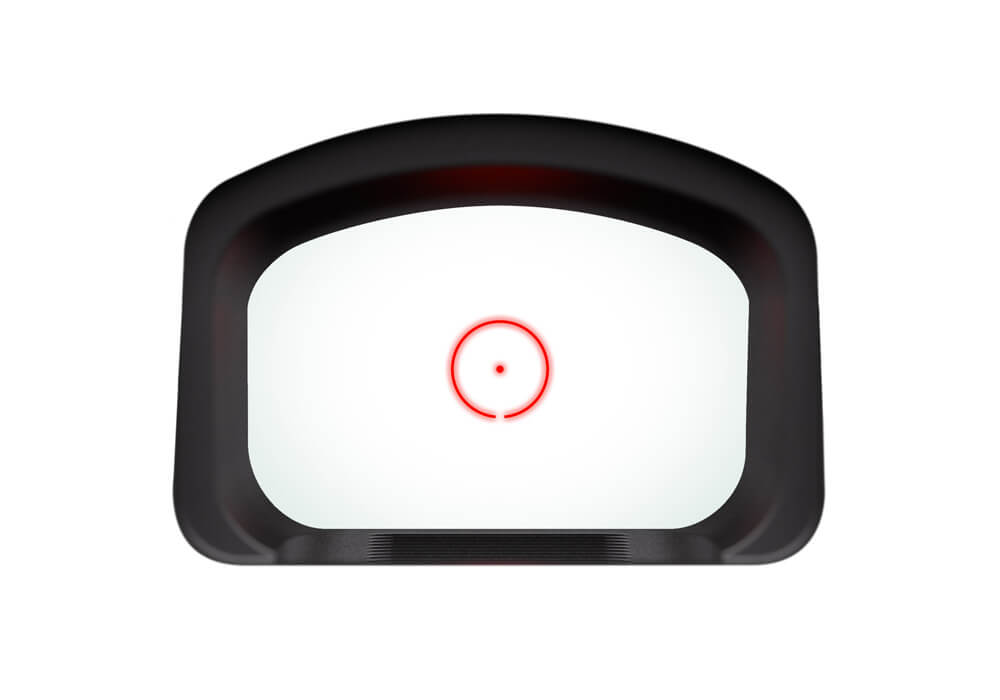
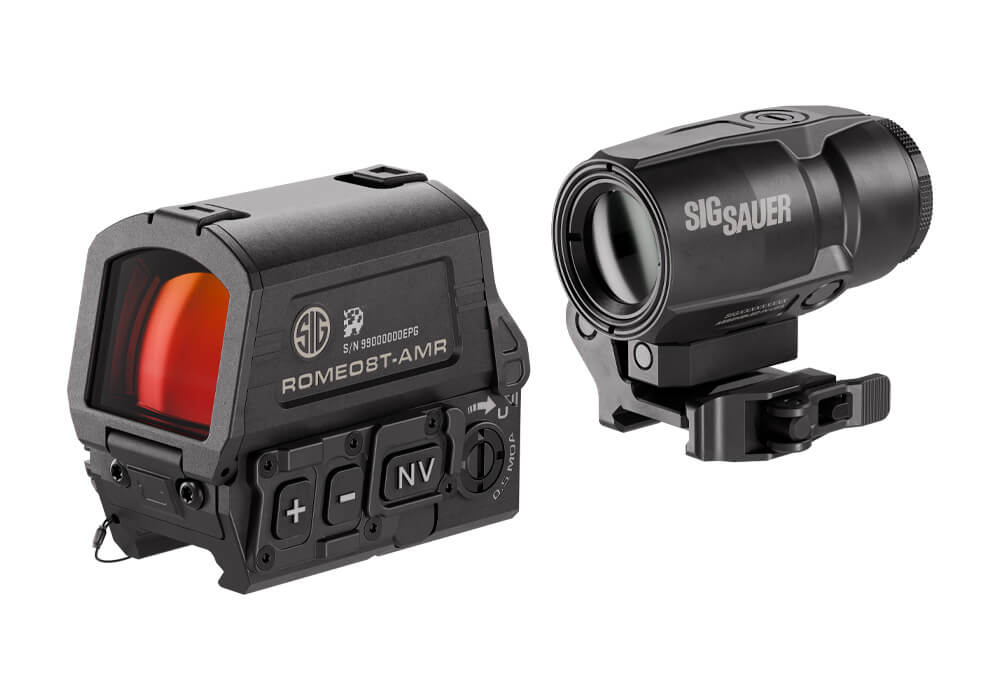
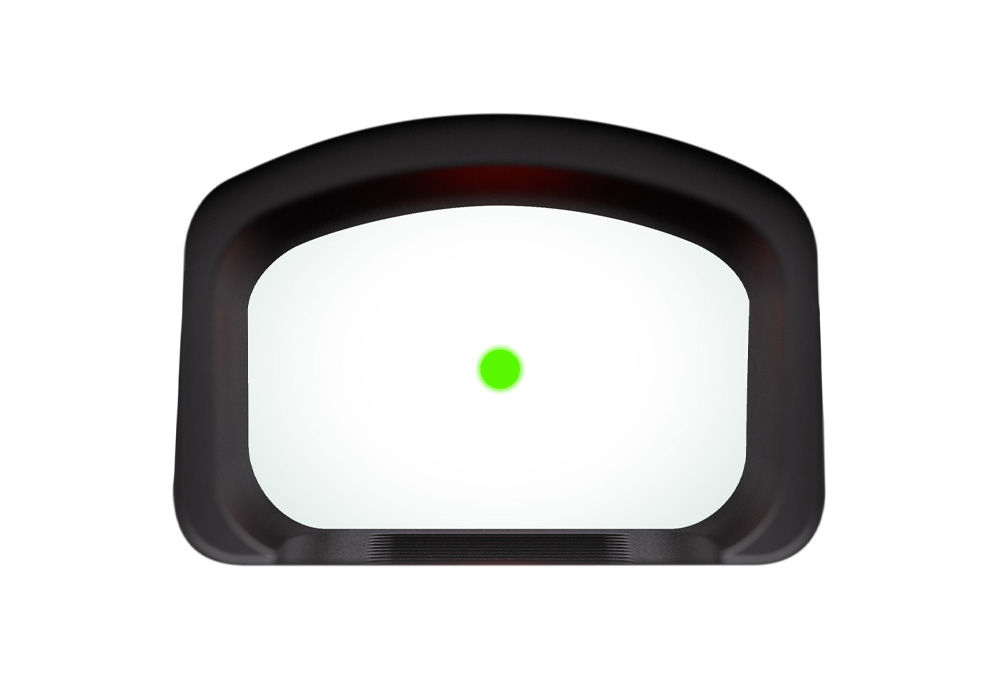
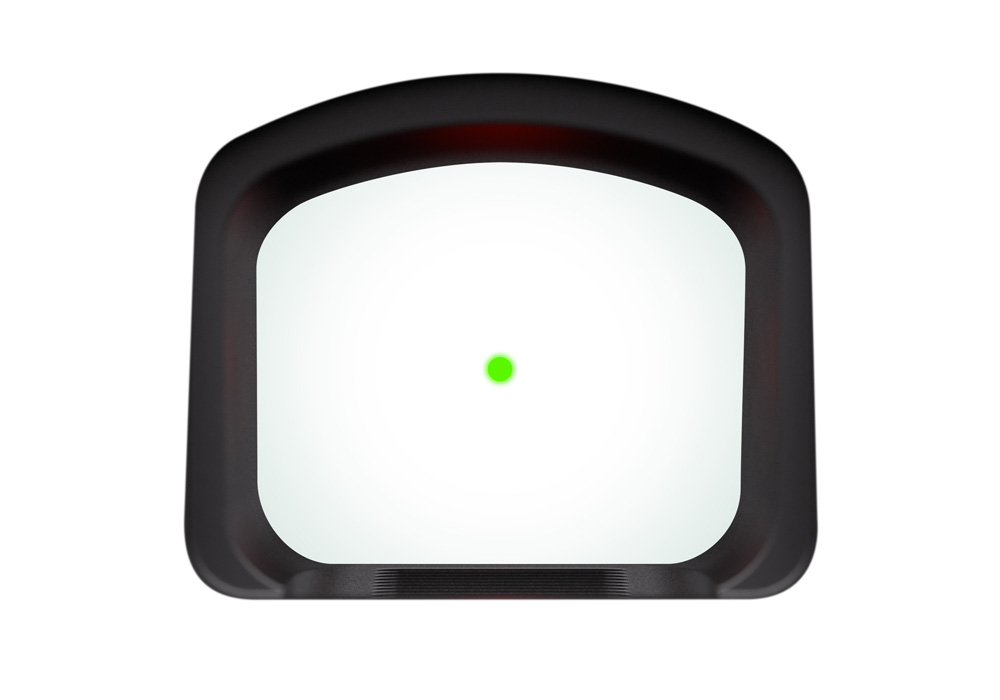
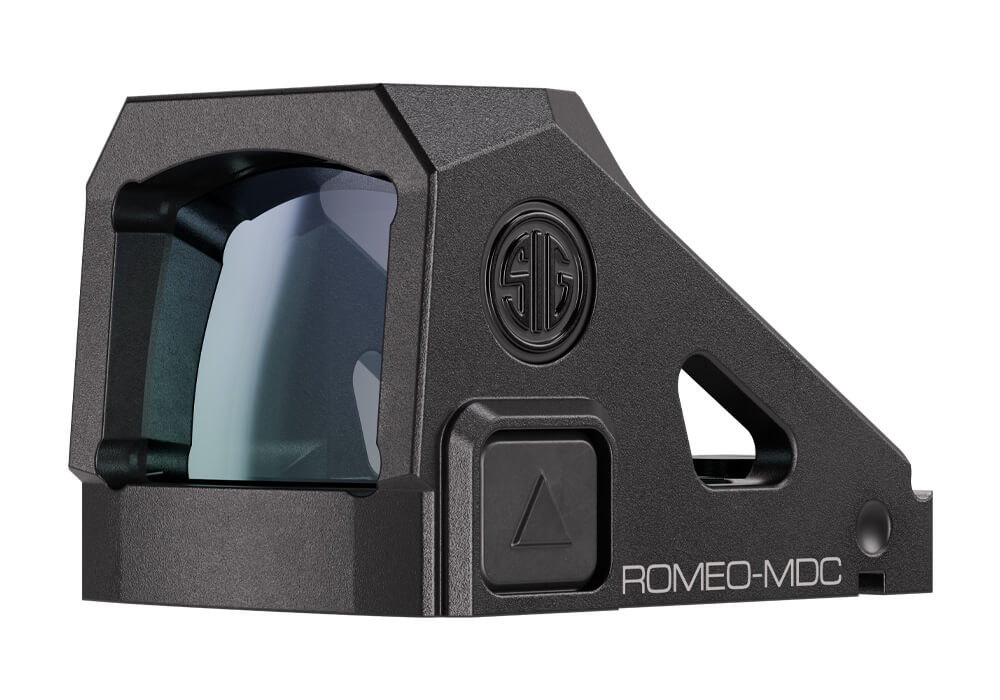
Large window reflex sights pair an illuminated aiming reference with a generous viewing area, giving the sight picture an open, uncluttered feel. Their defining feature is the size and shape of the lens opening rather than a particular reticle, mounting pattern, or housing design. A wider or taller window provides more visible space around the dot, which can make the aiming reference easier to locate when the eye is not perfectly centered behind the sight. That extra room is especially appealing to recreational range users and competitive sport shooters who prefer a less confined view through their optic. Window dimensions tell only part of the story, however. The thickness of the surrounding frame, the contour of the housing, and the position of the lens all influence how spacious a sight feels in use. A broad rectangular opening may offer a different visual impression than a rounded lens with similar overall dimensions. The usable view also depends on the mounting position and the distance between the eye and the optic, so exterior measurements alone do not describe the complete viewing experience. Reflex sights typically display an illuminated dot or another simple reticle against the view through the lens, without the magnification associated with a telescopic sight. Many users find this format comfortable with both eyes open, although individual vision and familiarity affect that experience. A larger window does not magnify the subject or guarantee greater precision; its value lies in the additional viewing room around the aiming reference. Lens clarity, consistent illumination, and a housing that does not dominate the view are equally important parts of the overall design. For someone spending a relaxed afternoon at a supervised range or participating in organized target competition, those details can matter more than an impressive exterior measurement. The strongest match is an optic whose viewing area, controls, and physical proportions suit the intended sporting use without introducing unnecessary bulk.
Construction and fit deserve as much attention as window size. Aluminum housings are common because they offer a practical balance of weight and structural strength, while lens placement and frame geometry influence how well the glass is protected during routine handling. A broad lens opening does not, by itself, establish durability. Housing design, surface finish, component quality, and the manufacturer’s documented testing provide more useful context. Protective lens coatings may help manage reflections or support easier cleaning, but coating descriptions should be evaluated individually rather than treated as interchangeable promises. Open-emitter designs leave the light source and its path to the lens more exposed, while enclosed-emitter designs place that path within a protective housing. Either format can have a substantial viewing window, and each brings its own balance of dimensions, weight, access for cleaning, and protection from dust or lint. Compatibility is a separate consideration: a sight that appears proportionate to a handgun, pistol-caliber carbine, or sporting rifle may still require a different mounting interface. Mounting footprint, approved adapter requirements, screw specifications, and clearance around nearby components all need to agree with the host platform’s documentation. Similar-looking footprints are not necessarily interchangeable, and an adapter can change the installed height and overall fit. For a slide-mounted optic, compatibility with the slide cut and the manufacturer’s permitted optic dimensions is particularly important. For a rail-mounted configuration, the appropriate mount and its intended application remain essential. Installation should follow the relevant manufacturer instructions, with assistance from a qualified professional when compatibility is uncertain. The physical size also matters away from the firing line. A larger housing can affect how equipment fits inside a protective case, and existing covers or holsters may not accommodate a different optic profile. Shoppers comparing a spacious lens with a smaller overall package can also explore Compact Black Reflex Sights, keeping mounting requirements and usable window dimensions distinct from exterior size.
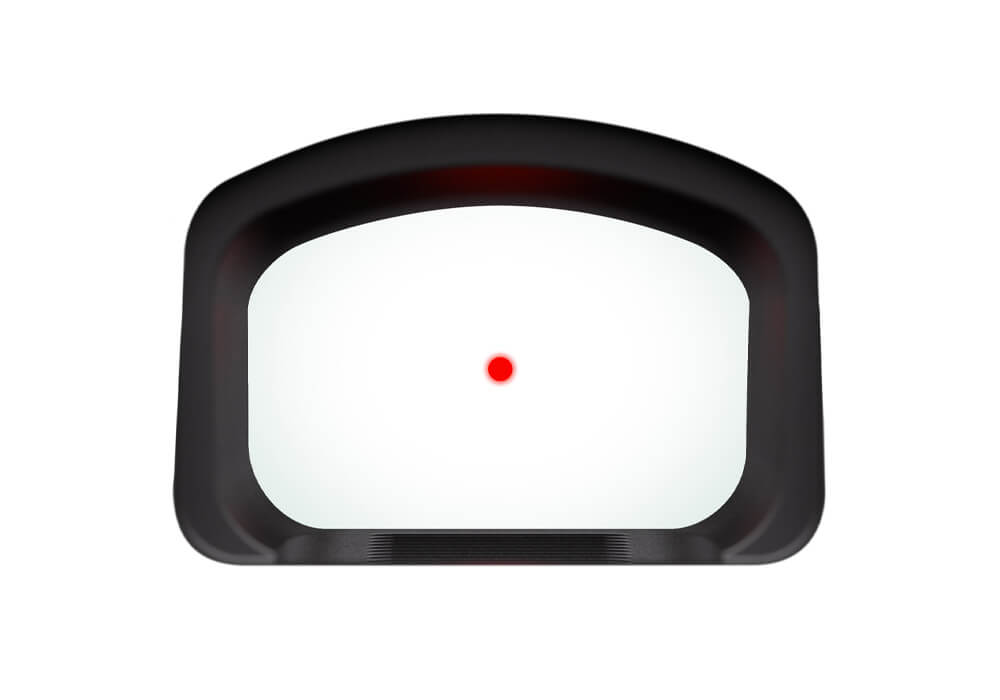
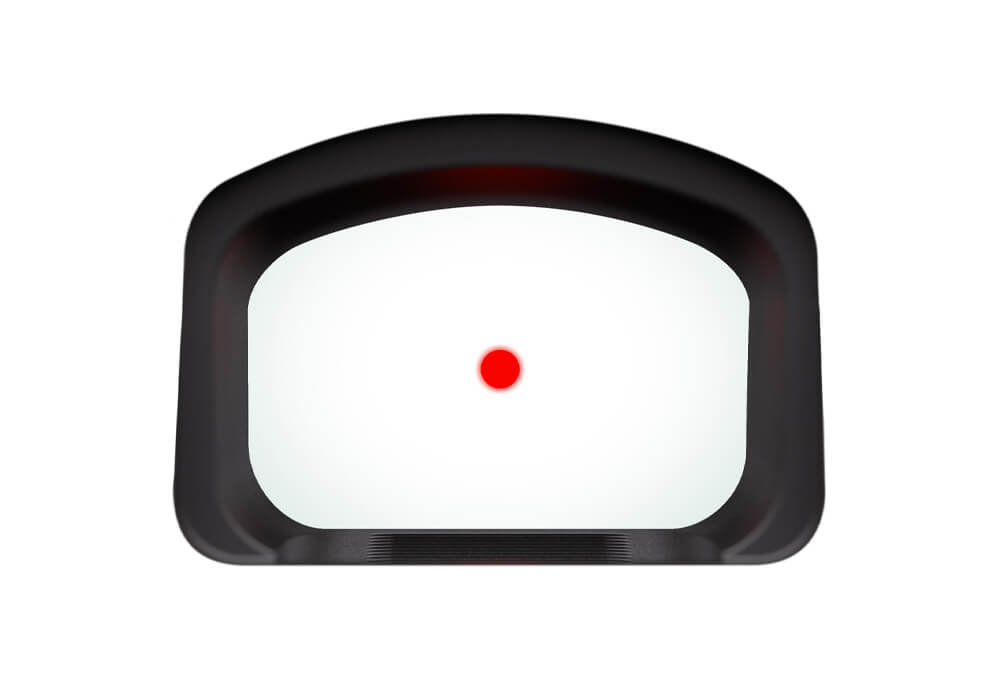
Everyday satisfaction often comes from details that are less conspicuous than the lens opening. Reticle size is commonly expressed in minutes of angle, or MOA, which describes its apparent angular size rather than the dimensions of the window. A fine dot occupies less of the visible subject, while a larger dot can appear more prominent; neither choice is universally preferable because eyesight, lighting, and personal preference all play a role. Some sights offer alternative reticle patterns or illumination colors, but those features vary by design. A crisp appearance also depends on the viewer’s eyes. Astigmatism can cause an illuminated dot to look streaked or irregular, and excessive brightness can make its edges appear less distinct. Brightness adjustment range, the accessibility of the controls, and whether settings are manual or automatic all contribute to how comfortable the optic is to use in different lighting environments. Battery access is another practical distinction. Some compartments can be opened with the optic still installed, while other arrangements require removal; the product documentation should make that service requirement clear. Published battery-life estimates depend on specified settings and operating assumptions, so they are best considered alongside the power-management features and recommended replacement schedule. Care is generally straightforward but should respect the lens coatings and electronic components. Before maintenance, ensure the firearm is unloaded and follow its safety instructions. Loose particles should be removed before wiping the glass, using the lens-cleaning method and materials recommended by the optic manufacturer. A soft, clean lens cloth and an approved cleaning solution help avoid the damage that rough fabric, abrasive debris, or unsuitable chemicals can cause. Keep cleaning fluids away from battery compartments and other openings unless the care instructions expressly permit that exposure, and inspect accessible surfaces for residue or loose debris. A suitable protective cover or padded case can help prevent scratches during storage and transport. For a gift recipient who enjoys target shooting, an optic is a highly personal equipment choice: confirmed mounting compatibility, preferred reticle appearance, and comfort with the controls matter more than window size alone. Taken together, these considerations distinguish a genuinely suitable large window reflex sight from one that simply looks spacious in a photograph.