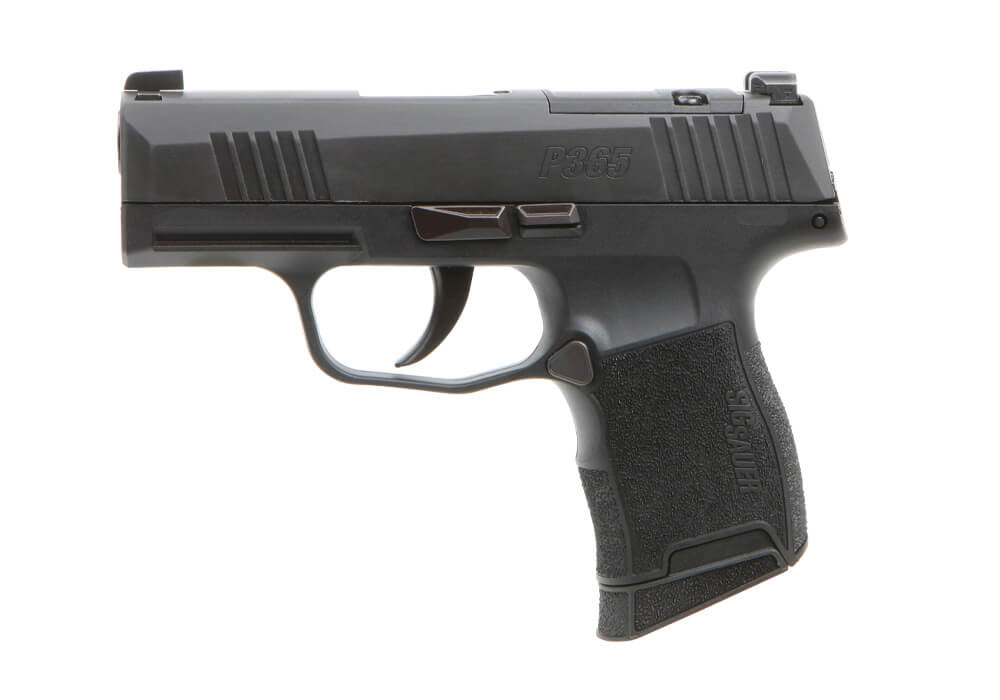
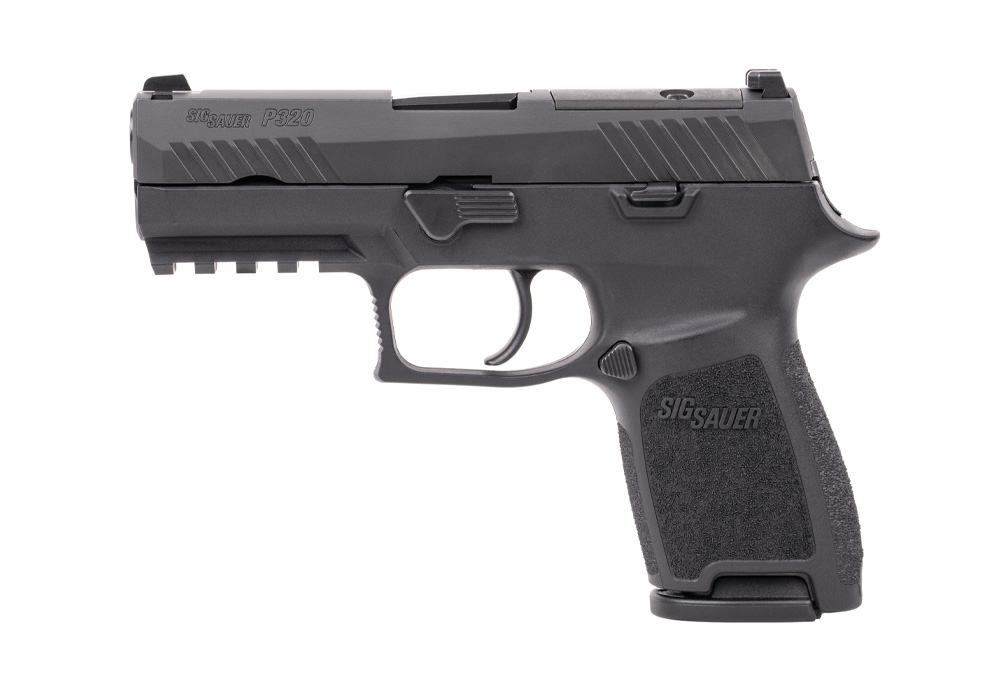
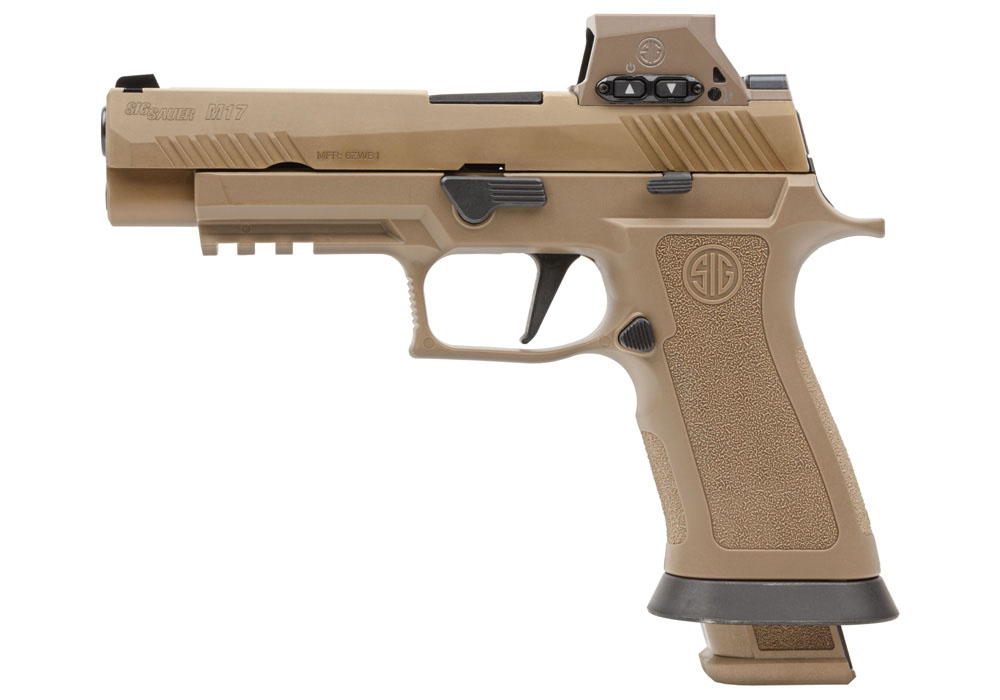
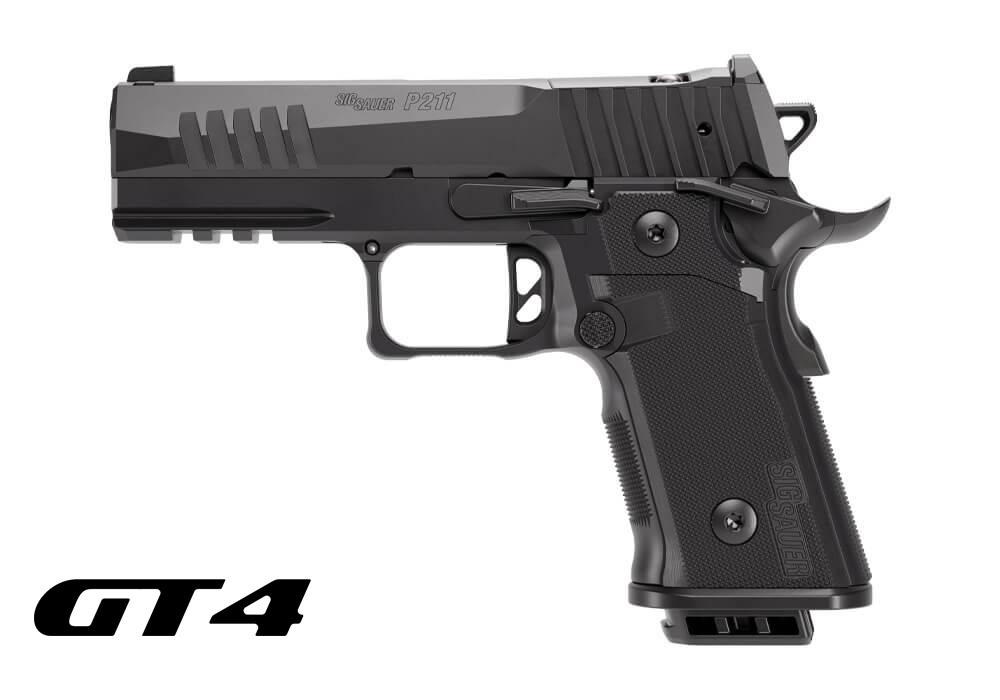
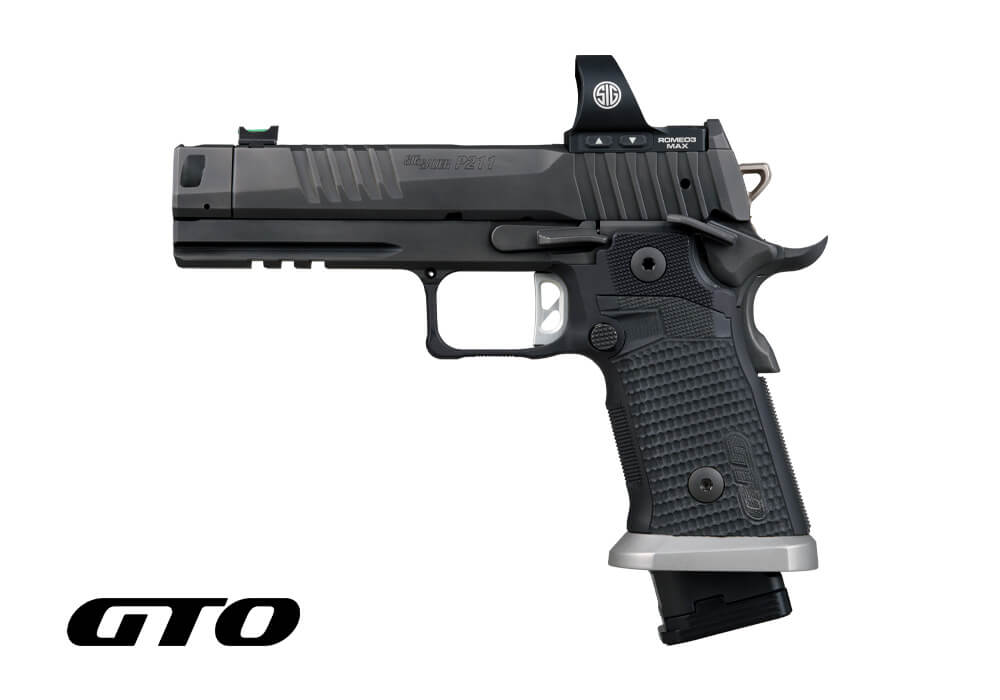
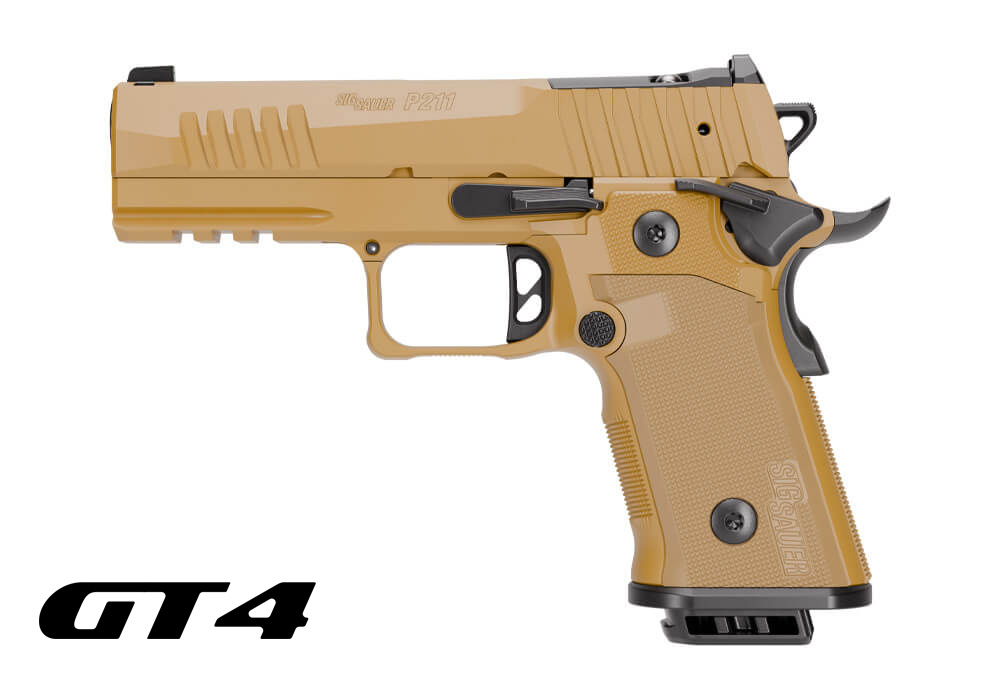
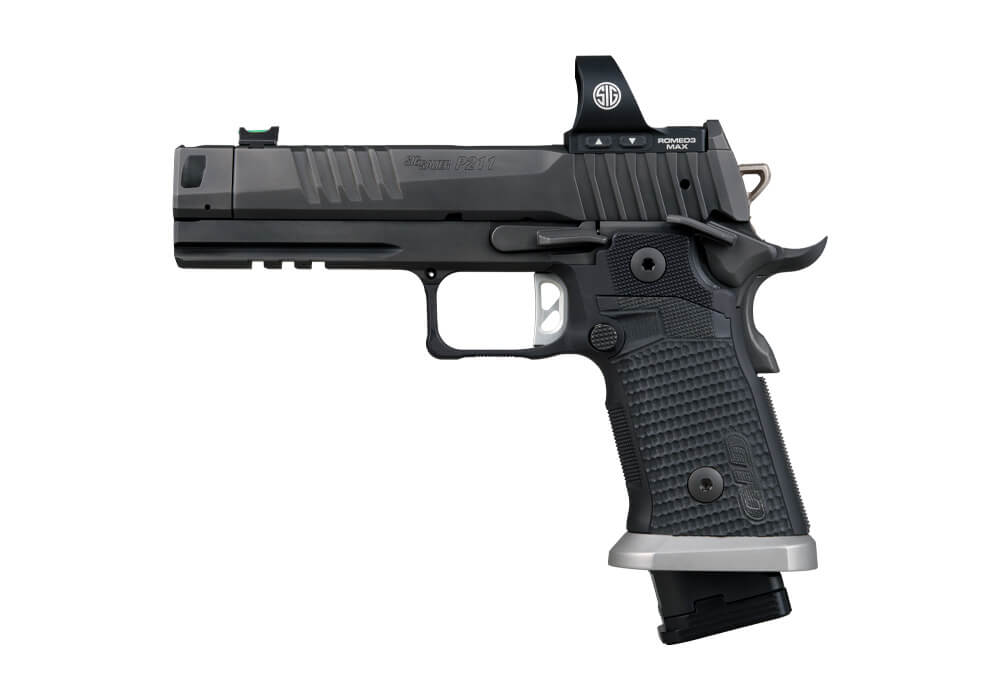
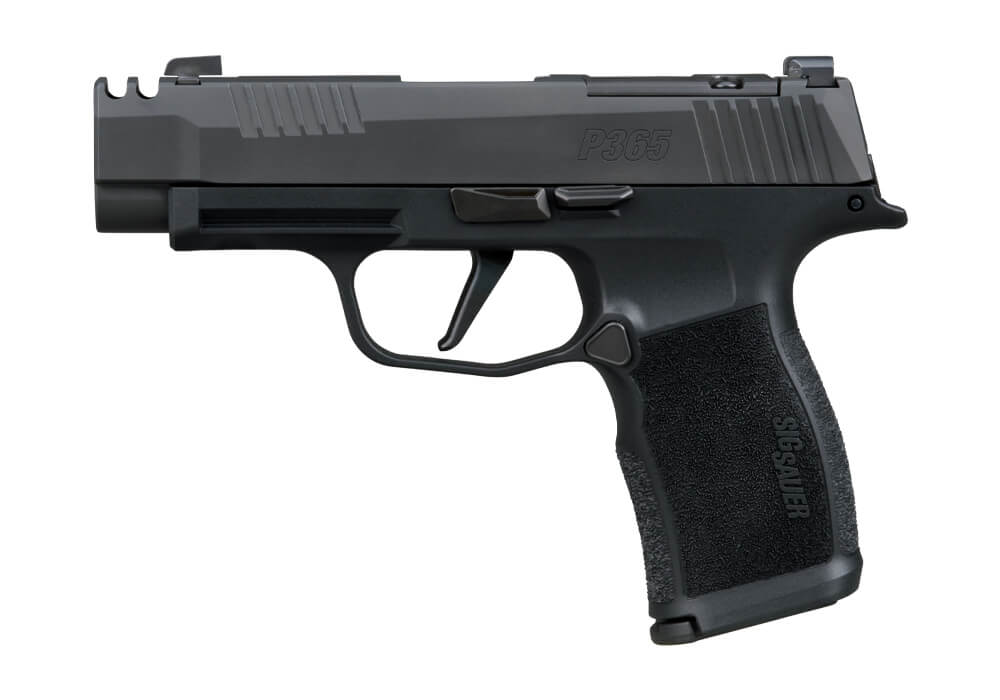
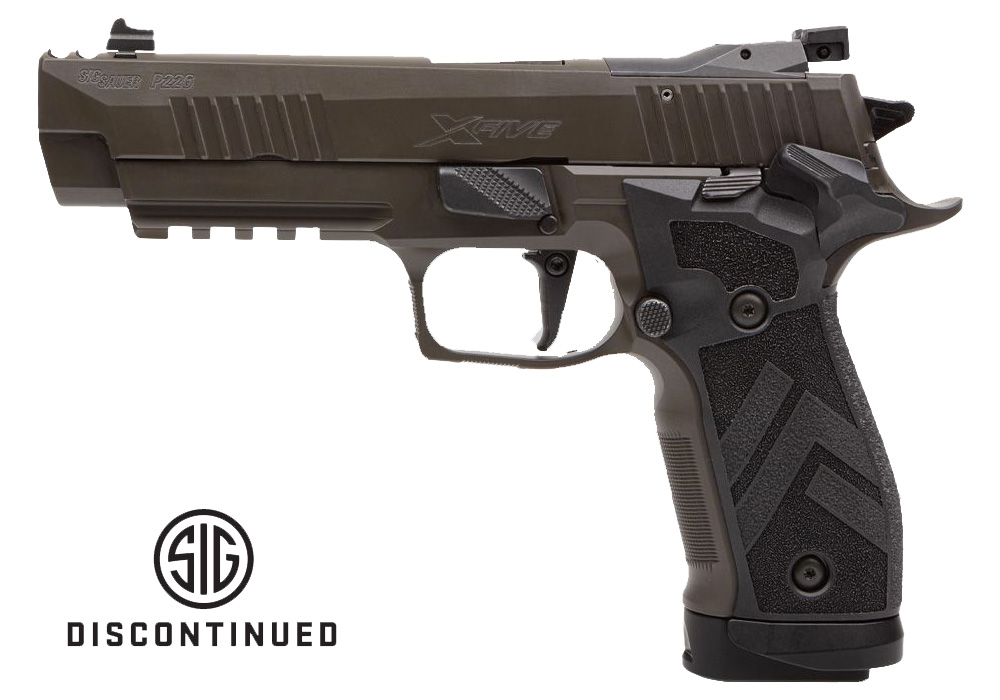
Optic ready pistols with enhanced serrations combine two practical design features for shooters who want a modern, adaptable handgun: a factory-machined slide cut for a compatible red dot optic and pronounced front and rear slide serrations that provide dependable traction. The optic cut allows a properly fitted reflex sight to sit low on the slide, while enhanced serrations offer additional gripping surface for press-checks, loading, unloading, and clearing a malfunction. This combination can be especially useful when an optic occupies or crowds the traditional rear grasping area. Rather than relying only on the back of the slide, a shooter can use the deeper front serrations or another accessible portion of the slide to manipulate it with a firm, deliberate grip. The added texture can also be valuable when hands are wet, sweaty, cold, or covered by gloves during outdoor practice and range sessions. Shoppers comparing optic ready pistols with enhanced serrations should begin by considering the intended role of the handgun, overall size, grip shape, sight height, trigger characteristics, and the type of optic they plan to use. Compact configurations are often selected for convenient carry or general-purpose use, while larger frames and longer slides may offer a steadier sighting platform and a more comfortable experience during extended practice. A product described as optic ready is not necessarily compatible with every red dot sight, so review the mounting system, footprint, adapter plate requirements, screw dimensions, and recommended torque specifications before purchasing an optic. Some designs use a direct-mount system, while others rely on interchangeable plates that support several common footprints. Confirming compatibility in advance helps avoid unnecessary fitting work and ensures the optic can be installed securely by a qualified professional when needed. Shoppers who want to compare related configurations can also explore Pistols With Optic Cut Technology for additional options.
Enhanced serrations are more than a visual detail. Their depth, angle, spacing, and placement affect how naturally the slide can be grasped from different positions. Front serrations can support an overhand grip near the muzzle end of the slide, while rear serrations provide a familiar grasp for routine manipulation. Some slides include serrations that wrap around the sides or extend across the upper portion, creating more usable contact points without requiring excessive pressure. A well-designed pattern should feel secure under the fingers without being so sharp or abrasive that it catches on clothing, equipment, or a soft case. When evaluating these pistols in person, pay attention to whether the serrations are easy to reach with the chosen optic installed, whether the slide can be manipulated without touching the optic, and whether the controls remain accessible with the shooting hand or support hand. An optic also changes the balance and profile of a pistol, so a model that feels natural before installation may feel different once a sight and protective accessories are added. Other purchase considerations include the available barrel length, frame rail configuration, grip circumference, magazine format, manual safety options where applicable, and the availability of replacement magazines, holsters, optic plates, and protective covers. Standard and extended capacity magazine options may be available depending on the configuration and applicable regulations. Buyers should verify local laws, storage requirements, and transfer procedures before completing a purchase. New owners should plan for a secure locking container, eye and ear protection, quality ammunition appropriate for the pistol, and instruction from a recognized firearms professional. A careful fit check at a supervised range can reveal whether the grip texture, controls, optic position, and serrations work comfortably together before the handgun becomes part of a regular training routine.
These pistols may appeal to experienced shooters refining a competition, duty, training, or home-defense setup, as well as to owners who appreciate the flexibility of adding a red dot sight later rather than selecting a fully configured handgun immediately. They can also be a thoughtful gift for a qualified adult who has already expressed a clear interest in an optic-ready platform, provided the purchase, transfer, and ownership requirements are handled lawfully. Because fit and intended use are personal, gift buyers should avoid guessing at a recipient’s preferred frame size, sighting system, or control layout; a store gift card, range session, or contribution toward a properly selected setup may be more practical when preferences are unknown. For any owner, the optic should be mounted according to the manufacturer’s instructions, checked for a secure fit, and zeroed at a suitable range. The slide, optic interface, screws, and serrations should be inspected regularly for debris, looseness, or damage, particularly after repeated practice or exposure to dust and moisture. Cleaning should follow the firearm and optic manufacturers’ guidance, with attention to avoiding excess lubricant around the optic cut and mounting hardware. During cooler months, gloves can make enhanced serrations especially useful, but they may also change trigger reach and grip feel, making dry practice with an unloaded firearm and professional supervision valuable. As conditions shift between indoor storage, vehicle transport, and outdoor range use, a protective case and a consistent maintenance routine help preserve the sight picture and dependable operation. Choosing optic ready pistols with enhanced serrations ultimately comes down to matching the slide design, mounting system, ergonomics, and accessories to the shooter’s training goals, lawful use, and comfort. A thoughtful selection provides a practical foundation for learning the optic, building safe manipulation habits, and maintaining confidence through regular, responsible practice.