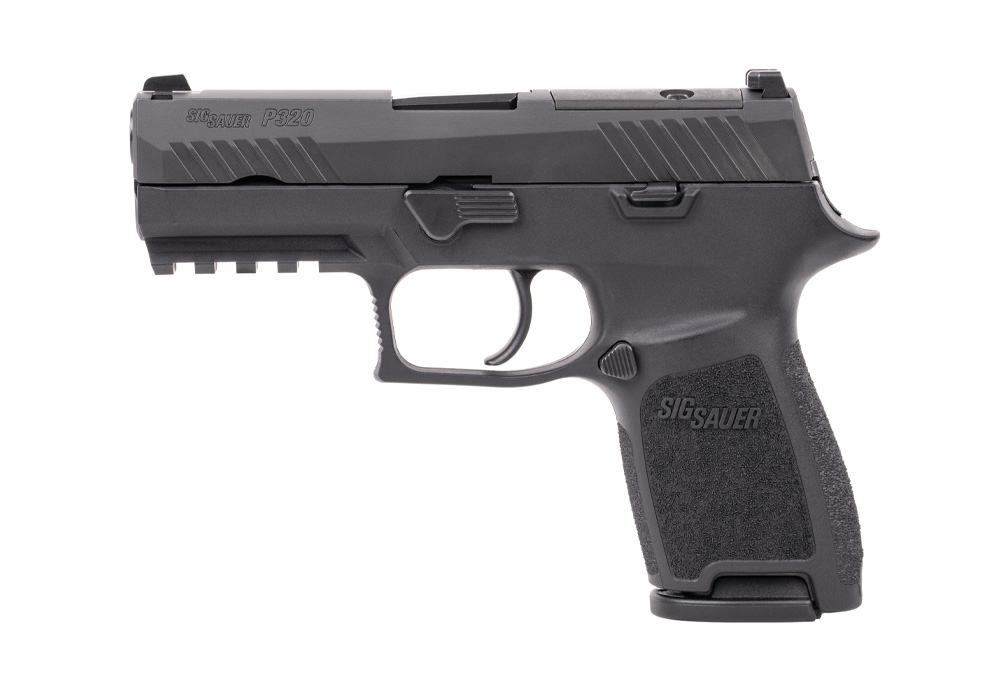
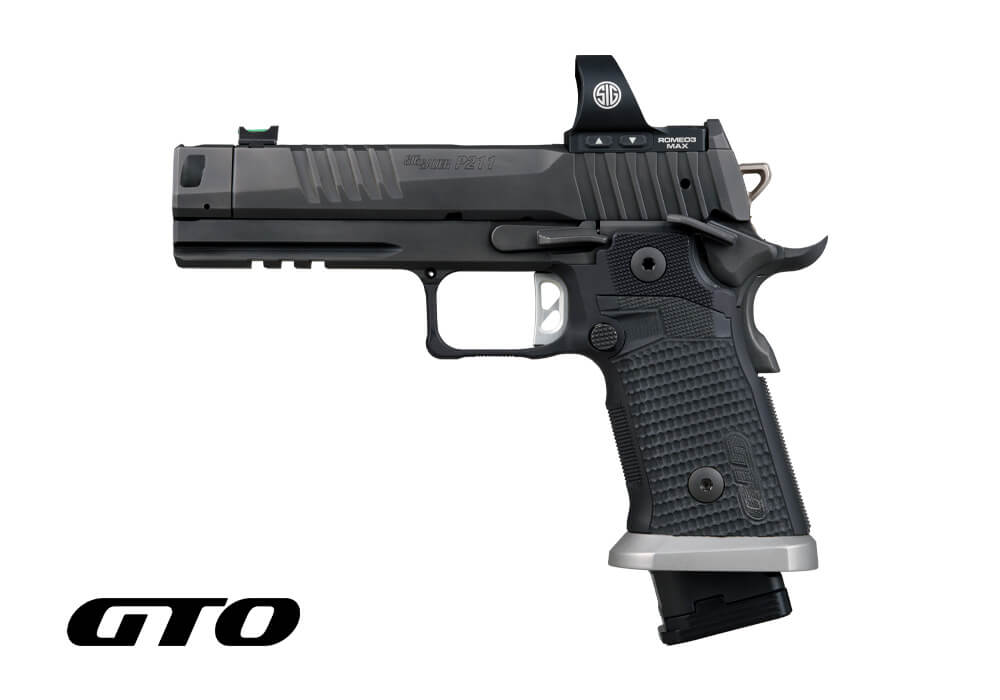
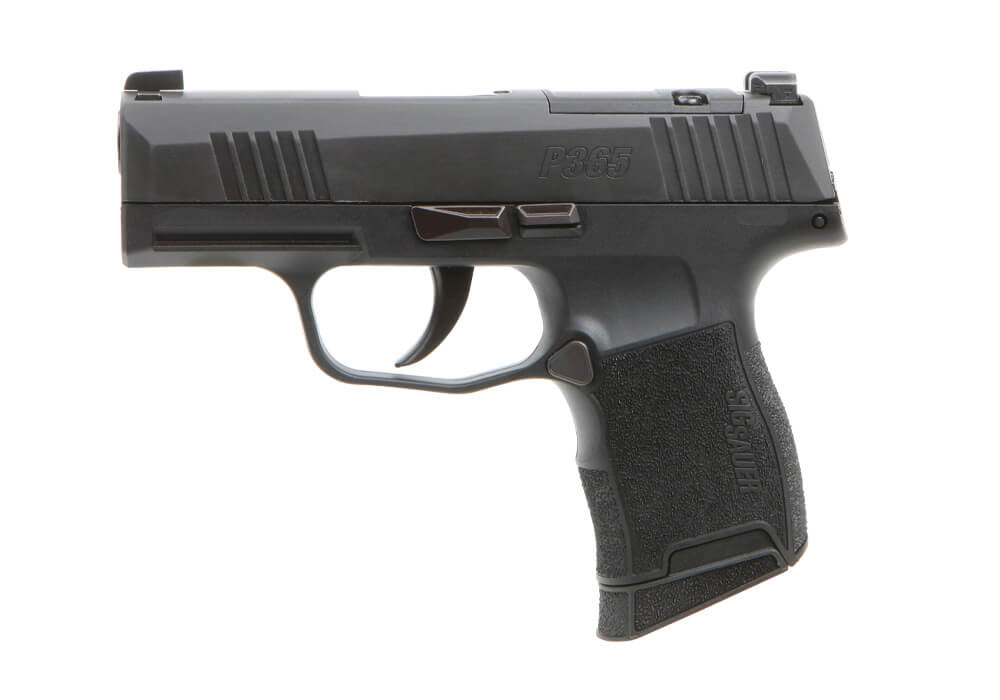
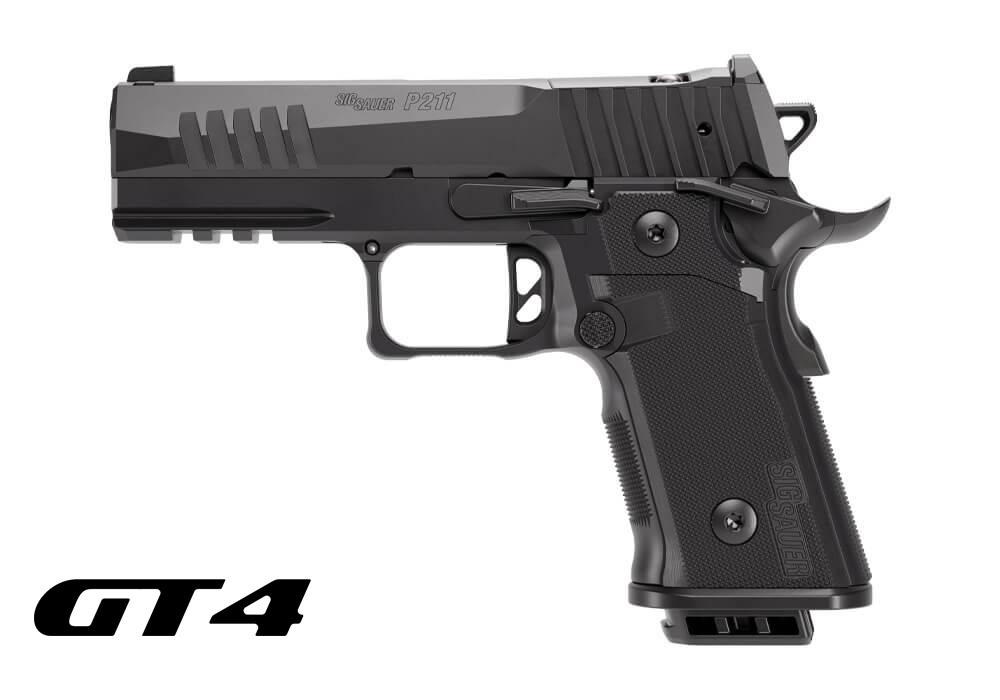
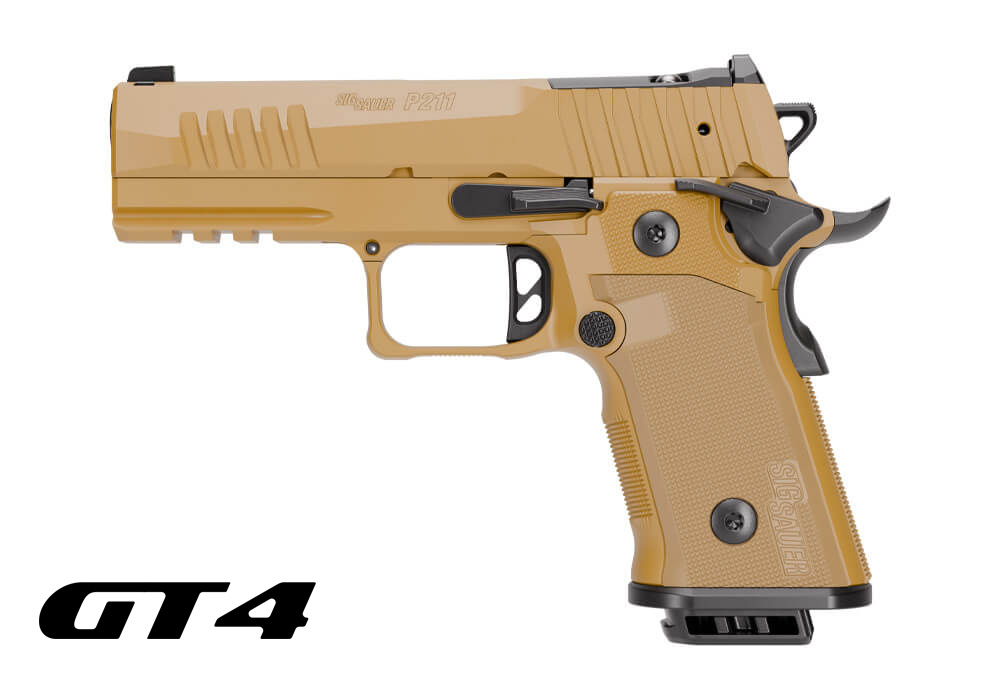
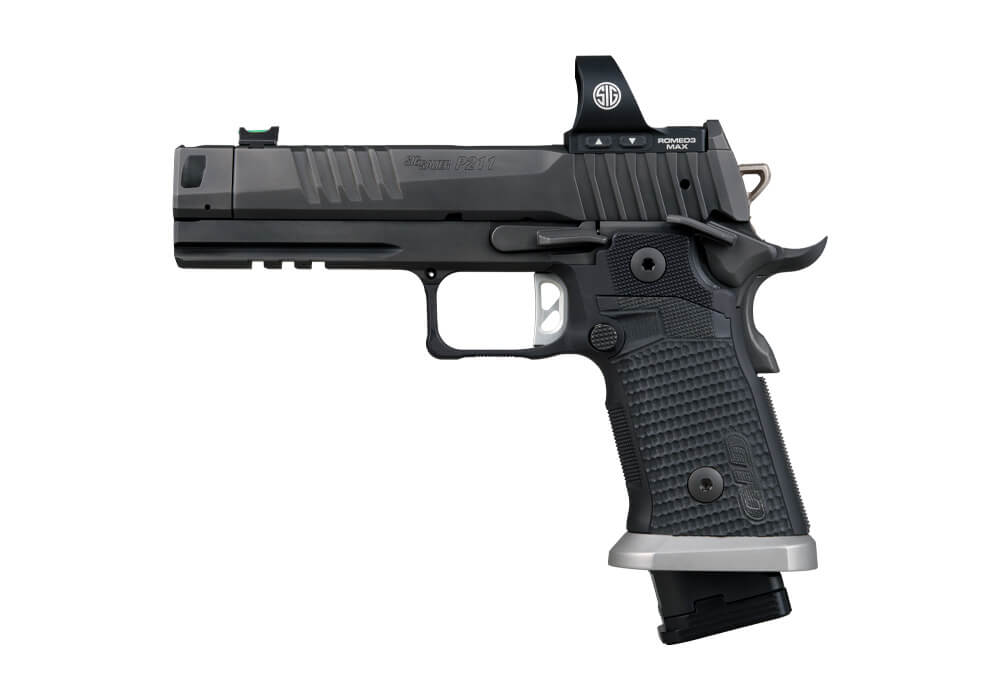
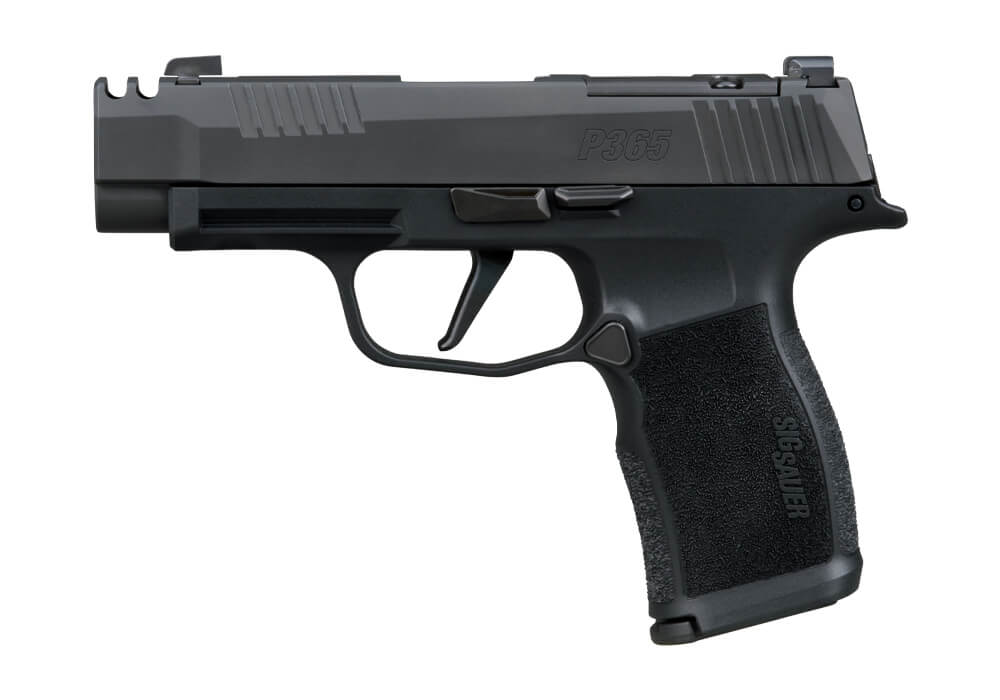
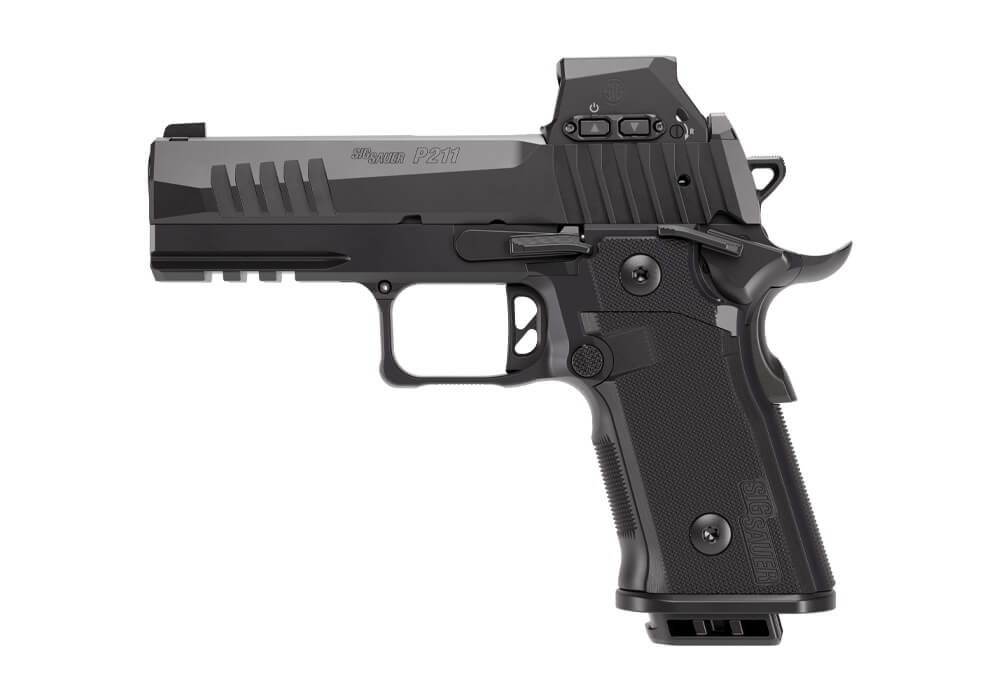
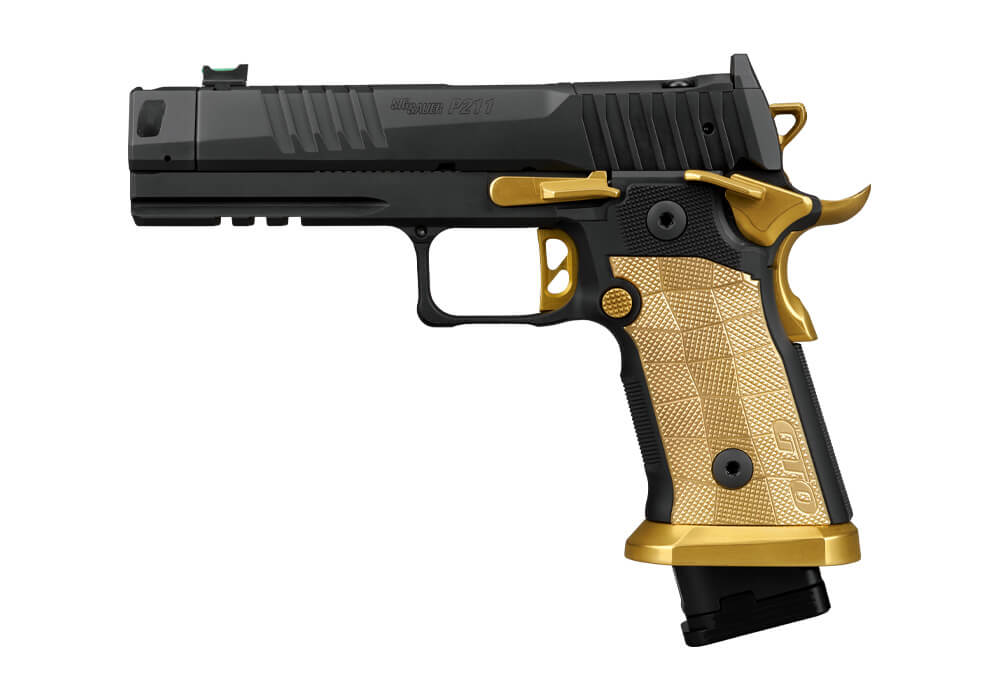
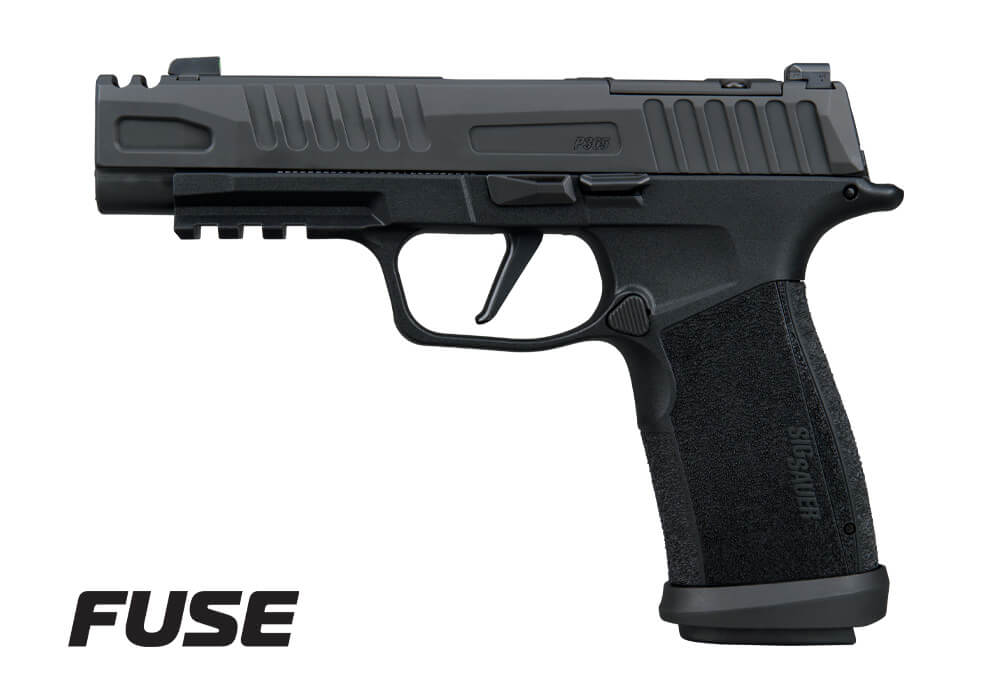
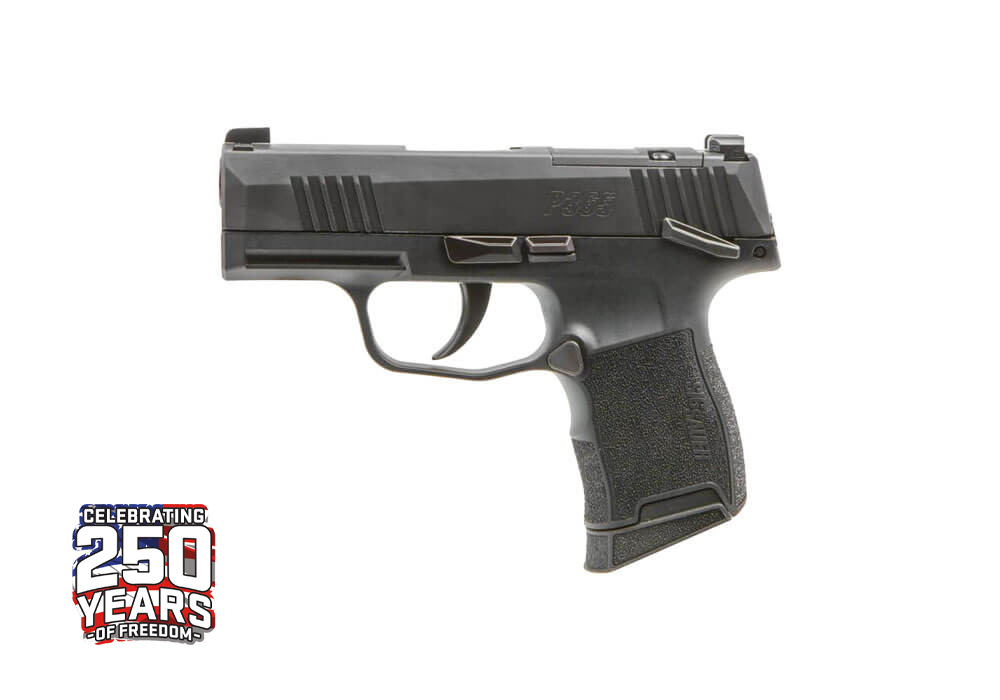
Optic ready compact handguns combine a conveniently sized frame with a factory-cut slide designed to accept a compatible red dot sight. Instead of requiring aftermarket slide milling, these handguns are prepared for direct optic installation through a dedicated mounting system, adapter plate arrangement, or removable cover plate. That factory preparation can simplify the path from purchase to a configured carry or range setup while preserving the compact proportions many shooters prefer. A compact handgun can offer a useful balance: smaller and easier to conceal than a full-size duty pistol, yet substantial enough to provide a comfortable grip, manageable recoil, and practical sight radius. These qualities make optic ready compact handguns popular with concealed-carry users, home-defense owners, new handgun buyers working with an instructor, and experienced shooters who want a versatile sidearm for training and everyday readiness. They are also a thoughtful purchase for a responsible adult who already has the required training, secure storage, and a clear understanding of applicable laws. Before selecting one, consider the role it will fill. A pistol carried under a light jacket during cooler months may accommodate a slightly larger grip or an extended magazine, while a setup intended for discreet carry beneath lighter clothing may benefit from a slimmer slide, shorter grip, and flush-fit magazine. For bedside storage, a dependable weapon-mounted light may be more important than the smallest possible profile. At the range, a comfortable grip, an easy-to-see optic, and standard or extended capacity can make practice sessions more productive. Regardless of the intended use, choose a secure holster that fully covers the trigger guard, use a locked storage method when the handgun is not under your direct control, and confirm local requirements for purchase, transport, carry, and transfer.
The most important compatibility decision involves the optic cut and mounting footprint. Compact handguns may use a popular micro red-dot footprint, a modular plate system, or a proprietary arrangement, and those systems are not automatically interchangeable. Match the slide cut, included plate, mounting hardware, and optic manufacturer’s specifications before buying. A proper fit depends on more than the sight appearing to sit on the slide; screw length, thread engagement, torque, sealing surfaces, and clearance around the extractor or ejection area all deserve attention. When an optic is installed, follow the firearm and optic instructions carefully, use the correct driver and torque values, and verify the installation after initial range use. Co-witnessing is another useful consideration. Raised iron sights that align through the optic window provide a visible backup aiming reference if the red dot is turned off, obstructed, or unavailable. Some shooters prefer a lower-third co-witness, while others favor a more prominent alignment depending on presentation technique and holster setup. Window size, emitter position, battery access, brightness controls, and automatic illumination features can also affect everyday handling. A red dot is not a substitute for practice: the shooter still needs to build a consistent draw, bring the handgun to the same visual plane, confirm the dot during presentation, and understand how the chosen optic behaves in bright sunlight, dim interiors, and transitional light. Spend time confirming zero from a supported position, then validate the point of aim from realistic distances and shooting positions. A compact handgun should also be evaluated for trigger feel, grip texture, backstrap options, ambidextrous controls, slide serrations, magazine release placement, and the ability to operate the controls without shifting the firing grip. These details are easy to overlook in a product listing but become immediately noticeable during a slow practice session or a longer range day. The best configuration is the one that fits the shooter’s hands, supports a repeatable presentation, and can be maintained with confidence.
Magazine selection brings another balance between concealability and capability. Flush-fit magazines generally preserve a shorter grip that is easier to hide, while extended magazines can provide additional rounds and a fuller gripping surface for shooters with larger hands. Confirm which magazines are included, which are available separately, and whether local regulations limit magazine dimensions. A compact frame may accept more than one magazine length, allowing one configuration for discreet carry and another for training or home protection. Reliability should remain central throughout the selection process. Inspect the feed lips, magazine bodies, springs, and followers, and use quality ammunition appropriate for the handgun. New owners should schedule a supervised familiarization session with a qualified instructor, learn safe loading and unloading procedures, and practice clearing common stoppages with the firearm pointed in a safe direction. Regular maintenance should include following the manufacturer’s cleaning and lubrication guidance, checking optic fasteners, inspecting the battery, and confirming that the mounting system remains secure. Shooters who want to compare related configurations can also explore Optic Ready Pistols With Enhanced Serrations for additional slide-control features. Whether carried during the cooler months, kept secured for household protection, or used for steady practice as the weather warms, an optic ready compact handgun rewards careful selection and consistent training. Focus on fit, footprint compatibility, sight height, standard or extended capacity, safe storage, and a realistic carry plan to build a setup that feels natural from the first presentation and remains dependable over time.