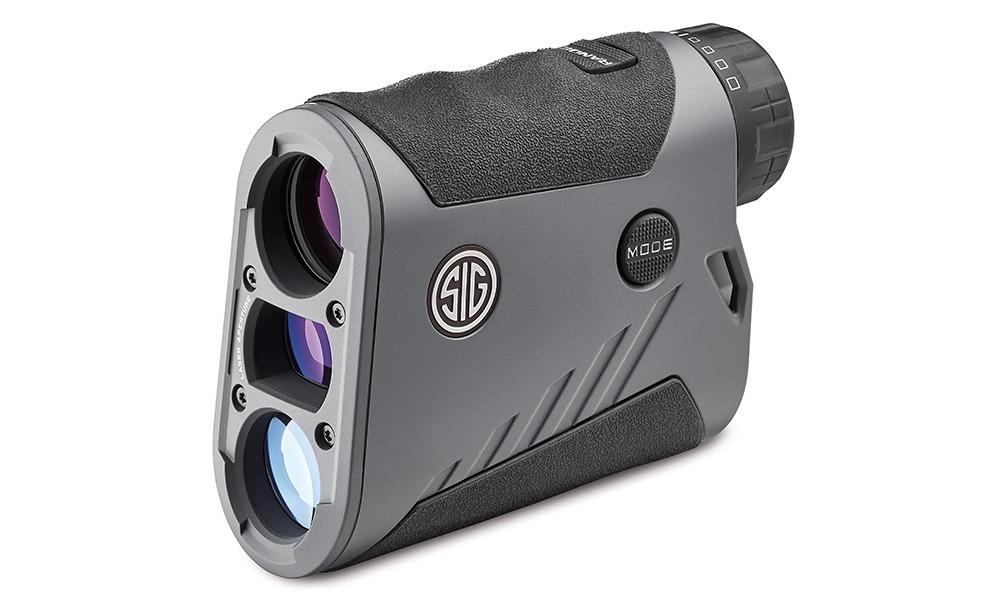
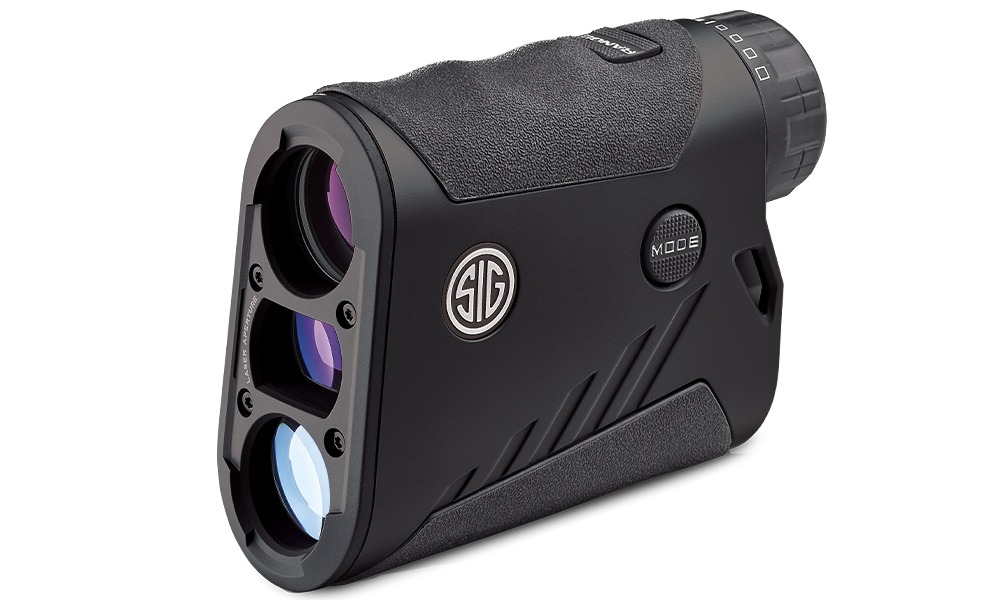
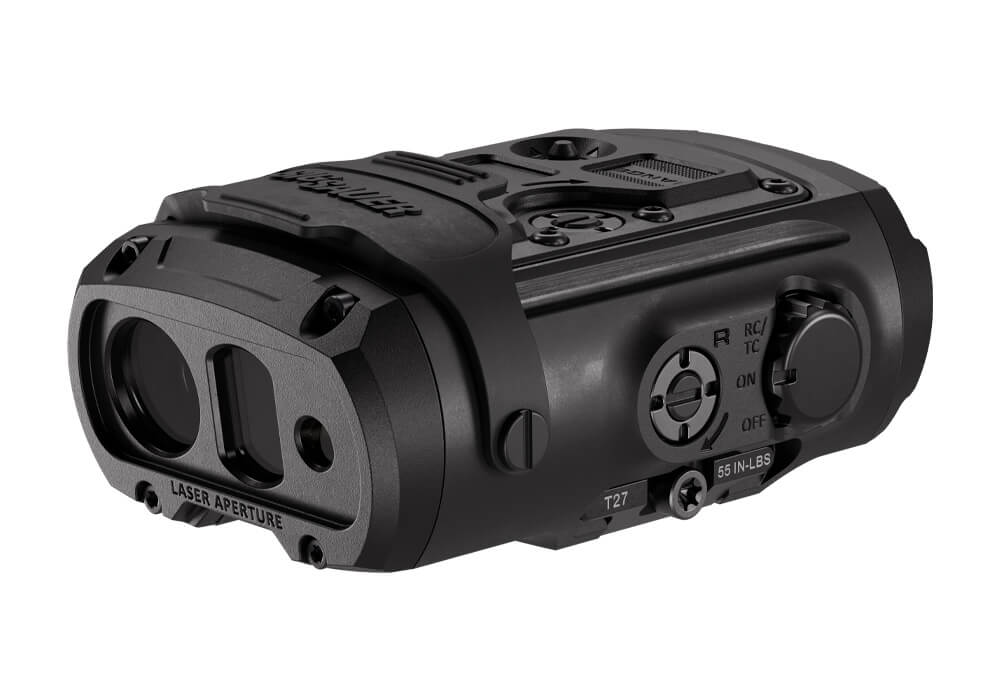
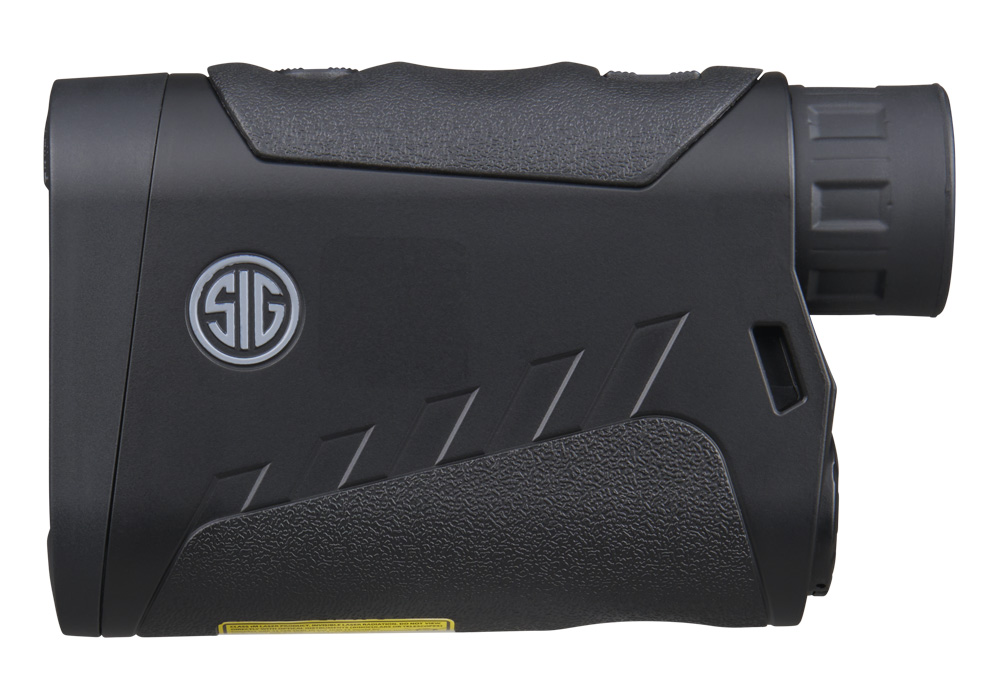
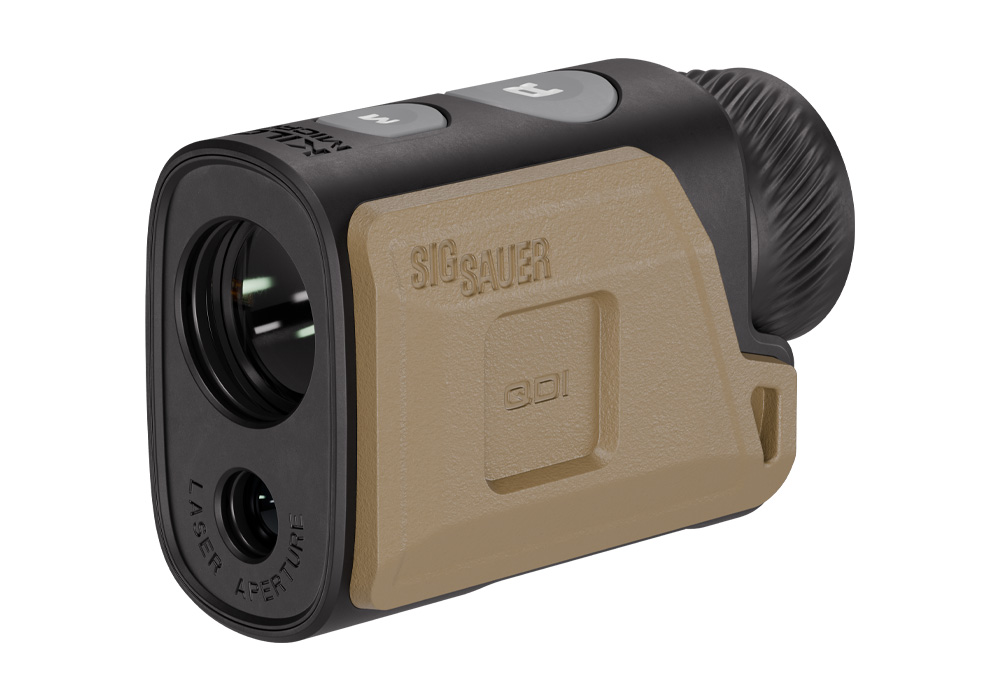
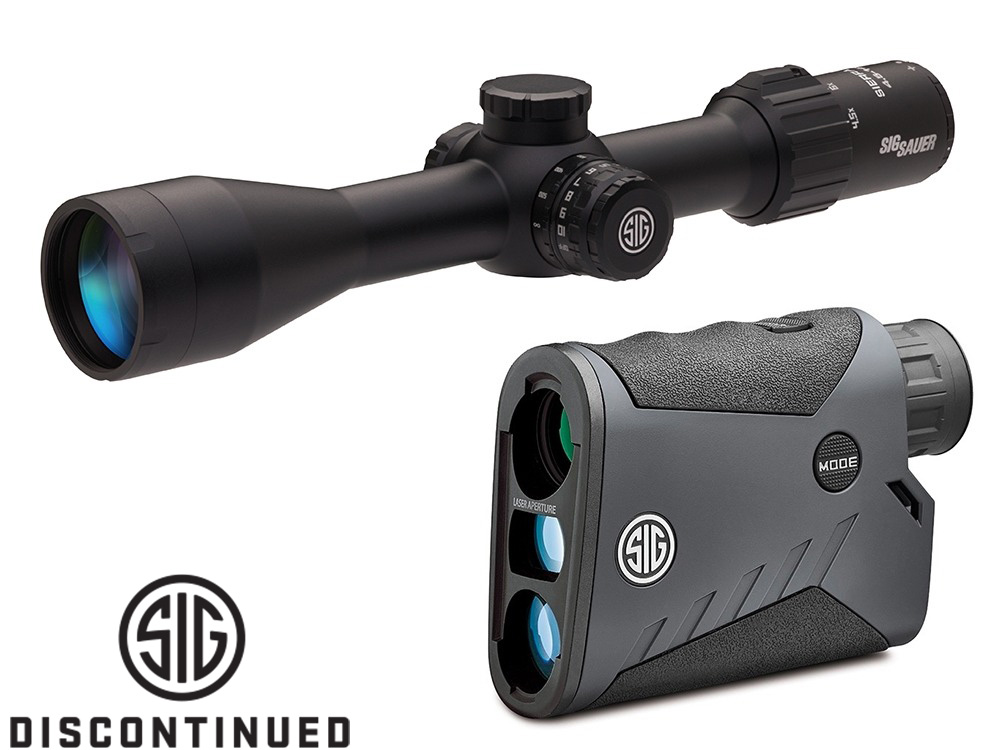
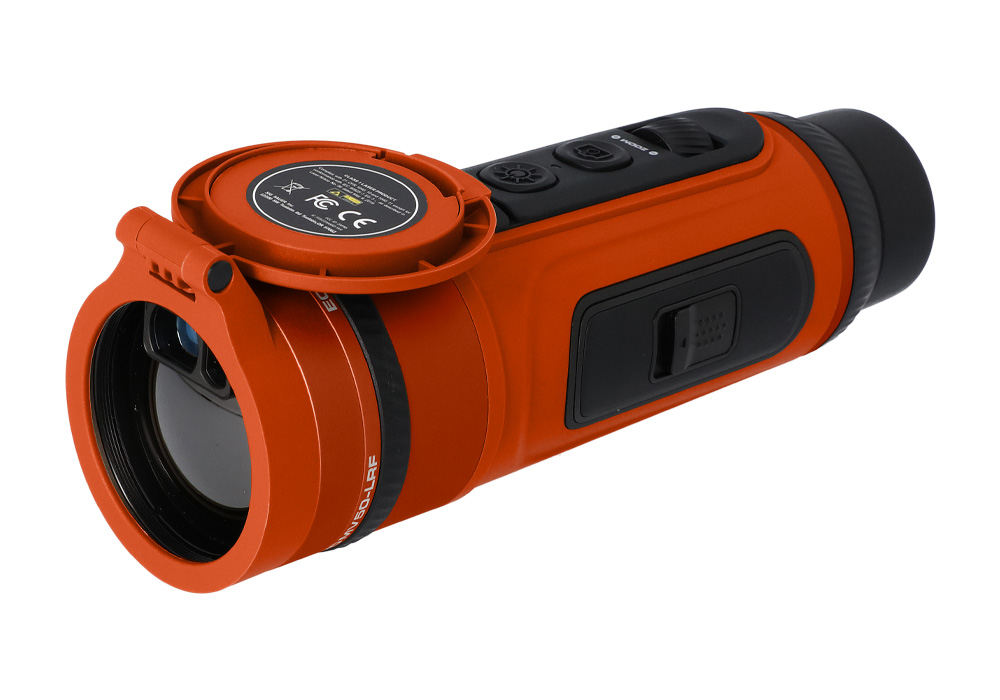
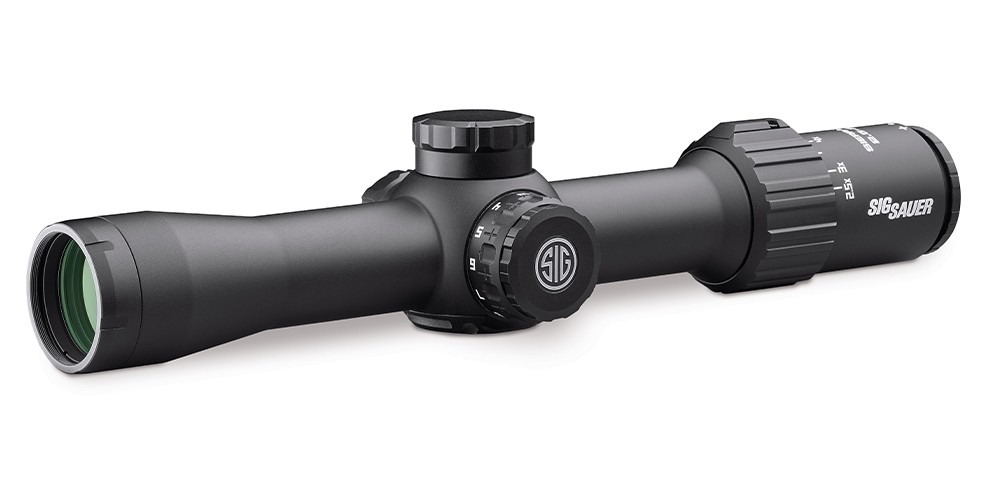
An optical rangefinder determines distance through viewing optics and a known geometric relationship, typically triangulation. In a traditional passive design, two viewing paths separated by a fixed distance provide slightly different views of the same subject. Aligning those views allows the instrument to translate their angular difference into a distance reading. A purely optical rangefinder does not emit a laser pulse to take that measurement. This distinguishes it from a laser rangefinder, which calculates distance from the travel time of emitted light reflected back from a target. Modern sporting rangefinders often combine magnified viewing optics with electronic laser measurement, so an optical viewing system does not necessarily mean an instrument uses passive optical ranging. That distinction matters when comparing distance-measuring equipment for hunting, target shooting, archery, or general field observation. Magnification helps reveal the subject, while the ranging mechanism establishes how far away it is; neither function replaces the other. A clear view of a distant target can support precise aiming of the instrument, but clarity alone does not establish measurement accuracy. For a target shooter, a dependable distance reading helps distinguish a familiar-looking target from one positioned farther downrange. For an archer, understanding the distance across uneven ground can be more useful than judging it by apparent size. Hunters may use a rangefinder to check distances to recognizable landmarks before an animal enters view, reducing the need to estimate under pressure. Field observers can use distance measurements to give scale to terrain features that look deceptively close through magnified optics. Across these uses, optical quality, measurement method, and handling all contribute to the experience. The most relevant specifications are those that explain performance on the intended subject, not simply the largest distance printed in a feature list.
Rangefinder performance depends on more than a single maximum-range figure. With laser-based instruments, target size, surface reflectivity, background contrast, and the steadiness of the aiming point can influence whether a reading is returned. A large reflective surface is a different ranging task from a small target against brush or a distant hillside. Published specifications are most useful when they distinguish among target types and explain the conditions behind the stated figures. With passive optical designs, the separation between viewing paths, image quality, alignment, and the operator’s ability to match the images influence measurement precision. In either case, a sharp view and an easy-to-interpret aiming reference help the user identify the intended subject rather than a foreground branch or background feature. Magnification brings distant details closer, although greater magnification can also make hand movement more noticeable and narrow the visible scene. A comfortable balance between detail and field of view is especially valuable when locating a target quickly. Display contrast, readable numerals, and a clear distinction between yards and meters deserve similar attention. On electronic designs, adjustable display brightness can help keep the reading visible without overwhelming the target image. Angle-measuring functions may provide line-of-sight distance, horizontal distance, or another adjusted value, depending on the instrument and its settings. These readings serve different purposes, and their meaning should be clear before they inform a shooting decision. Where ballistic functions are included, their usefulness depends on appropriate inputs and an understanding of what the displayed result represents. For shoppers comparing measurement features and field-oriented handling, Precision Rangefinders provides a related category to explore. Beyond measurement features, everyday fit matters: an eyecup that positions the eye comfortably, sufficient eye relief for glasses, a focus adjustment that stays where it is set, and controls that are easy to distinguish by touch can all make repeated use less distracting. A compact body suits frequent carry, while a larger instrument may offer a steadier grip or a more spacious viewing experience.
Materials, construction, and care help determine how comfortably a rangefinder fits into regular use. Depending on the design, housings may use metal alloys, reinforced polymers, or a combination of materials to balance weight and rigidity. Textured surfaces and protective exterior coverings can improve grip and help shield the housing from routine contact with other equipment. Durability is better assessed through stated construction details, sealing specifications, and warranty terms than through appearance alone. A secure carrying case keeps lenses separated from keys, tools, and loose gear, while a properly attached wrist strap or harness adds retention during movement. For electronic instruments, accessible battery compartments, clearly identified power requirements, and straightforward controls can simplify preparation for a range visit or time in the field. Passive optical instruments avoid batteries for the distance-measuring mechanism, although any illuminated features may have separate power requirements. Lens care remains important for either type: loose grit should be lifted away before wiping, and cleaning materials should be intended for coated optical surfaces. Excessive rubbing, household cleaners, and unnecessary pressure on lens assemblies can compromise the viewing experience. Storage with protected lenses and without pressure on controls helps preserve both the finish and the instrument’s readiness for its next outing. Rangefinders can be thoughtful gifts for experienced target shooters, hunters, archers, or observers who regularly need reliable distance information, particularly when the recipient’s preferred units, eyewear needs, and carrying setup are known. Compatibility with an existing pouch or support system may matter more than an unfamiliar extra function. The strongest match is an instrument whose measurements are understandable, whose controls feel natural, and whose viewing system suits the task. A distance reading remains one piece of information rather than permission to take a shot; target identification, an unobstructed path, a safe background, and personal proficiency remain essential. For regular use, dependable handling and clearly understood performance are more valuable than features that add complexity without serving a practical purpose.