Optics accessories for summer competitions can help competitors manage bright light, changing backgrounds, fast transitions and the practical challenges of spending long hours on an outdoor range. The right additions depend on the discipline, firearm setup and shooting position, but every accessory should support a clear sight picture without adding unnecessary distraction. Protective shooting glasses are a useful starting point, particularly when they offer interchangeable lenses for different light conditions. Clear lenses can be helpful under covered firing lines or during overcast stages, while gray, amber, orange or purple tints may improve target contrast against pale ground, green vegetation or a bright sky. Look for lenses with reliable impact protection, secure frames and coatings that resist fogging and smudges. Warm weather often brings perspiration, dust and rapid movement, so vented frames and anti-fog treatments can make a noticeable difference between a clean view and repeated interruptions. A retaining strap or sports band is another practical addition for competitors who move between shooting positions, kneel, bend or carry gear across a course. Lens fit matters as much as lens color: glasses should sit comfortably beneath hearing protection, remain stable when the head turns quickly and provide broad coverage without interfering with cheek weld or peripheral awareness. These details also make optics accessories a thoughtful gift for a new competitor or range partner. A compact lens-cleaning kit, microfiber cloth, lens brush or cleaning pen can be tucked into a range bag and used throughout a match to remove sweat, dust and fine grit before they obscure the sight picture. Keeping optical surfaces clean is especially important when sunlight catches even a small fingerprint or oily streak, turning it into a bright flare at the worst possible moment.
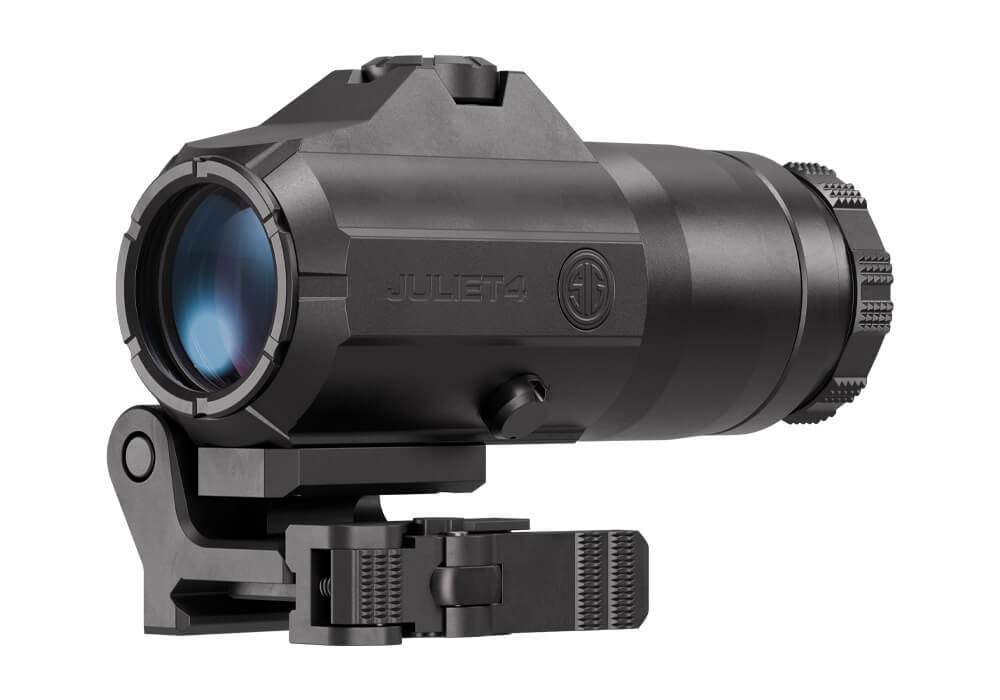
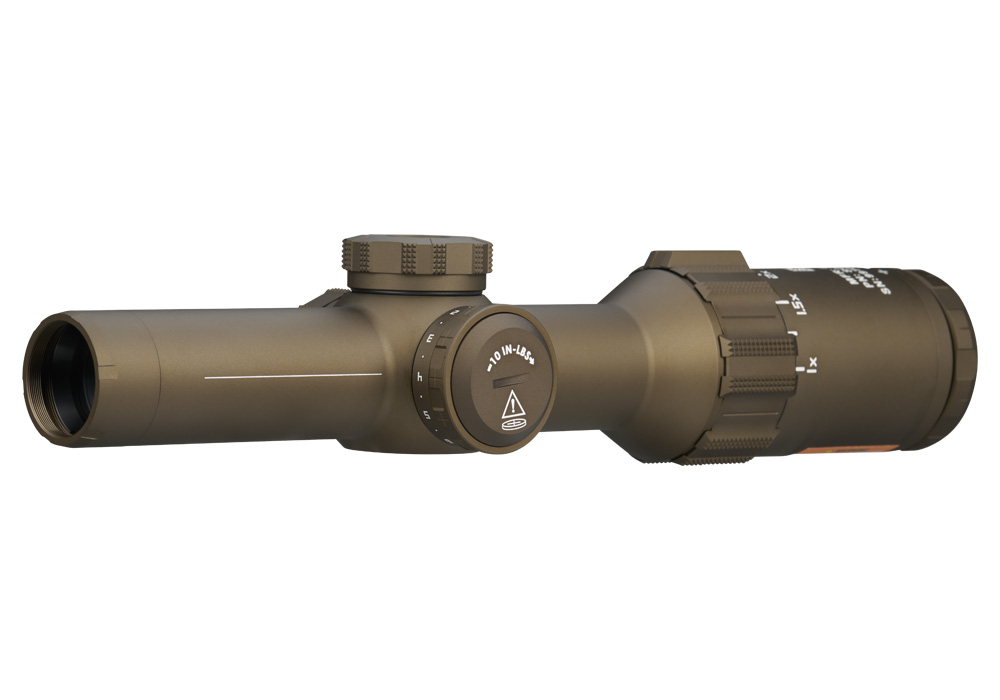
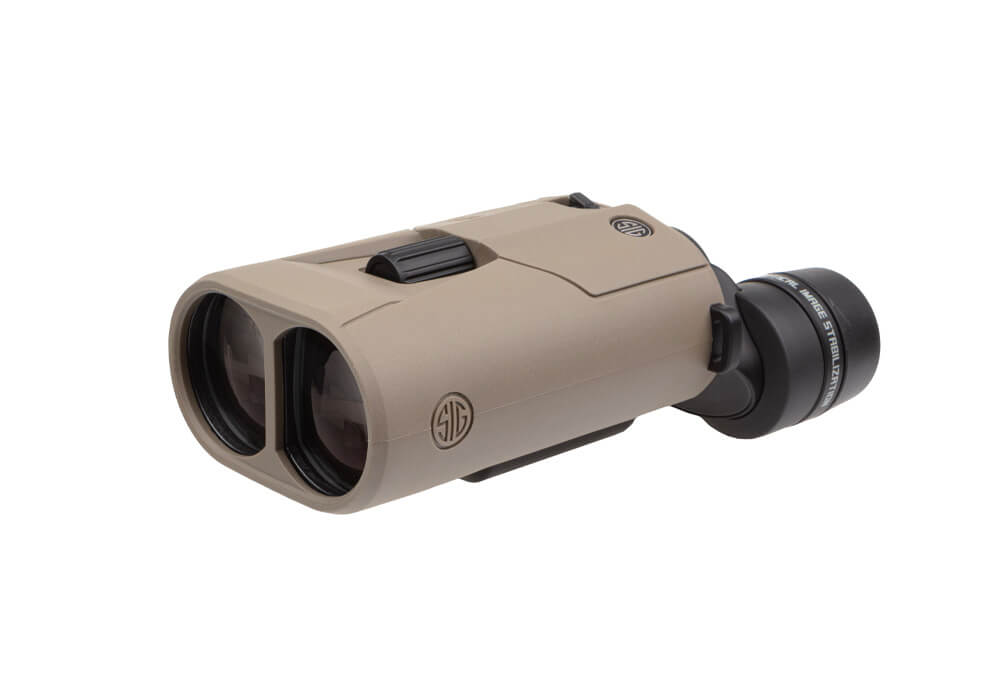
For rifles equipped with variable-power optics, a throw lever can make magnification changes faster and more consistent when a stage shifts from close targets to distant presentations. Its position should be easy to reach without forcing the shooter to break a solid firing grip or lose the rifle’s support. As with any mounted accessory, check clearance around the charging handle, bolt handle, illumination controls and other parts of the optic before selecting a model. A properly fitted sunshade can reduce glare entering the objective lens when the sun is low or directly overhead, while an anti-reflection device may help limit stray light and preserve a more controlled view through the optic. These accessories are most useful when matched to the optic’s objective diameter and mounting arrangement; an incorrect fit can obstruct the field of view, interfere with adjustment rings or add bulk where a streamlined setup is preferred. A bubble level is another small accessory with a meaningful role in precision shooting. Even a subtle cant can influence point of impact as distance increases, particularly when the rifle is used with elevation adjustments or holds. Mounted where it can be seen from the normal shooting position, a level provides a quick visual reference before the shot and can reinforce consistent rifle presentation from stage to stage. Competitors should also consider the durability of mounting hardware, resistance to weather and ease of installation. Accessories that loosen under recoil or require tools for every adjustment can create more frustration than value. Confirm rail compatibility, tube diameter, mounting height and available clearance, then check that the completed setup remains balanced and does not prevent the firearm from fitting securely in its case. For shooters who use binoculars or a spotting scope to observe stages, verify impacts or read distant targets, a tripod adapter can reduce hand fatigue and provide a steadier image. A stable tripod is particularly helpful when heat shimmer, glare or long observation periods make it difficult to hold glass in place. The best competition setup is not necessarily the one with the most attachments; it is the one that keeps the image steady, controls glare and allows essential adjustments to happen naturally.
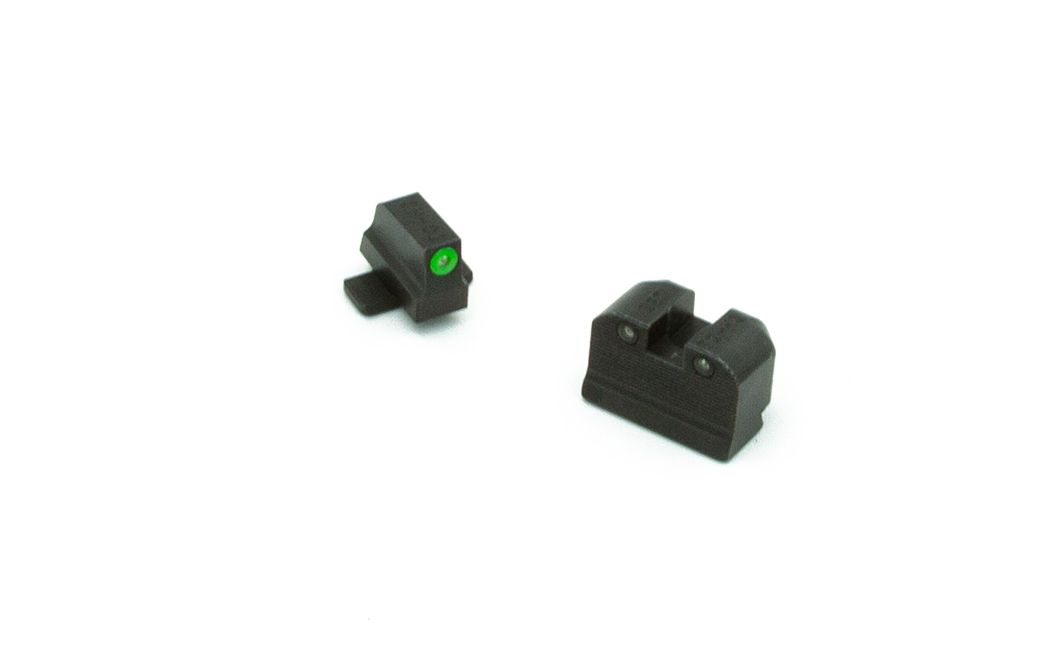
Seasonal conditions can change noticeably from the warmest outdoor sessions into cooler mornings and evenings, so optics accessories should be selected with more than a single lighting scenario in mind. Bright sun, shaded bays, cloud cover, airborne dust and condensation can all affect how quickly a shooter finds and maintains a target. Pack lens protection, cleaning supplies and spare batteries where applicable in separate compartments so they remain easy to reach without disturbing zeroed equipment. Before a competition, inspect every fastener, clamp and mounting point, and test the full setup from the positions used on the course. A throw lever should move smoothly, a bubble level should remain visible, and a sunshade or anti-reflection device should not create an unexpected obstruction. Eye protection should be checked for scratches and replaced when damage compromises clarity or coverage. Shooters using iron sights may also benefit from a carefully chosen sight upgrade, including Adjustable Rear Sights For Summer Firearm Competitions, when the competition format and firearm configuration call for more precise elevation or windage control. Whether these accessories are purchased for an experienced match participant, a first-time competitor or a range enthusiast building a more organized kit, practical fit and dependable performance should guide the decision. During warmer conditions, breathable storage and prompt drying can help prevent moisture from lingering on cases or cloths; during cooler months, allow equipment to acclimate before wiping condensation from optical surfaces. With thoughtful selection, proper compatibility checks and regular care, optics accessories can make outdoor competition equipment easier to use, easier to maintain and better prepared for changing light throughout the season.