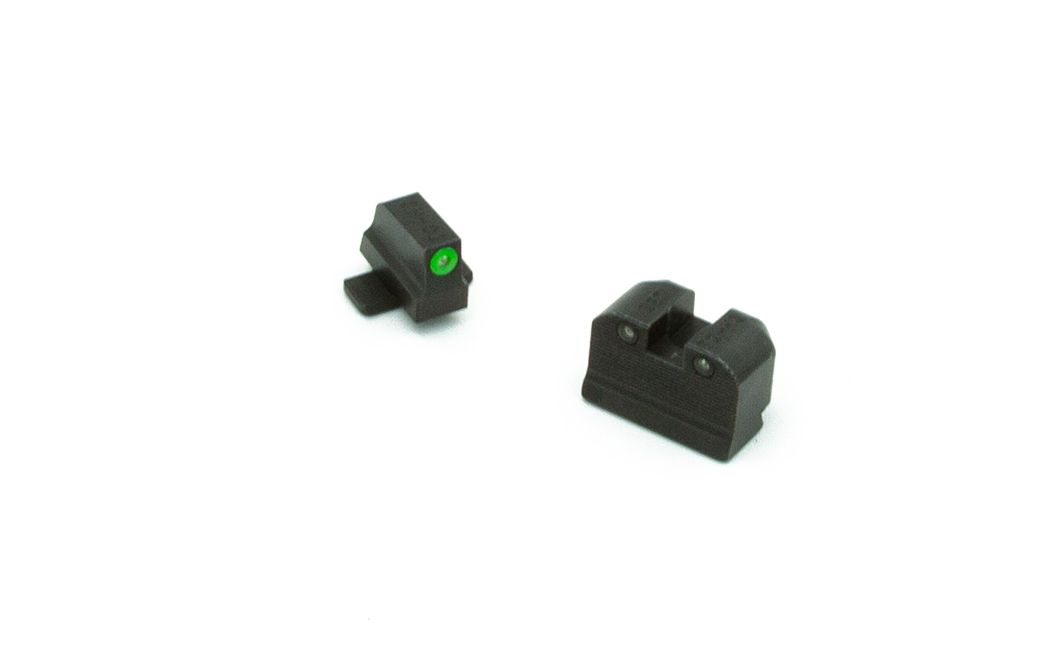
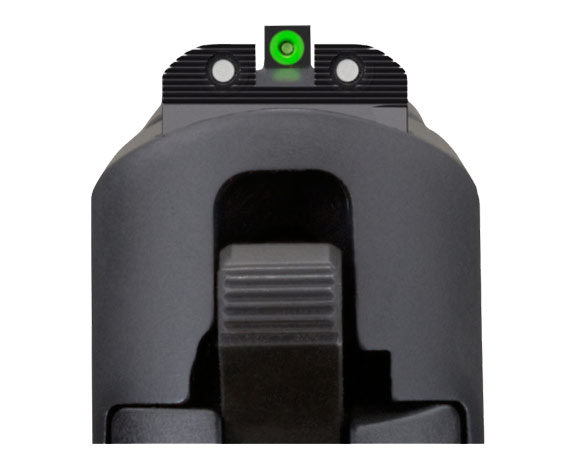
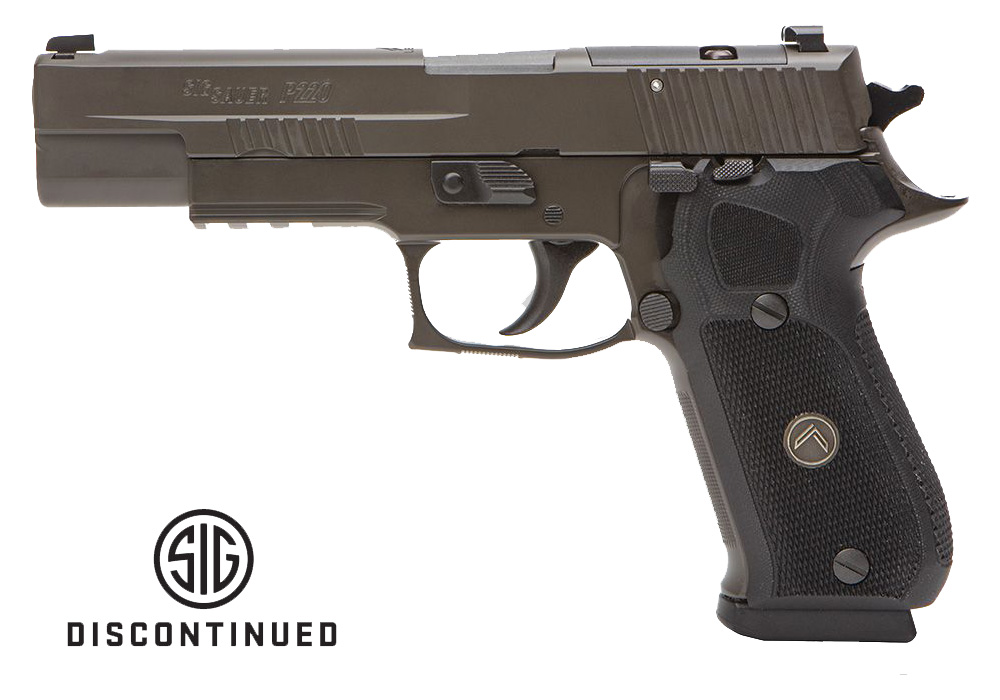
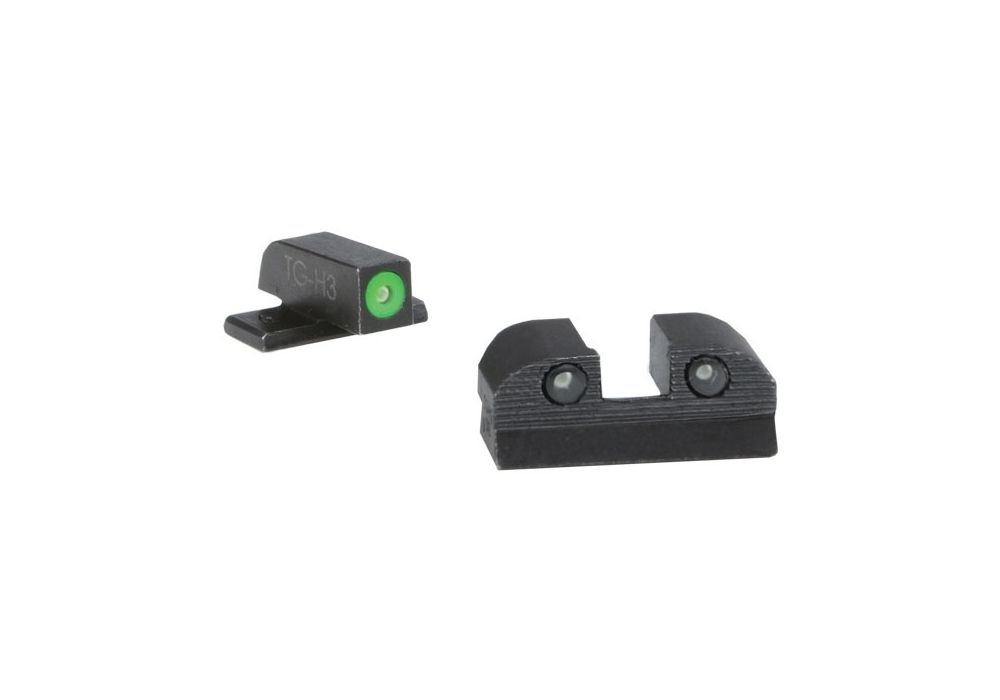
P220 front sights are a small component with a noticeable effect on the way a pistol is aimed. The right sight can make the front blade easier to find, help the eye stay focused during a quick presentation, and support a more consistent sight picture from one session to the next. These sights are commonly selected as replacements for worn, damaged, or outdated factory parts, but they can also be chosen to suit a particular shooting environment. A bright front dot may be useful on an indoor range or against a dark target, while a tritium-equipped design can provide a visible reference in dim conditions. Fiber-optic elements are often favored for daylight shooting because they gather available light and create a vivid aiming point. Some shooters prefer a bold, oversized front reference for fast alignment, while others choose a narrower, more refined profile for deliberate range work. There is no universal choice for every P220 owner; the best fit depends on the pistol’s existing rear sight, the intended lighting conditions, the shooter’s eyesight, and whether the priority is rapid acquisition, precision, or a balance of both. Front sight height is especially important. Traditional P220 configurations commonly use a #6 front sight with a #8 rear sight, although exact specifications can vary by model, caliber, slide, and existing sight set. Sight height affects point of impact, so changing to a taller or shorter front sight may require a corresponding adjustment in the rear sight or a change in aiming technique. Before ordering, inspect the marking on the existing front sight or consult the pistol’s documentation, and compare the replacement’s dimensions and compatibility information carefully. When the original sight has been filed, replaced, or paired with a nonstandard rear sight, relying on a familiar number alone may not produce the expected result.
A thoughtful purchase begins with matching the sight to the way the P220 is actually used. Someone who spends cooler months practicing at an outdoor range may value a front sight that remains easy to distinguish against changing backgrounds, while a shooter who trains indoors may prefer a high-contrast outline or illuminated insert that stands out beneath artificial lighting. Defensive training places a premium on a clear, instinctive front reference, but a competition or target-focused setup may call for a slimmer profile that leaves more of the target visible. Shooters who wear corrective lenses should consider how the front sight appears through their normal prescription, since a sight that looks crisp at home may appear different under range lighting or while wearing protective eyewear. Age, eye dominance, and the ability to distinguish certain colors can also influence the selection. A front sight can be a practical gift for a P220 owner, particularly when the recipient has already mentioned difficulty seeing the factory setup or has a clear preference for a certain sight picture. For a gift, however, compatibility matters more than appearance. Confirm the exact pistol configuration and rear sight arrangement before purchasing, and retain the original sight if possible so the owner has a reference for future changes. Many owners also explore related holsters, grips, magazines, and maintenance supplies through the broader P220 Accessories collection, making it easier to coordinate an upgrade without overlooking fit or function. A well-matched front sight should complement the existing rear sight rather than compete with it. The front and rear should form a repeatable relationship, with a consistent amount of light on either side of the front blade and a clear top-line alignment. Taking a few careful measurements and reviewing the sight manufacturer’s fitment notes can prevent the frustration of receiving a part that looks right but does not suit the pistol.
Installation deserves the same attention as selection. P220 dovetails can be tight, and the tapered profile means the direction of removal and installation matters. A dedicated sight-pusher tool is generally the preferred method because it applies controlled, even pressure and reduces the risk of marring the slide or damaging a delicate insert. Improvised hammer-and-punch methods can create cosmetic damage, distort the dovetail, or place unnecessary stress on the sight, particularly when working with illuminated components. Anyone who is not comfortable identifying the correct drift direction, securing the slide, or confirming final alignment should use a qualified gunsmith. Before any work begins, unload the pistol completely, remove all ammunition from the work area, and verify the chamber and magazine well are empty according to safe handling practices. After installation, inspect the sight for movement and confirm that the front blade is centered and properly seated. Test the pistol at a safe, supervised range using the same ammunition and grip style normally used for practice, then make adjustments methodically rather than compensating with an exaggerated hold. A few careful groups can reveal whether the sight height and alignment are producing the expected point of impact. Recheck the sight after the first several sessions and whenever the pistol receives hard use, since even a slight shift can change the sight picture. With the correct dimensions, a compatible rear sight, and professional installation when needed, a P220 front sight can provide a sharper visual reference and renewed confidence throughout routine practice, training, and responsible ownership.