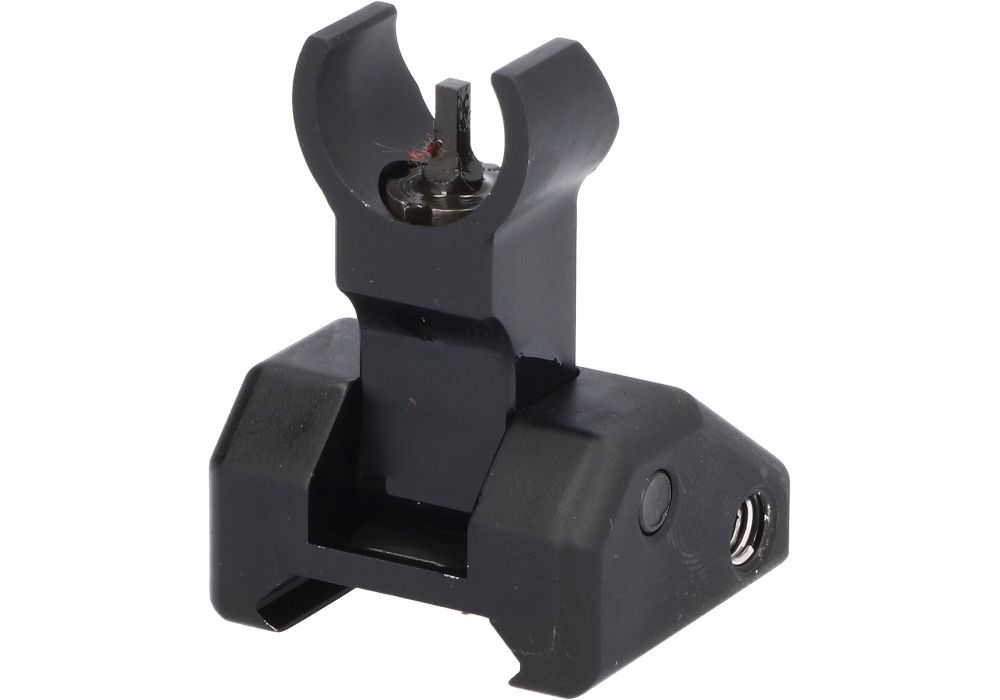
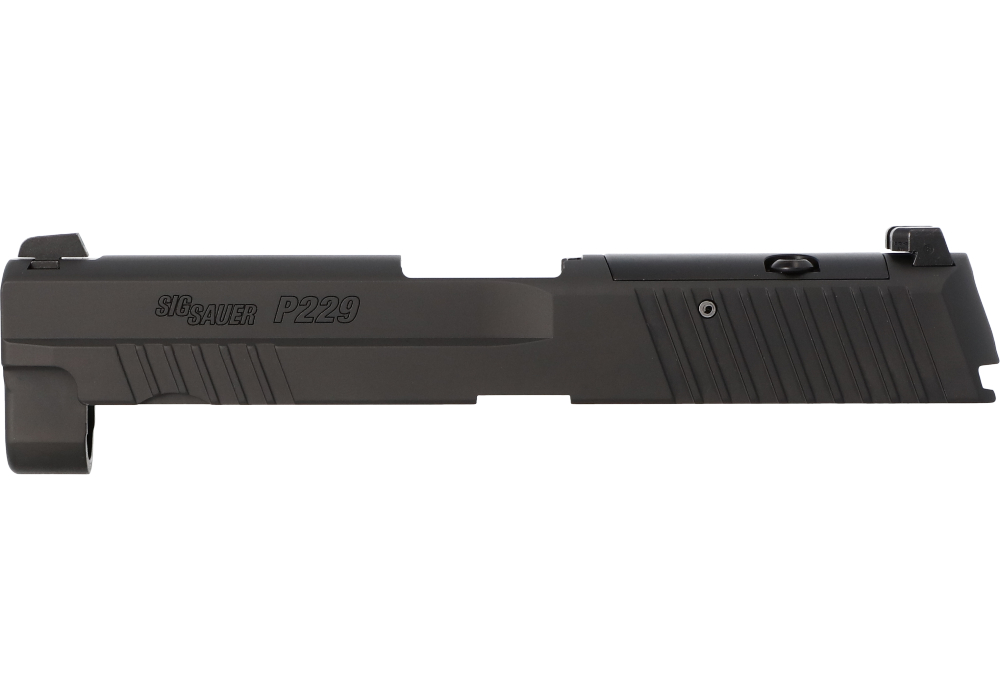
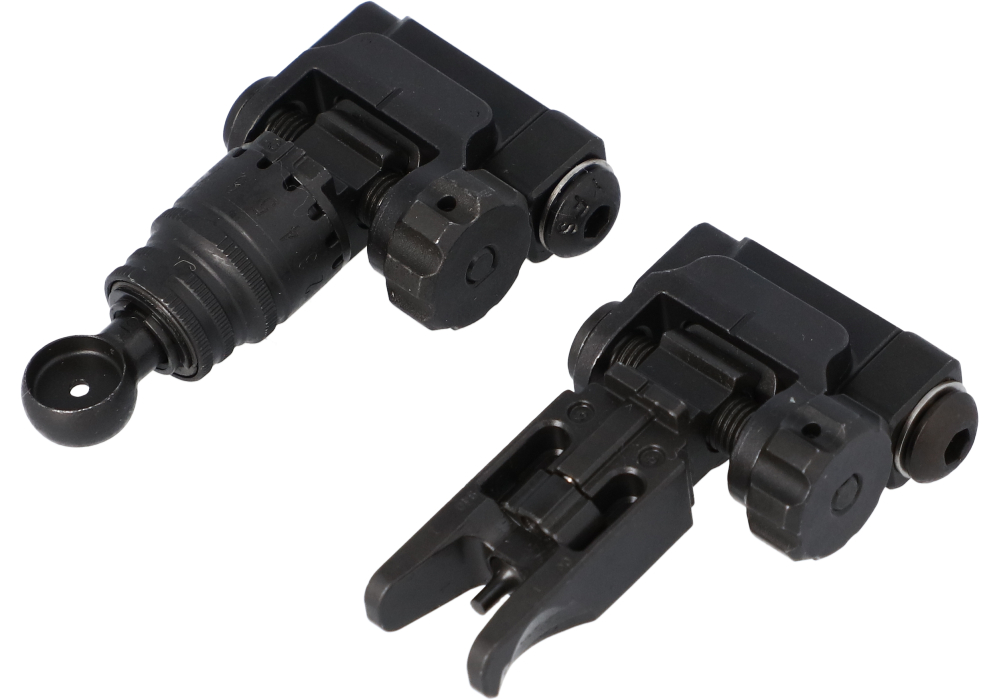
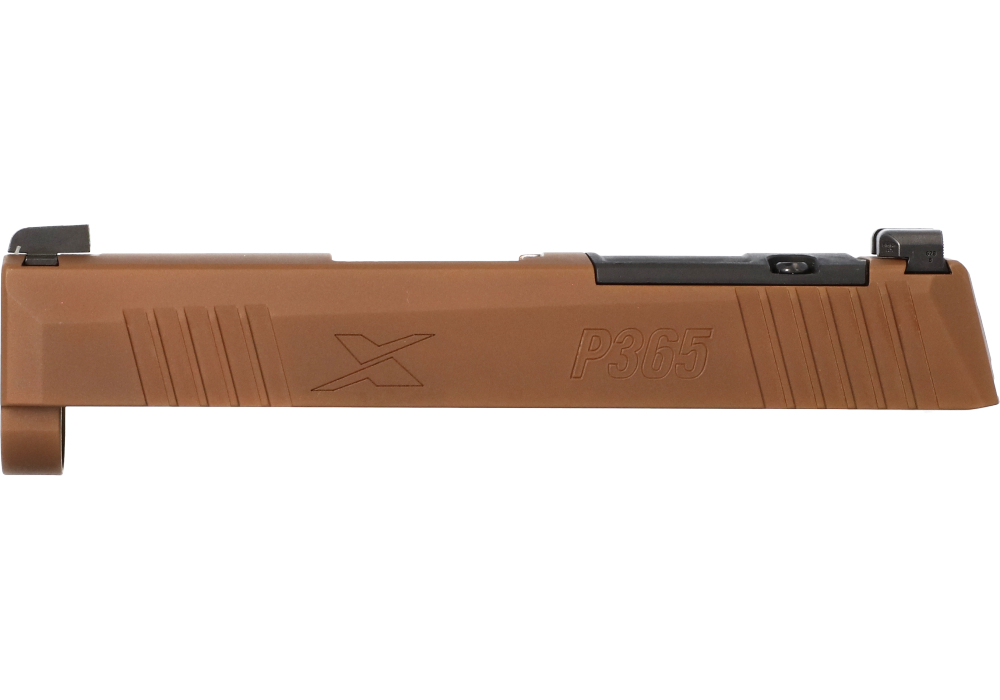
Handgun front sights are the forward reference point of a pistol’s iron-sight system, positioned near the muzzle end of the slide and used in combination with the rear sight to establish a consistent sight picture. When the handgun is held correctly, the top edge of the front sight should sit level with the top edges of the rear notch, while equal space remains visible on both sides of the front post. This relationship is commonly described as a proper sight alignment. Sight focus is equally important: the front sight should appear sharp and clearly defined, while the rear sight and target may appear somewhat blurred. A standard post front sight offers a simple, familiar profile and can be a practical choice for shooters who prefer an uncluttered sight picture. White-dot or contrasting front posts may help the sight stand out against a dark target backer, while a plain black post can provide a clean reference point in bright conditions. Fiber optic front sights use a translucent rod to collect available ambient light and present a vivid colored aiming point, often making them easy to see during daytime range sessions, outdoor practice, and other well-lit settings. Because fiber optic material depends on surrounding light, it is not intended to glow in complete darkness. Tritium night sights contain self-luminous tritium elements that remain visible in low-light conditions without requiring batteries or an external power source. They can be useful when a handgun may be handled in changing light, such as the transition from a bright outdoor setting into a dim interior, although they should still be paired with a rear sight that provides a compatible sight picture. Oversized dot-style front sights are designed to draw the eye quickly and can be considered by users who prioritize rapid sight acquisition at close distances. Each design presents a different balance of precision, visibility, speed, and low-light performance, so the best choice depends on the handgun, the rear sight, the intended use, and the lighting conditions in which the firearm will be used.
Compatibility is one of the most important considerations when selecting handgun front sights. Sight dimensions, mounting methods, dovetail profiles, screw locations, slide cuts, and handgun model variations are not universal, even when two pistols appear similar at a glance. A replacement front sight should be matched to the exact handgun configuration, including the slide and any factory or aftermarket rear sight already installed. The front and rear sights work as a set; mixing incompatible heights can produce a point of impact that is noticeably high or low, and an unfamiliar sight profile may change the way the shooter naturally aligns the pistol. Sight height also affects elevation, while windage is generally adjusted through the rear sight, so confirming the manufacturer’s specifications before purchase can prevent avoidable fitting problems. Some sights are secured with a screw, while others are installed into a machined dovetail and may require a sight pusher or careful fitting. Installation is best handled by a qualified gunsmith when specialized tools, metal fitting, thread-locking compound, or sight alignment are involved. A professional installation can help protect the slide, preserve the sight, and ensure that the front and rear components are properly aligned. After installation, the handgun should be checked unloaded according to safe handling procedures, then tested at a controlled range with the correct ammunition and a stable firing position. Confirming the zero at a practical distance allows the shooter to verify that the sight picture corresponds with the point of impact rather than relying on appearance alone. It is also worth considering holster clearance, snag resistance, finish durability, and visibility against common backgrounds. A sharply serrated or high-contrast surface may reduce glare, while a smooth or rounded profile may be more comfortable during repeated draws from a suitable holster. Shooters who practice during the warmer outdoor season may appreciate a highly visible fiber optic reference in sunlight, while those who train during cooler months or in variable light may prefer a sight intended to remain readable as conditions change.
Handgun front sights can suit a wide range of users, from a new owner learning the fundamentals of sight alignment to an experienced shooter refining a familiar pistol. They may be selected for recreational range practice, competition, training, duty-oriented use, or a personal handgun that needs a clearer and more individualized sight picture. A front sight can also be a thoughtful gift for a responsible firearm owner who already knows the exact handgun model and prefers to customize equipment carefully; because fit is so specific, confirming the model and sight configuration is more useful than choosing based on appearance alone. New shooters often benefit from a front sight that is easy to identify without distracting from the fundamentals of a steady grip, consistent presentation, and smooth trigger control. More experienced users may focus on the subtleties of sight shape, height, color, and visibility during transitions between bright and dim environments. For anyone comparing options, consider whether the handgun is used mostly outdoors or indoors, whether rapid acquisition or a fine aiming reference is the priority, and how the front sight will interact with the existing rear sight. Bright fiber optic colors can stand out during daylight practice, conventional posts can provide a familiar and restrained sight picture, tritium can support visibility when ambient light falls away, and large-dot designs can offer a bold aiming reference at closer distances. Safe storage, responsible handling, regular practice, and compliance with applicable laws remain essential regardless of sight style. Those exploring related components, mounting solutions, and compatible pistol accessories can also review Pistol Mounting Sights to compare additional options for setting up a dependable, properly fitted handgun sight system.