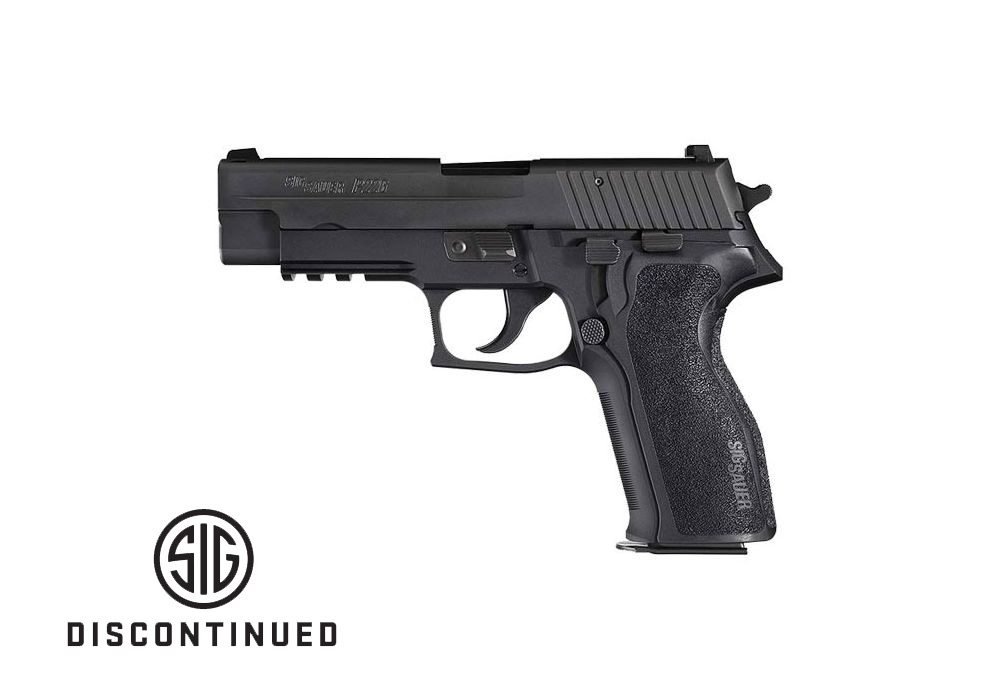
P238 grips are a practical way to refine the feel, appearance, and everyday handling of a compact pistol. Because grip panels are one of the few parts that make direct contact with the shooter’s hand, a thoughtful change can have an outsized effect on comfort. Some shooters prefer a smooth surface that moves easily against clothing during a discreet carry routine, while others appreciate more texture for a confident purchase during practice or administrative handling. Material, contour, thickness, and finish all contribute to the experience. A thinner grip may suit smaller hands or users who prefer a streamlined profile, while a slightly fuller contour can give the hand more to hold and may help distribute pressure across the palm. Texture is equally personal: fine checkering, molded patterns, and other tactile surfaces can provide a secure feel without becoming distracting during longer range sessions. Before choosing a set, confirm that the grips are intended for the correct P238 configuration and that the mounting pattern, fasteners, and overall dimensions are compatible. Small differences between variants can affect fit, and a grip that looks right in a photograph may not be suitable for every frame or control layout. It is also worth considering how the pistol is carried, stored, and practiced with throughout the year. During the cooler months, heavier clothing may change how a grip feels in the hand and how it interacts with a holster, while indoor range sessions can make comfort and control especially noticeable. A well-chosen grip should complement safe handling habits, not replace them, and any installation should be completed with the firearm unloaded, pointed in a safe direction, and handled according to the owner’s manual.
For many owners, selecting P238 grips is less about making a dramatic change and more about creating a familiar, dependable interface. A compact pistol can spend time in several settings: secured at home, carried in a properly selected holster where lawful, taken to the range for regular practice, or handled during cleaning and inspection. In each setting, the grip affects how naturally the hand settles into position. Shooters with smaller hands may look for a profile that does not force the fingers to stretch or crowd the controls, while those with larger hands may prefer additional surface area and a shape that keeps the little finger from feeling unsupported. A person who practices primarily at an indoor range may place a premium on comfort during repeated presentations and slow, deliberate drills. Someone who carries during outdoor activities may value a texture that remains easy to control when hands are cool, damp, or gloved. Finish and appearance matter as well, particularly for owners who want their pistol to reflect a restrained personal style or coordinate with other equipment. These accessories can also make a considerate gift for a responsible firearm owner, especially when the recipient already has a preferred carry setup and would enjoy a small upgrade that feels personal without changing the function of the pistol. Gift buyers should avoid guessing at fit when possible; confirming the exact model, variant, and existing hardware is more useful than choosing based only on color or pattern. If the grip is intended for a new owner, pair the accessory with a reminder about professional instruction, secure storage, and routine practice. An accessory is most valuable when it encourages the owner to spend more time becoming familiar with safe, consistent handling.
A few practical details can help narrow the selection. Consider whether the pistol is used mostly with bare hands, light gloves, or a combination of both, and think about how the grip feels after several minutes rather than only during a quick first impression. A texture that seems pleasantly pronounced at first may become tiring during extended practice, while a very smooth surface may feel less reassuring when the hands are cold. Inspect the edges and transitions around the grip, since abrupt corners can be noticeable against the palm or beneath clothing. Owners who use a holster should verify that the chosen panels do not interfere with retention, fit, or access to the controls, and they should recheck the setup after installation. Screws and other small hardware deserve attention as well; they should be installed correctly and checked periodically without overtightening or improvising with unsuitable parts. When comparing styles, it can help to focus on the role the pistol plays rather than choosing solely by appearance. A modest, low-profile design may suit discreet everyday carry, a more tactile pattern may appeal to frequent range users, and a distinctive finish can be an enjoyable choice for a collection or a thoughtful present. Owners of other compact or full-size pistols may also find related accessories through the broader selection of P226 Grip Items, while keeping in mind that each firearm requires its own model-specific fit. Whatever the preference, the best P238 grips are the ones that install securely, feel natural in the hand, work with the owner’s established equipment, and support confident practice grounded in safe storage and responsible firearm handling.