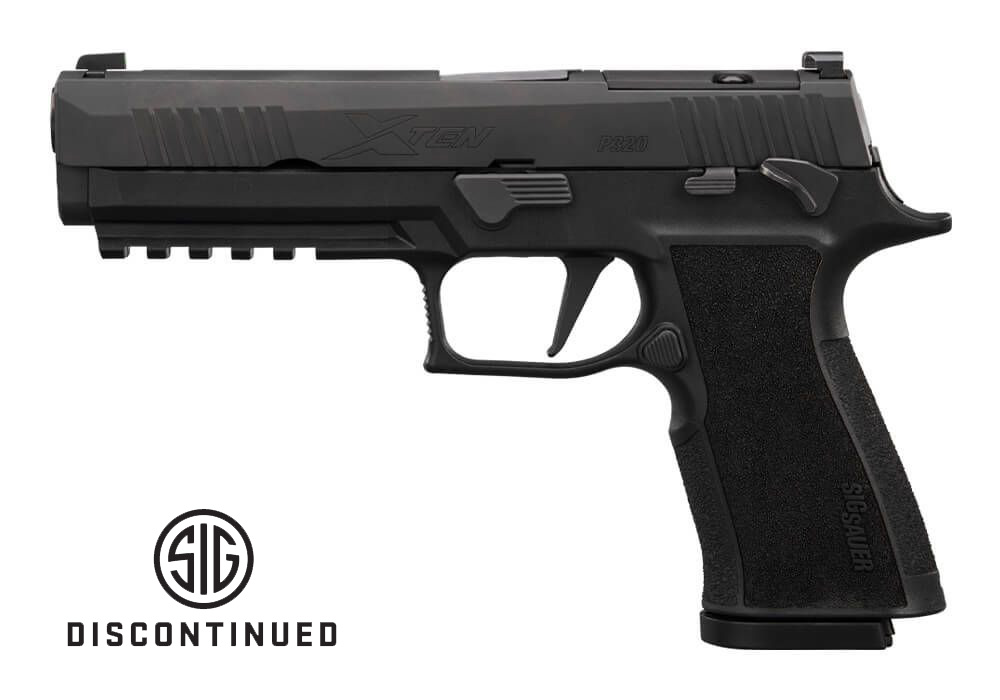
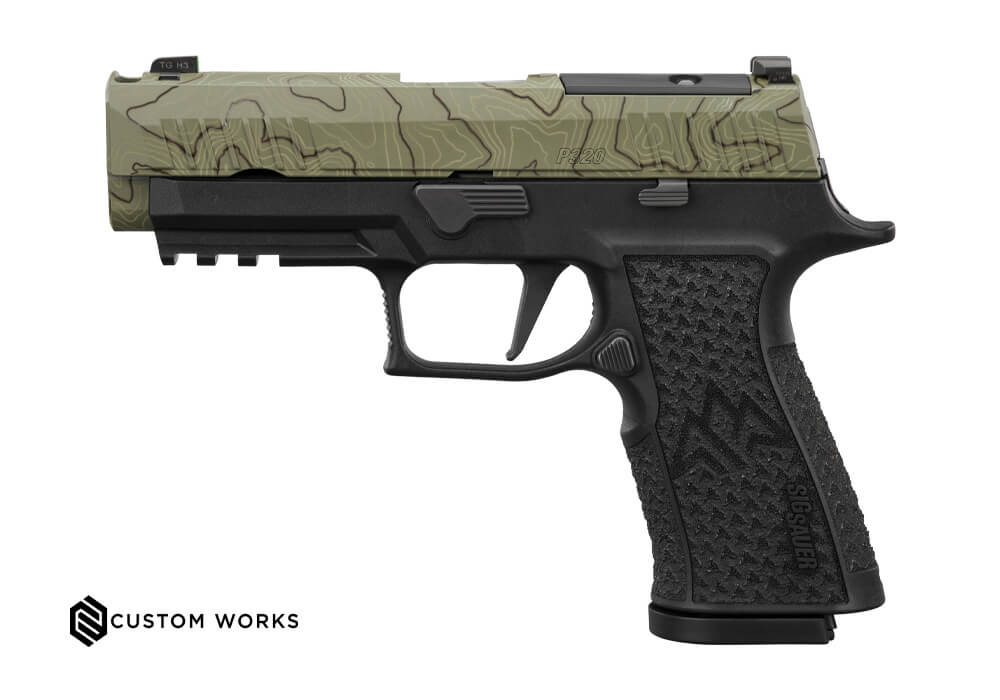
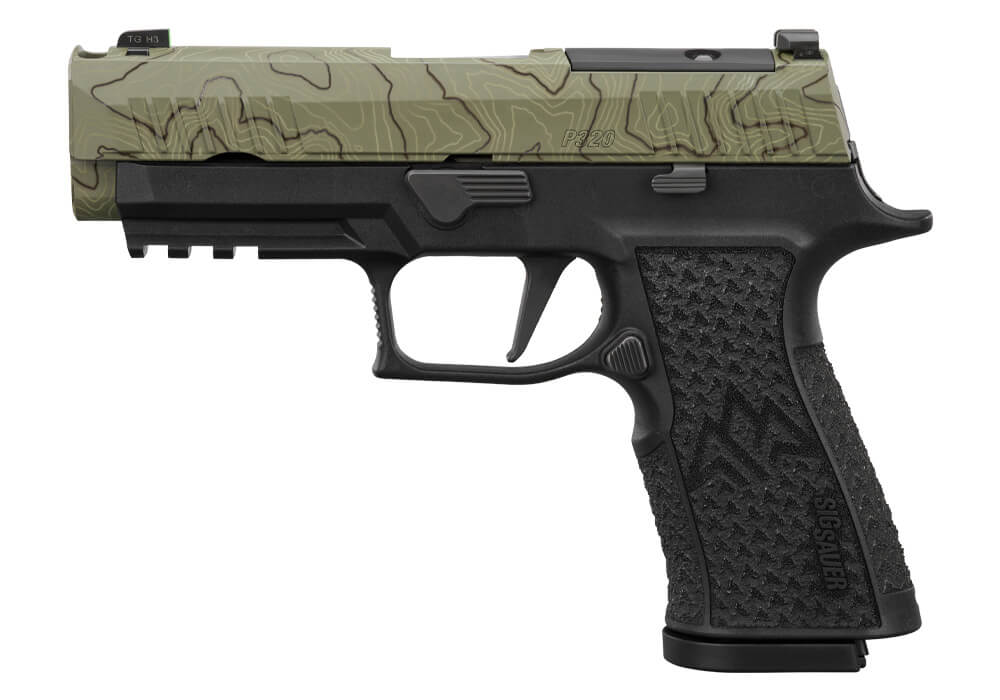
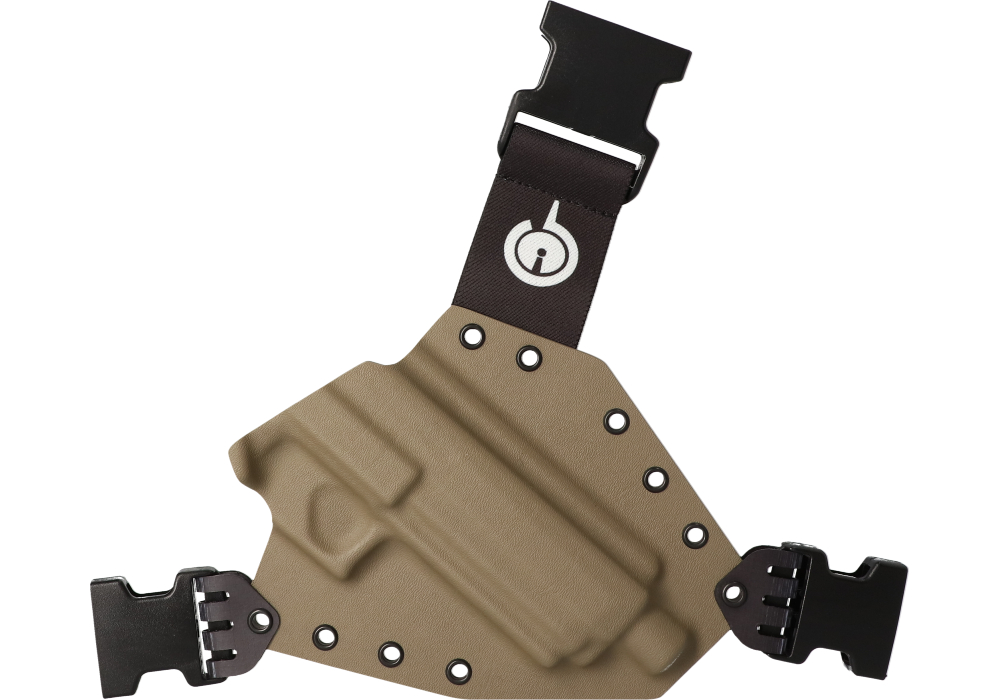
A 10mm field pistol is chosen for a very different kind of day than a compact carry handgun. It is built around a powerful, versatile cartridge that can serve on the range, in the backcountry, and around camp when a dependable sidearm is part of a broader outdoor setup. The appeal often begins with the balance of reach, energy, and practical shootability, but the right supporting equipment makes just as much difference as the pistol itself. A secure holster should keep the firearm protected and firmly positioned while allowing a consistent draw, whether it is worn on a belt during a long walk or carried in a pack-compatible configuration. Look for durable materials, reliable retention, and a design suited to the clothing and equipment used in the field. A sturdy belt can prevent shifting and discomfort, while a simple magazine pouch keeps spare ammunition accessible without adding unnecessary bulk. Standard or extended capacity magazines may be appropriate depending on local regulations, training habits, and the intended setting. Extra magazines also make practice sessions more efficient and provide a practical way to separate range ammunition from the equipment kept ready for outdoor use. For anyone spending cooler days among wooded trails, open fields, or remote campsites, weather-resistant storage is worth considering. A well-fitted case, protective pouch, or dry bag can help shield equipment from dust, rain, condensation, and the small abrasions that accumulate when gear is carried over rough ground. The best choices are rarely the most complicated. They are the pieces that remain comfortable, dependable, and easy to use after hours outdoors.
Sight selection is another important part of building a field-oriented setup. Some shooters prefer a traditional sight picture that remains familiar in bright daylight and adverse conditions, while others appreciate the speed and flexibility of an enclosed or open reflex optic. Whichever direction fits the user, the sight should be properly mounted, zeroed, and checked periodically after transport or hard use. A compact weapon light may be useful for identifying a safe direction and illuminating an area in low-light conditions, but it should be selected with attention to controls, battery life, mounting compatibility, and training requirements. Protective eyewear and hearing protection remain essential for every range session, and electronic hearing protection can make it easier to hear instruction while still reducing exposure to sharp impulse noise. A cleaning kit, spare batteries, lubricant, and small maintenance tools are practical additions for a shooter who expects to spend time away from home. Grip fit deserves equal attention, especially for a 10mm platform. Hand size, glove use, recoil control, and the ability to reach the controls without changing grip all influence comfort and consistency. Exploring P320-XTEN Grip Modules & Magwell options can help users evaluate how grip dimensions and magwell features may affect handling, reloads, and overall fit. This is also where a thoughtful gift can be especially useful: a properly chosen grip component, quality range bag, magazine pouch, or set of protective equipment may be more practical than selecting a firearm for someone else. Firearms are personal purchases, and the recipient’s hand size, experience, intended use, and legal eligibility should always guide the decision. For gift givers, accessories that support safe storage, comfortable practice, and responsible maintenance are often easier to match and more useful over time.
A recommended field-pistol setup should support deliberate practice rather than encourage hurried additions. Before purchasing, confirm state and local requirements for firearm ownership, magazine restrictions, transport, storage, and the transfer of any regulated item. A qualified instructor can help a new owner establish safe handling habits, learn how the controls operate, and build confidence with recoil management before moving into more demanding field positions or outdoor environments. Ammunition selection should follow the firearm manufacturer’s specifications and the purpose of the session; practice ammunition can help manage training costs, while the ammunition carried for a particular use should be tested for reliable function in that individual firearm. It is wise to mark training magazines and keep a simple record of what has been tested, particularly when preparing gear for travel. Secure storage matters at home and in a vehicle, with a locked container and separation from unauthorized users when the pistol is not under the owner’s direct control. On the range, a field pistol can become familiar through slow, careful repetitions: loading and unloading under supervision, confirming the sight picture, working from a stable stance, and learning how the gun behaves as fatigue sets in. Outdoors, the same equipment should remain unobtrusive and protected from the elements, with the muzzle kept in a safe direction and local carry and transport rules observed at every stage. During the cooler months, changing layers can alter how a holster fits and how quickly the grip can be accessed, making it worthwhile to test the complete setup with the clothing, gloves, pack, and belt that will actually be used. The most satisfying equipment choices tend to disappear into the experience: a comfortable grip, a secure holster, clear protective eyewear, and a reliable light or optic leave the shooter free to focus on safe handling, steady marksmanship, and the quiet details of time spent outside.