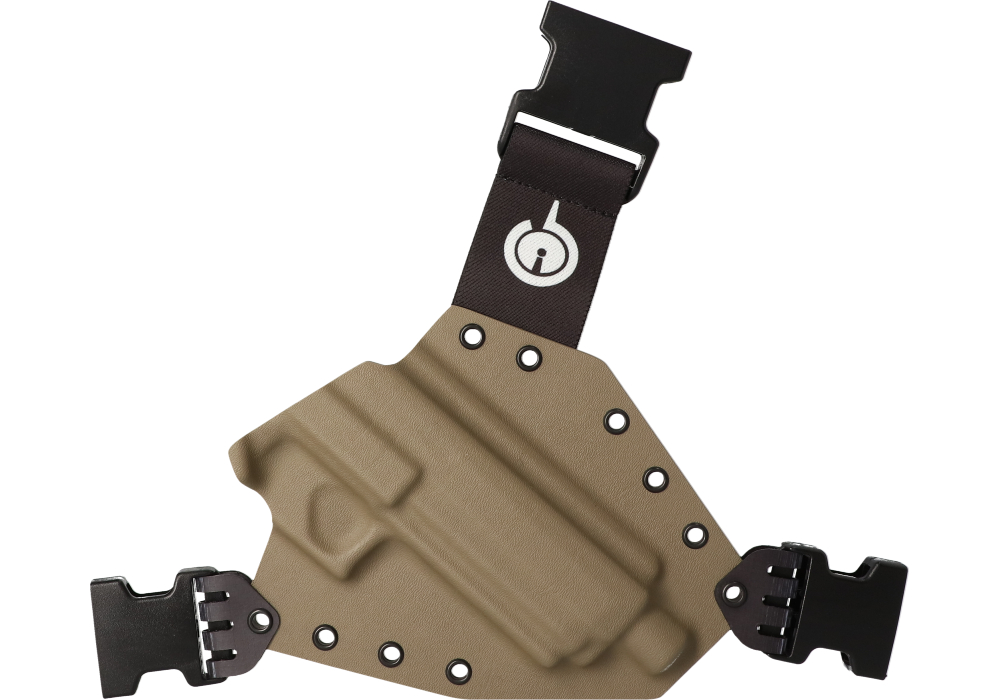
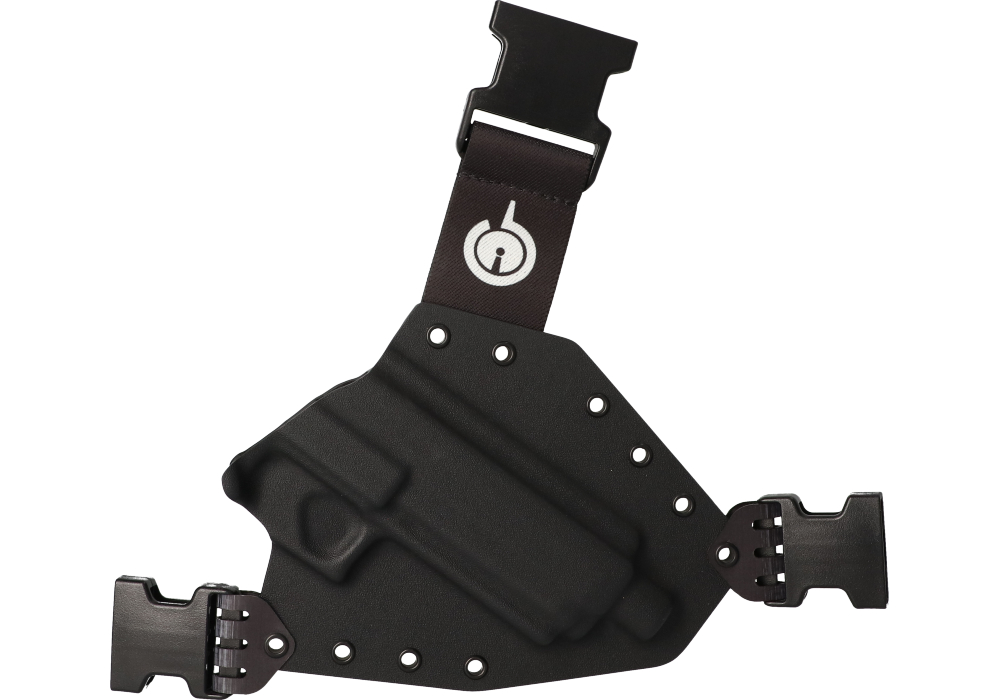
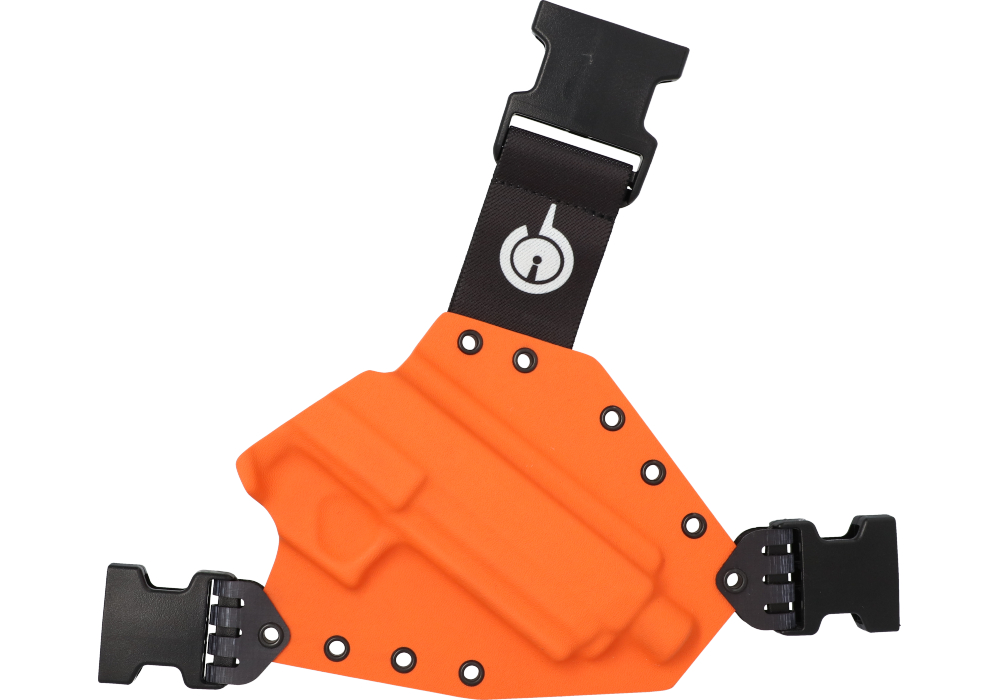
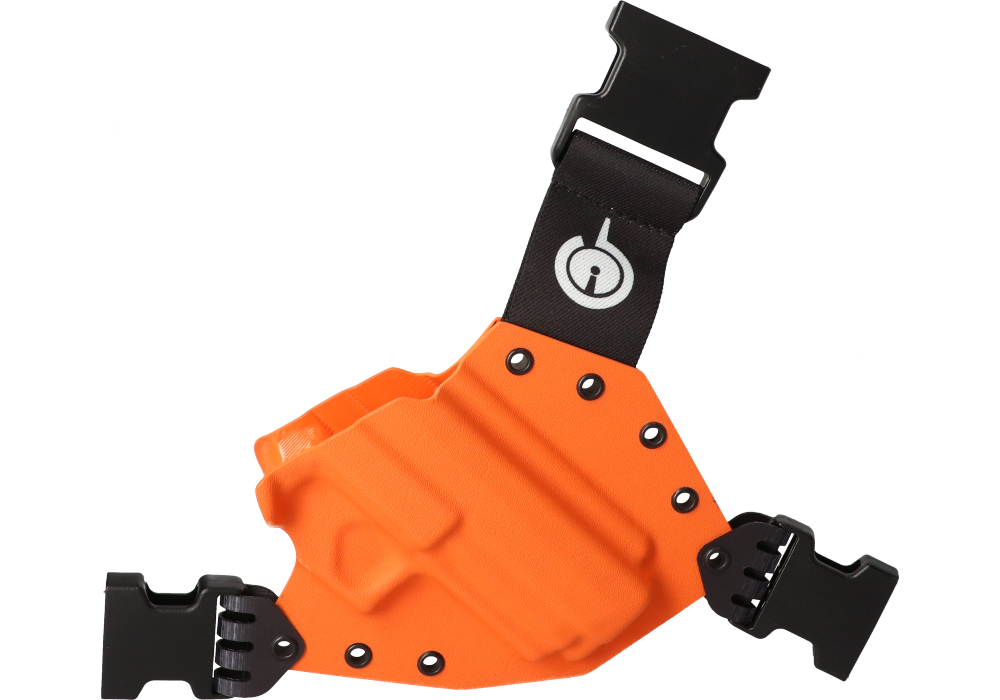
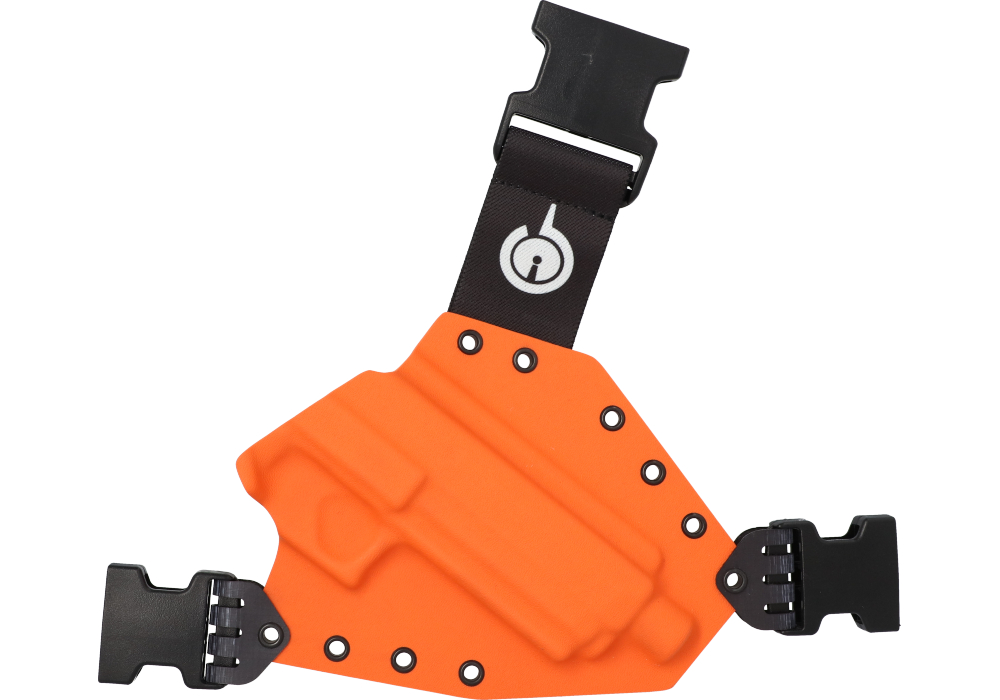
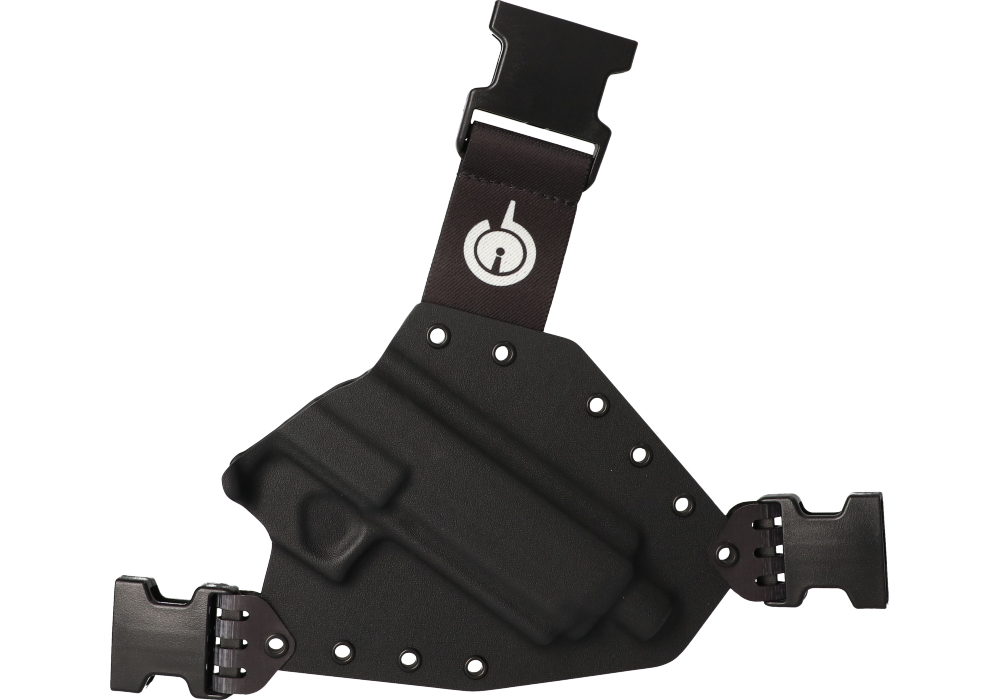
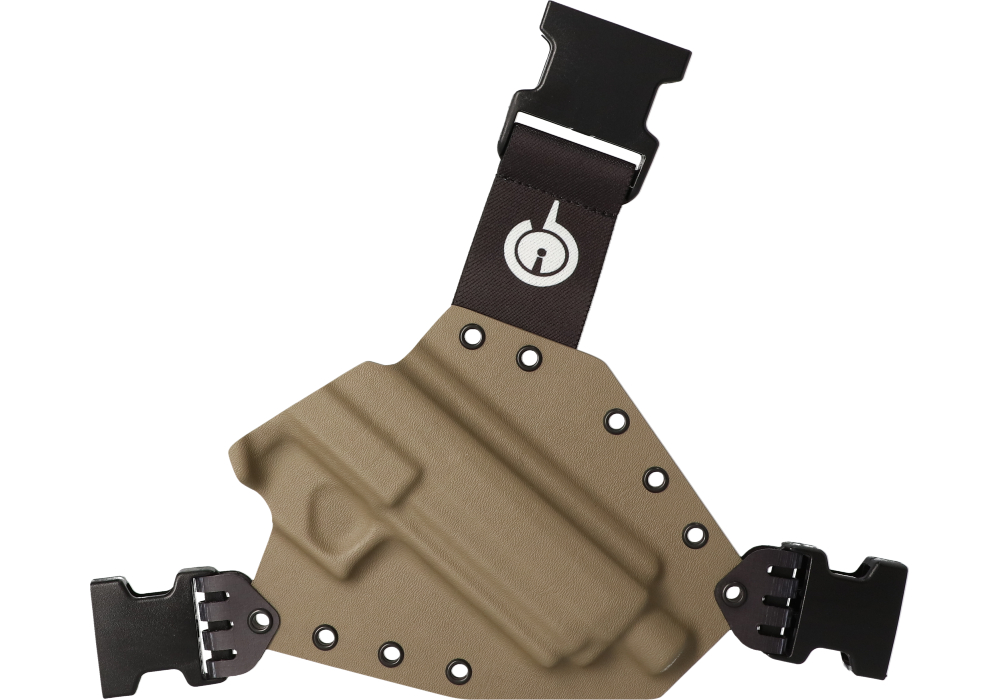
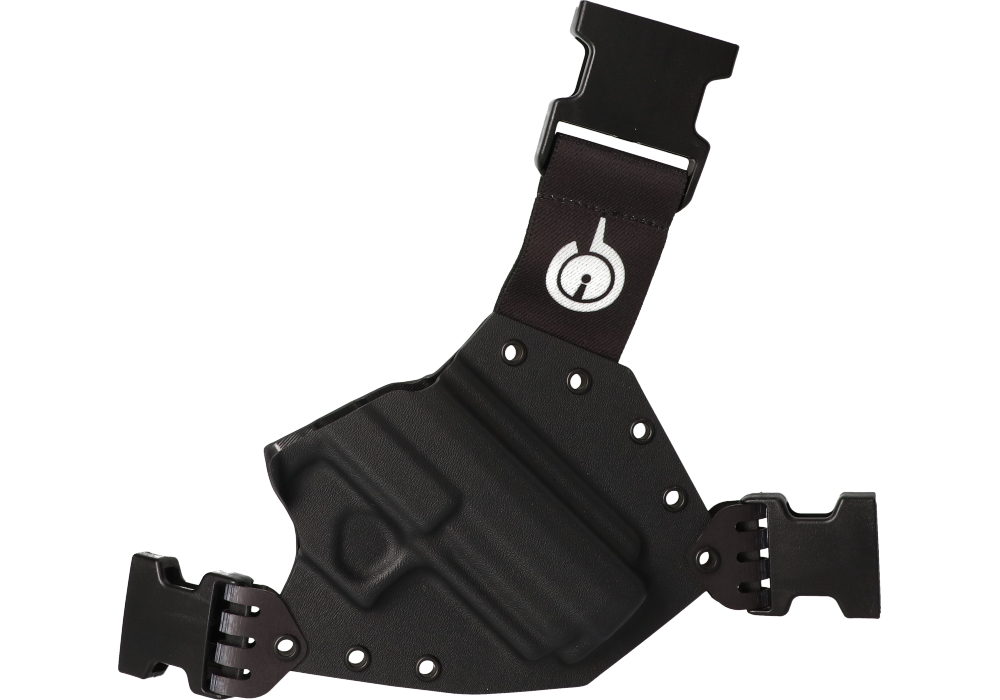
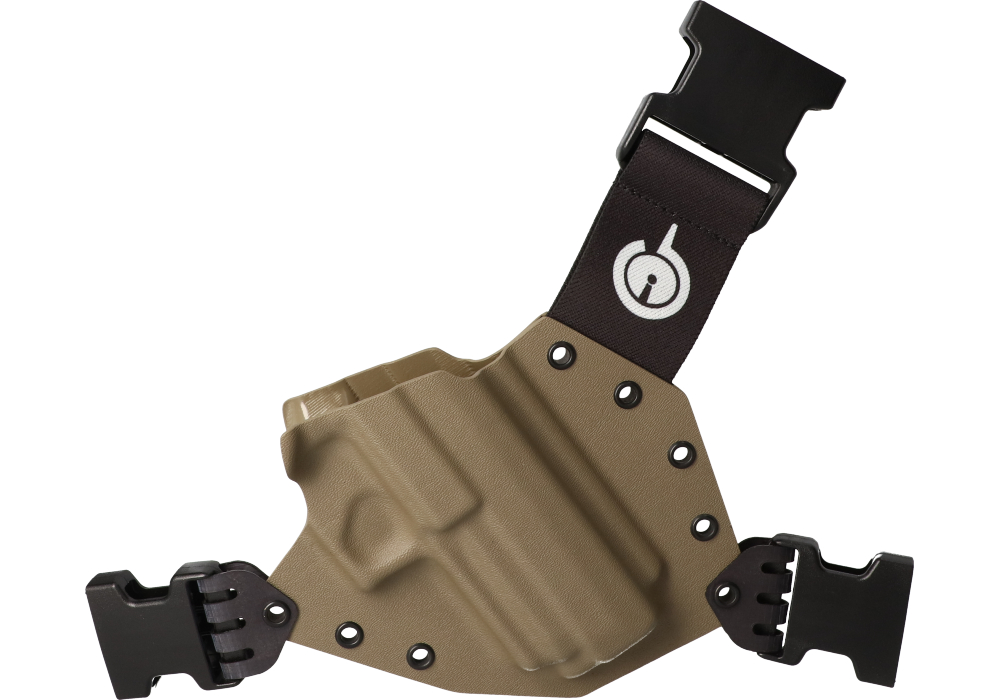
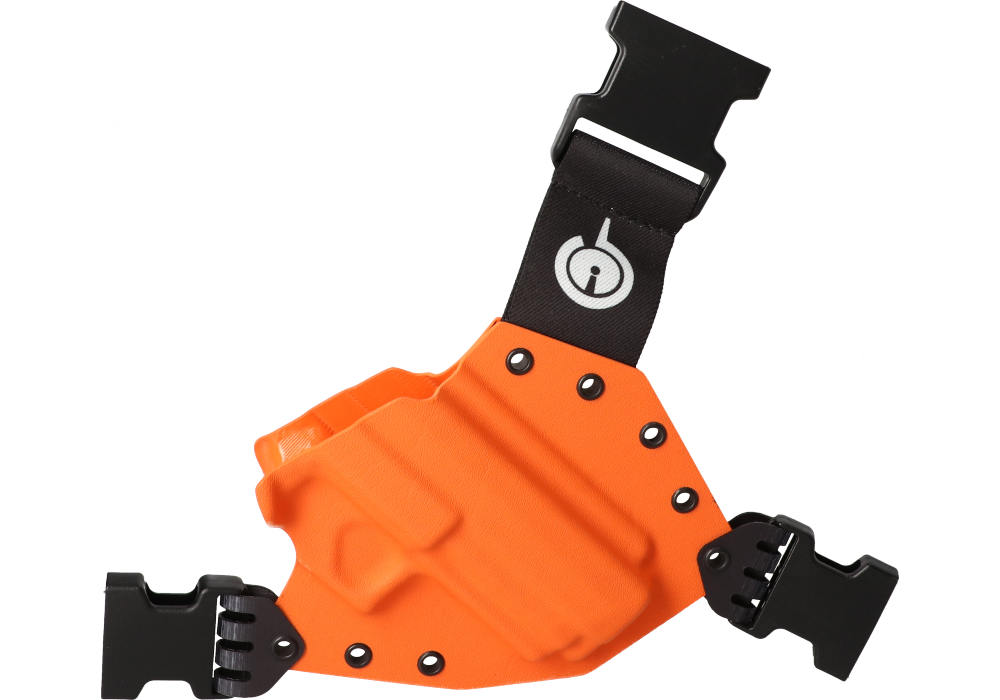
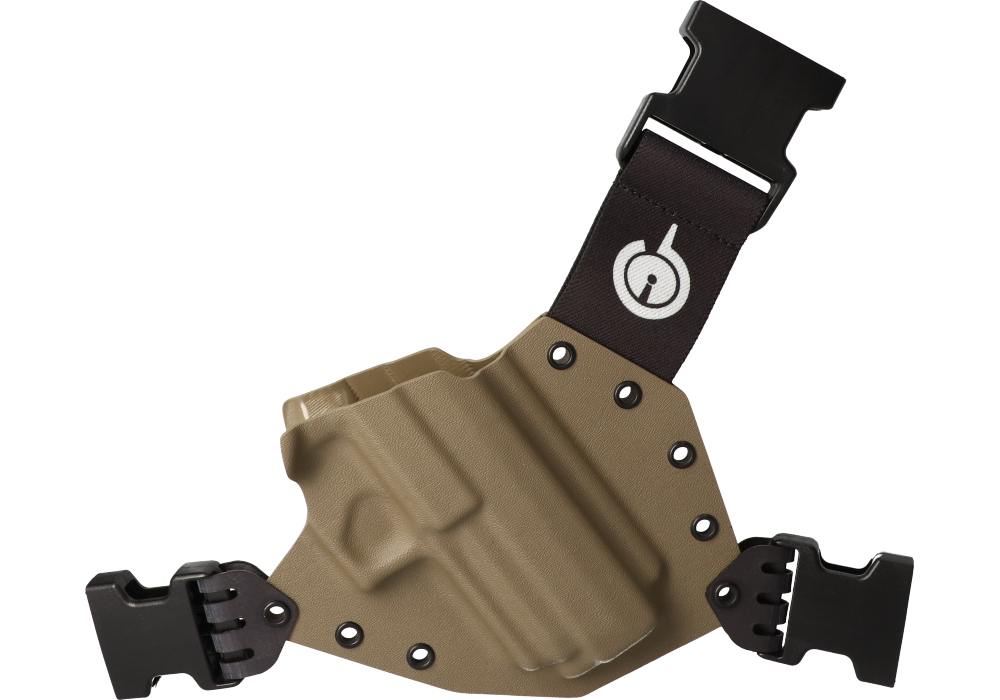
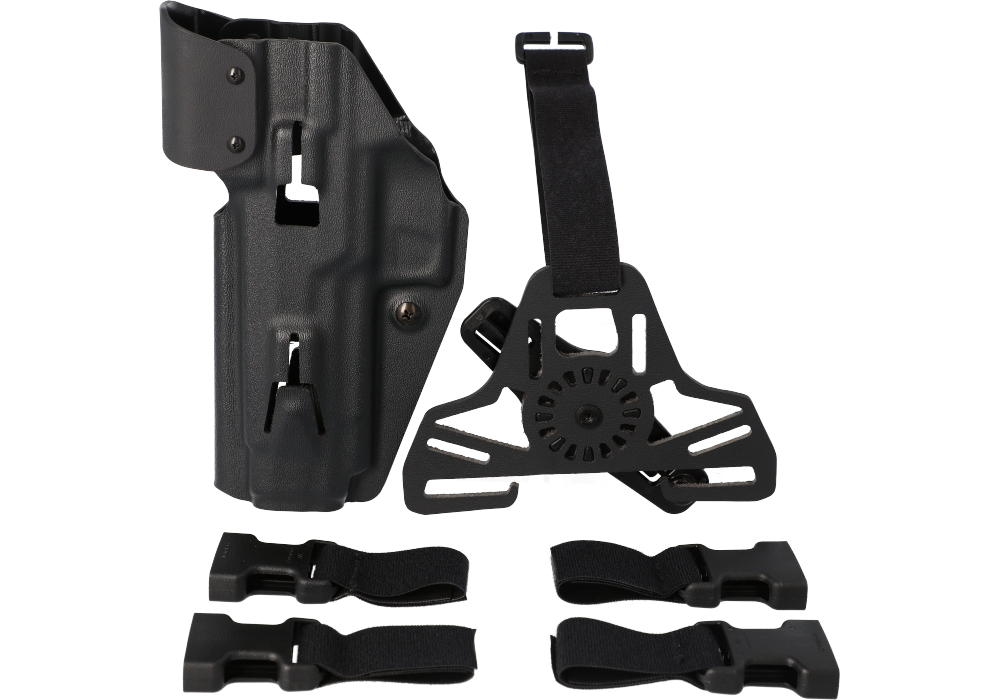
Chest holsters give outdoorsmen, backcountry travelers, hunters, and prepared citizens a practical way to carry a large-frame pistol when a belt-mounted holster is awkward or unavailable. Positioned across the chest, the holster keeps the firearm accessible while leaving the waist clear for a pack, climbing harness, tool belt, waders, or other equipment. That placement can be especially useful during the cooler months, when layered clothing and heavier outerwear may make a traditional waistband setup harder to reach. A well-designed chest rig should hold the pistol securely while walking, climbing, riding, or working around camp, yet allow a smooth, deliberate draw when needed. Adjustable shoulder and torso straps help the wearer place the holster where it feels natural, whether high on the chest for easier access or lower for better integration with a backpack. Before choosing a model, confirm that it is designed for the exact pistol configuration, including slide length, frame size, mounted optics, lights, and other accessories. Small differences in dimensions can affect retention and clearance, so compatibility is more important than relying on a similar-looking firearm name. It is also worth considering the dominant hand, the preferred draw angle, and whether the rig can be adjusted without excessive movement. A good fit should feel stable when moving over uneven ground, with the firearm held close enough to the body that branches, pack straps, and clothing do not snag it.
Material and construction are equally important when selecting a chest holster for regular outdoor use. Look for durable materials, reinforced attachment points, smooth interior surfaces, and retention features that keep the firearm seated without placing unnecessary pressure on controls or accessories. A thumb strap, active retention mechanism, or other securing system may be useful for demanding activities, but it should be easy to operate consistently with proper training. The best setup is one that remains predictable when the wearer is wearing a fleece, rain shell, insulated vest, or other seasonal layers. Breathable padding can improve comfort during long periods on the trail, while broad shoulder straps distribute weight more evenly than narrow webbing. Hardware should resist loosening, and adjustment points should stay in place after the rig has been fitted. Storage can also make a difference: some chest rigs include space for a spare magazine or small essentials, while others keep the profile streamlined for use beneath a jacket or alongside a full backpack. Avoid treating additional storage as a substitute for a secure fit. Practice with an unloaded firearm first, then follow all applicable laws, safe-handling practices, and manufacturer instructions when training with live ammunition. Spend time drawing from the chest position while standing, sitting, wearing a pack, and moving carefully through realistic layers of clothing. An unloaded fitting session in front of a mirror can reveal whether the muzzle remains pointed in a safe direction and whether straps, buckles, or pack harnesses interfere with access. These simple checks often make the difference between a rig that looks suitable online and one that remains comfortable and dependable after several hours outdoors.
A chest holster can also be a thoughtful gift for someone who spends time hunting, camping, guiding, ranching, or exploring remote terrain, particularly when their existing belt space is already occupied by outdoor gear. It may suit the experienced firearm owner who wants another carry option for changing conditions, or the newer owner who is building a responsible range and field setup one piece at a time. Gift shoppers should pay close attention to fit and configuration rather than choosing based only on appearance; knowing the recipient’s exact pistol model, optic setup, light configuration, and preferred carry hand can prevent an otherwise useful present from being incompatible. When those details are uncertain, a store gift card or conversation about intended use may be more practical than guessing. Chest carry is often most helpful when accessibility, comfort, and mobility need to work together. A hiker moving through dense timber may appreciate keeping the waist clear for a pack, while a hunter seated in a blind may find a chest-mounted position less restrictive than a hip holster. Someone working around a vehicle, boat, or campsite may value the ability to keep the firearm close without placing it beneath a coat or behind a pack belt. For broader seasonal shopping and related carry options, explore P320 XTEN Holsters for Independence Day. No matter the setting, responsible carry begins with a secure holster, a properly fitted firearm, awareness of the surrounding environment, and regular practice that reinforces safe handling. A chest rig should become part of a complete system that includes a safe storage plan, appropriate clothing, dependable equipment, and training suited to the conditions where it will be used.