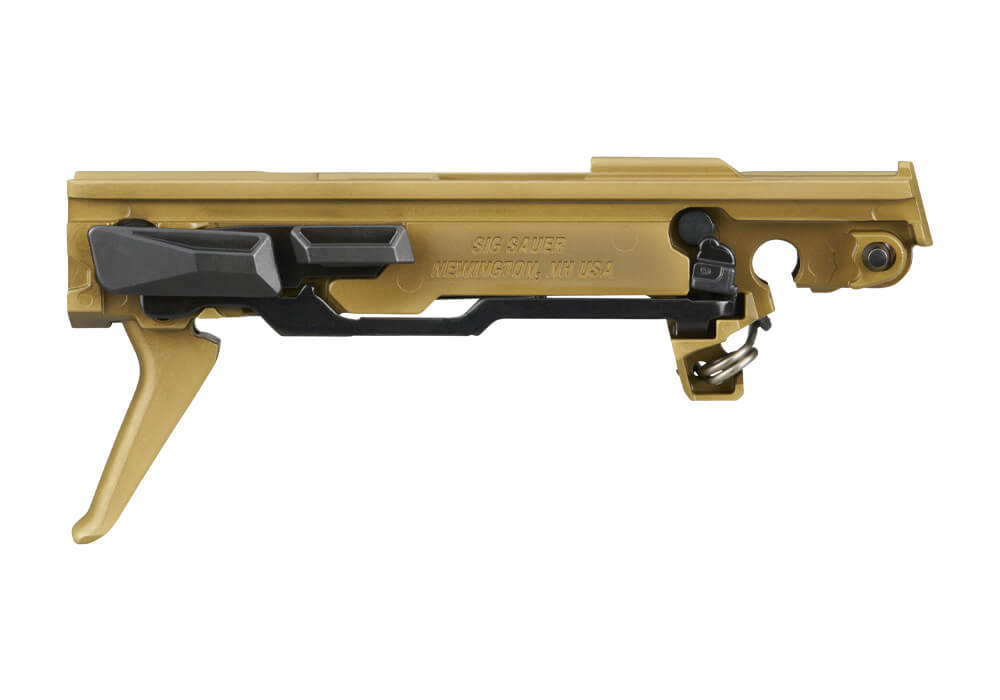
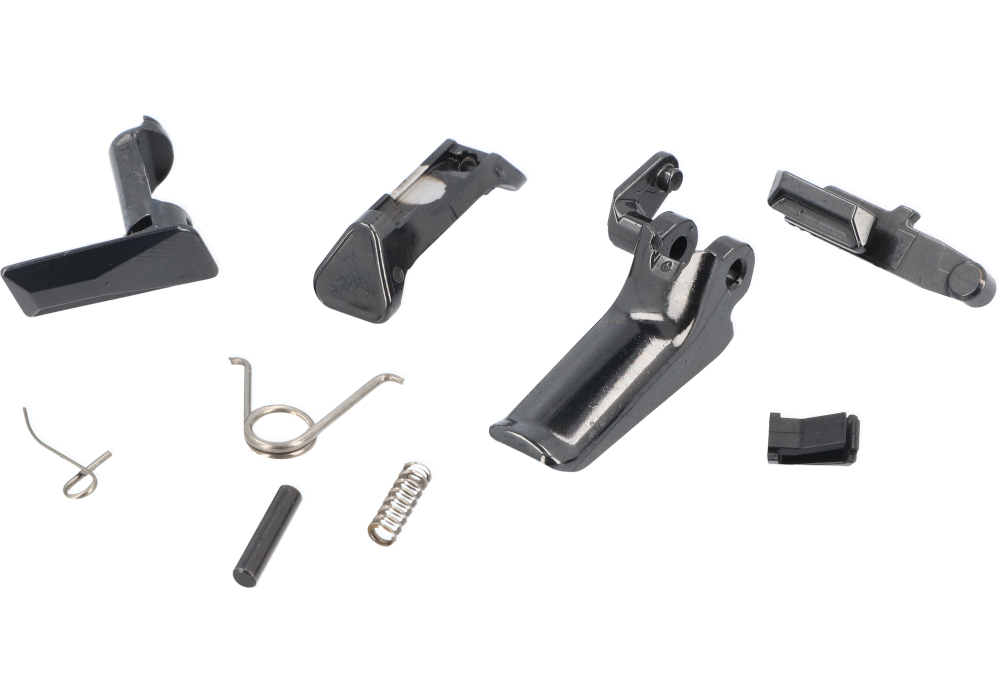
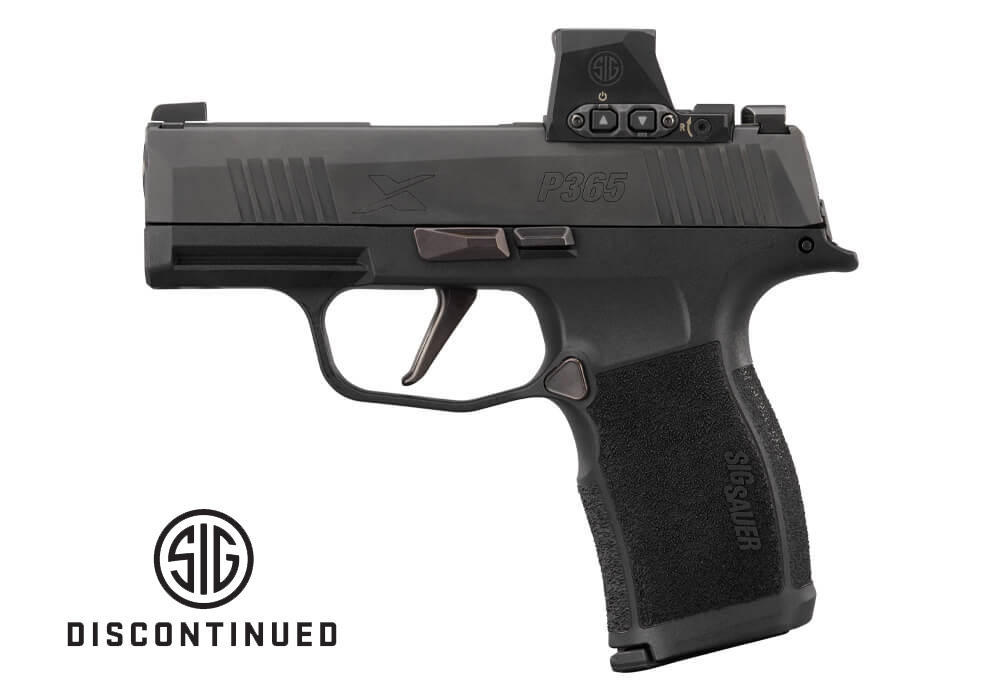
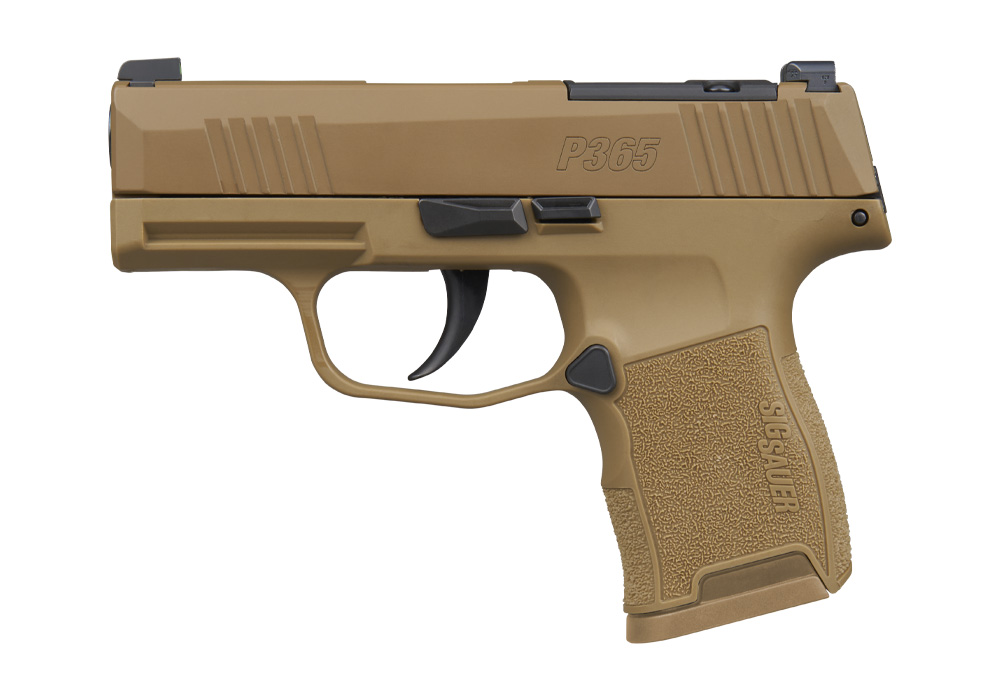
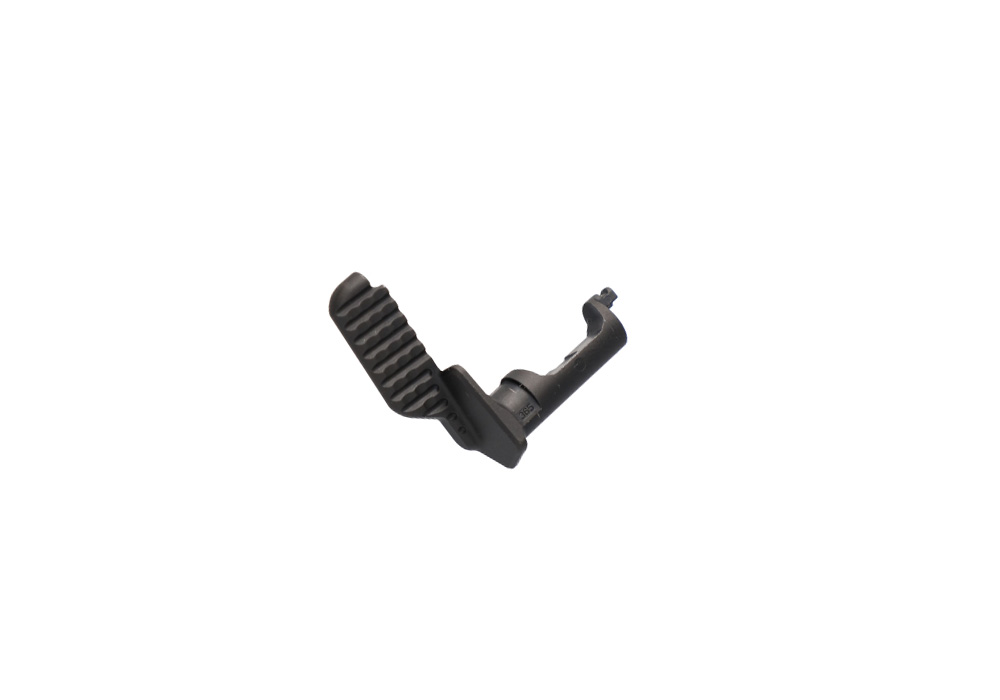
P365 trigger enhancements are designed for owners who want to refine the feel of their pistol without changing the compact character that makes the platform so practical for everyday carry, range practice, and home storage. Available options may include replacement trigger shoes, complete trigger assemblies, adjustable designs, spring tuning components, and kits that address the relationship between the trigger, sear, and reset. The right choice depends on the result a shooter wants to achieve. A flat-faced trigger shoe can provide a more consistent contact point and encourage a straight, controlled press, while a carefully engineered trigger assembly may reduce unnecessary pre-travel, clarify the transition to the break, and produce a more distinct reset. Some designs incorporate an integrated safety blade or similar mechanism to preserve the trigger’s passive safety function while changing its profile and feel. Others focus on reducing over-travel or refining sear engagement for a cleaner wall and more predictable release. These differences matter because trigger preference is personal: one shooter may value a flat face and defined break, while another may prefer a familiar curved profile with a smoother pull and positive reset. A trigger enhancement can be a thoughtful gift for an experienced P365 owner who has already spent time learning the pistol and can describe the feel they want, although a gift card or carefully discussed accessory is often the better choice when fit, configuration, and installation requirements are important.
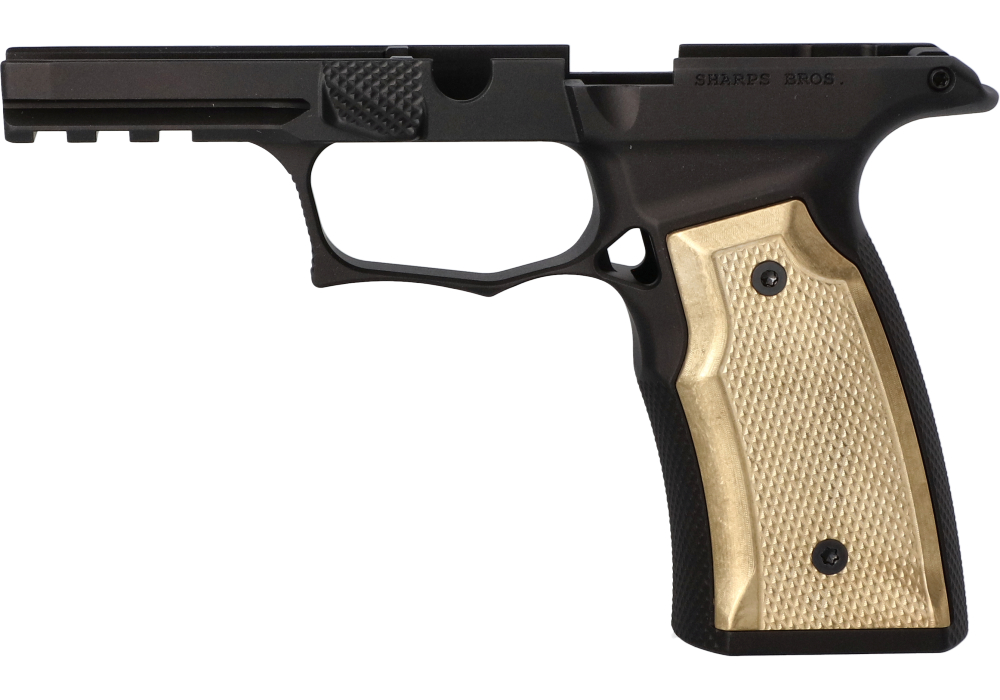
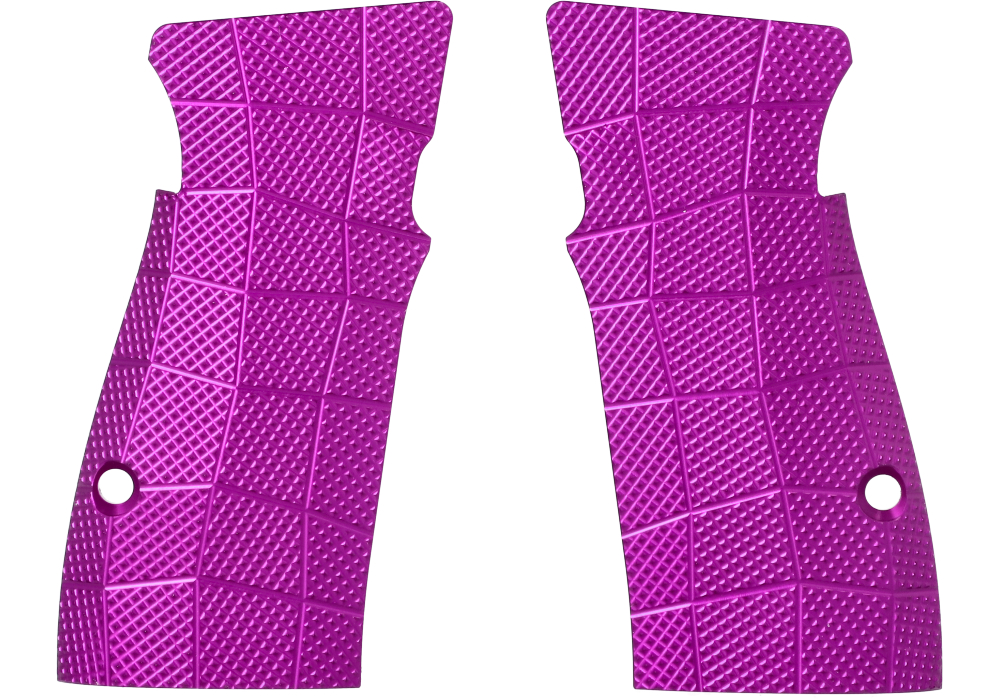
Before selecting a P365 trigger enhancement, consider the exact configuration of the pistol, the intended use, and the type of work involved. Trigger shoes that replace only the visible portion may be a relatively simple fit for a qualified owner or armorer, while systems that include sears, spacers, springs, or other internal components require a much more careful evaluation. Small differences in geometry and spring tension can affect pull weight, reset, safety function, and the way the pistol operates through a complete firing cycle. Adjustable designs can offer useful control over over-travel or trigger position, but adjustment should be approached with restraint and verified by a competent professional. A lighter pull is not automatically a better pull, particularly for a compact defensive pistol that may be handled under stress, in low light, or while wearing gloves during the cooler months. Reliability, positive safety engagement, a consistent reset, and a clear understanding of the trigger’s movement should remain central considerations. Owners should confirm compatibility with their specific P365 variant and review the installation instructions before ordering. Any modification to fire-control components may affect the manufacturer’s warranty or alter the pistol’s original safety characteristics, so buyers should select components from reputable sources and retain the factory parts whenever possible. If internal work is required, professional installation and function testing by a qualified gunsmith are strongly recommended. After installation, the pistol should be inspected and tested in a safe, lawful setting with appropriate eye and ear protection before it is carried or relied upon for defensive use. Trigger enhancements also pair naturally with other fit-focused accessories; shooters comparing hand placement, reach, and control may wish to explore P365 Grip Upgrades as part of a broader setup evaluation.
The best trigger enhancement is the one that supports a steady, repeatable shooting process rather than simply producing the lightest advertised pull. During practice, pay attention to how naturally the trigger finger contacts the face, whether the press remains straight to the rear, and whether the reset can be felt and managed without disturbing the sights. A crisp break can make deliberate shots feel more manageable, while a shorter reset may help a practiced shooter return to the trigger efficiently between shots. These benefits are most useful when they complement sound fundamentals, a secure grip, and consistent handling habits. A shooter who spends cooler months at an indoor range may appreciate a more defined trigger wall for slow, careful practice, while someone preparing a compact pistol for regular carry may place greater emphasis on dependable safety operation and a familiar pull weight. New owners should generally become comfortable with the factory configuration before deciding what, if anything, needs refinement; experienced owners may already know whether they prefer a flat trigger face, reduced pre-travel, a sharper reset, or a more controlled break. Keep the intended holster, carry method, ammunition, and training routine in mind, since a change in trigger feel can influence how the pistol is drawn, presented, and operated. Ammunition selection and maintenance remain important as well, and any unusual resistance, failure to reset, inconsistent safety behavior, or change in firing performance should be treated as a reason to stop using the modified pistol until it has been inspected. With careful selection, professional installation where appropriate, and realistic testing, P365 trigger enhancements can help tailor the interface between shooter and pistol while preserving the compact, controllable qualities that make the platform a popular choice for everyday use.