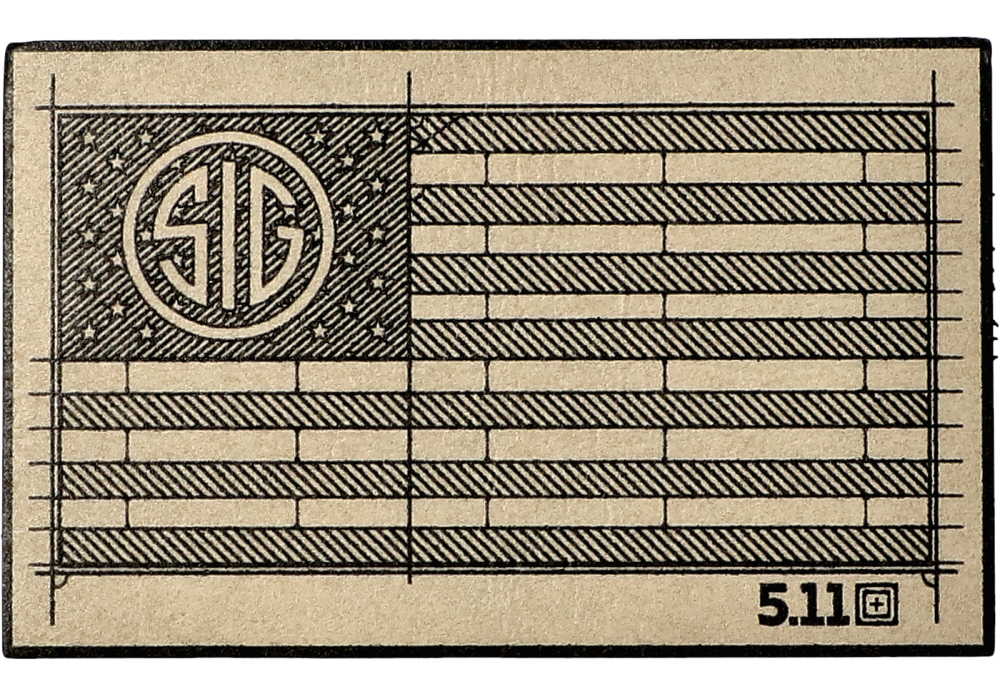
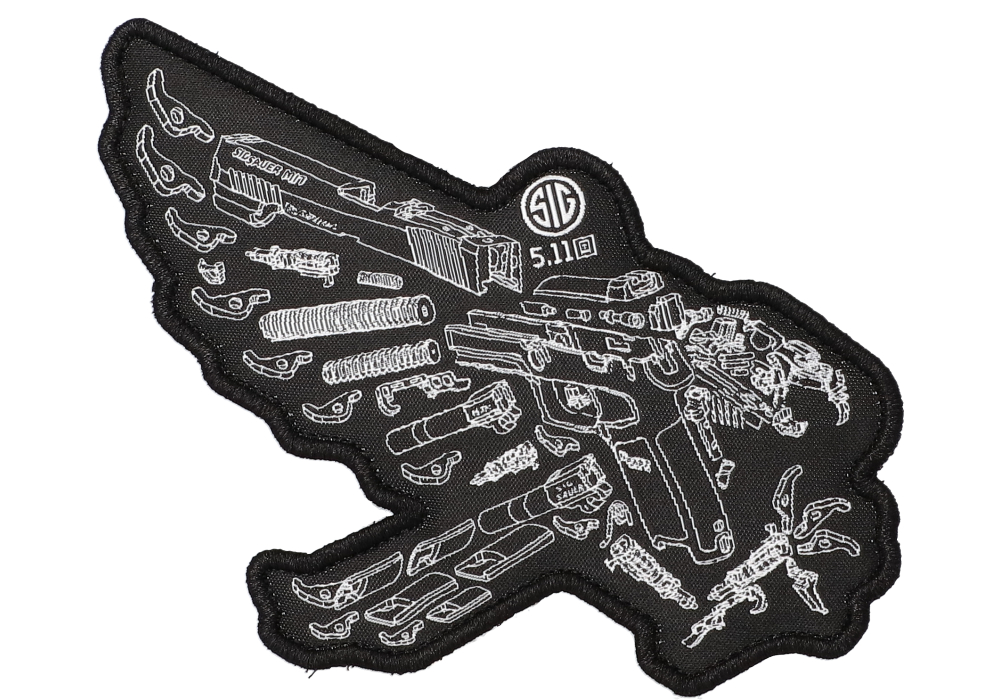
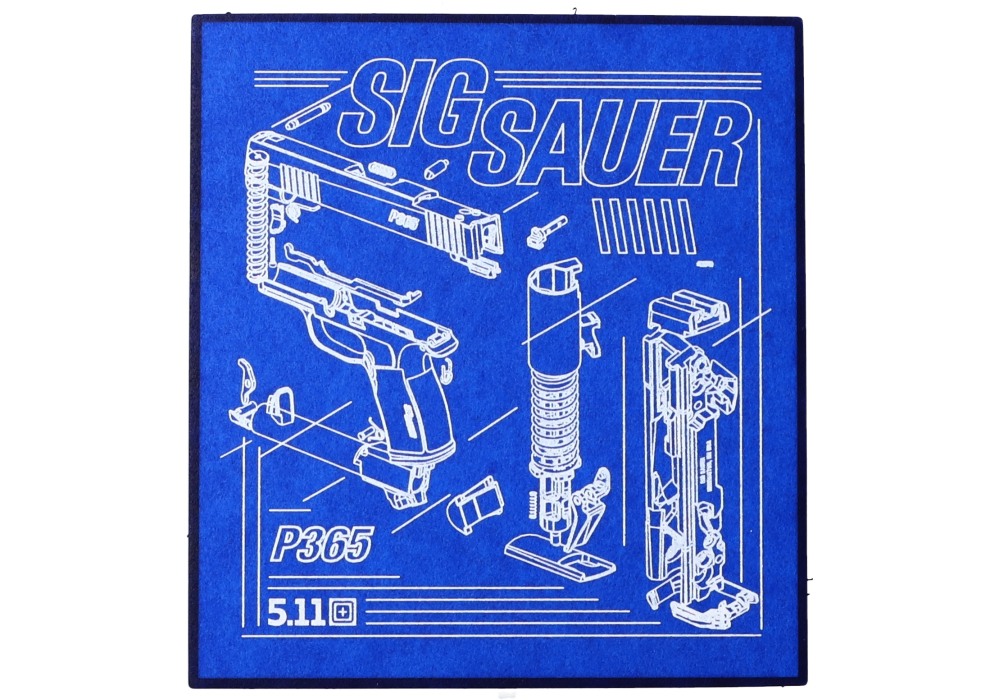
Patches for bags add personality and practical identification to backpacks, duffels, totes, and range bags without changing how the bag carries its contents. A distinctive emblem on an outer pocket can help distinguish one black pack from another on a bench, while a small design near a carry handle can give an everyday bag a more personal finish. Decorative patches emphasize artwork, color, or a shared interest; identification patches can help distinguish bags assigned to different activities. The best match depends on the bag’s attachment surface, the patch’s dimensions, and the look its owner wants to create. Embroidered patches have a textured appearance, with stitched details that give bold lettering and simple graphics noticeable depth. Woven patches use finer threads and can suit designs with smaller lettering or more intricate linework. Molded PVC patches offer a dimensional surface that can often be wiped clean, making them a practical consideration for bags handled frequently or set on busy work surfaces. Each construction has a different feel: embroidery brings visible texture, woven fabric offers a flatter profile, and flexible PVC gives graphics a sculpted finish. Border construction matters, too. A stitched edge frames a design, while a closely cut outline follows its shape with less surrounding material. When comparing styles, consider how the design will read at an ordinary viewing distance rather than only up close. A clear symbol or short line of text may be easier to recognize across a room than a densely detailed image. Contrasting colors can help a patch stand out against the bag, while similar tones create a quieter, coordinated appearance. For someone who takes the same backpack from a commute to a training session, one well-positioned patch can provide enough distinction without filling every available panel. A larger duffel may suit a broader design, but the patch should still complement the bag rather than obscure pockets, handles, or useful attachment points.
Fit begins with the actual usable surface, not simply the overall size of the bag. Measure the flat area where the patch will sit and compare both width and height, leaving room around seams, zipper paths, buckles, and pocket openings. A rectangular patch may fit neatly on a broad front panel yet sit awkwardly on a narrow side pocket; a smaller shape can work better where the fabric curves. Backing is equally important. Hook-backed patches are intended to engage a compatible loop surface, allowing them to be removed or rearranged without permanent stitching. The patch should sit fully within that surface so exposed hooks do not catch clothing or rub against neighboring fabric. A bag without a loop panel will need a different attachment approach, and a hook-backed patch alone will not grip ordinary woven fabric securely. Sew-on patches provide a more permanent attachment when the bag material and construction can accommodate stitching. Before sewing, check behind the intended location for pocket dividers, lining, or other layers that could be caught by the needle. Stitching through certain coated or specialty fabrics can also affect their protective properties, so the bag’s care information deserves attention before any modification. Iron-on backing requires similar caution: it is suitable only when both the patch instructions and the bag material permit heat application. Synthetic shells, foam padding, printed finishes, and internal components may not tolerate an iron. Adhesive-backed styles also vary in their intended use, and a bond suitable for temporary placement should not be assumed to provide permanent attachment. Placement should support normal handling. Keep patches clear of shoulder-strap adjustment points and away from areas that repeatedly fold, compress, or scrape against other equipment. On a range bag, an outer identification panel is generally more useful than a location hidden beneath a handle. On a travel pack, a visible but unobtrusive position can make recognition easier without interfering with access to frequently used compartments. A patch should add character or clarity while leaving the bag comfortable to carry and straightforward to use.
Durability depends on the combination of construction, attachment, placement, and care rather than on appearance alone. Dense stitching and neatly finished edges are useful details to examine on textile patches, while flexible molded designs should have clearly defined shapes and an intact backing. Even a sturdy patch will show wear sooner if its edge constantly catches on a locker, seat, or neighboring bag. Periodically check for loose threads, lifting corners, or weakened attachment before those small issues become more noticeable. For removable styles, detach the patch before cleaning the bag when the care directions call for it, and follow the patch’s own instructions separately. Gentle spot cleaning is often a sensible approach for surface dirt, but the correct method depends on the materials and finish. Avoid aggressive scrubbing that can roughen embroidery or blur fine details, and let cleaned pieces dry completely before reattaching or storing them. Keep hook surfaces free of lint so they can engage the loop panel properly; pull removable patches away with controlled movement rather than repeatedly tugging at a single decorative edge. Between uses, storing removable patches flat and keeping exposed hooks away from delicate fabric can help preserve both the design and nearby gear. For a coordinated selection, Gear Patches offers a related category to explore with the same attention to dimensions, backing, and intended placement. Bag patches can also be thoughtful gifts for travelers, range enthusiasts, and anyone who enjoys personalizing everyday equipment. A design connected to the recipient’s interests is more meaningful when it also fits a bag they actually use. Checking the attachment panel first helps avoid giving a patch that requires an unexpected alteration. Whether the goal is recognizing a familiar duffel among similar bags or giving a plain backpack a distinctive detail, the strongest choice balances readable design, compatible attachment, and a finish suited to regular handling.