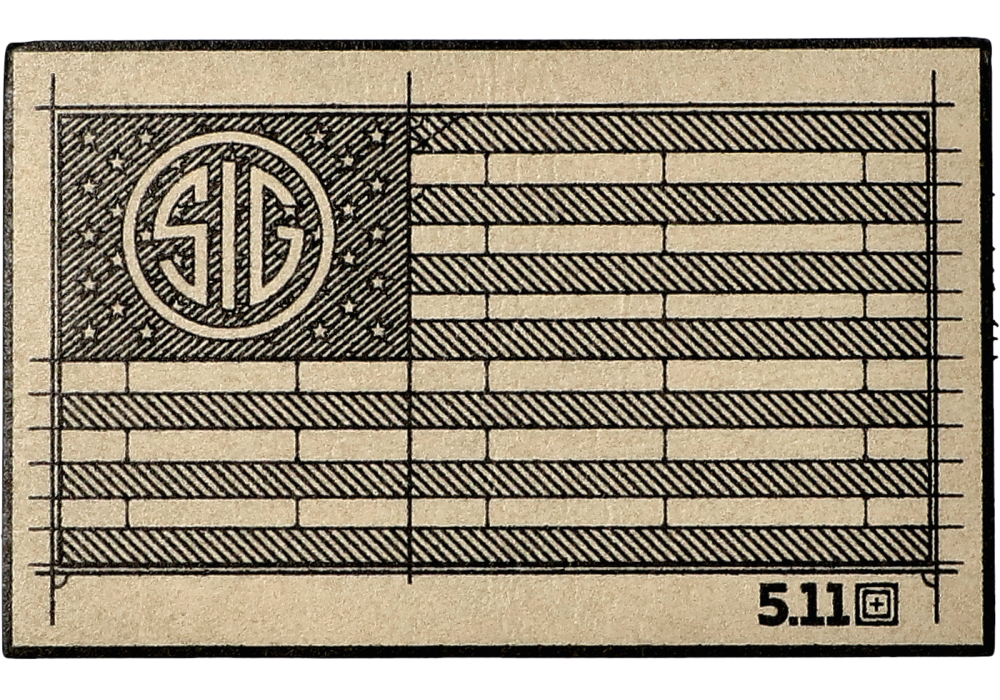
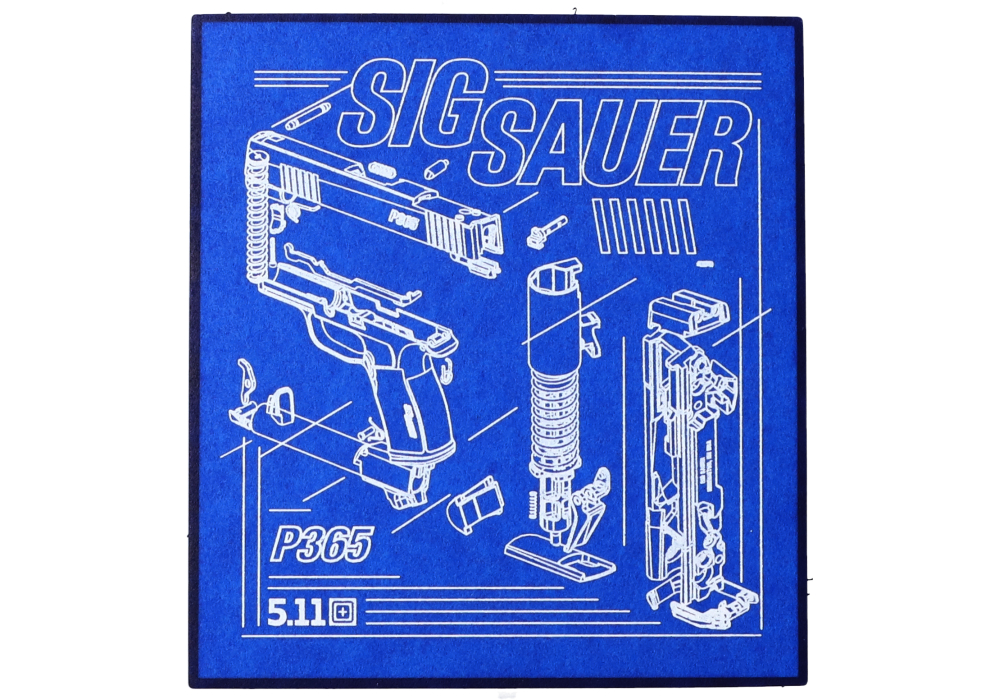
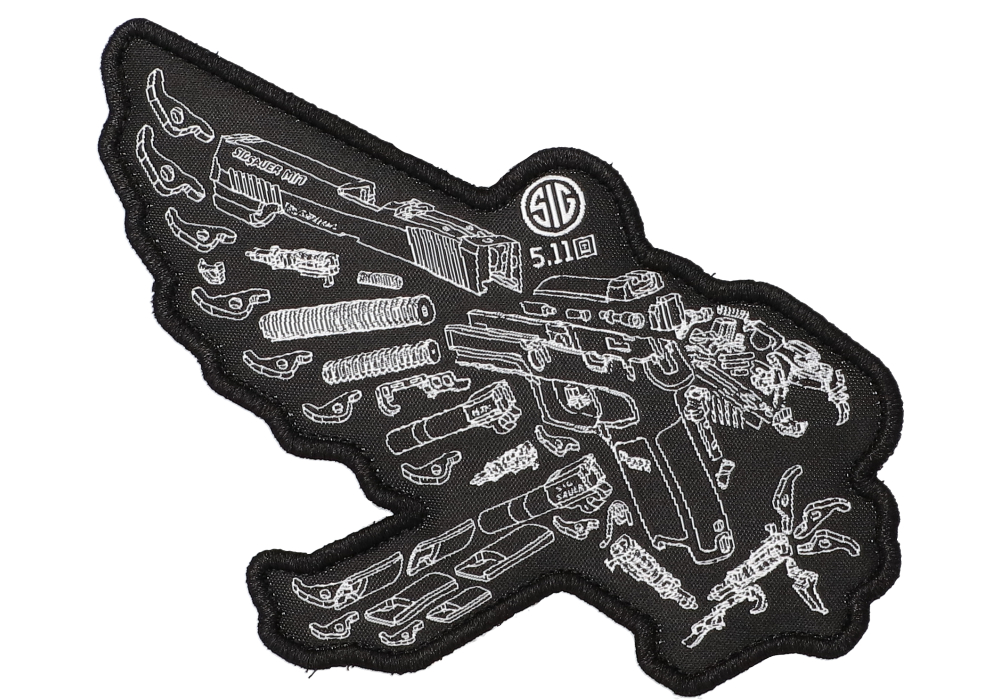
Gear patches add identification, personality, or a practical finishing touch to backpacks, range bags, jackets, hats, and other equipment. The term also covers repair patches, which serve a different purpose: compatible adhesive fabric patches can cover small tears in outdoor textiles, while specialized mesh patches help mend tent screens and insect netting. For everyday carry and range gear, decorative and identification patches are primarily about personalizing equipment rather than fixing it. That distinction matters when choosing a patch, because a removable emblem on a backpack’s loop panel will not seal a hole in a rain shell. Decorative gear patches commonly use embroidered thread, woven fabric, or flexible molded materials, with backing that determines how they attach. Embroidery gives lettering and artwork a raised, textured finish; woven construction can accommodate finer lines in a flatter surface; and flexible molded designs offer defined edges and dimensional detail. Each has a different feel, from the familiar texture of a stitched badge to a smooth surface that is easy to wipe clean. Color makes just as much difference as construction. Muted shades can blend into outdoor clothing and equipment, while stronger contrast makes a design easier to recognize across a bench or inside a crowded storage area. A patch can mark a favorite activity, distinguish one similar-looking bag from another, or bring a little character to equipment that otherwise looks purely functional. Picture several dark packs lined up beside a cabin door: a recognizable patch gives the owner a quick visual cue without changing the pack itself. For shoppers comparing gear patches, the most useful starting points are the intended purpose, the attachment method, the dimensions, and the surface where the patch will sit. Those details do more to determine everyday satisfaction than artwork alone, especially when the patch will move between bags, outerwear, and other compatible accessories.
Fit and attachment deserve a close look before choosing a design. Hook-backed patches attach to compatible loop panels, allowing easy removal or repositioning without sewing into the underlying fabric. This approach works especially well for someone who switches between a daily backpack and a weekend range bag, or who likes to rotate designs without committing to a permanent placement. Browse Velcro Patches when a removable attachment suits the equipment you already own, and check each product’s backing details rather than assuming every patch includes both sides of the fastening system. Measure the usable panel, not just the surrounding pocket: a patch that extends beyond the loop surface may catch along its edges or sit unevenly. Shape matters, too. A wide rectangle can suit a horizontal panel, while a compact outline may fit a smaller accessory more neatly. On curved surfaces, flexibility helps the patch follow the contour instead of lifting at the corners. Sew-on patches offer a more lasting attachment to suitable textiles, but stitching creates needle holes, so waterproof garments and technical shells require particular care. Iron-on backing depends on heat and fabric compatibility; some synthetic fabrics, coatings, and insulated garments cannot tolerate the temperature needed for a reliable bond. Adhesive backing also varies by purpose, and a decorative sticker-style patch should not be treated as a structural fabric repair. If repair is the goal, match the patch to the material and damage: solid fabric patches suit certain small holes and tears, mesh patches preserve airflow in screen repairs, and inflatable equipment may require a dedicated repair system. Always follow the equipment and patch care directions, especially around waterproof finishes or air-retaining surfaces. For decorative use, consider where straps, zippers, and clothing will rub against the edges. A slightly smaller patch seated fully within its attachment area often looks cleaner and stays out of the way better than a larger design squeezed into a tight space.
The best gear patches feel at home on equipment that sees regular use. Hikers may enjoy a design that gives a familiar trail pack some personality; range visitors may use a distinctive patch to recognize their bag among similar ones; and collectors may prefer to keep favorite designs on a display panel rather than expose them to daily wear. Someone who carries the same backpack to work and on weekend trips might appreciate a restrained patch that suits both settings. During the cooler months, when extra layers and additional bags become part of an outing, recognizable details can help keep personal gear easy to spot. Patches also work well as small gifts for outdoor enthusiasts, recreational shooters, travelers, and anyone who enjoys customizing practical accessories. The most thoughtful choice starts with the recipient’s existing equipment: notice whether their pack or jacket has a loop panel, estimate the available space, and choose artwork that reflects an actual interest rather than a passing trend. A patch can be a useful finishing touch alongside a new bag, but it can be just as welcome on a well-used favorite with softened straps and a familiar place by the door. For a collector, construction, border finish, and the clarity of small details may matter as much as the theme. For someone who uses gear in dusty or damp conditions, a surface that cleans easily may be more appealing than intricate threadwork. Care should match the material and backing. Gently brush loose dirt from textured surfaces, follow any cleaning directions, and allow damp patches to dry before storage. Remove detachable patches before laundering equipment when the care instructions call for it, and keep hook backing away from delicate fabrics that could snag. A decorative patch is not protective equipment, proof of qualification, or a substitute for a proper repair. Its appeal is simpler: it gives useful gear a recognizable identity, carries a bit of personal meaning, and lets familiar equipment feel more distinctly your own.