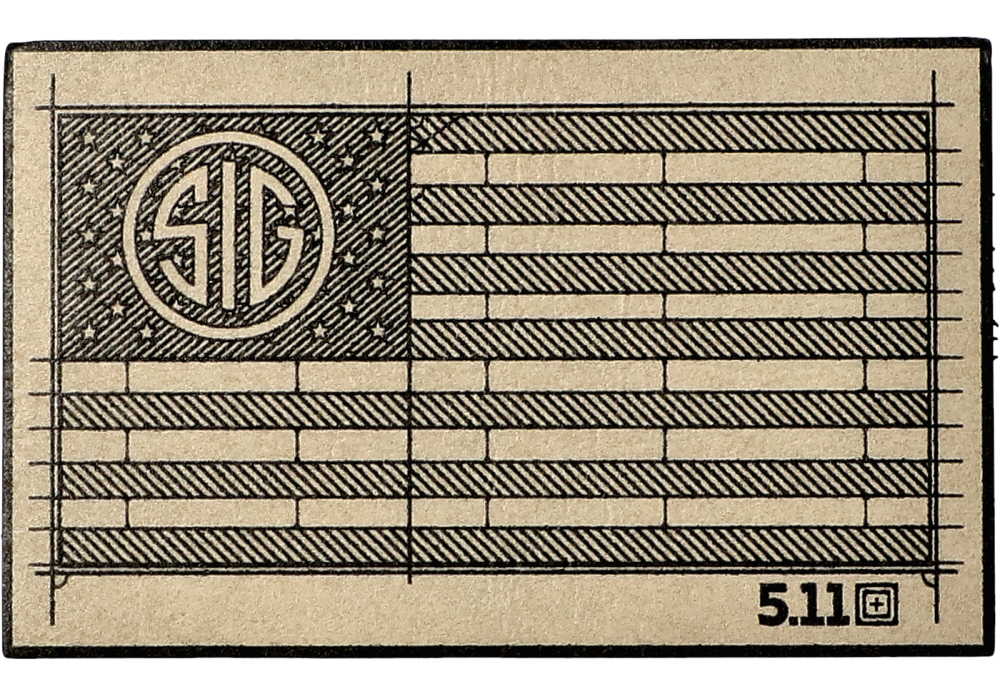
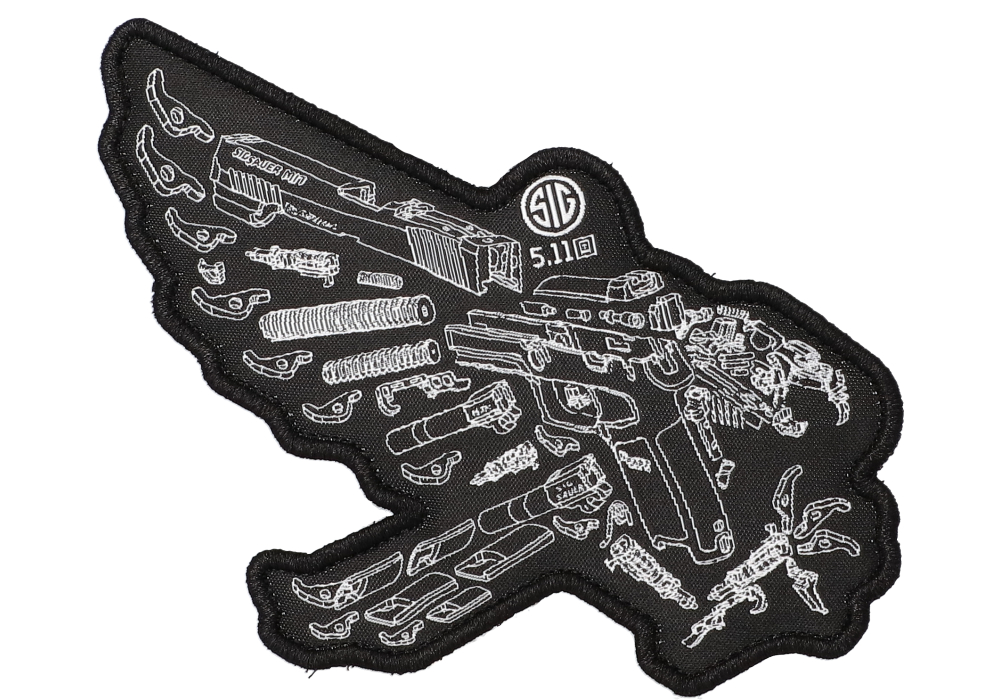
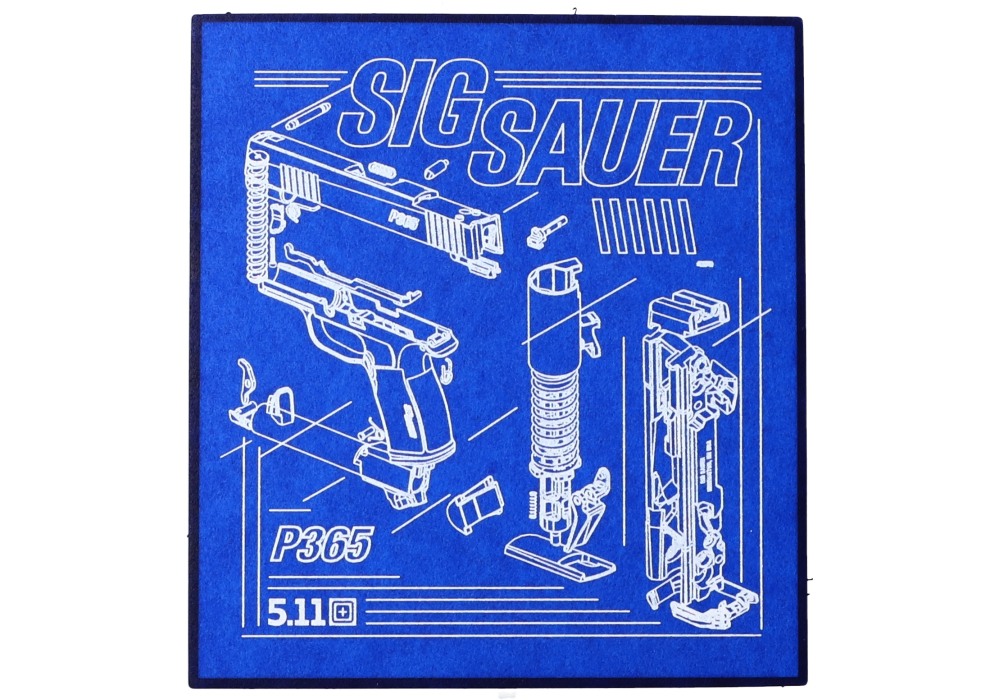
Hook-and-loop patches are removable fabric or molded patches that attach to a compatible panel through two interlocking surfaces: small hooks on the patch backing and soft loops on the receiving surface. Pressing the two together secures the patch, while peeling them apart allows a different design to take its place without stitching each patch directly to the garment or bag. That simple connection gives embroidered artwork, identification labels, flags, and morale patches a practical place on everyday gear. A patch can distinguish one range bag from another on a crowded bench, add a personal detail to a plain cap, or help identify a backpack among several similar bags. For shooters, outdoor enthusiasts, collectors, and anyone who prefers accessories with a personal touch, removable patches offer a balance of expression and utility. Designs can communicate an interest, commemorate an experience, or simply bring a little character to equipment that otherwise looks much like everyone else’s. The attachment surface matters as much as the artwork: hook-backed patches generally need an existing loop panel or a separately attached compatible surface. They do not function like adhesive stickers, and ordinary clothing fabric is not necessarily a suitable substitute for a loop field. Some patches include a matching loop piece, while others consist only of the decorated patch and its hook backing, so the backing description is an important part of understanding the attachment. On compatible gear, patches can move between a hat, jacket, pack, or organizer as preferences change. That flexibility is especially useful for someone who carries different bags for different activities but wants a familiar identifying detail on each. A compact symbol can work well on a small cap panel, while a broader design may suit the open loop field on a pack. The best match brings together the design, its dimensions, and the space where it will actually be worn.
Materials influence both the appearance of a patch and how it feels in everyday use. Embroidered patches use stitched thread to create raised texture, giving bold shapes and lettering a familiar textile finish. Woven patches typically have a flatter surface and can accommodate fine lines or smaller lettering, depending on the design and construction. Molded PVC patches offer a flexible, dimensional surface with defined shapes and recessed details rather than exposed decorative threads. None of these styles is automatically the best choice for every setting. Embroidery complements fabric hats and bags, while a molded surface may appeal to someone whose equipment regularly encounters dust or dirt. Actual durability depends on the quality of the backing, edge finish, stitching, and materials, along with how the patch is handled. Closely finished borders help keep the outline tidy, and a secure connection between the decorative face and backing supports repeated attachment and removal. Size deserves equal attention. A patch that extends past its receiving panel can leave hooks exposed, allowing them to catch on adjacent fabric or making the edges easier to lift during normal movement. A patch that fits entirely within the panel generally creates a cleaner profile and allows more of the backing to engage. Shape also affects placement: a wide rectangle needs a different footprint than a circle or a compact shield. Curved hat fronts, flexible sleeves, and flat bag panels each present a different surface, so flexibility and thickness can influence how neatly a patch sits. Lettering that looks clear close up may be harder to distinguish across a room, particularly when the design combines small text with a busy background. Strong contrast and simple shapes tend to make identification easier at a glance. For garment-focused placement, Patches For Clothing offers a related category to explore, with attachment style, garment fabric, and patch dimensions remaining central considerations. A decorative patch should complement its placement without covering closures, care labels, or other details that need to stay accessible.
Routine care helps preserve both the artwork and the fastening surfaces. Lint, loose fibers, and debris can collect in hook backing and reduce its contact with the loop panel, particularly when a patch is stored against towels, fleece, or other fibrous materials. Keeping the backing paired with a compatible loop surface during storage limits unnecessary snagging and helps keep a collection organized. A patch book or fabric display panel can also give collectors a clear view of their designs without leaving the hooks exposed. When removing a patch, supporting the receiving panel and peeling steadily from an edge puts less strain on the garment than pulling sharply from the center. Cleaning should follow the material-specific care information, since embroidered thread, molded surfaces, adhesives, and backing layers may respond differently to washing products or machine cycles. Light surface dust may lift with a soft brush, while some molded patches can tolerate a gentle wipe with a damp cloth. Harsh scrubbing can roughen threadwork, and prolonged soaking may affect components that are not intended for immersion. Removable construction also allows a patch to be set aside before its host garment is laundered, when the relevant care directions call for that approach. With thoughtful handling, a favorite design can remain part of a regular rotation rather than being tied permanently to one piece of gear. Patches also suit small, personal gifts for range partners, hiking companions, club members, and collectors, especially when the artwork reflects a shared interest or memorable outing. Knowing whether the recipient already uses loop-panel gear makes that gift easier to enjoy immediately. A restrained design might suit a daily bag, while a humorous morale patch may feel more at home on recreational equipment or a collection board. In workplaces, clubs, and organized activities, patch choices should also respect applicable uniform or identification requirements. Whether the appeal is recognizable artwork, easy gear identification, or the tactile detail of stitched thread, a well-chosen patch adds personality without requiring a permanent change to a compatible garment or bag.