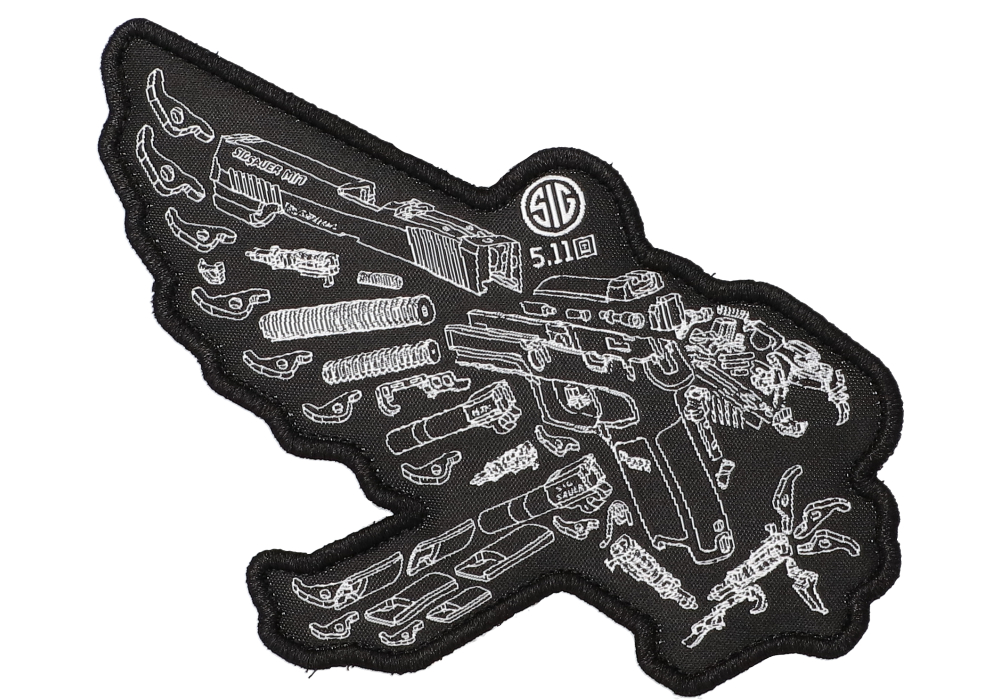
Patches for clothing offer a practical way to repair worn fabric, personalize everyday apparel, and give well-loved garments a distinctive finish. A carefully selected patch can cover a small tear on a work shirt, reinforce a thinning area on a backpack, or add visual interest to a denim jacket, vest, hat, or pair of sturdy trousers. Some shoppers choose patches to reflect outdoor interests, team spirit, professional identity, or personal style, while others appreciate the nostalgic character of embroidered and chenille designs. They can also be thoughtful gifts for someone who enjoys customizing gear, collecting textile art, or turning ordinary clothing into something more personal. When selecting a patch, begin with the garment itself. Cotton, denim, canvas, and other firm woven fabrics are usually well suited to iron-on applications because they can tolerate controlled heat and pressure. Stretchy knits, lightweight nylon, leather, coated fabrics, and activewear blends often require a sew-on approach, especially when the garment will be washed frequently or exposed to friction. The size and placement matter as well: a larger patch can anchor the back of a jacket or the front of a pack, while a smaller design may sit neatly on a sleeve, chest area, pocket flap, or cap. Consider the color, texture, and weight of the patch alongside the fabric so the finished piece looks balanced and stays comfortable during wear.
Iron-on patches are popular because the application process is relatively quick when the fabric and adhesive are compatible. Place the patch on a clean, dry surface, cover it with a thin pressing cloth, and apply firm, even heat according to the care guidance for the garment and patch. Allow the adhesive to cool fully before testing the edges, since moving the patch while it is still warm can affect alignment. A few careful passes are preferable to excessive heat, which may scorch fabric, flatten embroidery, or affect synthetic fibers. Sew-on patches provide a dependable alternative for materials that do not respond well to heat, and stitching around the border can add a secure, tailored appearance even when an adhesive backing is present. Use thread that complements the patch or choose a contrasting color for a more visible detail. Small, even stitches around the perimeter help prevent lifting and keep the patch flat. On heavy canvas or denim, a sturdy needle is useful; on lighter garments, take care not to gather or pucker the fabric. For items that see frequent outdoor use, reinforce high-contact corners and inspect the stitching from time to time. Cleaning instructions should also guide the selection process. Gentle washing, reduced agitation, and air drying can help preserve thread, color, and backing, while harsh heat may loosen adhesive or distort textured surfaces. Anyone looking for a coordinated option for outerwear can browse Patches For Jackets alongside clothing patch styles suited to other garments and gear.
Decorative patches can transform a familiar jacket or overshirt into a record of experiences. A patch placed on a pack may recall a favorite trail, a range day, a road trip, or a memorable gathering, while a set of smaller designs can create a layered look across a vest or utility bag. For a restrained appearance, choose one prominent design and leave plenty of surrounding fabric visible. For a more expressive arrangement, group patches by color, subject, or shape and lay them out before securing anything in place. This simple step makes it easier to maintain spacing and avoid covering seams, zippers, pockets, or areas that bend often. Repair patches benefit from the same care: trim loose threads, clean the area, and check that the surrounding fabric is stable before applying the patch. If a hole is larger or the material is fraying, place a backing fabric behind the opening for additional support, then secure the patch over the reinforced area. Patches also work well as gifts because they are easy to personalize without requiring exact sizing. A friend who enjoys jackets and field gear may appreciate an embroidered design for a favorite outer layer; a student, traveler, or hobbyist may use one to distinguish a backpack or canvas bag. During the cooler months, patches bring extra character to heavier clothing and can refresh a familiar coat without changing its fit. Whether the goal is a durable repair, a subtle accent, or a collection of designs that reflects individual interests, choosing the right backing, fabric compatibility, placement, and care method helps ensure the patch remains attractive and secure through regular wear.