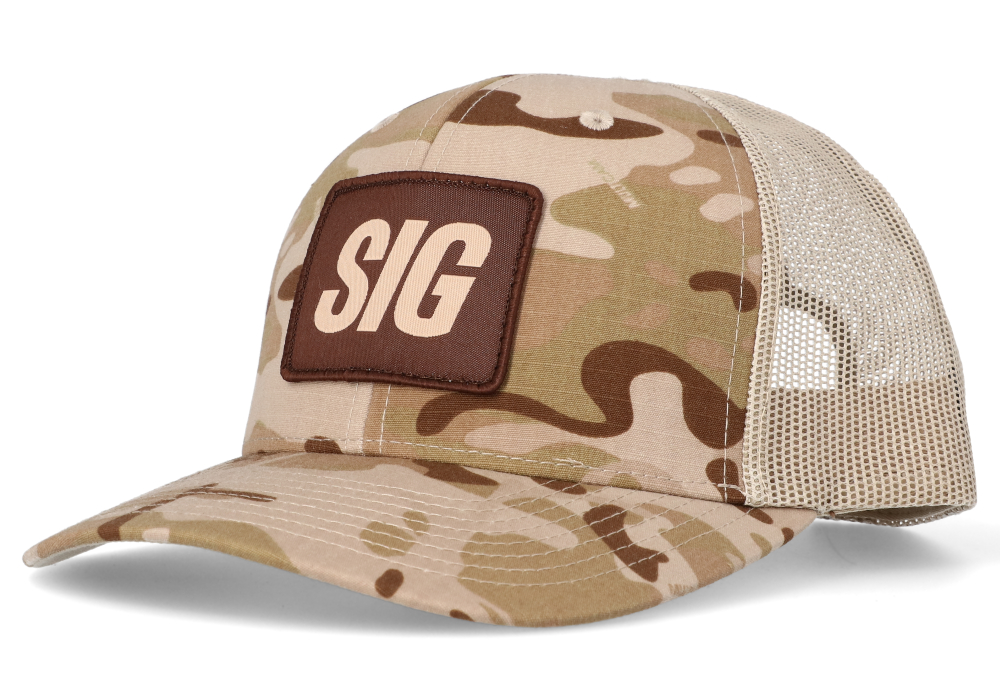
Patch designs bring personality to clothing, bags, packs, hats, cases, and other gear while offering a simple way to show an interest, affiliation, achievement, or sense of humor. Some designs are chosen for their bold visual impact, while others carry a more personal meaning that becomes familiar through years of use. A well-placed patch can turn a plain field jacket into something that feels lived-in, add character to a range bag, or give a favorite cap a distinctive finishing detail. When browsing Patches For Clothing, consider where the patch will be worn, how often it will be exposed to handling or weather, and whether it should blend with the surrounding material or stand out as a focal point. Embroidered patches offer a classic appearance with visible thread texture and a raised, tactile surface. They work especially well for bold lettering, recognizable symbols, and traditional shapes such as circles, shields, rectangles, and crests. Woven patches have a smoother face, making them a practical choice when the design includes finer lines or smaller lettering that could become crowded in heavier embroidery. PVC and rubber styles provide a clean, modern look with molded detail, flexible construction, and easy-care performance that suits outdoor equipment and active use. Leather and faux-leather options create a more understated appearance, often with debossed or stamped details that pair naturally with canvas, denim, workwear, and heritage-inspired clothing. Each material changes the way a design feels in the hand and appears from a distance, so the best choice depends on both the intended setting and the visual character you want to create.
A strong patch design starts with a clear idea and a layout that remains easy to recognize at its actual size. Bold shapes, simple lettering, and well-spaced elements generally translate better than crowded artwork, delicate gradients, or lines so fine that they disappear into the background. Short words and uncomplicated typefaces tend to remain legible when a patch is viewed from across a room or attached to a moving pack. Color contrast matters as well: dark lettering on a light field, light details on a dark field, or a carefully limited palette can help the design read quickly without looking busy. A border gives the outer edge a finished appearance and helps define the artwork against the garment or gear beneath it. A traditional merrowed border is a natural fit for regular shapes, while a hot-cut edge can follow unusual outlines and preserve a more intricate silhouette. The backing should match the way the patch will be used. Iron-on backings are convenient for straightforward application to compatible fabrics, although following the care instructions and reinforcing the patch with stitching can improve long-term hold. Sew-on patches offer a dependable, permanent attachment for garments or equipment that will see repeated wear and washing. Hook-and-loop backing is useful when patches need to be removed, rearranged, or exchanged between compatible panels, making it a flexible option for bags, cases, and field-oriented clothing. Before attaching any patch, inspect the fabric, check the available surface area, and position the design where it will not interfere with pockets, closures, straps, or other moving parts.
Patch designs also make thoughtful gifts because they are easy to personalize without requiring a precise fit. A friend who spends weekends outdoors may appreciate a weather-resistant design for a pack or jacket, while a collector may enjoy choosing several coordinated patches to arrange on a display panel. They can mark a memorable trip, recognize a shared interest, complement a favorite style of clothing, or add a small detail to everyday gear that might otherwise look ordinary. During the cooler months, patches pair naturally with jackets, overshirts, knit caps, and heavier bags, but their usefulness extends across changing conditions and different kinds of apparel. For a gift, pay attention to the recipient’s usual colors, the materials they wear, and whether they prefer a subtle emblem or a more noticeable graphic. A subdued leather-style patch may suit someone with a restrained wardrobe, while a bright embroidered design can bring energy to a canvas tote or casual cap. For personal use, think about the story you want the patch to tell and how it will look after regular handling. A design that catches the eye at first glance should still feel appropriate after months of use. Whether selected for clothing, outdoor equipment, a collection, or a meaningful gift, the right patch balances visual appeal, readable detail, suitable materials, and a backing that fits the job.


![DEADEYE ROW FLANNEL BUTTON UP - SIG MARK - GREEN [MED LEFT]](http://www.sigsauer.com/media/catalog/product/8/3/8301079-web-front.jpg)