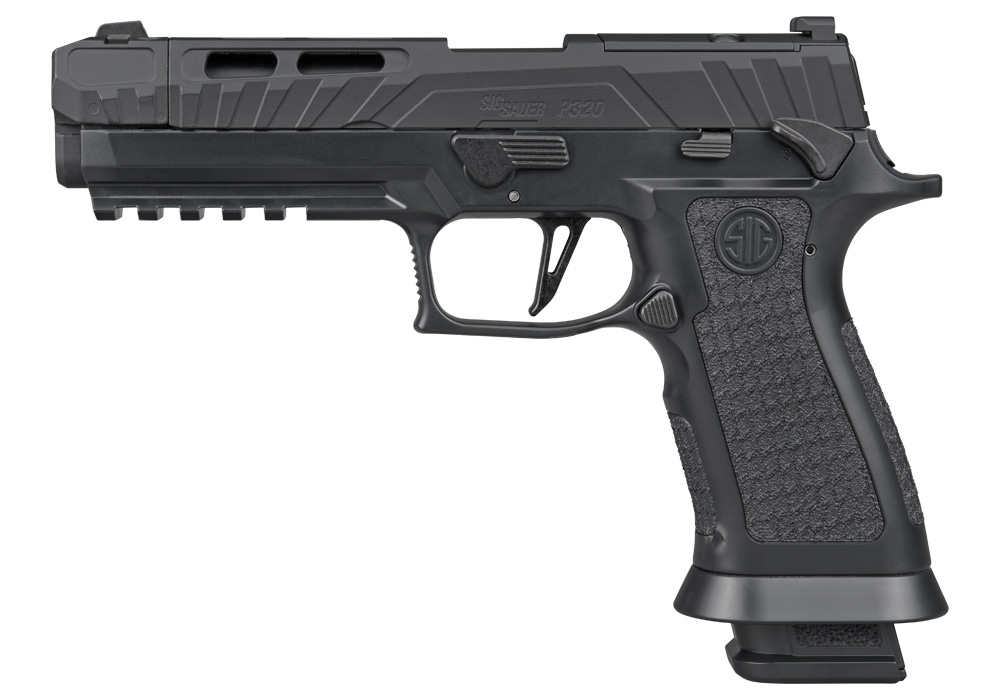
Pellet firing pistols offer a practical way to enjoy handgun-style shooting without relying on conventional ammunition. These air-powered pistols use compressed gas, a spring mechanism, or a pre-charged air reservoir to propel shaped pellets, most commonly in .177 or .22 caliber. Unlike round steel BBs, pellets are designed with a skirted profile that engages the rifling in a compatible barrel, helping support more consistent accuracy and a steadier point of impact at appropriate distances. Depending on the design, a pellet pistol may be suited to informal backyard plinking, structured target practice, skill-building, or familiarization with basic handgun handling. CO₂-powered models are often selected for their convenient operation and repeating action, while spring-piston and multi-pump designs provide a self-contained option without disposable gas cartridges. Pre-charged pneumatic, or PCP, pistols use a filled air reservoir and are valued for smooth operation, repeatable performance, and efficient shot strings. Each power plant has its own character: a CO₂ pistol can provide an enjoyable rhythm for casual shooting, a spring-powered pistol rewards deliberate technique, and a PCP platform can offer a refined experience for shooters who prioritize consistency. Browse our broader Pellet Shooting selection to compare air-powered options and related equipment suited to different shooting setups.
When choosing a pellet firing pistol, start with the way it will be used, then consider caliber, power source, action type, ergonomics, and available support equipment. A .177 caliber pellet is a common choice for paper targets and general practice because ammunition is widely available and typically economical, while .22 caliber pellets can offer greater mass and impact for appropriate applications. Pellet shape also matters. Wadcutter pellets are popular for punching clean holes in paper, making them convenient for scoring targets, while domed or pointed designs may be selected for other approved uses. A single-shot pistol encourages a measured pace and makes each loading cycle part of the practice routine; repeating and semi-automatic-style actions provide a faster cadence and can make informal plinking especially engaging. Blowback-style operation may add realistic movement and handling characteristics, but it can also consume CO₂ more quickly. Before purchasing, check the grip size, overall weight, sight configuration, trigger feel, and whether the pistol accepts the type of pellets and power source you plan to use. It is also worth considering the cost and availability of CO₂ cartridges, air-filling equipment, replacement seals, and appropriate targets. For cooler weather, remember that CO₂ performance can change as temperatures fall, while spring and PCP systems have different maintenance and operating requirements. A well-chosen pellet pistol can be a thoughtful gift for a responsible adult who enjoys target sports, mechanical design, or hands-on outdoor recreation, provided the recipient has a safe place to use it and understands the local rules governing airguns.
Safe setup is central to getting the most from any pellet firing pistol. Use suitable eye protection, keep the muzzle pointed in a safe direction, and treat the pistol as loaded until you have personally confirmed otherwise. Choose a sturdy backstop designed to stop pellets, inspect the area behind and around the target, and avoid shooting toward hard surfaces that could cause ricochets. A quiet, controlled range in a permitted backyard or an established airgun facility can turn a short session into a rewarding routine, especially during the cooler months when indoor range time or compact target setups become appealing. Keep pellets, CO₂ cartridges, filling equipment, and the pistol secured from unauthorized access, and follow all applicable laws, property restrictions, age requirements, and transport rules. Pellet pistols should not be used to threaten, intimidate, or imitate a firearm in public, and they are not substitutes for formal firearms instruction. For pest concerns, only consider an airgun where lawful, where the pistol is suitable for the task, and where a responsible shooter can make a safe, humane decision; local wildlife regulations may prohibit certain actions entirely. Basic care usually includes keeping the bore and moving parts clean according to the manufacturer’s instructions, protecting seals from damage, storing the pistol unloaded, and checking fasteners and sights before use. With the right pellet, target, backstop, and practice habits, these pistols can provide an accessible introduction to marksmanship and a satisfying way to refine grip, sight alignment, trigger control, and follow-through.