Pellet shooting combines the satisfaction of a well-centered paper target with the precision of equipment that suits the shooter, the distance, and the intended use. Air rifles, air pistols, pellets, targets, and compatible accessories support everything from relaxed plinking at an approved range to focused practice on sight alignment, trigger control, and consistent shot placement. The most important starting point for pellet selection is the caliber specified by the airgun manufacturer: pellets must match the barrel and feeding system, and steel BBs are not interchangeable with pellets unless the manufacturer expressly permits both. For short-range paper target shooting, .177 caliber is a common choice, particularly in 10-meter disciplines, where its small diameter and broad range of target-oriented pellet designs are useful. .22 caliber pellets generally weigh more than comparable .177 designs and are often selected for recreational shooting or lawful small-game applications with an appropriately capable airgun. Caliber alone does not determine accuracy, effective range, or suitability for hunting; pellet weight, airgun performance, and consistent placement also matter. Pellet shape helps distinguish intended uses. Flathead pellets, also called wadcutters, cut clearly defined holes in paper for easier scoring at short distances. Domed or roundnose pellets are versatile options for general target shooting and often perform well as distances increase. Hollow-point designs are intended to expand under suitable impact conditions, while pointed designs emphasize penetration, but neither shape guarantees a particular result in every airgun. Many pellets use lead because it is dense and readily conforms to a rifled barrel; lead-free alternatives use other materials and can differ in weight, fit, and performance. A tidy cluster on a target matters more than an impressive velocity claim. Even airguns of the same caliber can favor different pellet designs, so compatibility and repeatable accuracy are more useful selection criteria than shape alone. Uniform pellet heads and undamaged skirts help preserve that consistency, while protective packaging keeps loose pellets from being crushed or distorted between range visits.
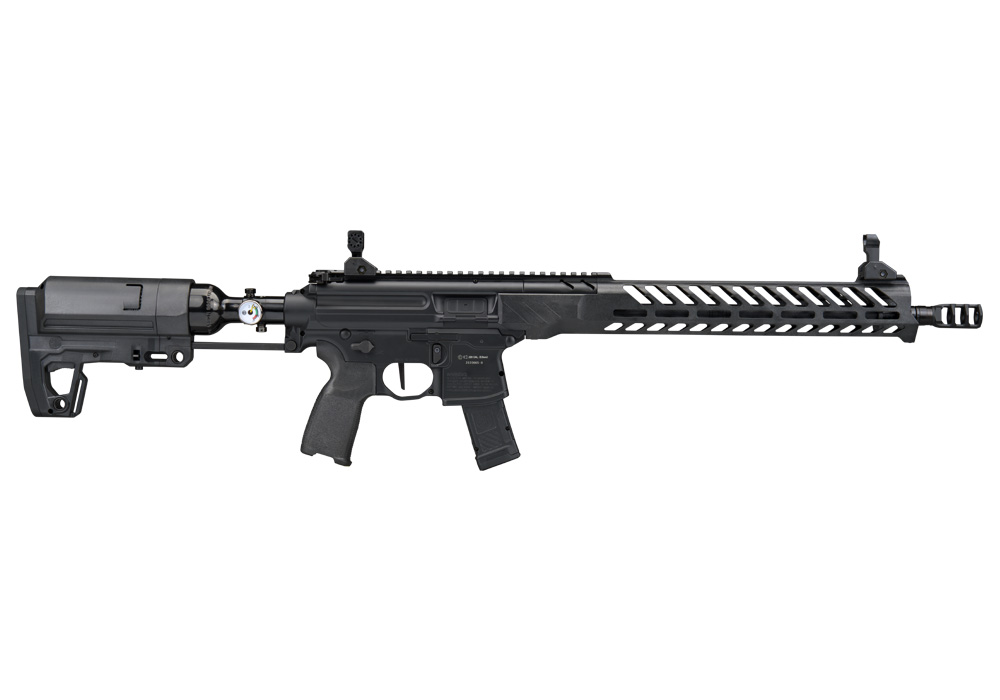
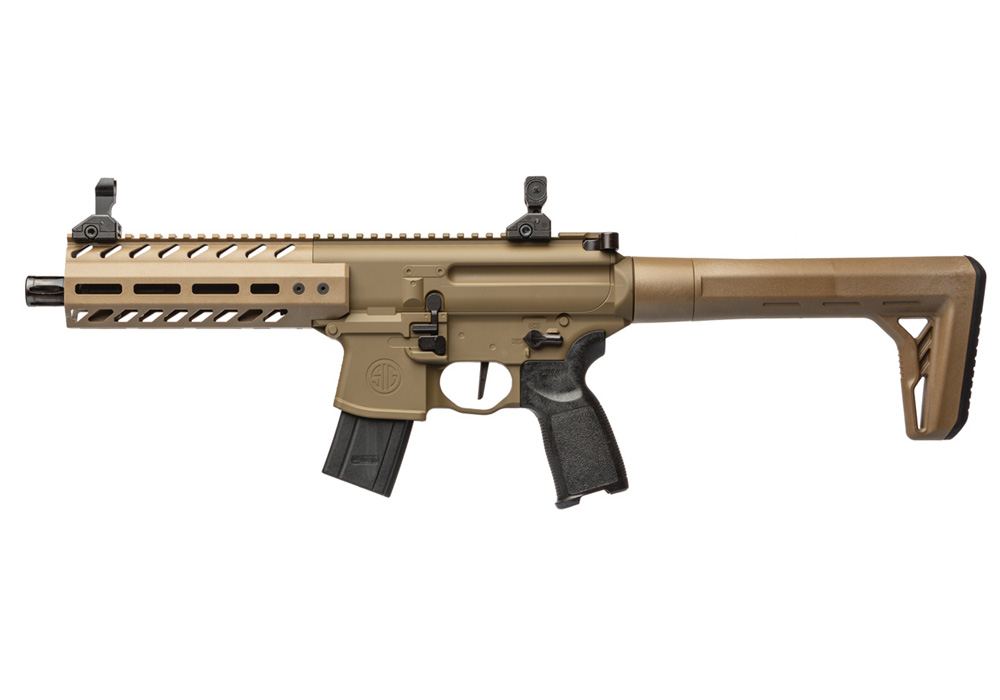
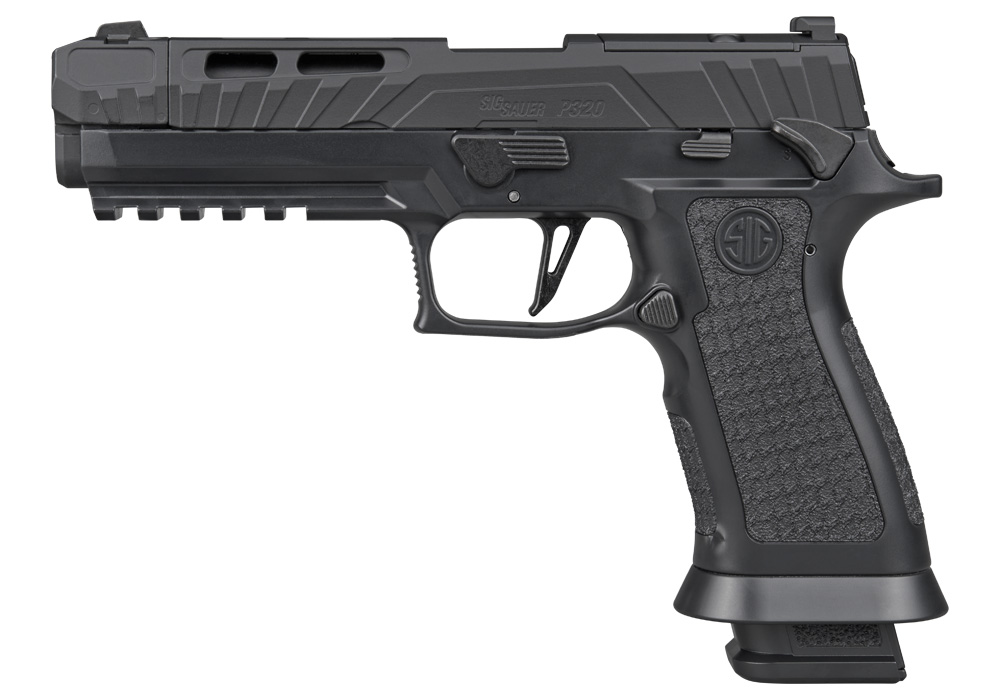
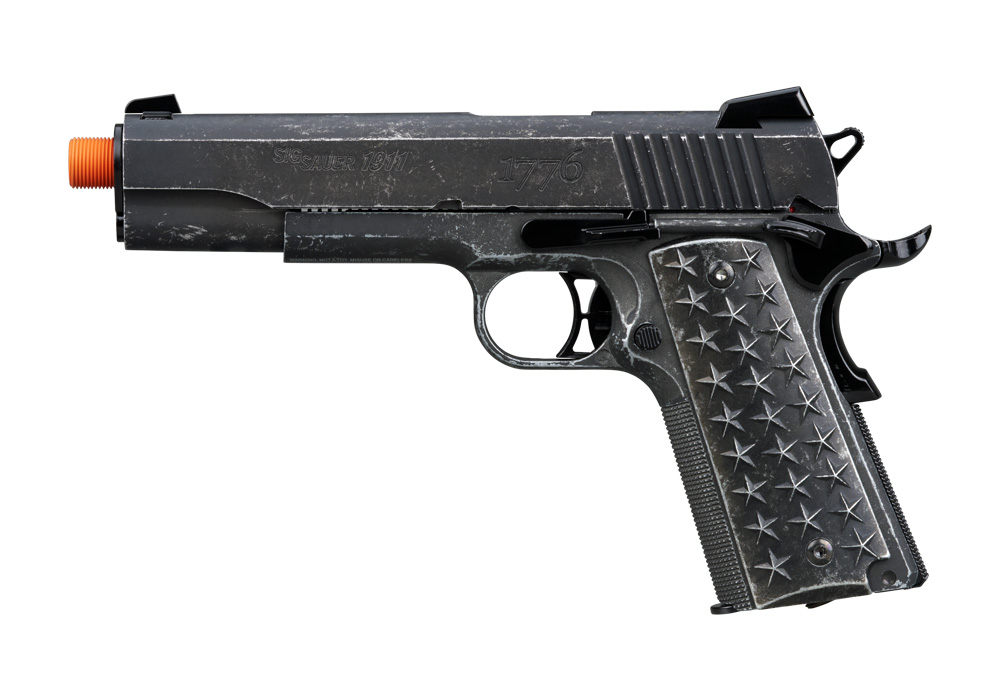
The airgun itself shapes how pellet shooting feels, from the balance of a rifle against the shoulder to the reach of a pistol grip and the clarity of its sights. A compact air pistol can suit shorter-distance target practice, while an air rifle offers additional contact points that many shooters appreciate for deliberate aiming. Fit deserves as much attention as appearance: stock length, grip dimensions, overall weight, and the position of the controls influence whether the shooter can maintain a comfortable, repeatable hold. A rifle that feels steady from a supported position may feel tiring during an extended standing session, and a large grip can make consistent trigger reach difficult for smaller hands. Power systems also bring different equipment requirements. Spring-piston and gas-piston designs use a cocking action and have a distinctive firing cycle; CO2-powered designs rely on compatible gas cartridges; precharged pneumatic designs use an onboard air reservoir and require approved filling equipment. These differences affect handling, maintenance, and accessory compatibility, rather than establishing one universal best choice. For repeating airguns, the magazine or rotary clip must suit the exact model, and pellet length can affect feeding even when the caliber is correct. Materials contribute to both feel and service life. Steel barrels and working components provide strength where precision and wear resistance matter, while aluminum components can reduce weight in suitable applications. Synthetic stocks and grips are practical for frequent handling, and wood stocks offer a traditional feel and finish that benefit from appropriate care. Well-fitted controls, secure fasteners, and protected metal surfaces are worth considering alongside the exterior finish. Sighting equipment should complement the intended distance and target size. Open sights offer a straightforward view for basic practice, while compatible optical sights can make a small aiming point easier to distinguish. Mounting dimensions, eye relief, and suitability for the airgun’s firing cycle are important; an optic intended for a different platform is not automatically an appropriate match. A balanced setup keeps attention on the target instead of forcing the shooter to compensate for awkward fit or mismatched equipment.
Targets, pellet traps, storage cases, and care supplies complete a practical pellet shooting setup. Paper targets make groups easy to compare, with a clear aiming mark and enough contrast to reveal changes in placement. Reactive targets add visible feedback, but their suitability depends on their design, rated use, and placement within a controlled shooting area. A pellet trap or backstop must be rated for the airgun’s energy and maintained according to its instructions; a cardboard box or an improvised hard surface is not an adequate substitute. Eye protection, a clear shooting lane, and an awareness of what lies beyond the target remain essential because airguns are not toys and pellets can cause serious injury. Youth participation calls for direct supervision by a responsible adult, appropriate equipment fit, and compliance with local requirements. Care is generally about preserving reliable function rather than adding unnecessary treatments. Manufacturer-approved maintenance supplies, clean exterior surfaces, and attention to seals and moving parts help protect the equipment without risking damage from incompatible oils or solvents. Barrel cleaning requirements vary by design and use, so firearm cleaning routines should not automatically be applied to an airgun. Pellets benefit from closed containers that protect their shape and keep different calibers separate. When handling lead pellets or emptying a trap, handwashing and appropriate cleanup practices help limit exposure to residue. Secure storage keeps airguns, pellets, and related equipment inaccessible to unauthorized users, while a fitted case protects sights, finishes, and controls during transport. For Pellet Gun Enthusiasts, the appeal often lies in the small details: a comfortable cheek position, a crisp sight picture, and a group that stays close around the aiming mark. Gifts for an experienced adult shooter are most useful when they match the recipient’s equipment and shooting interests, whether that means suitable targets, protective storage, or compatible care supplies. Caliber, model compatibility, range rules, and the recipient’s preferences are worth confirming before choosing equipment. Durable materials and thoughtful fit support repeated use, but the strongest setup is one in which every component serves the same purpose: safe, controlled, satisfying target practice.