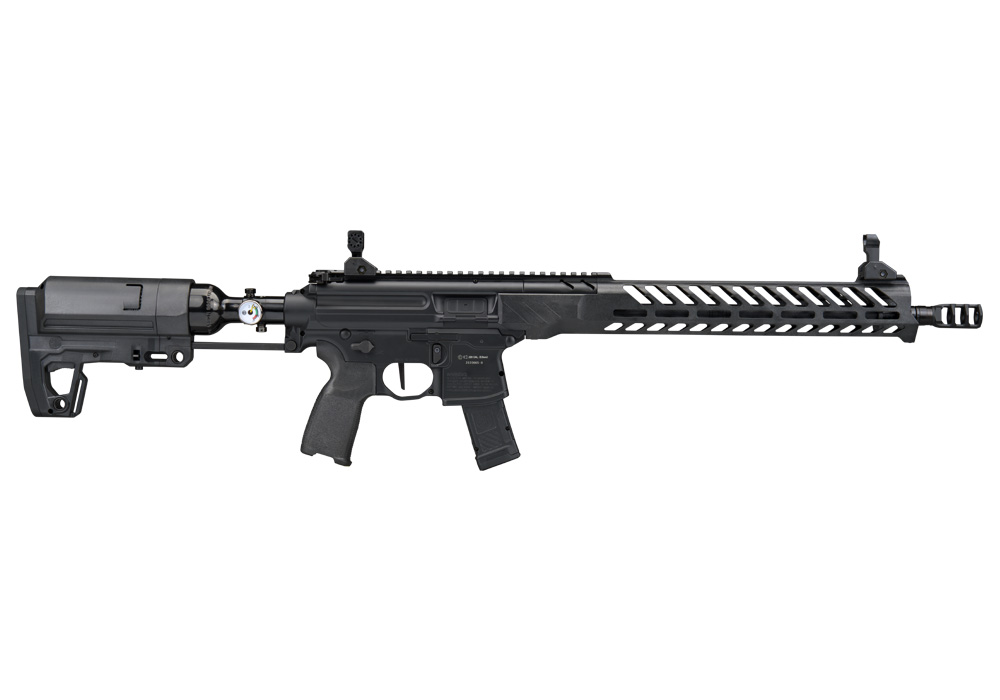
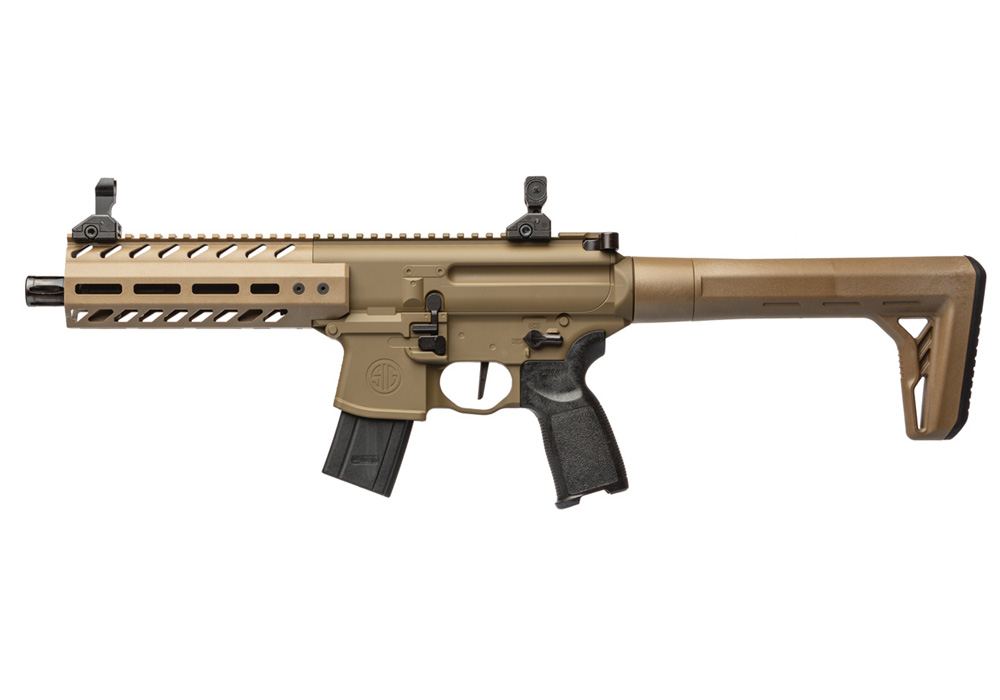
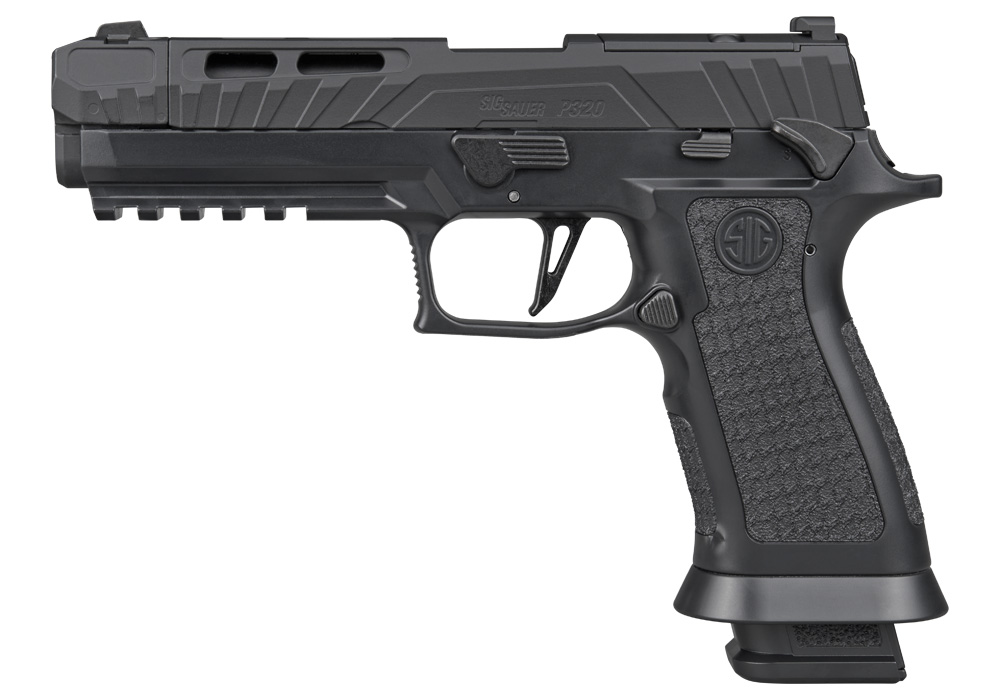
Pellet gun enthusiasts are drawn to the satisfying precision of a well-placed shot, the familiar feel of a comfortable grip, and the opportunity to practice marksmanship on a controlled target range. Pellet guns are air-powered rifles and pistols that propel pellets rather than conventional firearm cartridges. Their appeal spans informal target shooting, organized airgun competition, and practice focused on sight alignment, trigger control, and consistent positioning. Some airguns are also intended for lawful small-game hunting or pest management, although suitability depends on the equipment, local regulations, and the demands of the activity. The power system shapes much of the shooting experience. Spring-piston and gas-piston airguns use a cocking action to store energy for each shot, offering a self-contained option without a separate compressed-air supply. Precharged pneumatic airguns use a pressurized reservoir and require compatible filling equipment; their shooting characteristics appeal to enthusiasts who value a steady firing cycle and precision-oriented practice. CO2-powered airguns use compatible cartridges and can provide familiar rifle or pistol handling, with operating characteristics that vary by design. None of these systems guarantees accuracy on its own. Barrel quality, pellet compatibility, sighting equipment, shooter technique, and the condition of the airgun all contribute to repeatable results. A paper target with a tight cluster of holes can reveal more about consistency than an ambitious distance claim. For someone who enjoys deliberate practice, the attraction might be refining a group from a supported position. Another shooter may prefer a supervised session with reactive targets designed specifically for pellet use. Enthusiasts interested in shoulder-fired formats can explore Air Rifles For Shooting Enthusiasts as a related category. Whatever the format, a suitable shooting area requires permission where applicable, compliance with local rules, and a backstop rated for the airgun’s energy. A backyard or indoor space is not automatically appropriate simply because an airgun uses pellets, and reduced noise does not remove the need for careful handling.
Comfort and construction matter because a pellet gun that suits the shooter is easier to hold consistently through a full practice session. Rifle stock length, grip shape, cheek support, and overall weight influence how naturally the sights line up when the airgun comes to the shoulder. A stock that feels comfortable at a shooting bench may feel less manageable when held unsupported, while a compact layout may suit someone who prefers shorter reach and easier handling. For pellet pistols, grip dimensions, balance, and access to the controls deserve the same attention. Cocking effort is another practical consideration with spring-powered designs, especially for adults who prefer a less physically demanding session. Materials affect both feel and long-term care. Synthetic stocks can offer a practical, easy-clean surface, while wood brings distinctive grain and a traditional feel that benefits from appropriate protection against moisture and rough handling. Steel components provide strength in areas subject to wear, and aluminum can help reduce weight in housings and other structural parts. Durable construction also depends on how those components fit together: secure fasteners, a stable sight mount, and controls that operate consistently all contribute to confidence over repeated use. Pellet selection is equally important. The airgun’s specified caliber is the starting point, followed by pellet shape, weight, and the manufacturer’s recommendations. Flat-front pellets can leave clearly defined holes in paper targets, while rounded designs are common in general target shooting; actual performance varies with the barrel and power system. Pellets and steel BBs are not interchangeable unless the manufacturer expressly permits both. For sighting, open sights provide a straightforward view of the target, while a compatible optic can help a shooter see smaller aiming marks more clearly. Any scope or mount needs to suit the airgun’s mounting interface and firing characteristics, particularly on spring-piston equipment. Magnification alone is not a measure of usefulness: a comfortable viewing position, appropriate focus adjustment, and a clear sight picture at the intended distance often matter more during practice.
A rewarding pellet-shooting setup extends beyond the airgun to the details that keep each session orderly, comfortable, and safe. Suitable eye protection, targets, a properly rated pellet trap, and secure storage each serve a distinct purpose. A trap intended for a lower-energy airgun may not be suitable for a more powerful rifle, and hard surfaces can send pellets back toward the shooter. Safe target placement therefore depends on more than finding an open patch of space; the entire area around and beyond the target needs consideration. Routine care helps protect accuracy and durability without unnecessary tinkering. Exterior surfaces benefit from careful cleaning after handling, while seals, moving parts, and barrels require the maintenance methods and lubricants specified by the manufacturer. Improvised oils or incompatible cleaning products can damage components or affect operation. Compressed-air reservoirs and CO2 systems also have their own pressure limits, filling requirements, and storage instructions, which should remain central to ownership. For an enthusiast who shoots regularly, an orderly case with protected space for the airgun, pellets, and approved accessories can simplify transport and keep sensitive components from rubbing against one another. At home, locked storage with access controlled by a responsible adult is important, particularly where children or visitors may be present. Airguns should always be treated as capable of causing serious injury, and realistic-looking designs require thoughtful transport and handling. As a gift, a pellet gun is most appropriate for an adult recipient whose interest, experience, legal eligibility, and access to a suitable shooting location are understood. Fit and preferred shooting style matter more than choosing the most powerful option. A beginner who enjoys patient paper-target practice may value manageable weight and straightforward controls, while an experienced enthusiast may place greater emphasis on consistent performance and compatibility with an established setup. Across those preferences, the lasting appeal is similar: a familiar grip, a clearly visible aiming point, and measurable progress from one target to the next. Thoughtfully matched equipment supports that experience, whether pellet shooting is a focused hobby, a shared range activity, or a way to maintain sound marksmanship habits.