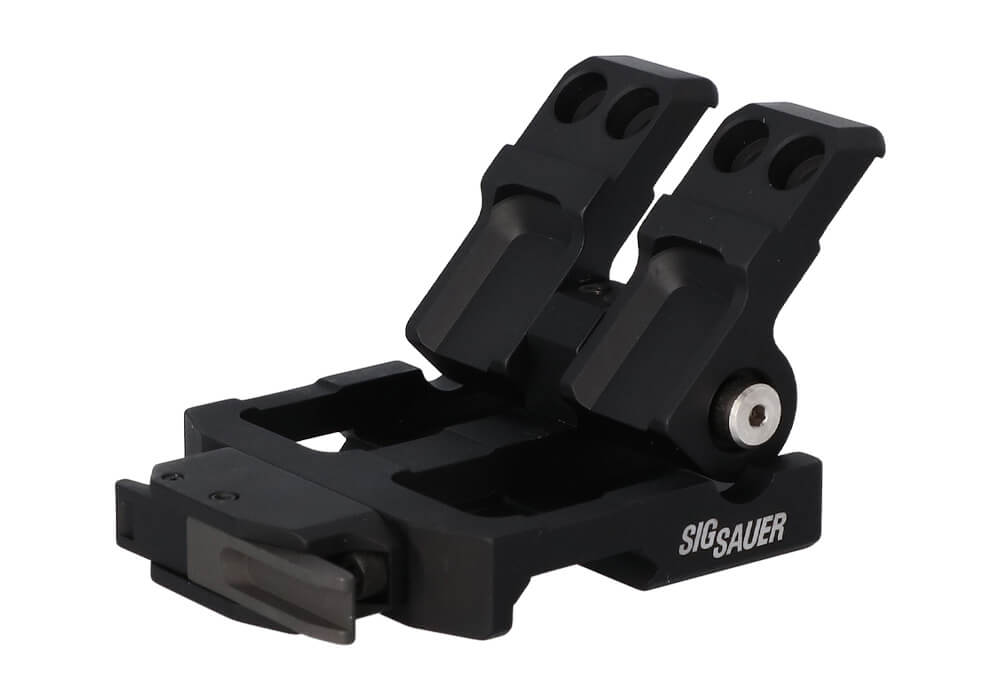
Picatinny rails for turkey hunting provide a versatile mounting foundation for red dot sights, reflex optics, and compact low-magnification scopes on compatible shotguns. The familiar cross-slot design gives hunters multiple attachment positions, making it easier to place an optic where the sight picture feels natural and the eye relief works with the shotgun’s stock, receiver, and shooting stance. That flexibility can be especially valuable in the turkey woods, where a hunter may spend long stretches seated against a tree and then need to shoulder the shotgun smoothly through a narrow opening in brush. A properly selected rail helps keep the optic firmly positioned through the repeated recoil of turkey loads while allowing it to be removed, replaced, or adjusted without committing to a single mounting location. Browse the full selection of Picatinny Rails to compare mounting solutions suited to different shotgun configurations. A rail can be a practical upgrade for hunters who prefer a clear aiming reference over traditional bead sights, particularly when a red dot or reflex optic helps maintain focus on the target rather than shifting attention between the front bead and a moving bird. It may also be a thoughtful gift for a turkey hunter, provided the shotgun’s make, model, receiver pattern, and existing mounting holes are confirmed before purchase. The most useful gift is the one that fits correctly, clears the action, and complements the recipient’s preferred optic and shooting position.
Fitment is the first consideration when choosing a Picatinny rail for a turkey shotgun. Many modern hunting shotguns have receivers that are factory drilled and tapped, allowing a one-piece or two-piece rail to attach directly with the appropriate screws. A direct receiver mount typically offers a clean, secure installation, but the hole spacing and screw dimensions must match the firearm exactly; appearance alone is not enough to confirm compatibility. Some shotguns use a grooved receiver, in which case a dovetail adapter may convert that existing platform into a Picatinny mounting surface. For receivers without factory mounting holes, saddle-style or clamp-on rails can provide an alternative without permanent gunsmith modification, although the design must be properly fitted and installed so it does not interfere with the action, safety, ejection path, or controls. Hunters should also consider whether the rail is intended for a specific receiver profile, gauge, action type, and optic footprint. One-piece rails can simplify alignment, while two-piece designs may leave more access around the loading and ejection areas. Before installation, unload the shotgun completely, verify the chamber and magazine are empty, and follow the firearm and mount manufacturer’s instructions. Correct screw length matters: hardware that is too long can interfere with internal components, while insufficient engagement can allow the mount to loosen under recoil. Using the specified torque and any recommended thread-locking compound helps maintain a dependable connection without overtightening or damaging the receiver.
Height, weight, and handling are also important in a turkey setup. Picatinny rails generally place an optic slightly higher above the bore than some direct-mount plates, so the hunter may need to adjust cheek weld, optic position, or sight settings to achieve a comfortable and repeatable sight picture. A low-profile rail can help reduce snagging on vines, limbs, and camouflage during a close-quarters setup, while a longer rail may provide additional room for positioning an optic to accommodate different stocks or eye relief requirements. Even a small increase in weight can be noticeable when a shotgun is held at the ready for several minutes, especially during the quiet patience that defines a spring or fall turkey hunt, so a streamlined rail is often appealing for hunters who walk extended distances or carry additional field gear. After installation, confirm that the optic is secure, the shotgun cycles correctly, and the chosen sight picture remains consistent from a natural shoulder mount. Patterning the shotgun with the intended turkey load is essential because an optic does not replace the need to understand where the shotshell’s payload prints at practical distances. Check zero at the range, then inspect the mount and fasteners after firing to ensure nothing has shifted. During the warmer opening days or the cooler months that follow, a durable rail should also withstand moisture, mud, dust, and changing temperatures; wiping down exposed metal and storing the shotgun dry can help preserve the finish and maintain reliable performance. With the right fit and careful setup, a Picatinny rail gives turkey hunters a flexible way to tailor their shotgun, whether they are preparing a trusted field gun for another season, configuring a new optic, or putting together a useful gift for someone who spends quiet mornings listening for wings in the timber.