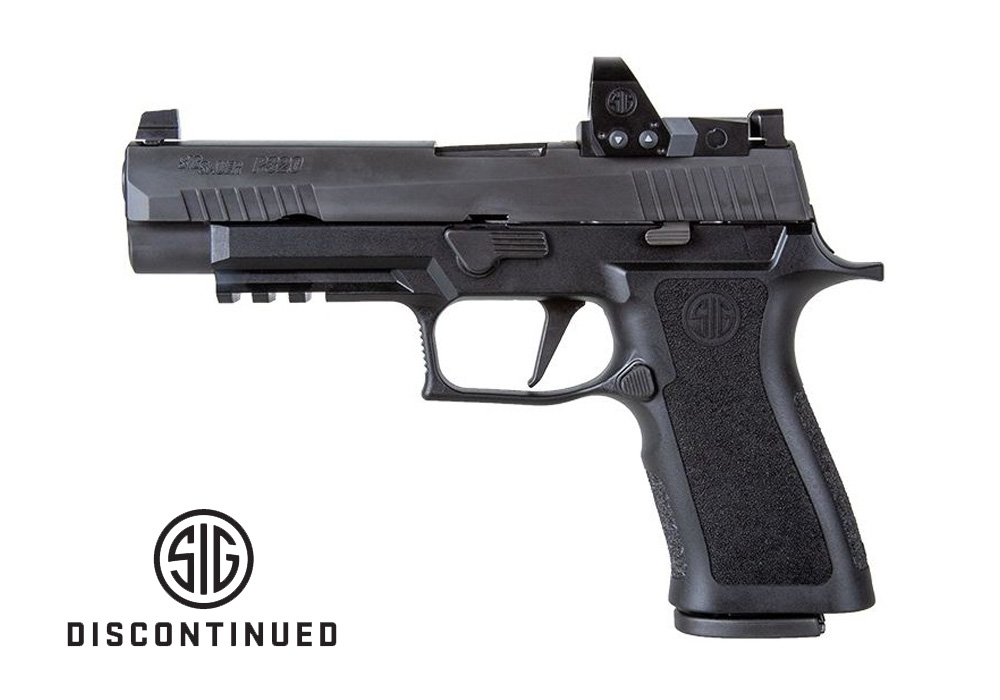
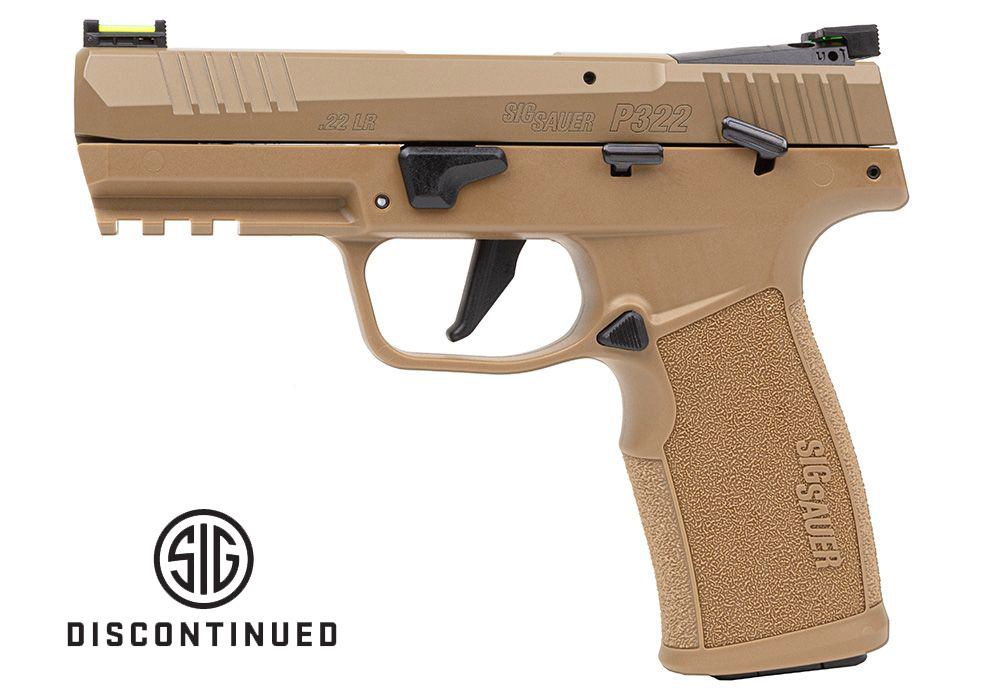
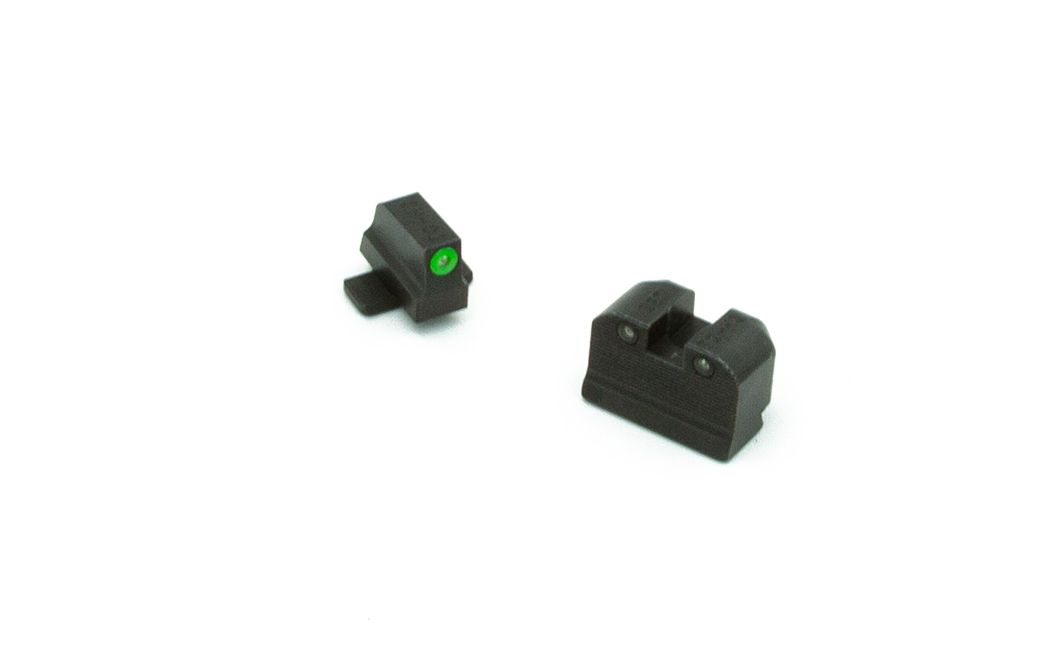
Pistol red dot training basics begin with a dependable foundation: a properly fitted pistol, a quality optic, a secure mounting system, and the safety equipment that makes every practice session more consistent. A red dot sight can simplify the aiming process by giving the shooter a single illuminated point to place on the intended target, but learning to find that dot quickly requires repetition. New users often spend their first sessions developing a natural presentation, keeping both eyes open when appropriate, and learning to bring the pistol to the same visual plane each time. Training ammunition, paper targets, target stands, and a stable range bag can help organize that process, while snap caps or other inert training aids provide a practical way to rehearse loading, unloading, and presentation procedures without live ammunition. Before beginning, read the firearm and optic manuals, confirm that the pistol is unloaded when handling it away from the firing line, and follow all range rules. Eye and ear protection should be considered essential rather than optional, and a brimmed cap can help reduce glare while keeping spent brass and direct sunlight out of the shooter’s line of sight. For anyone building a first training setup, it is usually more useful to choose compatible, well-organized equipment than to collect every accessory at once. An optic with a clear window, an aiming point that remains easy to see in changing light, and controls that are simple to understand can make early practice less distracting. A sturdy holster designed for the exact pistol and optic combination may also be appropriate for qualified users who have been instructed in safe draw procedures, while those who are still learning the fundamentals can begin from a low-ready or bench-start position under supervision.
The most productive practice sessions are usually short, deliberate, and repeatable. A new red dot user may notice that the sight appears to disappear during the draw, especially when the pistol is presented too quickly or from an inconsistent angle. Slowing down and practicing the movement without ammunition can help build a repeatable path: establish a safe grip, bring the pistol forward, allow the optic window to enter the field of view, and confirm the aiming point before pressing the trigger. Dry practice should take place only after removing all live ammunition from the room and verifying the firearm is unloaded, with an appropriate backstop and a clear understanding of the pistol’s operation. At the range, begin at a comfortable distance with a generous target, concentrating on keeping the dot visible through the trigger press rather than chasing speed. As the weather warms or during the cooler months, an indoor or covered range can offer a controlled setting for comparing sight brightness, learning how the dot looks against different backgrounds, and noticing how gloves, jackets, or changing light affect the presentation. A simple training log can be surprisingly valuable. Record the optic brightness setting, distance, ammunition type, group size, and any observations about grip or sight alignment. Over time, those notes reveal patterns that are easy to miss from one session to the next. Training aids such as reactive targets, scaled targets, shot timers, and replacement batteries can support gradual progress, but equipment should serve the fundamentals rather than distract from them. A friend, instructor, or family member who is already comfortable with safe firearm handling may appreciate a practical gift such as quality eye and ear protection, inert practice ammunition, targets, or a protective case. For a newer shooter, professional instruction remains one of the most useful additions to any equipment list, particularly when learning how to safely handle an optic-equipped pistol. Explore Pistol Training for additional ways to structure practice and build confidence responsibly.
Selecting products for pistol red dot training also means thinking about the person using them, the environment where practice will take place, and the stage of learning they have reached. A first-time shooter may benefit from a straightforward optic, a clearly visible aiming point, and controls that can be operated without taking attention away from safe handling. An experienced shooter may prioritize a more refined mounting solution, a durable protective cover, backup sight compatibility, or an extended-capacity magazine where permitted by law and appropriate for the intended training application. Battery life, automatic shutoff settings, brightness adjustment, and resistance to dust or moisture can matter for equipment that travels between the range, a training class, and secure storage at home. Protective cases and lens cloths help preserve the optic between sessions, while spare batteries should be stored according to the manufacturer’s recommendations and replaced as part of a regular maintenance routine. Targets should match the lesson: larger bullseyes encourage sight acquisition and trigger control, while smaller aiming areas can be introduced after the fundamentals become reliable. A quality range bag keeps ammunition, magazines, tools, targets, hearing protection, and a notebook in separate, easy-to-reach compartments, which is especially helpful when setting up on a busy firing line. During a weekend practice session, the difference between a smooth start and a frustrating one often comes down to small details such as having the correct wrench, fresh batteries, a lens cloth, and enough targets for a focused plan. Keep firearms secured when not in use, transport them in accordance with applicable laws and range policies, and avoid making changes to an optic or mounting system without confirming proper installation and zeroing. The goal of these products is not to replace sound instruction or careful judgment. They are tools that support safe, measured practice and help shooters become familiar with the sight picture, controls, and handling characteristics of a pistol equipped with a red dot.