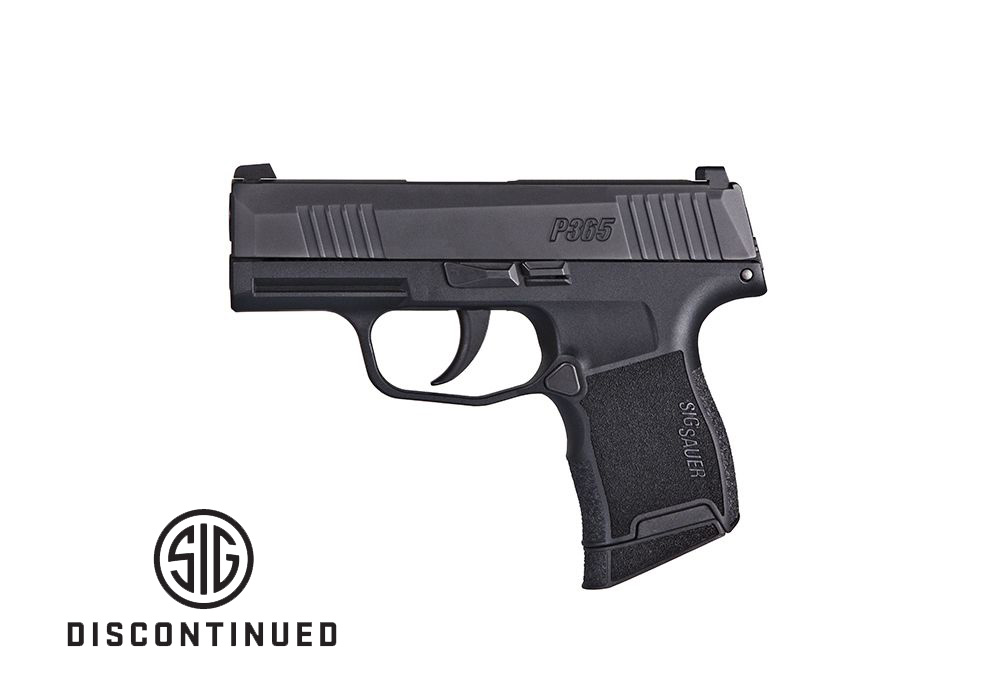
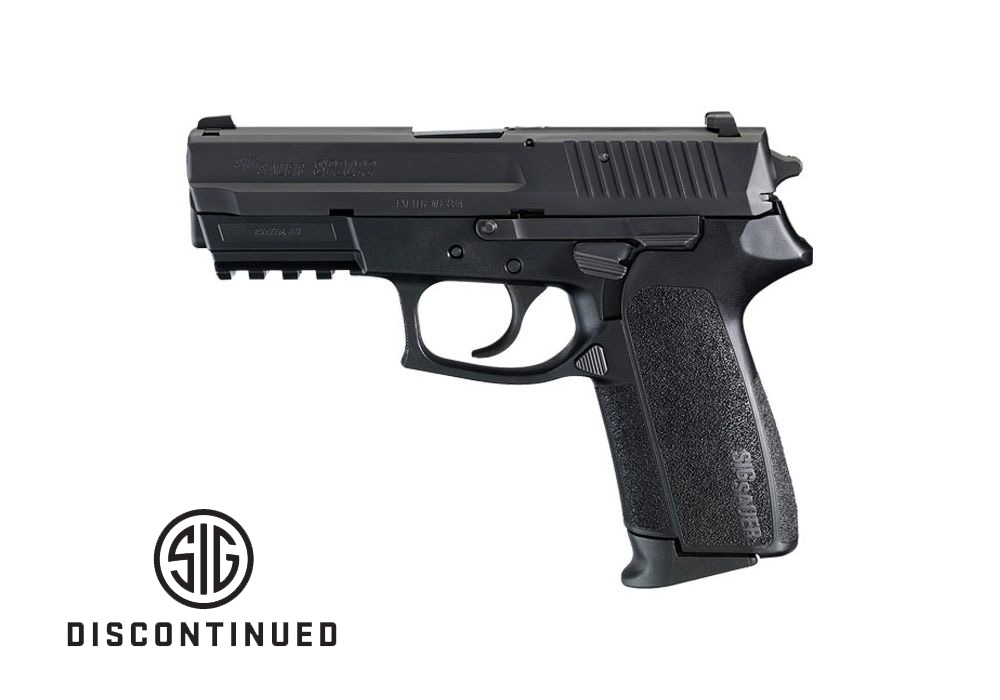
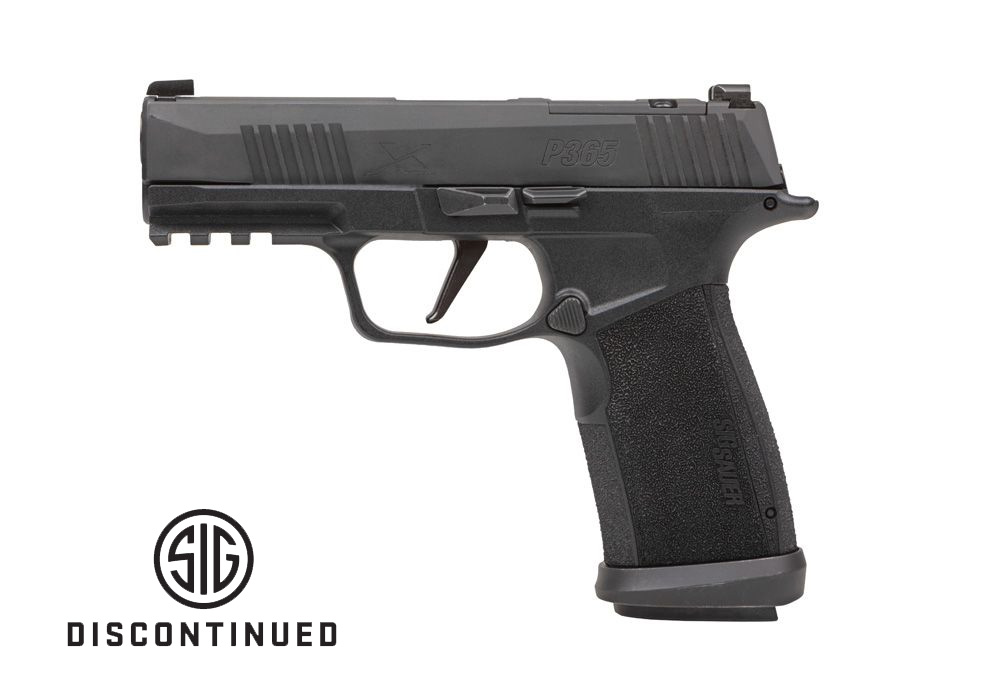
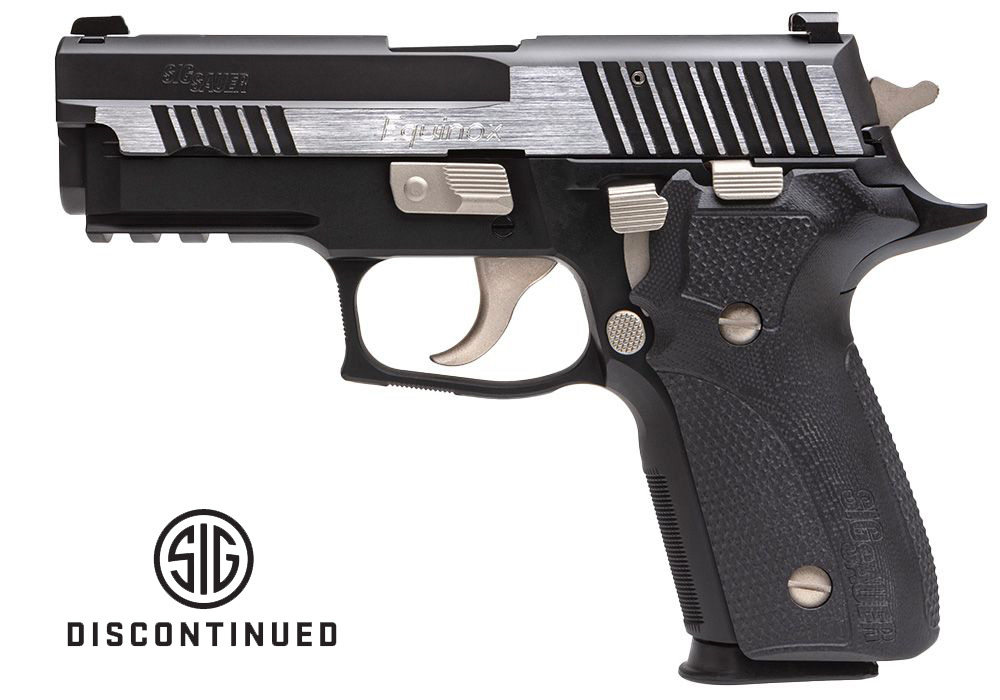
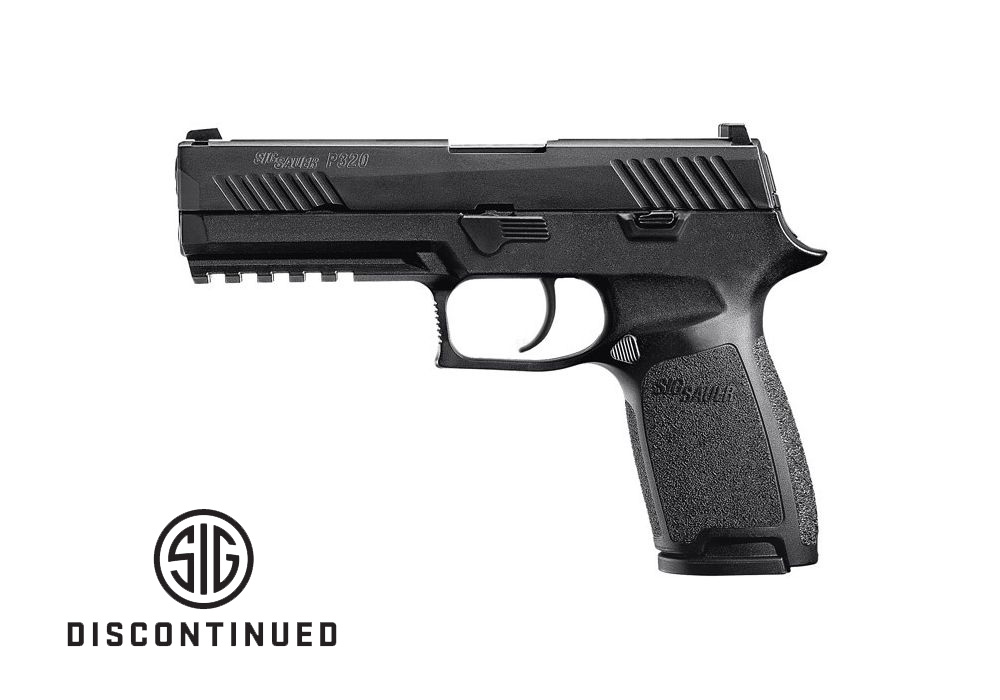
Pistol safety levers provide an additional layer of deliberate control when handling, carrying, storing, or training with a compatible handgun. Depending on the design, a manual safety lever may block the trigger, sear, or another part of the firing mechanism until the lever is moved to the appropriate position. Common configurations include a frame-mounted thumb safety, an ambidextrous safety with controls on both sides, and combination safety and decocker systems used on double-action/single-action pistols. A thumb safety is typically operated with the shooting-hand thumb as the pistol is brought into a firing grip, while an ambidextrous design can offer a consistent control layout for right- or left-handed users. A decocker serves a different but related purpose by safely lowering an exposed hammer without firing a chambered round when the pistol and ammunition are handled as instructed. Some pistols also use an integrated trigger safety, such as a small hinged blade built into the face of the trigger. That feature is not the same as an external pistol safety lever, but it is part of the broader approach to preventing unintended trigger movement. Because controls vary considerably, shoppers should confirm the exact operating system and compatibility of the pistol before selecting a replacement, upgrade, or complete handgun with enhanced safety features. The most useful control is one that can be identified by touch, operated consistently, and incorporated naturally into a practiced handling routine. For a broader selection organized around additional handling controls, explore Pistols With Enhanced Handling Safety.
When comparing pistol safety levers, consider the lever’s location, shape, reach, movement, and relationship to the rest of the pistol’s controls. A low-profile lever may help reduce the chance of snagging on clothing or equipment, while an extended lever may be easier to locate and operate with gloves or under reduced-light conditions. The choice often comes down to hand size, grip style, carry method, and whether the pistol will be used primarily for range practice, duty, personal protection, or home storage. Left-handed shooters may benefit from an ambidextrous arrangement, while right-handed shooters may prefer a single-sided control that keeps the opposite side of the frame smooth. Either way, the safety should be easy to positively engage and disengage without shifting the firing grip or searching for the control. It is also important to distinguish between a manual safety and a decocker. A manual safety is intended to place the pistol in a condition where firing is prevented until the safety is disengaged, while a decocker safely lowers the hammer and may return the pistol to a double-action trigger pull, depending on the firearm’s operating system. These controls are not interchangeable, and a pistol designed for one system should not be modified with parts intended for another. Replacement levers and related components must match the exact pistol configuration, frame, and internal mechanism. Installation is best handled by a qualified gunsmith unless the manufacturer specifically identifies the part as user-installable. An improper fit can interfere with the safety’s engagement, prevent the pistol from firing when intended, or create an unsafe condition. Before inspecting or installing any component, remove all ammunition from the work area, keep the muzzle pointed in a safe direction, and follow the manufacturer’s instructions for verifying the pistol is unloaded.
Pistol safety levers can also be a thoughtful choice for a new handgun owner, a recreational shooter refining a setup, or an experienced user replacing a worn or damaged control. They may be especially useful for someone whose existing lever is difficult to reach, uncomfortable during extended range sessions, or poorly suited to a different hand position. A family member or friend who is beginning structured firearms training may appreciate a pistol selected with an intuitive safety system, although any firearm gift should account for local laws, transfer requirements, the recipient’s training, and secure storage. A safety lever does not replace safe muzzle awareness, trigger-finger discipline, appropriate storage, or formal instruction. It is one part of a complete handling system, and its value depends on understanding exactly what the control does on that particular pistol. Many shooters develop a simple rhythm: keep the trigger finger indexed along the frame while handling, confirm the pistol’s condition, engage the safety when appropriate, and return the lever to the safe position before re-holstering or setting the firearm down, always following the firearm’s manual and established training procedures. During cooler months, changes in clothing, gloves, and outerwear can affect access to controls, making a familiar lever shape and consistent practice especially important. At the range, deliberate repetitions help build confidence without rushing; at home, locked storage keeps the firearm inaccessible to unauthorized users while preserving readiness according to the owner’s plan and applicable law. Whether selecting a pistol with a manual thumb safety, an ambidextrous lever, a decocker, or another integrated safety feature, prioritize proven compatibility, positive engagement, comfortable operation, and a control layout that supports careful, repeatable handling.